China’s Pioneering Fuel-Efficient Hybrid Vehicle Tech Challenges Japanese Auto Dominance, A Two-Pronged Strategy That’s Truly Powerful!
 04/19 2026
 673
673
Since the start of this year, amid a fierce domestic market push by electric vehicles (EVs), traditional fuel vehicle manufacturers have been vigorously rolling out fuel-efficient hybrid (HEV) technologies. This move is not only aimed at competing with EVs but also at targeting the last bastion of Japanese cars in the global market, further boosting the international competitiveness of Chinese automobiles.
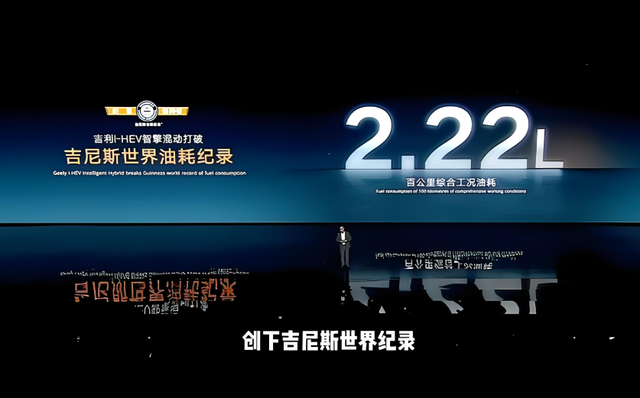
The fuel-efficient hybrid technology path developed by Chinese automakers markedly differs from that of their Japanese counterparts. Industry experts believe that this technology has evolved from China’s existing plug-in hybrid (PHEV) technology, presenting a stark contrast to the fuel-efficient hybrid systems developed by Japanese automakers, which are rooted in traditional fuel vehicle technology.
Japanese cars' fuel-efficient hybrid technology primarily hinges on fuel engines, with electric motors playing a supplementary role. This setup results in sluggish power response, inadequate support for intelligent features, and fuel efficiency that is primarily evident in urban driving. On highways, they rely solely on fuel engines, leading to higher fuel consumption.
In contrast, Chinese cars' fuel-efficient hybrid technology is primarily electric-driven, employing a series-parallel architecture. The battery capacity is three times that of Japanese hybrid vehicles, and the engine operates at peak efficiency, delivering faster power response, stronger acceleration, better support for intelligent features, and a user experience that closely mirrors that of electric vehicles.
By adopting this fuel-efficient hybrid technology, Chinese automakers can circumvent the technological barriers set up by Japanese car companies like Toyota. This explains why, after years of research and development, they are now rolling it out on a large scale, signaling that Chinese car companies have finally found a viable path for fuel vehicles to develop hybrid technology after years of perfecting plug-in hybrid technology.
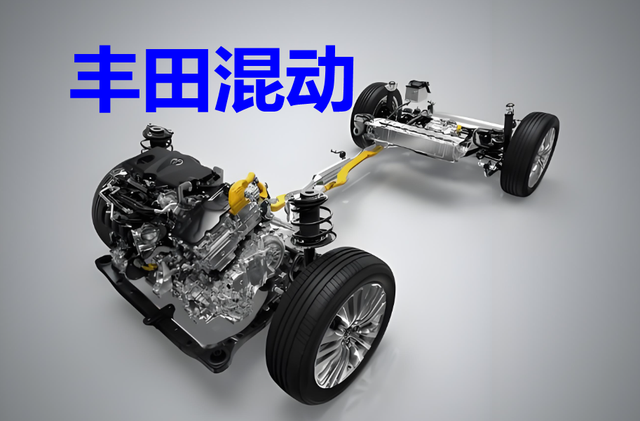
For Japanese cars, the emergence of China’s own fuel-efficient hybrid technology poses a significant threat, as this technology is now the cornerstone of Japanese automotive prowess!
The ascent of Chinese electric vehicles in recent years has led to a decline in global sales for many foreign car companies. Suzuki and Nissan have even fallen out of the top ten global car companies, with only Toyota’s sales continuing to grow steadily. This is attributed to Toyota’s unique fuel-efficient hybrid technology, which has become its trump card.
Especially with rising global oil prices, demand for Japanese fuel-efficient hybrid vehicles in European and American markets is on the rise. Consequently, fuel-efficient hybrid vehicles now account for 40% of Toyota’s sales. Due to its unique technological edge, Toyota’s fuel-efficient hybrid vehicles are witnessing a surge in sales and prices in these markets, in stark contrast to the declining sales of competitors like Volkswagen.
Chinese cars have already secured an advantage in the domestic market, capturing nearly 70% of the market share. As Chinese cars increasingly penetrate the international market, which is still dominated by fuel vehicles, the need for continued development of fuel vehicle technology by Chinese automakers becomes imperative. Excluding the Chinese market, fuel vehicles still constitute over 80% of the global car market.
The development of fuel-efficient hybrid technology by Chinese automakers also enables a two-pronged assault on Japanese cars, leveraging electric vehicles to capture the new EV market and fuel-efficient hybrid vehicles to attack the existing fuel vehicle market. This combined offensive can hasten the decline of Japanese cars and lead to a swifter victory.
Japanese cars are now facing a precarious situation. After relinquishing the title of the world’s largest car exporter to China in 2023, they fell behind China’s 27 million vehicles with 25 million sales in 2025, ceding their position as the world’s largest car manufacturer. If even the fuel-efficient hybrid market, where Japanese cars hold an advantage, is captured by Chinese cars, then the foundation of Japanese automotive dominance will truly be shaken, and their decline will become inevitable. This is the scenario that Japanese cars fear the most!
-
![]()
The Allure of 'Acquisition Spree': Li Shufu's Left Turn, Xu Jiayin's Right
-
![]()
Strategic Transformation Yields Results: Phoenix Optics Reports 10.9% YoY Rise in Core Net Profit for H1 2026
-
![]()
Three Key Growth Trajectories Synergize! Crystal-Optech Reports 3.478 Billion Yuan in Revenue for H1 2026
-
![]()
Semi-Annual Report Sparks XPENG Motors Buzz
-
![]()
1.6 Billion Big Order Secured! SeeYA Technology's Revenue Soars by 287.87% in the First Half of the Year
-
![]()
Baidu's Profits Plunge by 68%: Unraveling the Mystery Behind the Numbers
-
![]()
Baidu’s Profits Tumble by 68%! Where Has All the Money Gone?
-
![]()
Hynix’s Taobao Store Shuts Down Abruptly: What Should Customers Do About Warranty Services for Memory Modules?