Ford Launches Production, Renault Follows Suit: 'Outdated' Extended-Range and Plug-In Hybrids Become New Favorites for European Automakers
 06/18 2026
 621
621
Failure of the Pure Electric Strategy Forces European Automakers to Abandon Biases
"If the government rigidly dictates what products consumers should buy, the market will shrink."
This sentiment was shared by Mercedes-Benz Group CEO Ola Källenius and Ferrari CEO Benedetto Vigna after the F1 Monaco Grand Prix.
F1's radical changes for the 2026 season, which triggered protests from teams and drivers, made races "boring" by significantly increasing electric propulsion.
Of course, such changes are not limited to the racetrack but also exist throughout the European automotive market. Aggressive electrification strategies have inflicted huge losses on European automakers, with layoffs and declining revenues becoming the norm. Behind the strategic retrenchment lies the EU's escalating "decarbonization" mandates.
However, the reality is that the European market lags far behind China in electrification. The EU has resorted to trade protectionism, such as tariffs, to slow down the growth of Chinese new energy vehicles in Europe.
Yet, administrative orders alone cannot defy market trends. Since 2026, the European market has become a key destination for Chinese automakers going global. BYD has achieved 100,000 sales in the UK market, and Chinese-made new energy vehicles are increasing their share in Europe.
When the "wolf" truly arrives, European automakers realize that a mature route has already been validated in the Eastern market and begin to transform.
A $12.8 Billion Lesson
In April 2026, Ford officially announced the dissolution of its independently operated electric vehicle division, Model e, integrating it into a new "Product Creation and Industrialization Division."
After years of pure electric projects, Ford's aggressive pure electric substitution has become a relic of the times.
Behind the strategic adjustment lies Ford's inability to sustain massive losses. From 2021 to 2024, Ford's electric vehicle division incurred losses of $900 million, $2.1 billion, $4.7 billion, and $5.1 billion, respectively, with losses in 2025 still reaching $4.8 billion. Cumulative losses from 2021 to 2025 exceeded $12.8 billion.

To "stop the bleeding," Ford recognized approximately $19.5 billion in special project expenses in 2026, paying the price for its aggressive project decisions financially.
At the strategic level, Ford abandoned the technology route of pure electric as the only solution. The goal was adjusted to increase the global sales share of hybrids, extended-range, and pure electric models to about 50% by 2030. The next-generation F-150 Lightning shifted from a pure electric architecture to extended-range, while the three-row pure electric SUV project was canceled, but an extended-range version remains planned.
Ford CEO Jim Farley made it clear that BYD is now the true benchmark for study.
The latest news is that Ford is developing an exclusive Bronco version for the European market and plans to launch multiple extended-range, plug-in hybrid, and traditional hybrid models.
Jim Baumbick, Ford's European head, stated that extended-range models "can bring fundamental changes to the local market."
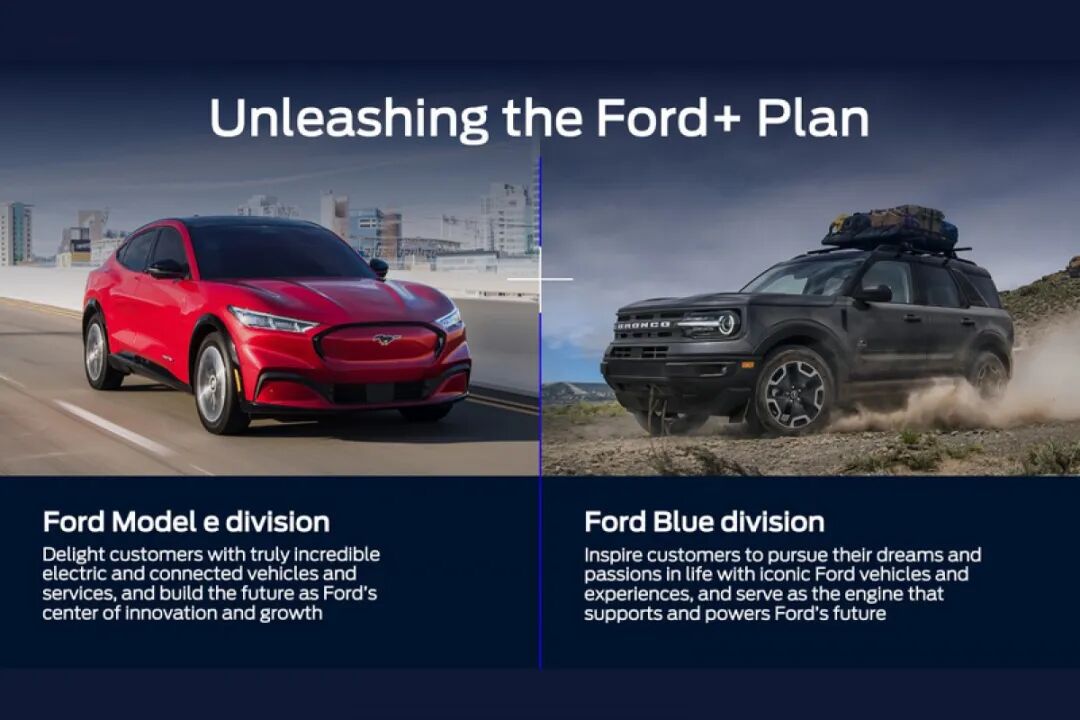
This may seem incredible. The Bronco extended-range version has already been launched in the Chinese market for just over 200,000 yuan. Ford is treating the European market as a new destination for going global.
Of course, Ford is not fighting alone. Reports suggest that Ford and Renault will further deepen cooperation, It is not ruled out to jointly develop an extended range system with Renault (not ruling out joint development of extended-range systems with Renault).
Although Renault has exited the Chinese market, it has never abandoned Chinese technology and R&D.
Renault's joint venture with Geely, Horse Powertrain, focuses on developing traditional fuel, hybrid, and hydrogen power systems. Currently, Horse Powertrain operates 17 factories and 5 R&D centers globally, with an annual production capacity of 5 million powertrains.

Renault CEO Luca de Meo stated that its extended-range models offer a pure electric range of up to 200 kilometers, making the extended-range system particularly suitable for large vehicles. For large vehicles, using plug-in hybrid power or extended-range systems is very reasonable.
Renault plans to launch 12 new models by 2030, covering the B to D segments, offering three technical solutions: pure electric, four-wheel-drive electric, and extended-range electric. The extended-range version offers a combined range of up to 1,400 kilometers, while the pure electric version has a range of up to 750 kilometers.
Extended-range models with a pure electric range of over 200 kilometers seem highly similar in power configuration to many domestic models. Chinese new energy technologies are becoming the choice of European automakers in various ways.
Transitioning to extended-range and hybrid models is an experience Renault learned from the market in 2025. In 2025, Renault's brand hybrid model sales reached 287,000 units, up 17.0% year-on-year, accounting for 38.4% of brand passenger car sales. Against a backdrop of widespread market declines, Renault achieved a turnaround with hybrids.
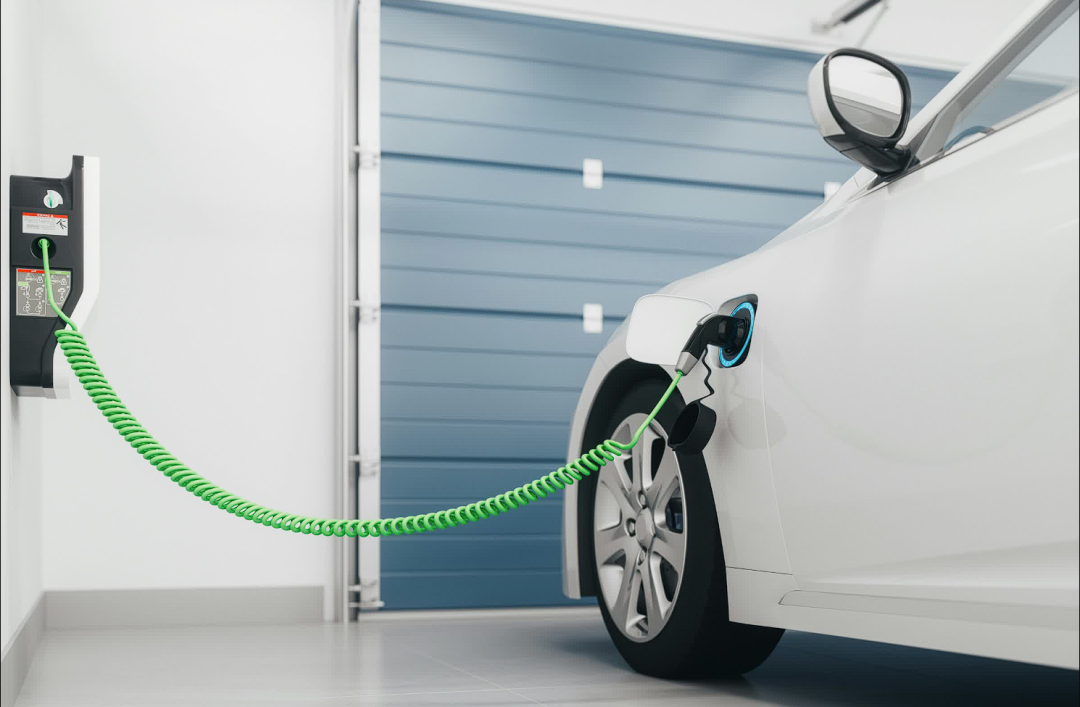
It can be said that Ford and Renault have learned from the market that extended-range technology, seemingly outdated, is an indispensable transitional phase in the electrification process, albeit at a high cost for Ford.
Eastern Experience
For the European market, consumers are not opposed to electrification and new energy development. Rather, European automakers have failed to understand the market's true needs, always offering impractical products. In terms of market potential, European consumers' purchasing power far exceeds that of other markets.
For example, in 2025, BYD's European sales grew by 268% year-on-year to 188,000 units. In the first quarter of 2026, its market share jumped from 3.2% to 5.4%, entering the top five in sales for the first time, surpassing local brands like BMW, Audi, and Mercedes-Benz.
Behind this is BYD's product logic, which has already proven successful in the Chinese market. BYD's main pure electric models in Europe are small vehicles like the Dolphin and Yuan PLUS, which better meet the demands of the European market in terms of price and size.
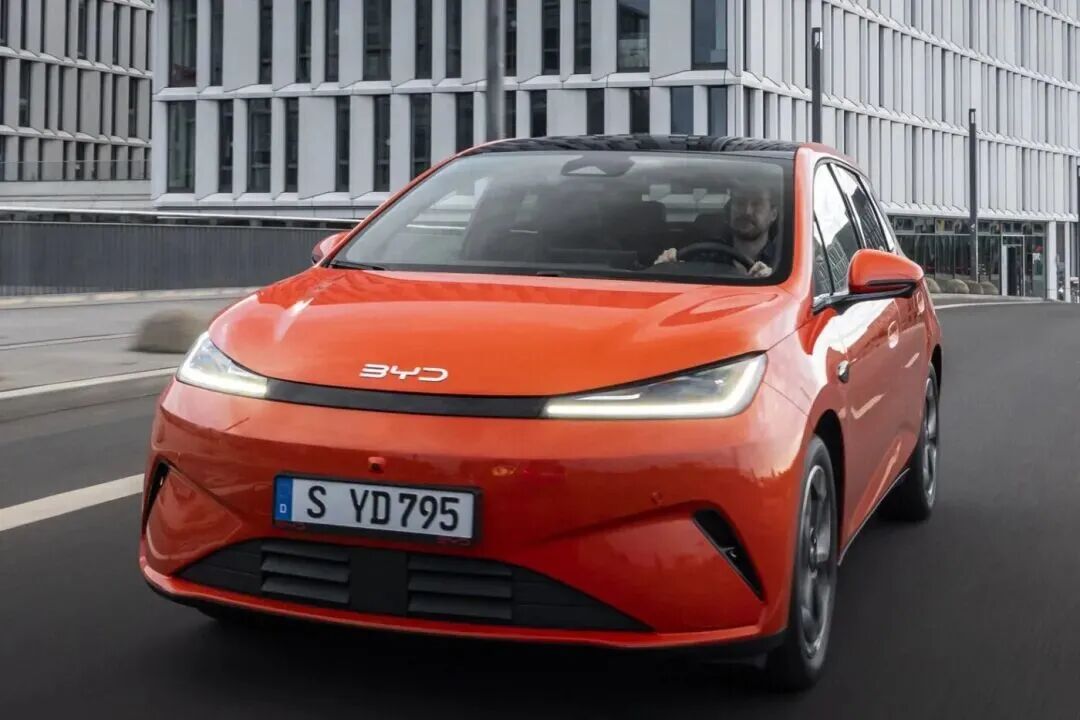
In June 2026, BYD launched its first plug-in hybrid model tailored for the European market, the Dolphin G DM-i, with a pure electric range of 40-105 kilometers and a starting price between €23,990 and €28,990 (approximately 200,000 yuan). To reduce logistics and tariff costs, this model will be locally produced at the Szeged plant in Hungary.
Of course, there is no Dolphin DM-i version in the domestic market. However, comparing similar models, the domestic Qin PLUS DM-i costs just 79,800 yuan. Manufacturing in Europe is indeed more expensive, but not as uncontrollable as for European automakers.
From a financial perspective, BYD has not lost money or earned less due to manufacturing in Europe. Data shows that BYD's gross profit per vehicle in overseas markets in 2025 was about 58,000 yuan, 2.5 times that of the domestic market, and this was after the EU imposed high tariffs.
It can be said that the unreasonable policies set by the EU are truly impacting European automotive development. However, even tariff policies cannot defy market trends.

From China's new energy market, it is clear that a long transitional period exists between fuel vehicles and electric vehicles, a phase that cannot be reversed by policies.
In 2025, most new energy automakers shifted to developing extended-range models. Even Volkswagen had to compromise to the Chinese market, with pure electric and extended-range models becoming the mainstream choice.
However, entering 2026, sales of extended-range and hybrid models have clearly declined. In May 2026, wholesale sales of extended-range models in China were just 95,000 units, down 24.9% year-on-year, marking the largest single-month decline in nearly five years.
From January to May 2026, cumulative sales of extended-range models fell 28.9% year-on-year, accounting for only 9.3% of total new energy sales.
As the overall growth of new energy vehicles slows, the growth rate of pure electric models has far exceeded the average for new energy vehicles. In the first five months of this year, pure electric models accounted for 65.7% of new energy vehicle sales, becoming the absolute mainstream.
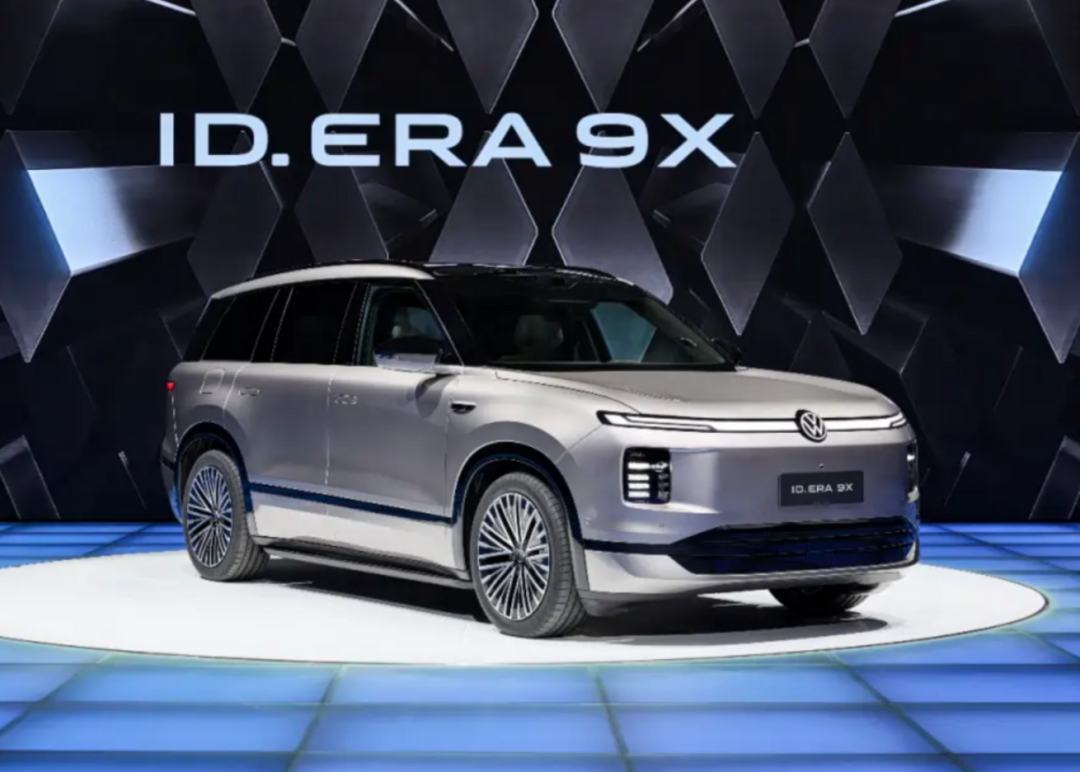
Behind this is the inevitability of market development. In the early stages of new energy development, charging infrastructure was inadequate, and consumers had long-standing range anxiety. Extended-range and plug-in hybrid models could effectively alleviate this anxiety. As domestic charging infrastructure improves, consumers realize that it is better to choose pure electric vehicles rather than pay for scenarios that occur less than 1% of the time.
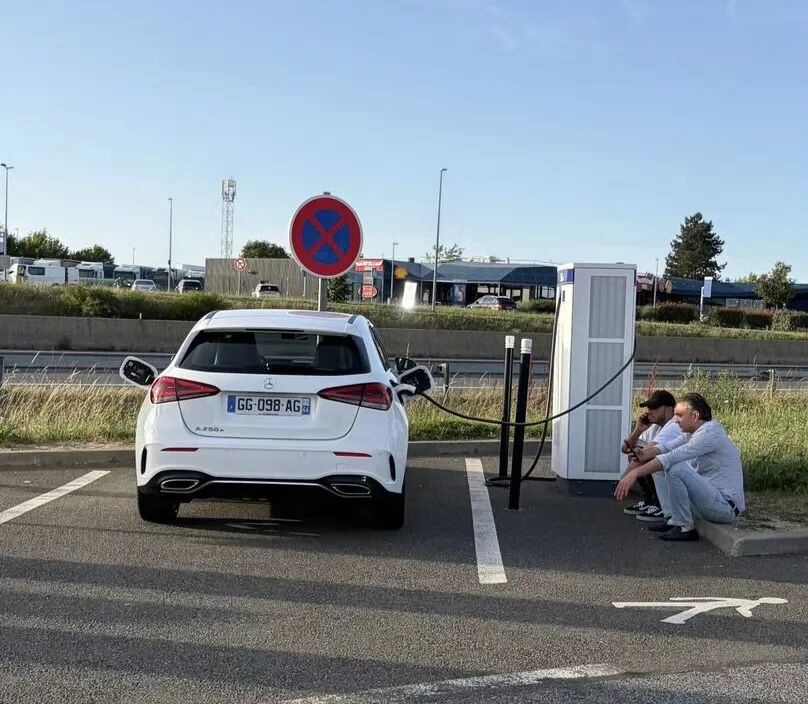
From a fundamental perspective, the EU is far from meeting the standard of convenient charging. As of the end of 2025, there were about 1.23 million public charging points across 32 European markets. The EU actually has only about 910,000 charging points, about a quarter of the European Commission's target of 3.5 million. Moreover, 70% of EU public charging points are concentrated in Germany, France, and the Netherlands, with extremely uneven distribution.
In contrast, as of the end of April 2026, China had 21.955 million charging points, including 4.907 million public charging points and over 12,000 high-power ultra-fast charging stations. 98% of highway service areas have charging coverage, and 19 provinces have achieved "full coverage in every township."
As Jim Baumbick, Ford's European head, stated, Europe must more actively promote charging infrastructure for plug-in hybrid and extended-range models to truly convince consumers.
Ford and Renault's strategic shift to extended-range and plug-in hybrid models marks a pragmatic transition for the European automotive industry from "pure electric only" to "diverse powertrains coexisting." This change is driven by structural challenges in the European market, such as lagging charging infrastructure, low consumer acceptance, and policy compromises.
It also signifies that the global new energy vehicle market is entering a more complex, diverse, but vibrant new phase, where more flexible and pragmatic powertrain modes will meet the diverse needs of different regions and user groups.
One wonders what Volkswagen CEO Thomas Schäfer will think when extended-range models become ubiquitous on European roads.
Note: Some images are sourced from the internet. If there is any infringement, please contact us for removal.
-END-

-
![]()
Silicon-Based OLED Pioneer Unveils Financial Results: H1 Shipments Outpace Entire 2025 Volume
-
![]()
AI's First "Lost Summer"
-
![]()
Zeiss Makes Another €2.2 Million Bet: Will Eye Tracking Be the Next Big Thing in the Smart Glasses Industry?
-
![]()
RUNTO Ranking | Global Top TV ODM Factories' Shipment Figures for July 2026
-
![]()
Dealer Service Operational Prowess | How After-Sales Managers Can Harness Efficiency and Expertise to Secure Trust in the New Energy Era
-
![]()
Xiaohongshu: Navigating Through the AI Anxiety Storm
-
The Foundation of AI is Being Built
-
![]()
Huawei and Apple Embrace Change, Samsung Steps Back: Is Variable Aperture Technology a Game-Changer?