Farewell to Pulsed Support Policies: Three Major Auto Policy Directions from Multiple Departments Take Effect on the Same Day
 06/25 2026
 518
518
Recently, the State Council Information Office held a press conference where three major policies for the automotive industry were jointly announced by multiple departments. The Ministry of Commerce, in collaboration with other departments, introduced new policies for pilot reforms in automobile circulation and consumption, as well as aftermarket development. Meanwhile, the Ministry of Industry and Information Technology (MIIT) and the Ministry of Public Security jointly released measures to optimize the sharing of motor vehicle certification information.
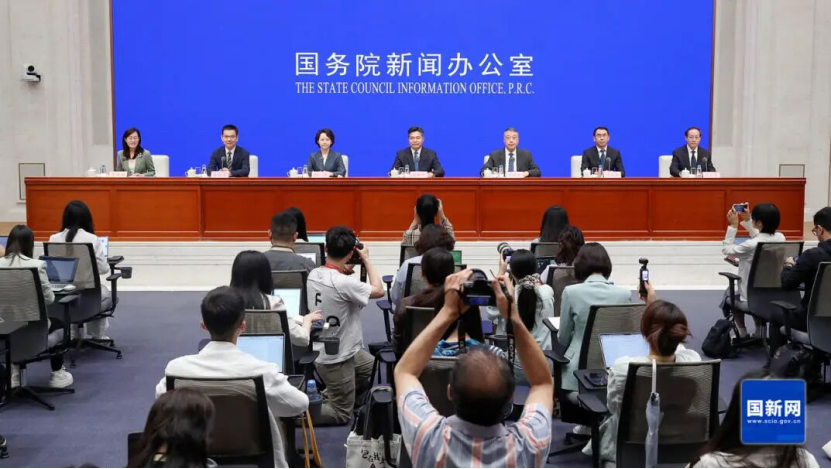
These three policies cover the entire lifecycle of automobiles, from purchase, usage, and circulation to scrapping. Unlike past short-term stimulus policies targeting new car sales, this round of policies focuses on systematically eliminating institutional bottlenecks. Combining current operational data from the domestic automotive market, it is evident that China's auto market has completed the incremental phase of new car adoption and has fully entered a development cycle dominated by existing stock. The adjustment in policy direction corresponds to changes in the market's fundamental landscape.
▍Real-World Effects of Shifting Momentum and Policy Support in the New Car Market
Since 2026, the domestic new car market has shown signs of pressure overall. Data released by the China Association of Automobile Manufacturers (CAAM) indicates that from January to May 2026, cumulative automobile sales in China reached 12.207 million units, a year-on-year decrease of 4.2%. Among them, cumulative passenger vehicle sales stood at 10.318 million units, down 6.2% year-on-year. The decline in domestic retail sales was even more pronounced, with passenger vehicle sales in the domestic market reaching 6.791 million units from January to May, a year-on-year decrease of 23.8%. The overall sales volume managed to maintain a relatively small decline, largely due to the rapid growth of export business. During the same period, automobile exports reached 4.059 million units, up 63% year-on-year, with exports becoming a crucial pillar supporting the industry's total volume.
At the same time, significant structural differentiation within the market is evident, with new energy vehicles (NEVs) and fuel-powered vehicles showing completely opposite trends. According to CAAM data, NEV sales reached 1.496 million units in May, up 14.4% year-on-year; cumulative sales from January to May reached 5.802 million units, up 3.5% year-on-year. Fuel-powered vehicles, on the other hand, continued to contract, with sales in April declining by 37% year-on-year. The majority of the lost market share was absorbed by NEV models. Domestic brands have gained an advantage in the electrification transition, with the market share of Chinese-brand passenger vehicles exceeding 70% for the first time in the first five months of 2026, reaching 71%.
In this market environment, the trade-in policy, which has been continuously implemented for three years, has become the most core stabilizing force for new car consumption. As of June 22, 2026, the policy has supported the trade-in of new cars for over 21 million people, with an average subsidy of 14,000 yuan per vehicle. This policy accounts for 63% of the total 5 trillion yuan in sales from trade-in programs for consumer goods nationwide, making it the most effective stimulus measure among all categories.
From an industrial perspective, the trade-in policy has supported the consumption of over 12 million NEVs, directly driving an increase in NEV penetration. In 2025, the penetration rate of domestic NEV passenger vehicles reached 53.9%, up 18.2 percentage points from 2023 before the policy's implementation, demonstrating a clear and direct impact of the policy.
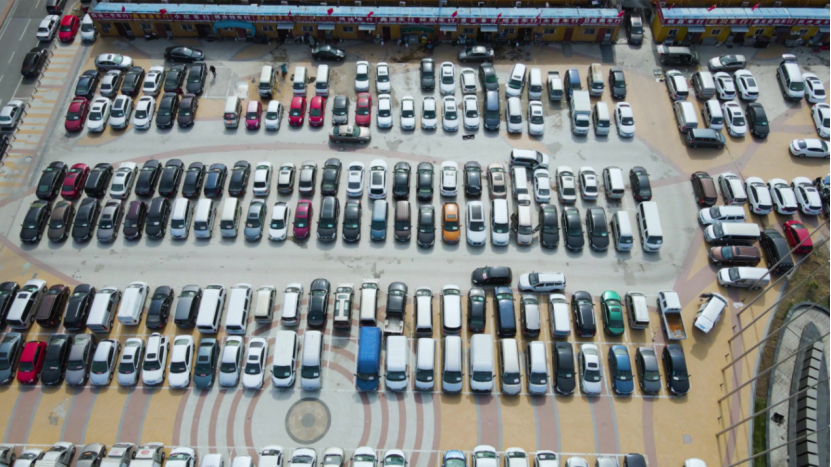
Replacement demand has also replaced first-time purchases as the core growth driver in the new car market. In 2025, domestic passenger vehicle retail sales reached 23.74 million units, setting a new historical record, with over 40% of the vehicles benefiting from trade-in subsidies. This data indicates that the growth logic of the new car market has fundamentally changed.
In the past, industry growth relied primarily on the widespread adoption of first-time purchases by new users. Now, new demand comes more from the iterative replacement of existing vehicles. For automakers, the return on investment in competing for first-time buyers is declining continuously. Providing high-quality trade-in services for existing users and understanding vehicle replacement cycles will become key to competition in the next phase.
In addition to financial subsidies, efficiency improvements in the car-buying process are also being advanced. The MIIT and the Ministry of Public Security jointly introduced a policy for real-time sharing of motor vehicle certification information, enabling the completion of vehicle registration on the same day as purchase for domestically produced passenger vehicles. Officials estimate that this policy will benefit over 20 million new cars annually, addressing the long-standing consumer bottleneck of having to visit multiple departments and endure long waiting periods after purchasing a vehicle.
In lower-tier markets, the "Thousand Counties, Ten Thousand Towns" consumption campaign and the NEV promotion to rural areas continue to be implemented, with charging networks and after-sales service networks extending to county and township levels. This addresses the long-standing shortage of service facilities in county-level markets and taps into the remaining incremental space in lower-tier markets.
Overall, the policy mix for new cars no longer pursues short-term sales surges but instead focuses on two directions: demand support and efficiency improvement, consolidating the replacement-driven growth model. This model is more sustainable and better aligned with the operational laws of the stock market.
▍Circulation and Aftermarket Expansion: New Growth Pillars in the Stock Market Era
If the changes in the new car market represent the visible manifestation of industry transformation, then the improvement of the used car and scrapping and recycling systems forms the foundation for the self-sustaining circulation of the stock car market. In 2025, the total volume of used car transactions in China exceeded 20 million units for the first time, with the ratio of new car sales to used car transactions approaching 1:1 for the first time.
Just a few years ago, this ratio was only 0.6:1. The change in ratio reflects the continuous relaxation of circulation policies over the past few years. Measures such as the nationwide lifting of restrictions on used car relocation, cross-provincial handling of transaction registrations, optimization of tax and fee costs through "reverse invoicing," and the gradual implementation of a national used car information inquiry platform have gradually dissolved the long-standing regional barriers and trust issues in the industry.
Entering 2026, the used car market has demonstrated strong resilience against cyclical downturns. Data from the China Automobile Dealers Association (CADA) shows that from January to May 2026, cumulative used car transactions reached 8.0948 million units, up 2.3% year-on-year, with a cumulative transaction value of 531.373 billion yuan. Against the backdrop of an overall year-on-year decline in the new car market, the used car market achieved positive growth, highlighting the stabilizing role of the circulation sector.
The proportion of cross-provincial circulation is also continuously rising, with the national used car transfer rate reaching 31.46% in May, indicating further increased activity in cross-regional circulation. Compared to the general pattern in mature markets, where used car transaction volumes are typically much higher than new car sales, the domestic market has just crossed the 1:1 threshold and still has significant room for improvement.
The scrapping and recycling system at the other end of the chain is also expanding and upgrading simultaneously. In 2025, the national volume of scrapped vehicle recoveries reached 9.8 million units, 4.7 times that of 2020. By the end of 2025, there were 1,996 scrapped vehicle recovery enterprises nationwide, with over 75% capable of dismantling NEVs. The trade-in policy alone has driven the scrapping and recycling of over 8 million old vehicles, enabling the recycling of nearly 10 million tons of renewable resources.
Efforts are also underway to establish a recycling layout for newly added components such as power batteries, cooperate, coordinate, collaborate (coordinated with) special rectification efforts against illegal recycling, the entire recycling system is transforming towards refinement and standardization. Improvements in efficiency in the circulation and recycling sectors will accelerate the vehicle renewal cycle across the entire auto market, in turn generating sustained replacement demand for the new car market. This long-term value far exceeds the short-term stimulus effect of one-time subsidies.
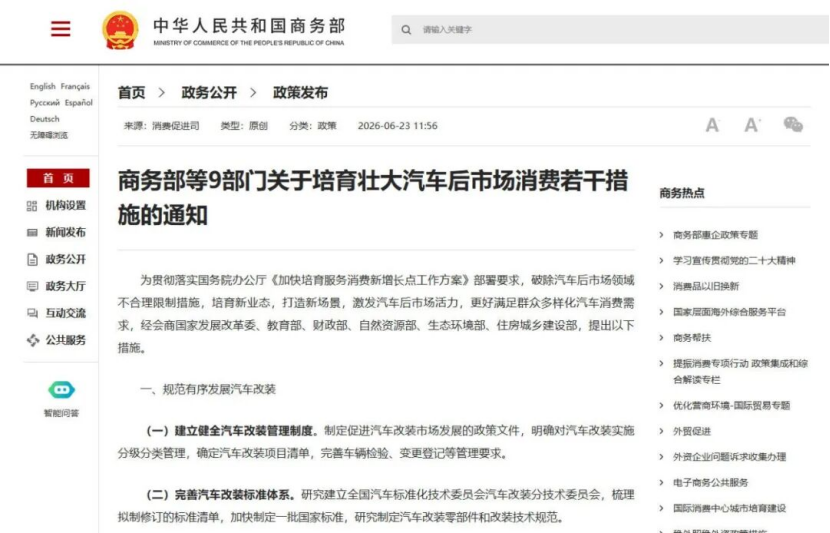
The cultivation of aftermarket consumption represents the area with the greatest incremental potential in this round of policies. The new aftermarket development policy announced by nine departments on the same day as the press conference, along with the list of 40 pilot cities for automobile circulation and consumption reform, marks the transition of the automotive aftermarket from the top-level design phase to the pilot implementation phase. A total of 40 pilot cities were officially announced by eight departments, including the Ministry of Commerce, with each city setting different reform directions based on its industrial characteristics.
For example, Beijing focuses on automobile modification, intelligent connected vehicles, and classic cars; Hangzhou and Shenzhen explore optimizing vehicle purchase restrictions; Baoding focuses on auto racing; Yangzhou emphasizes RV camping; and the Xiong'an New Area innovates car rental models to serve cross-city commuting. The pilots will also explore innovative directions such as bonded modification of automobiles, "bonded + exhibition" models for classic cars, and "vehicle-battery separation" insurance models, implementing graded and categorized management for modifications while optimizing RV road access and campsite facilities.
Compared to the 1.0 version of the policy in 2023, this 2.0 policy covers six major directions: automobile modification, RV camping, classic cars, maintenance and insurance, auto racing, and car rental, with a total of 17 specific measures. It specifically addresses previous pain points in the industry, such as inadequate regulatory systems and incomplete standards. Industry data already reflects the explosive potential of the aftermarket.
Currently, the global automotive aftermarket has surpassed $1 trillion in scale, with the Asia-Pacific region expected to become the largest regional market by 2026. Domestically, the proportion of passenger vehicles with an average age exceeding seven years has surpassed 50%, placing the market in a period of rapid aftermarket growth. The 2026 Shanghai F1 Grand Prix attracted 230,000 spectators, with 16% being international visitors, already demonstrating the driving effect of automotive cultural consumption.
The essence of this series of policies is to drive the shift in automobile consumption from "purchase management" to "usage management." With a national automobile parc of 370 million vehicles, services, culture, and entertainment consumption derived from automobile usage represent the next trillion-dollar growth track. Of course, the cultivation of the aftermarket will not happen overnight; it requires the simultaneous development of standards, talent, and culture, testing the industry's long-term operational capabilities rather than a short-term profit-driven logic.
Overall, the core idea of the series of policies implemented on June 23 is not to rely on strong stimulus measures to drive short-term sales but to eliminate institutional bottlenecks across the entire chain through reform.
To put it bluntly, the growth logic of the new car market has already changed. The incremental dividends from new user adoption are narrowing, and current growth comes more from the iterative demand of stock replacements, combined with transaction efficiency released through process optimization. For automakers, the cost-effectiveness of competing for new users will continue to decline. Providing high-quality trade-in services for existing users and fully understanding replacement cycles will likely become the core of competition in the next phase.
Layout 丨 Yang Shuo Image Sources: State Council Information Office, Ministry of Commerce, Qianku.com
-
![]()
DJI Osmo 360 II In-Depth Review: How Does It Achieve Significant Image Quality Enhancements Without Sensor Changes or Excessive Spec Stacking?
-
![]()
Samsung’s Latest Foldable Phone Skips S Pen Again! Is AI Ushering in the End of Styluses?
-
![]()
Registered Capital Slashed to 372 Million Yuan! Yutong Optical Finalizes Industrial and Commercial Change Registration
-
![]()
Zhuque-3 Successfully Lands, and 'Time Traveler' Secures Another ¥100 Million in Funding: China's Commercial Space Industry Experiences a 'Dynamic August'
-
![]()
Autohome Faces a Shrinking Window of Opportunity
-
![]()
Even a Titan Like Musk Has Faced Setbacks in Fulfilling Promises
-
![]()
AI Office: The End of the Racing Era, Context Becomes the Key to Success
-
![]()
Domestic Vehicle Chassis Revolution ②: The Steering Wheel Remains, But Mechanical Connections in the Steering System Are Decreasing