Is the 'Chili Fish Head' Car, Once a Hit Among Noble Ladies, on Its Way Out?
 08/25 2026
 503
503
Do you remember the 'Chili Fish Head' car that took the internet by storm a few years ago?
The Wuling Hongguang MINIEV, with its vibrant, macaron-inspired color schemes, compact design, and adorable stickers, became a fashion statement for young women, mothers, and affluent ladies in county towns. Its ease of parking, cost-effectiveness, exemption from license plate lotteries, and affordability at just 30,000 yuan made it the ultimate urban commuting choice.
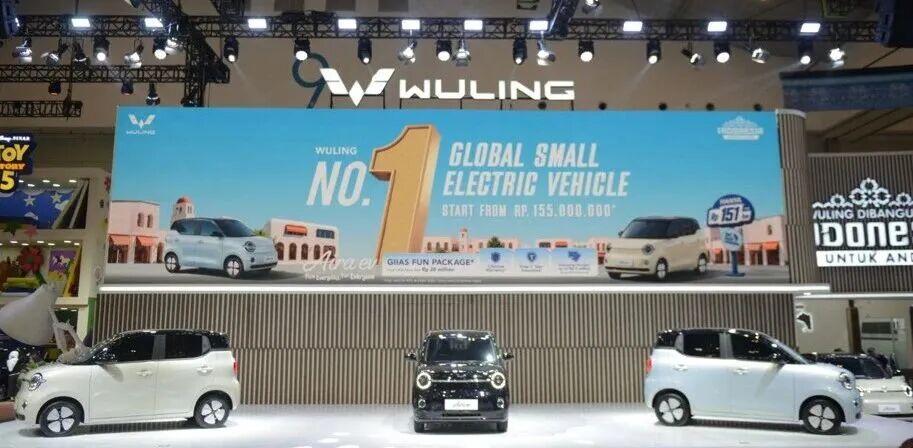 Image Source: Weibo
At its zenith, the MINIEV was unstoppable. With monthly sales ranging from 50,000 to 60,000 units, it consistently outsold the Tesla Model Y, accumulating over 550,000 sales in a year. It rightfully earned the title of the nation's top new energy vehicle.
But times change. No one anticipated the rapid decline of the once-ubiquitous 'Chili Fish Head' in just a few short years.
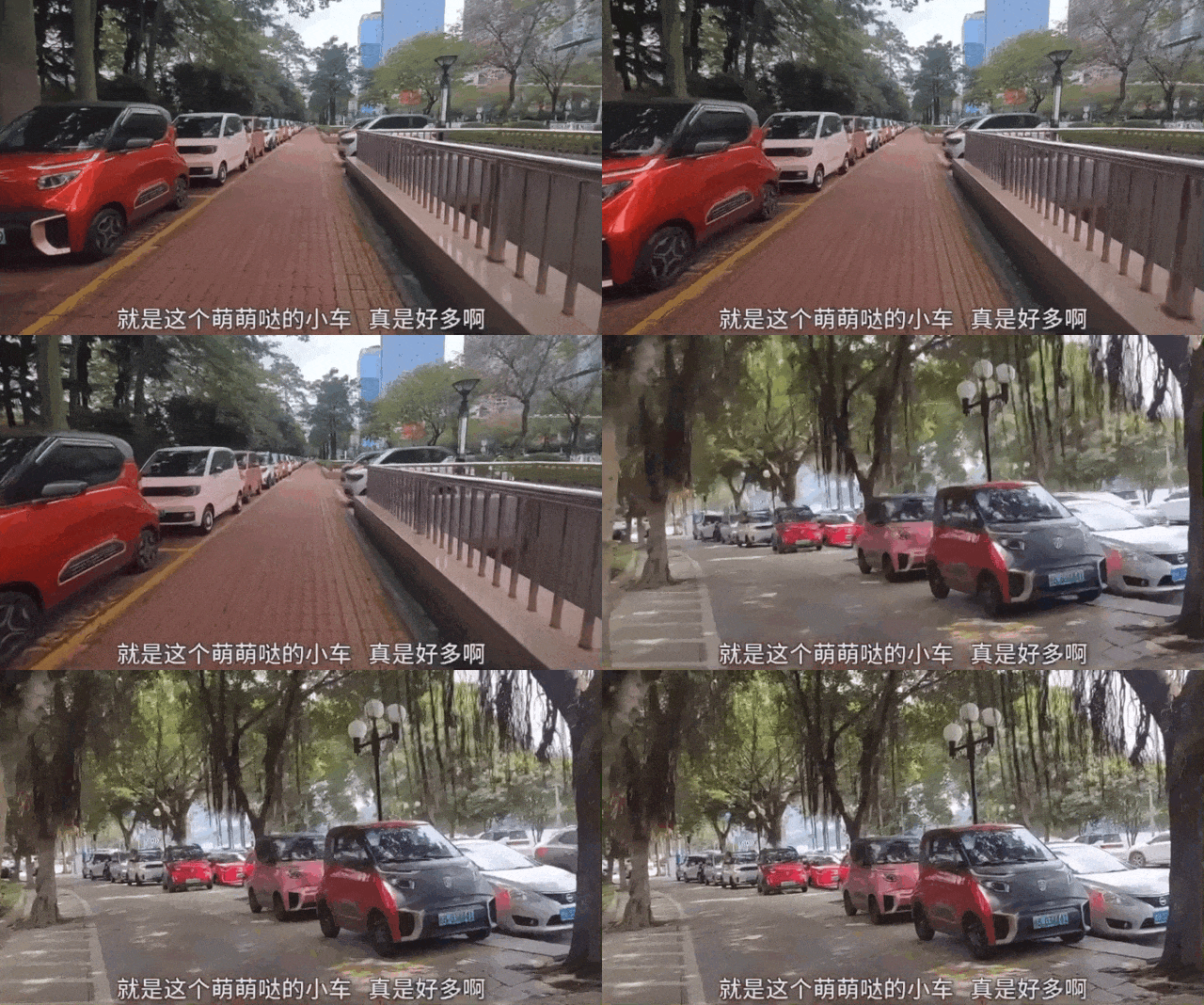 Image Source: Weibo
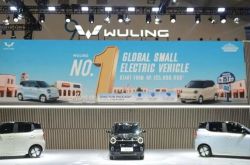
The 2026 Chengdu Auto Show vividly reflected this shift: the venue was dominated by elongated, widened, and heightened large SUVs and flagship MPVs boasting high configurations, intelligence, and luxury. In stark contrast, the Wuling booth, once bustling with crowds eager to check out the MINIEV, now had it relegated to a corner, largely ignored.
The excitement now belongs to larger vehicles. The era of microcars has truly come to an end.
Cold, hard sales figures have shattered the once-celebrated commuting myth.
01 From Top Seller to Sales Halved: Microcars Collectively 'Lie Flat'
The current A00-class microcar market can be described as experiencing a 'cliff-like collapse.'
Latest data from SAIC-Wuling reveals that in the first half of 2026, the Hongguang MINIEV sold only 72,800 units, nearly 100,000 units less than the same period last year, representing a nearly halved sales volume.
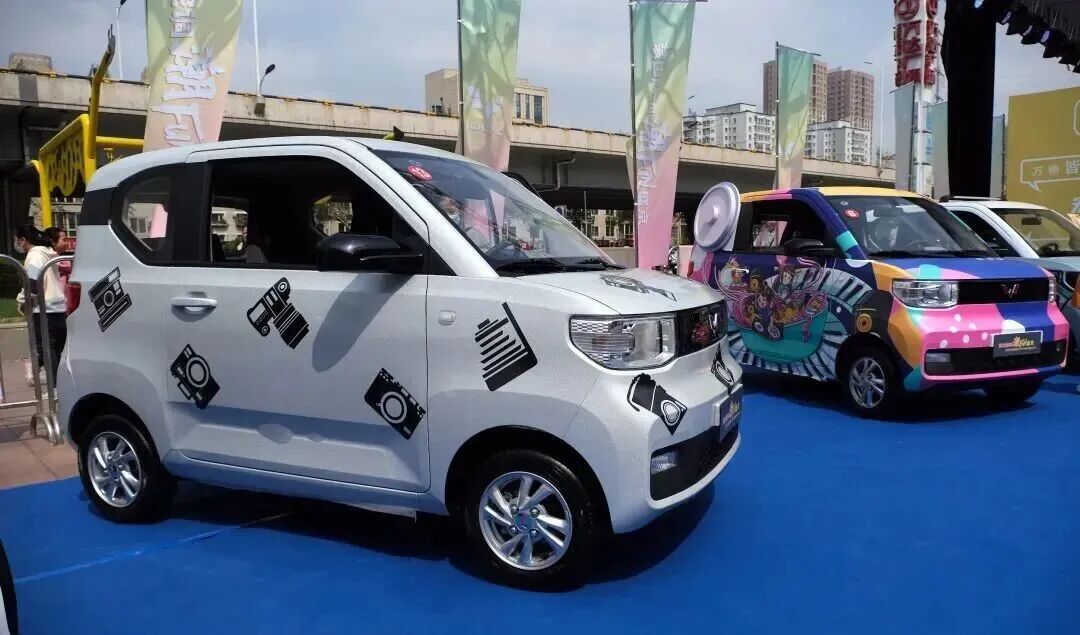 Image Source: Jincuodao Auto Review
The latter half of the year's data is even more dismal. According to the China Passenger Car Association, in the first seven months of 2026, cumulative sales of the MINIEV fell by over 50%; in July alone, only 7,958 units were sold, marking a 70.3% year-on-year drop.
Compared to its peak, the contrast is stark. In the second half of 2025, this car was a sales powerhouse, consistently selling over 50,000 units per month, with 54,000 units sold in September and 61,000 units in October, dominating the market.
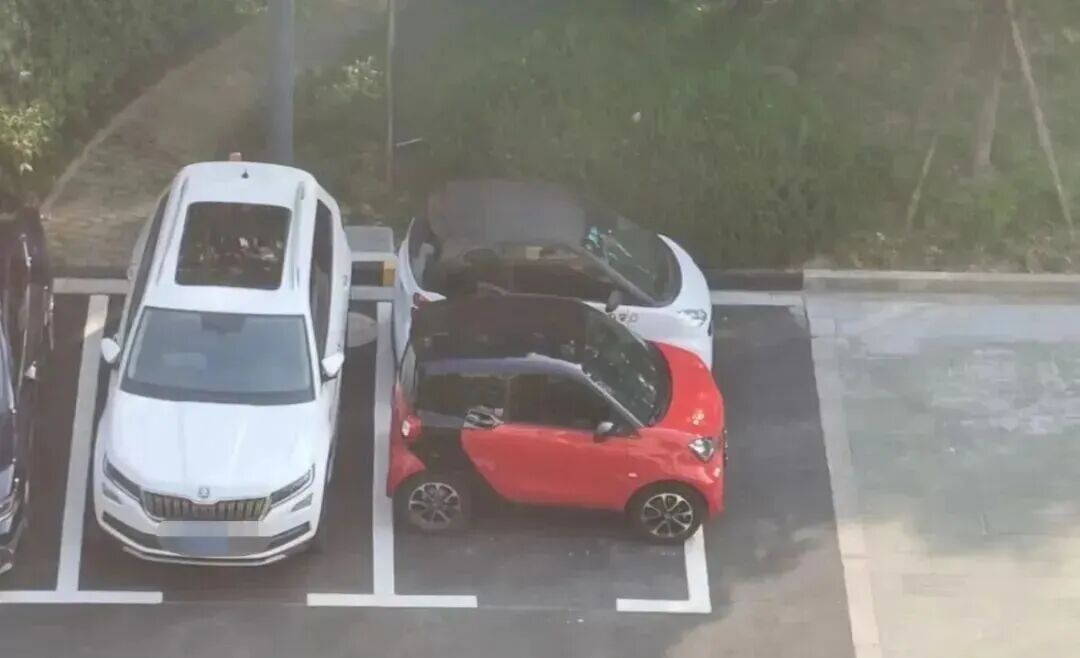 Image Source: Xiaohongshu
In just a year, it fell from a top seller with 60,000 monthly sales to less than 8,000, a precipitous drop from stardom to obscurity.
More disheartening is that it's not just Wuling; all microcars relying on 'low-cost commuting' have suffered.
In the first half of 2026, retail sales of the entire A00-class sedan market were only 240,000 units, a 63% year-on-year drop; the entry-level commuting market for cars under 50,000 yuan directly halved, falling 55% year-on-year.
A host of internet-famous microcars have collapsed: Geely Panda sales plummeted 78.2%, Wuling Binguo fell 79.3%, Changan Lumin dropped to just over 1,000 monthly sales, and Chery Ant sales in some months were less than 200 units, effectively withdrawing from the market.
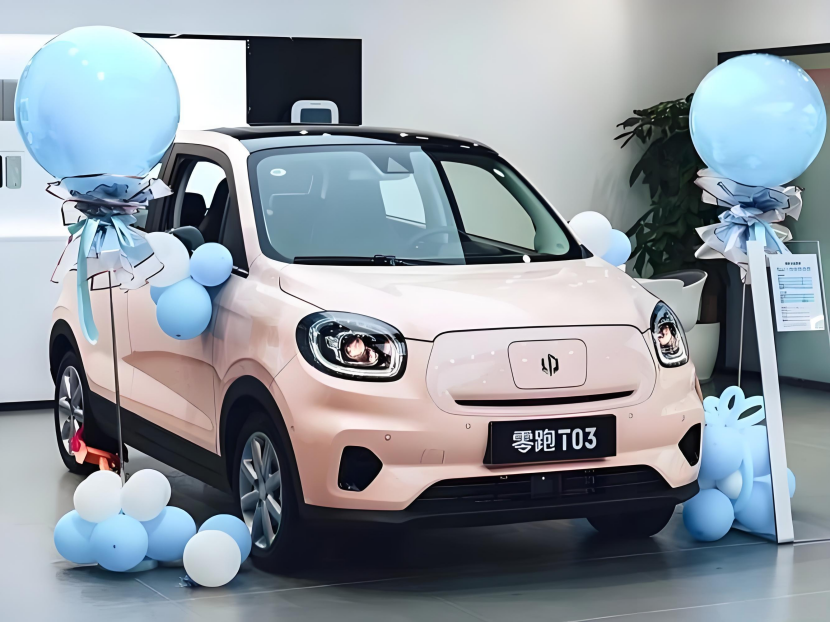 Image Source: Xiaohongshu
On one side, low-end commuting cars are struggling; on the other, high-end new energy vehicles are reaping huge profits. In the first half of this year, sales of high-end new energy vehicles priced over 400,000 yuan surged 46% year-on-year.
The poorer's commuting cars are selling worse, while the rich's luxury cars are selling better. The polarization of the automotive market is now starkly evident.
02 Triple Blow! The 'Chili Fish Head's' Cost-Effectiveness Advantage is Gone
Many wonder: Why has the Wuling MINIEV, small and easy to park, with electricity costs much lower than gasoline, suddenly lost its appeal?
The answer is harsh: Its only trump card—extreme cost-effectiveness—has been thoroughly dismantled.
First, policies have 'precisely cooled down' the market, directly raising the entry barrier.
Starting from January 2026, the full exemption of purchase tax for new energy vehicles has been halved. For luxury cars costing 300,000 to 400,000 yuan, a few thousand yuan in purchase tax is negligible, but for microcars priced at 30,000 to 50,000 yuan, an additional 2,000 yuan is equivalent to a 5% price hike.
At the same time, trade-in subsidy rules have been overhauled, changing from fixed subsidies to those based on car price proportions. For a microcar priced at over 30,000 yuan, subsidies have shrunk by 80%, effectively eliminating the previous major purchasing incentive.
While policies are draining the market, soaring costs have delivered a double blow.
In 2026, the price of lithium carbonate doubled, squeezing microcar profits to the limit. Microcars rely on high-volume, low-margin sales, with profits of just a few thousand yuan per unit. With raw material price hikes, automakers are either selling at a loss or cutting corners to survive.
The harshest blow came in July with the implementation of the strictest battery safety regulations in history.
The new rules overturned the survival logic of microcars: batteries must withstand thermal runaway for 2 hours without catching fire, pass bottom steel ball impact tests, and be equipped with physical power-off switches.
Previously, MINIEV and similar small cars relied on simplifying structures, reducing safety configurations, and streamlining battery systems to cut costs. Now, this path is blocked. Automakers must either invest heavily in upgrades, eliminating profits, or fail to meet standards and withdraw from the market. The 'cost-saving tricks' of low-cost commuting cars are no longer viable.
Finally, and most fatally, peer models are outperforming them. NIO's Li Bin once stated that 'larger vehicles have higher profit margins,' which is why the ES8 and ES9 are popular and profitable.
 Image Source: Weibo
The automotive market is now fiercely competitive. New A0-class models like the Geely Xingyuan and Wuling Binguo Pro are priced as low as 50,000 to 60,000 yuan.
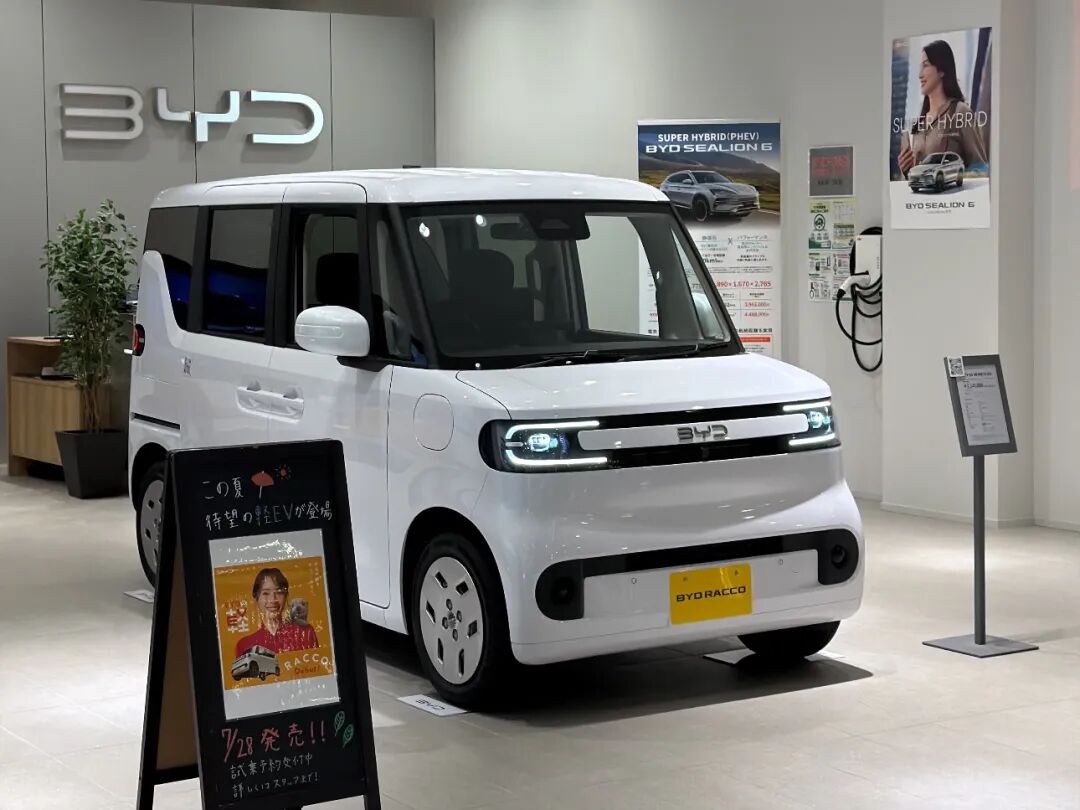 Image Source: Weibo
Consumers only need to spend an additional 10,000 yuan to upgrade from a cramped, short-range, poorly equipped two-door microcar to a spacious five-door family car with fast charging and over 300 km of range.
The math is clear. Saving money leads to a subpar experience, while spending a bit more doubles the enjoyment. Thus, people are abandoning the 'Chili Fish Head' and opting for larger cars.
Data confirms this: sales of new A0-class models surged 15% year-on-year in the first half of this year, with the Geely Xingyuan selling 190,000 units, becoming a sensation.
03 Wuling's Urgent Self-Rescue: Completely Shedding the 'Cheap Label'
Seeing its low-cost market shrink, Wuling has not sat idly by but has taken decisive action: abandoning the 30,000 to 50,000 yuan market and focusing on the 100,000+ yuan mainstream segment.
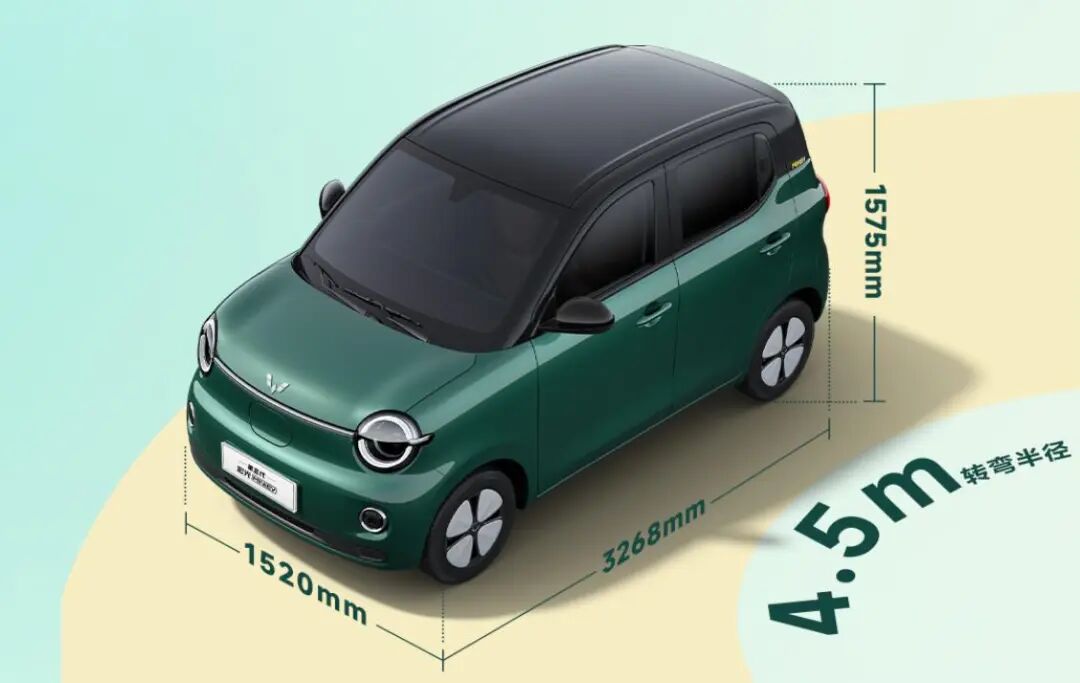 Image Source: Wuling Official Website
This year, Wuling has undergone a complete transformation.
The Starlight L, launched in July, starts at 109,800 yuan. This nearly five-meter-long six-seater SUV focuses on spacious family use and sold over 10,000 units in its first month, firmly establishing itself in the mid-range market.
The Huawei-co-branded Huajing S, delivered in May, is priced between 159,800 and 203,800 yuan, targeting the high-end smart family market and selling over 9,000 units in two months.
The Starlight 730 has been the top-selling MPV under 150,000 yuan for five consecutive months, with cumulative sales exceeding 40,000 units.
Clearly, Wuling is desperately shedding its 'cheap commuting car specialist' label, withdrawing from the low-end microcar segment and going all-in on the mid-to-high-end market.
But this upward breakthrough is no easy feat, with the biggest drawback being low profitability.
Years of making low-cost cars have left Wuling with the lowest profitability in the industry. In 2025, Wuling sold 1.61 million new cars but earned only 1.53 billion yuan in net profit, averaging just 950 yuan per unit.
The gap with peers is staggering: Great Wall Motors earns 7,500 yuan per unit, and Seres earns 11,500 yuan. Others earn as much in one car as Wuling does in a dozen.
Now, investing heavily in architecture, battery, and intelligent driving research, short-term profits are unlikely to rise. The only bright spot is the overseas market, where new energy exports surged 92.1%, but compared to the domestic sales volume in the millions, this increase is insufficient to reverse the overall decline.
04 It's Not That Small Cars Are Out, It's That 'Mediocre Cars' Are No Longer Wanted
Many say that small commuting cars are obsolete. That's not the case.
Chinese people don't just need small cars; they don't need cheap, 'just good enough' utility vehicles anymore.
A few years ago, people bought the MINIEV for its affordability, license plate eligibility, and protection from the elements, solving the 'having a car' problem. But now, consumer expectations have risen.
Cars priced around 100,000 yuan now come standard with large screens, intelligent driving, leather seats, air suspension, and car refrigerators, with configurations pushed to the limit. Consumers' bottom lines have changed: small space, lack of safety, short range, and no intelligence are now deal-breakers.
Moreover, with most domestic households owning only 1-2 cars, one vehicle must handle commuting, child transportation, family use, and short trips. Two-door microcars with cramped rear seats, inconvenient entry/exit, and missing safety features cannot meet family needs.
Previously, young people just starting work would settle for a cheap microcar for commuting; now, they prefer to spend more upfront rather than regret their purchase and upgrade within six months.
Of course, microcars aren't entirely doomed. Demand for short commutes and grocery runs remains, and there's still the replacement dividend from millions of low-speed electric vehicles.
But their survival logic has fundamentally changed: they're no longer mass-market national tools but niche, premium second cars.
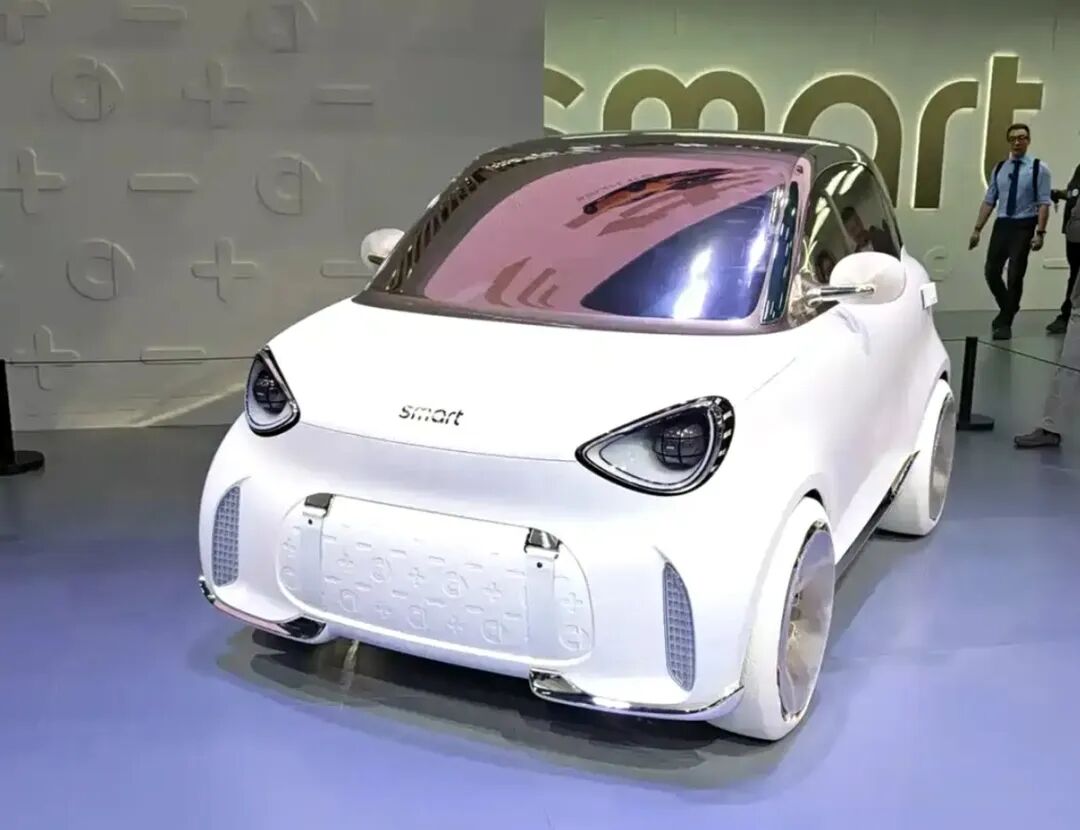
Smart Elf #2 Image Source: Auto Business Community
Take the Smart Elf #2, a two-door, two-seater focusing on light luxury and individuality, targeting families' second commuting car, priced between 150,000 and 200,000 yuan. This reveals the industry truth: for small cars to survive, they must be expensive, niche, and stylish; any attempt to rely on low prices for volume will fail.
Epilogue
From its viral debut in 2020 to its quiet exit in 2026, the Hongguang MINIEV has sold nearly 2 million units in six years, successfully fulfilling its historical mission—popularizing electric commuting cars among the masses and opening up the new energy lower-tier market.
It was many people's first electric car, a trendy accessory for young women, and a symbol of affordable commuting for ordinary people.
But the era never pauses for transitional products. Policy upgrades, cost hikes, consumption upgrades, and market competition have all conspired to ensure that the low-cost, 'just good enough' 'Chili Fish Head' is merely a temporary artifact of the automotive electrification era.
In the future, there will still be exquisite and agile commuting microcars, but never again will there be a national sensation selling 50,000 units per month, dominating the internet, and beloved by all.
The golden age of A00-class cheap microcars is over. The battle for premium and high-end products in the Chinese automotive market has just begun.
Disclaimer: This article is solely a commentary by Zhicaijing and does not constitute any investment advice
-
![]()
Tough Times Are Here: The Auto Industry Is Mired in Immense Pain
-
![]()
Honda Finds Itself 'With No Alternative' but to Battle On for Another Ten Years
-
![]()
Is the 'Chili Fish Head' Car, Once a Hit Among Noble Ladies, on Its Way Out?
-
![]()
DJI Osmo 360 II Review: Impeccable Hardware, Yet Software Still Lags Behind
-
![]()
The 'Dichotomy' in Alibaba's AI Ledger
-
Reinventing the 'Old Guard' with AI: A $12 Billion Venture in Just a Year
-
![]()
Alibaba's Q2 Profit Plummets by 32.6 Billion Yuan, with 67.7 Billion Yuan Earmarked for Capital Expenditures
-
![]()
DJI Osmo 360 II In-Depth Review: How Does It Achieve Significant Image Quality Enhancements Without Sensor Changes or Excessive Spec Stacking?