Tough Times Are Here: The Auto Industry Is Mired in Immense Pain
 08/25 2026
 348
348
The state of the economy is never misleading; all the underwater pressures eventually surface in the cold, official data.
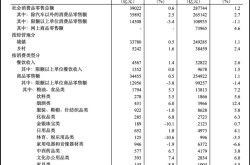
On August 17, the National Bureau of Statistics released the July retail sales data, starkly revealing the true state of current big-ticket consumption. Among the 16 major consumer categories, only communications equipment saw a significant surge of 20.4%, becoming the sole bright spot in the market. The rest of the big-ticket consumption categories collectively weakened, with building and decoration materials falling by 14.2%, sports and entertainment products by 10.6%, and gold, silver, and jewelry by 10.1%. The automobile industry suffered the most severe decline among them.
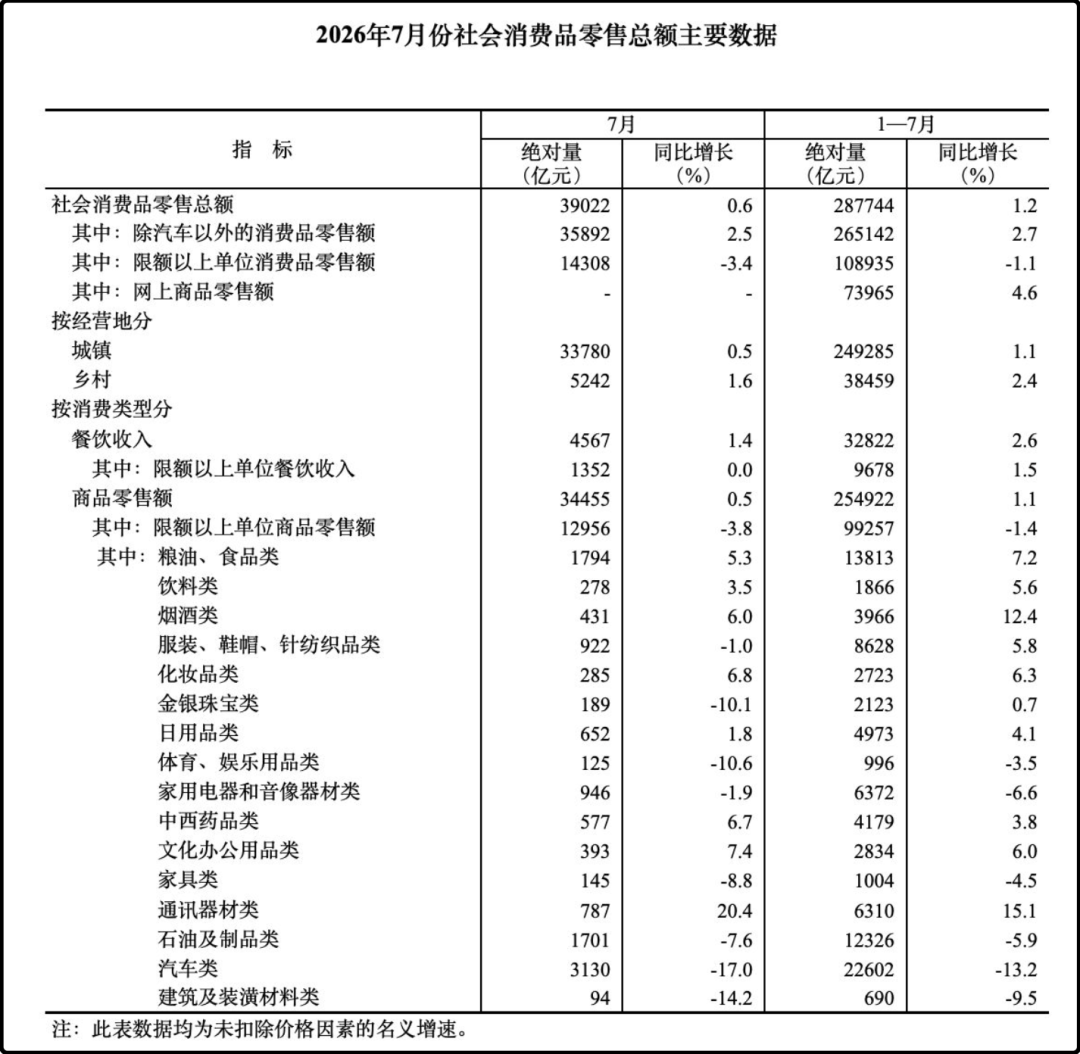 Image Source: Sina Finance
In July, domestic retail sales of automobiles plummeted by 17% year-on-year, ranking highest among all consumer categories in terms of decline. Many in the market still hoped for a rebound during the off-season, but the data proves that short-term fluctuations are merely superficial; a multi-year structural reshuffling of the industry has already begun. The tough times for the automobile industry are just getting started.
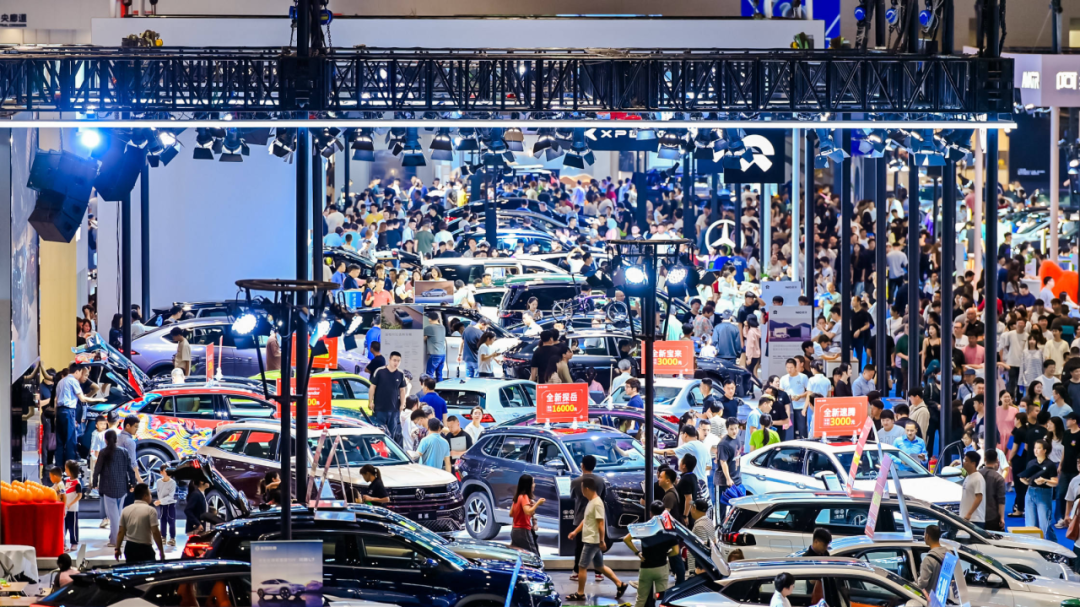 Image Source: Weibo
01 Declining Sales and Prices: The Industry Is Trapped in an Irreversible Bleeding Cycle
A single month's sharp decline is insufficient to define a trend, but the continuous downturn throughout 2025 has completely shattered hopes of a recovery. From January to July, cumulative domestic retail sales of automobiles reached 2.26 trillion yuan, a significant drop of 13.2% year-on-year, leading the decline across all categories. Data from the China Passenger Car Association shows that in July, retail sales of passenger vehicles fell by 20.9% year-on-year and 8.8% month-on-month, with both production and sales weakening simultaneously.
Translated into intuitive (intuitive) data, passenger vehicle sales in the first half of the year were 2.25 million units lower than the previous year, with a daily loss of 12,000 Car purchase needs (vehicle purchase demands). The market foundation has substantially contracted. Even more fatal than the sales slump is the relentless price competition that has persisted for two years, pushing the industry into a deadly bleeding cycle.
The nationwide price war that began in 2024 continues unabated. From January to May this year, 77 mainstream models saw price reductions, with an average drop of 13.1%. Family cars and luxury vehicles have all offered substantial discounts. Curiously, the traditional logic of "lowering prices to boost sales" has completely failed, trapping the industry in a negative feedback loop: the more prices drop, the more consumers hesitate, leading to lower sales and forcing automakers to cut prices further.
Regarding this ineffective competition, Li Shufu, Chairman of Geely, bluntly stated that low-end price wars are meaningless and that the industry must shift from competing on price to competing on technology, quality, and brand. However, most smaller automakers, facing survival crises, have no choice but to passively engage in this race to the bottom.
Under this vicious cycle, industry profits have completely collapsed. From January to May, the automobile industry's sales profit margin was only 3.4%, far below the manufacturing sector's average of 6.1%. The profit margin for vehicle manufacturing was a mere 1.5%, less than one-third of what it was three years ago. Lei Jun of Xiaomi admitted that "every vehicle sold results in a loss of 60,000 yuan," a common scenario in the industry where high sales volumes come with negligible profits, a widespread dilemma of scale without substance.
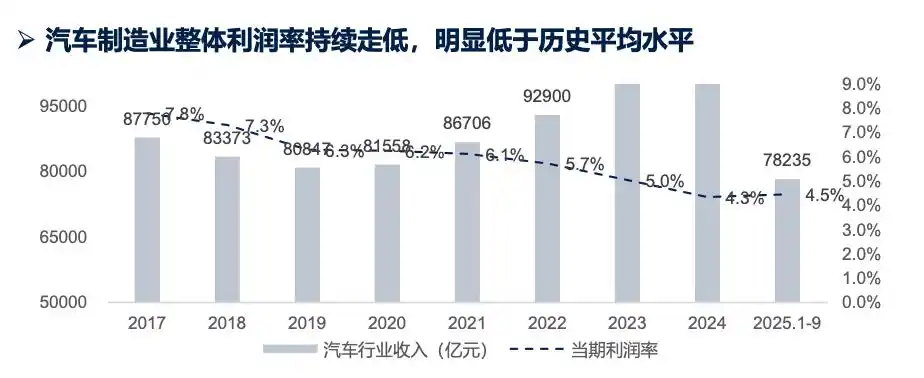 Image Source: Sina Auto
The pressure on terminal distribution channels is nearing its limit. As of May, the national inventory of passenger vehicles stood at 3.48 million units, with a turnover period of 66 days. The inventory coefficient far exceeds the safety line of 1.5, and the inventory warning index has remained above the threshold for 47 consecutive months. A massive backlog of new vehicles at dealerships generates high daily interest, depreciation, and operational costs. Dealers are no longer operating normally but are racing against a potential cash flow crisis.
02 Three Major Structural Issues Locking the Industry into a Downward Trend
The off-season, oil prices, and demand depletion are merely superficial excuses. The real factors dragging down the automotive market are three deeply entrenched structural contradictions that are short-term insoluble and will continue to ferment long-term, completely locking out any industry recovery.
First, severe overcapacity ensures that price wars will never end. The total designed production capacity for domestic vehicles has surpassed 40 million units, while domestic demand is expected to reach only 22 million units in 2026, resulting in a capacity utilization rate of less than 60%, with nearly half of the capacity idle. More absurdly, despite this overcapacity, new cross-industry players, automaker sub-brands, and resurrected marginal automakers continue to expand, exacerbating the supply-demand imbalance.

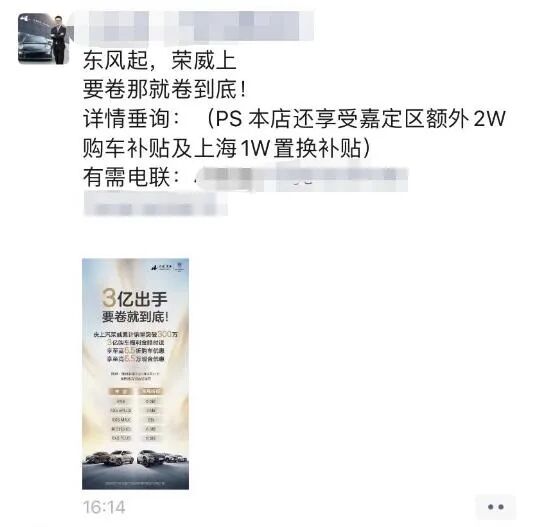
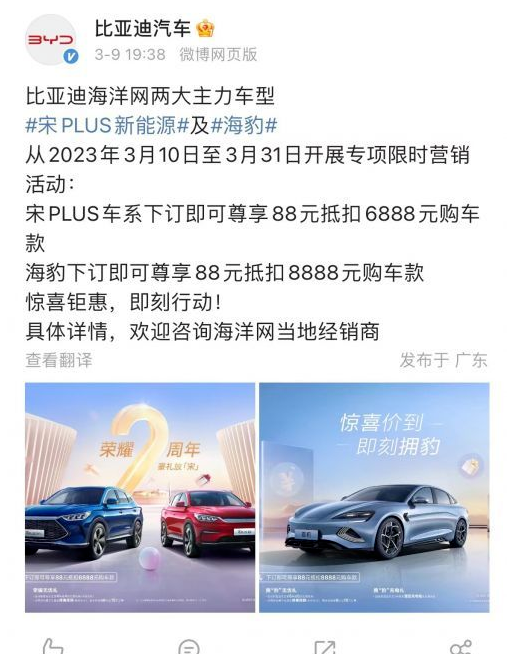 Image Source: Weibo
Overcapacity inevitably leads to endless price bloodshed. In the first half of this year, revenue in the automobile manufacturing sector increased by a mere 1.8%, while profits plummeted by 20%. When price cuts become the only competitive tool, the industry bids farewell to high-quality development and descends into inefficient internal friction.
Second, the transition from old to new growth drivers has left the industry in a painful phase of discontinuity. The speed of new energy vehicle (NEV) adoption has far exceeded industry predictions, with a penetration rate as high as 65.1% in July, rapidly squeezing the fuel-powered vehicle (internal combustion engine vehicle) market. However, the industry has not seen positive growth; instead, a growth vacuum has emerged: the collapse of the internal combustion engine vehicle market has not been offset by the growth of NEVs, leading many consumers to adopt a wait-and-see attitude due to rapid technological advancements and volatile vehicle prices.
The NEV sector has also become a red ocean, with rigidly rising research and development (R&D) and supply chain costs, coupled with relentless terminal price competition, placing dual pressure on automakers. Li Bin of NIO is deeply aware of this, noting that smart vehicles are entering a period of exponential technological iteration, with continuous hardware and software updates significantly shortening the R&D amortization period. All automakers are sprinting to survive, with cost pressures multiplying and losses becoming the norm.
Third, declining confidence in big-ticket consumption has led to a contraction in household spending. Real estate and automobiles are the two core big-ticket consumption items for households, best reflecting consumer income expectations. The simultaneous collapse of automobile and home decoration data reflects a straightforward logic: consumers are becoming cautious about their future income, reluctant to spend large sums while continuing with smaller expenditures. Necessities like digital products costing a few thousand yuan remain unaffected, but vehicle purchases costing tens or hundreds of thousands yuan are being postponed by the majority. With frequent new vehicle iterations, declining resale values, and normalized price cuts, over 60% of consumers refuse to make impulsive purchases, with a wait-and-see attitude becoming the market consensus.
03 The Withdrawal of Policy Dividends: 2026 Ushers in a Major Industry Downturn
There is a consensus within the industry: 2025 will be the best year for the next few years, with the real elimination round beginning in 2026. He Xiaopeng of XPeng Motors bluntly predicts that next year's automotive market competition will be even more brutal and bloody, marking the end of the industry's wild growth era and the full commencement of a life-and-death struggle.
Over the past few years, the automotive market has been propped up by three layers of policy dividends: full exemption of NEV purchase taxes, trade-in programs, and local vehicle purchase subsidies. However, the policy safety net has now significantly contracted. Starting in 2026, the NEV purchase tax will be halved, marking the end of a decade-long dividend (dividend).
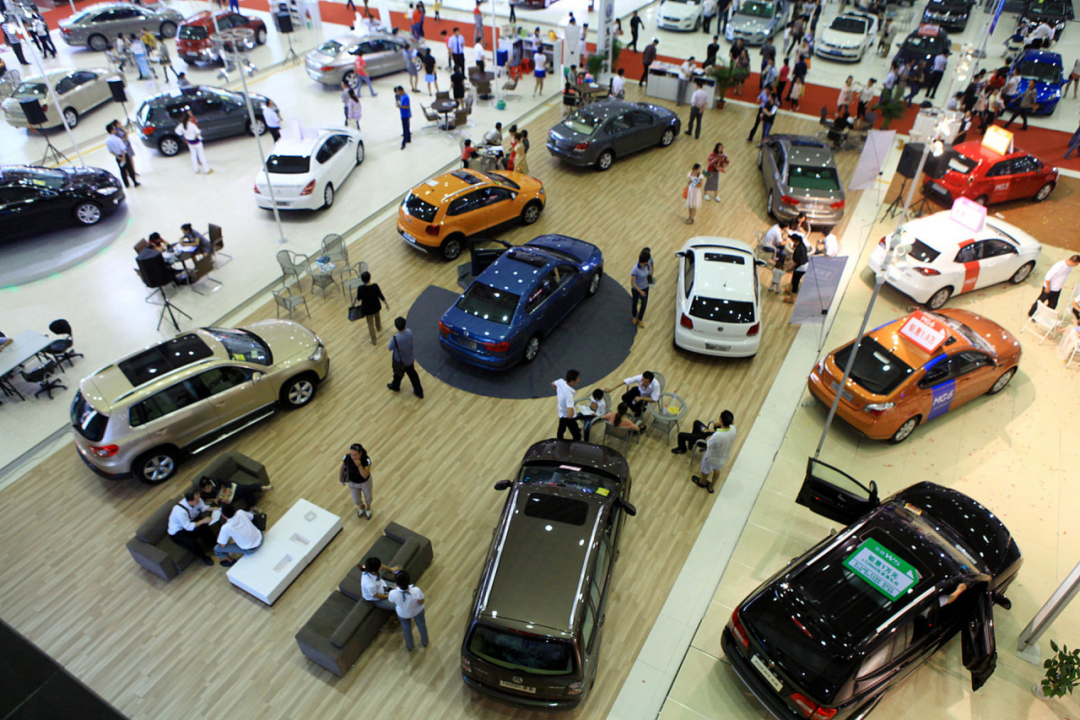 Image Source: Weibo
The industry had initially expected a year-end surge in purchase tax-driven sales, but this ultimately failed to materialize. With local subsidies tightened, trade-in dividends fading, and market confidence low, 80% of dealers report that the year-end market fell far short of expectations. Li Bin analyzes that most automakers misjudged the fourth-quarter market, severely underestimating the impact of policy withdrawals. Small and medium-sized automakers without existing orders will face direct survival crises.
To preserve cash flow and stay in the game, over 20 automakers, including NIO, Zeekr, and Xiaomi, have introduced purchase tax protection policies. Tesla has increased low-interest and insurance subsidies, sparking a year-end price war focused on volume rather than profit, aiming to secure existing orders and build resilience for next year's downturn.
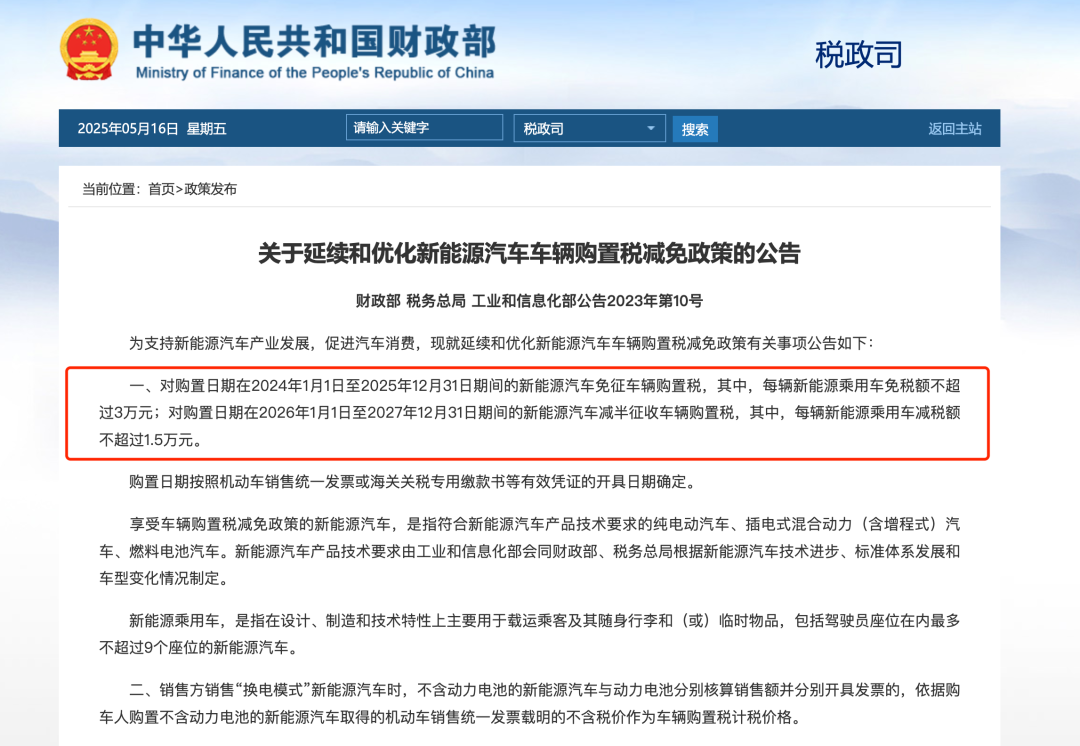 Image Source: Ministry of Industry and Information Technology
The industry had anticipated the pain of policy transitions. Zhu Huarong of Changan Automobile had previously suggested implementing a Step wise incremental increase (gradual increase) in purchase taxes to avoid a cliff-like market decline. However, with policy implementation now set, the industry has lost its buffer zone. Year-end performance reports reflect a downturn, with XPeng and NIO achieving less than 60% of their annual targets, BYD facing immense year-end pressure, and mainstream automakers collectively under strain.
04 Three Ultimate Challenges: Industrial Reshuffling Is Inevitable
The current industry downturn is not a traditional cyclical fluctuation but a structural and systemic industrial transformation. Economic recovery alone cannot save outdated production capacities. Over the next three to five years, three major challenges will fundamentally reshape the industry landscape.
First, accelerated capacity reduction will see the exit of numerous small and medium-sized brands. With over a hundred domestic automakers facing severe overcapacity, the future industry will be highly concentrated, retaining only a dozen leading companies with core technologies and scale advantages. Small and medium-sized automakers lacking technology and scale, relying on external support to survive, will be eliminated. The trend of dealership closures, mergers, and transitions will also intensify.
Second, the export dividend has peaked, with overseas barriers continuously rising. Automobile exports surged by 60% in the first seven months of this year, becoming the last pillar of growth for automakers. However, the domestic price competition has spread overseas, compounded by escalating trade protection policies in Europe, the United States, and Southeast Asia. Export growth will quickly decline to single digits, eroding automakers' last line of defense.
Third, accelerated technological iteration will intensify the Matthew effect. Current automotive market competition has shifted from price battles to hardcore technological duels. Technologies such as intelligent driving, high-voltage platforms, and solid-state batteries require billions in R&D investment. Leading automakers continue to iterate and lead, while smaller players, unable to keep up, fall behind. He Xiaopeng summarizes that the second half of the industry's competition will be a technological battle, with automakers lacking core technologies ultimately being eliminated.
Meanwhile, industry profits continue to concentrate upstream, with battery and intelligent technology core suppliers becoming the biggest winners. Pure assembly and contract manufacturing automakers see their profits continuously squeezed, reducing them to the bottom of the industrial chain.
05 The End of an Era: Reshuffling Is an Essential Rite of Passage for the Industry
The golden era of the automotive industry, characterized by blockbuster models, production expansion, and policy-driven success, has definitively ended. The old model of extensive expansion has reached its limits. In the future, the industry will have no shortcuts or safety nets; only hardcore strength can navigate through cycles.
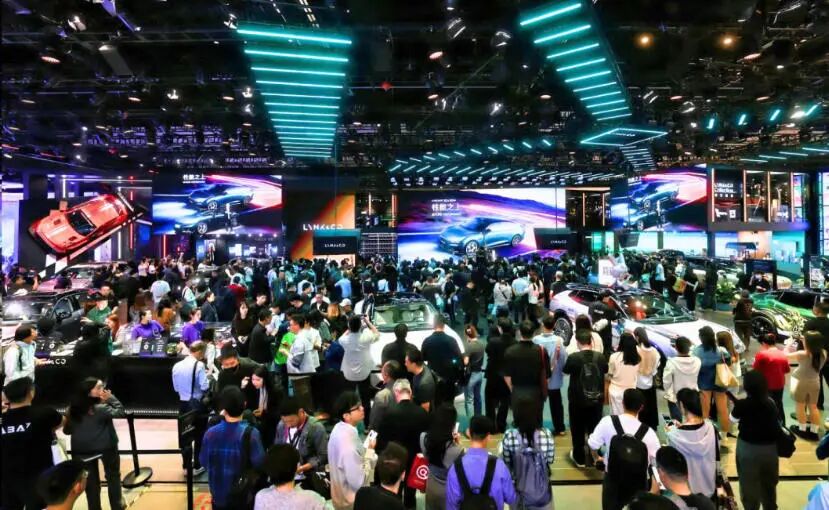
Image Source: Weibo
For automakers, it is essential to abandon the false prosperity of sales volumes, prioritize cash flow over market share, focus on survival over scale, strictly control costs, concentrate on core technologies, and abandon ineffective internal competition. For dealers, the old path of relying on rebates and margins from internal combustion engine vehicles is no longer viable; they must reconstruct NEV service models and actively transform to break free from the mold. For consumers, a rational wait-and-see attitude is advisable, but there is no need to ultimate (extremely) wait for the lowest prices. After capacity reduction leads to supply contraction, vehicle prices will eventually stabilize, making purchasing based on need the optimal strategy.
This round of industry adjustment is not a crisis but a necessary rite of passage for China's automotive industry. Zhu Huarong states that the industry must eliminate low-end competition, integrate outdated production capacities, and achieve high-quality upgrades through reshuffling. Over the past few decades, China's automotive industry has achieved a scale breakthrough from 0 to 1. This downturn will force the industry to complete a qualitative transformation from large to strong.
As the tide recedes, the true players emerge; after the winter's trials, only the strong survive. This inevitable industry pain will ultimately reshape the industry's core competitiveness. Those who endure the winter and navigate through cycles will truly grasp the future of China's automotive industry.
Disclaimer: This article is solely a commentary by Smart Finance and does not constitute any investment advice. The enterprise data and regulatory events mentioned herein are derived from publicly available information and are for reference only, subject to official releases. Image sources are from the internet; if there are copyright issues, please contact us for removal.
Hit "Like," "Share," and "Favorite" in one click!
Welcome to leave your thoughts in the comments section!
Daily insights into intelligent technology and finance await you!
-
Several Judgments on the Development Trends of AI Data Centers
-
![]()
Tough Times Are Here: The Auto Industry Is Mired in Immense Pain
-
![]()
Honda Finds Itself 'With No Alternative' but to Battle On for Another Ten Years
-
![]()
Is the 'Chili Fish Head' Car, Once a Hit Among Noble Ladies, on Its Way Out?
-
![]()
DJI Osmo 360 II Review: Impeccable Hardware, Yet Software Still Lags Behind
-
![]()
The 'Dichotomy' in Alibaba's AI Ledger
-
Reinventing the 'Old Guard' with AI: A $12 Billion Venture in Just a Year
-
![]()
Alibaba's Q2 Profit Plummets by 32.6 Billion Yuan, with 67.7 Billion Yuan Earmarked for Capital Expenditures