Honda Finds Itself 'With No Alternative' but to Battle On for Another Ten Years
 08/25 2026
 554
554
Honda's current predicament aptly mirrors the collective challenges faced by joint-venture automakers: swiftly renewing contracts to secure a foothold in China's long-term market, while humbly prioritizing self-preservation efforts to safeguard their core positions.
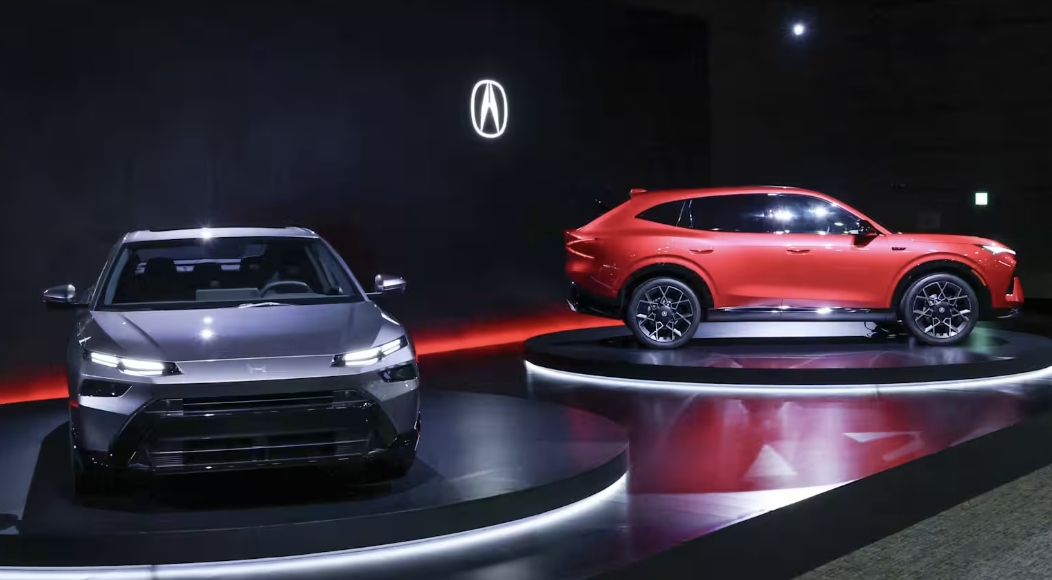 Image Source: AutoHome
In early August, a strategic communication meeting held by GAC Honda unveiled a notable move: GAC Honda's sales channels were officially integrated into the comprehensive stores of GAC Trumpchi and Aion, with the three brands sharing a unified sales and service system to focus on third- and fourth-tier cities as well as county-level and other lower-tier markets.
This seemingly innovative channel strategy is a product of necessity. Just half a month prior to the communication meeting, Honda had renewed its significant contract with GAC, extending their partnership until 2038—a commitment spanning 12 years. While high-profile announcements emphasized Honda's dedication to the Chinese market, the reality of having to squeeze into domestic brand stores to attract customers starkly contrasts with the lofty rhetoric.
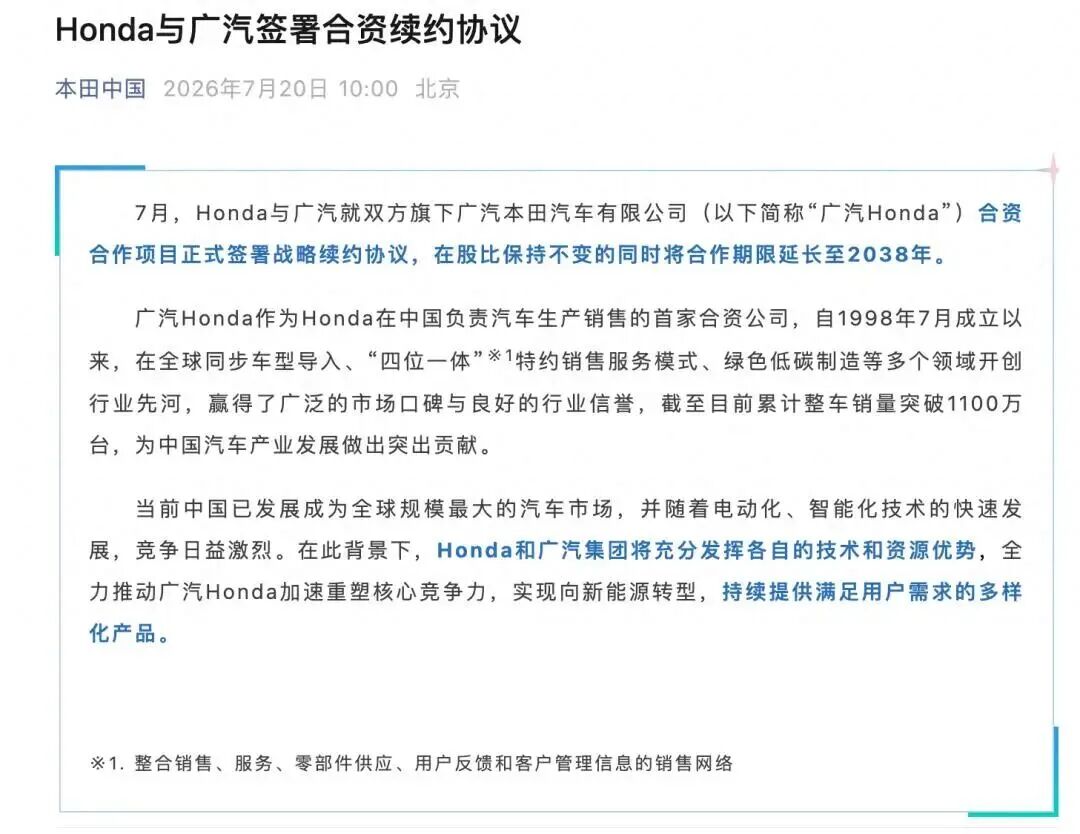 Image Source: Honda China Official Account
The renewal announcement serves more as a facade, as high inventory levels and plummeting sales reveal the true extent of Honda's predicament. In April of this year, GAC Honda's inventory index reached 6.53, indicating that it would take six and a half months to clear their stock. Despite the contract renewal, Honda's core challenge has shifted from merely staying in China to the more pressing question of how to sell its cars.
01 Sales Nearly Halved in Five Years: Honda Records First Loss in 69 Years
2020 marked Honda's zenith in China, with annual sales reaching 1.627 million units. Popular models such as the Accord, Breeze, and Odyssey thrived, solidifying Honda's position as a premier joint-venture brand and a benchmark for family vehicles in China.
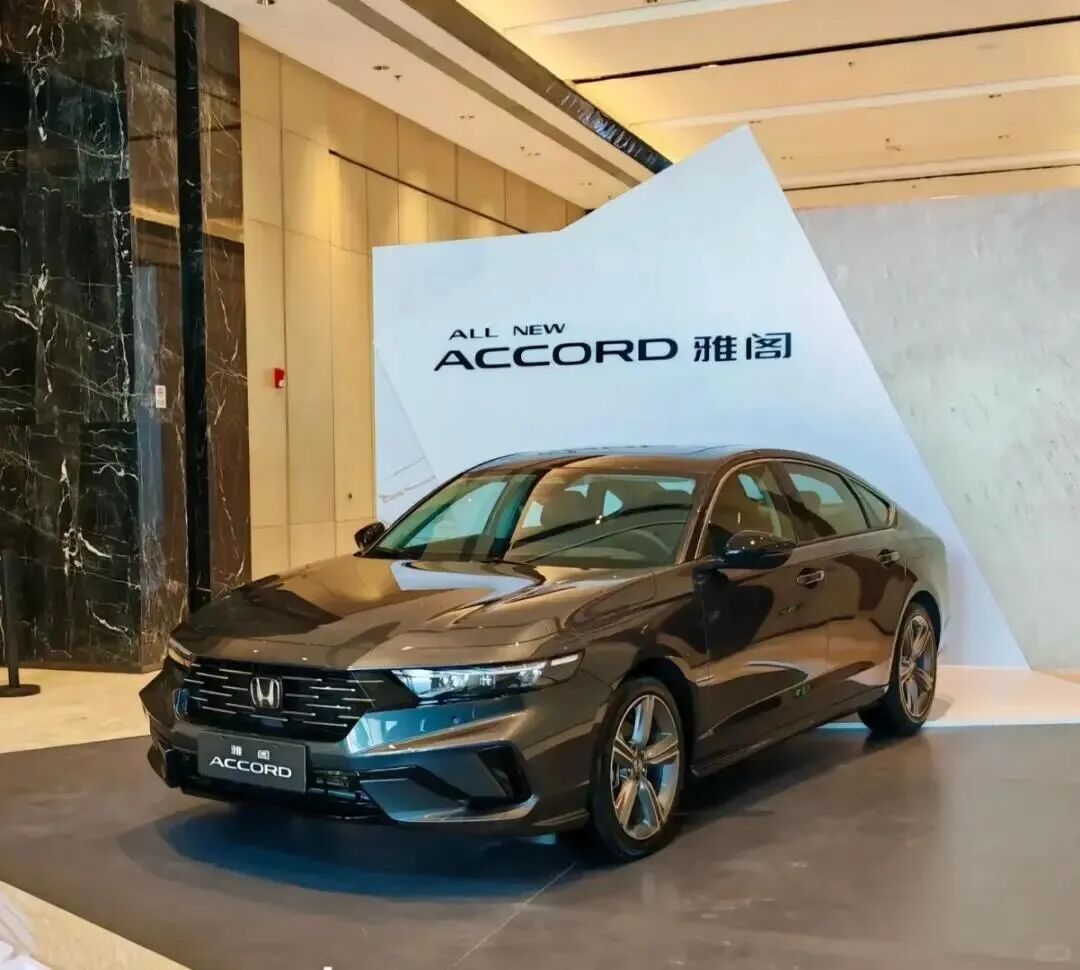
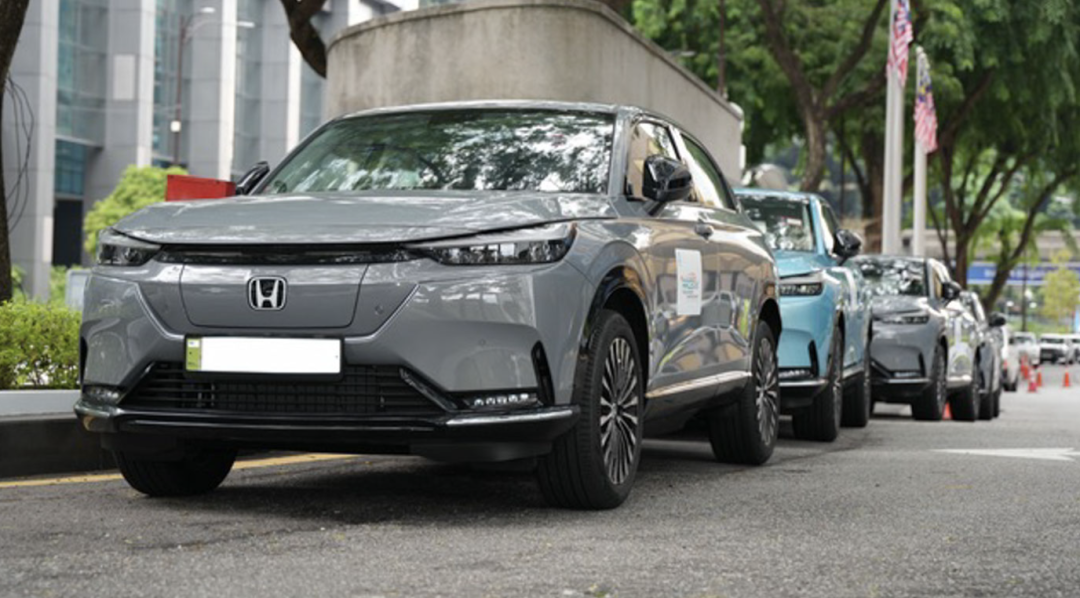 Image Source: Weibo
This represented the peak of Honda's sales, followed by five years of continuous decline with no signs of recovery. By 2025, annual sales had plummeted to just 645,300 units—a loss of nearly one million units in five years. The downturn spiraled out of control in 2026, with first-half sales in China plummeting by 34.7% year-on-year. GAC Honda sold only 68,300 units, a decline exceeding 55%, effectively wiping out more than half of its market share.
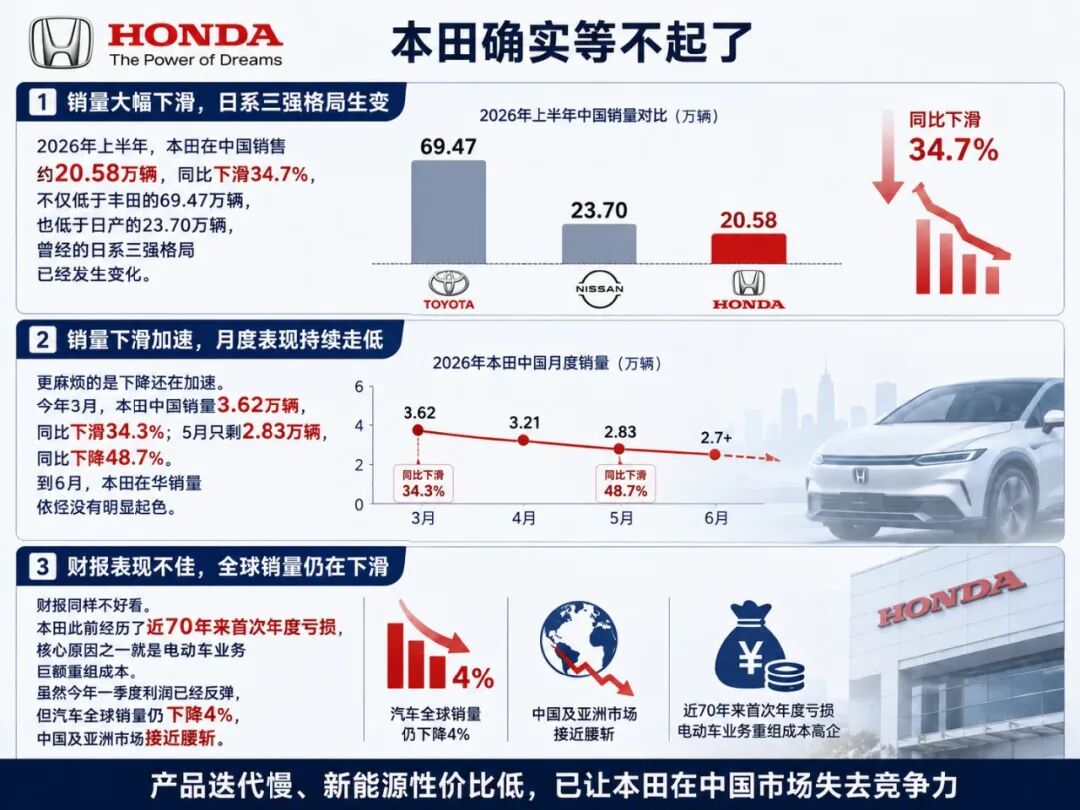 Image Source: Sina Auto
The chill extended to dealerships as well. In the first quarter of this year, GAC Honda stores averaged 37.2 monthly sales, which dropped to 27.1 in April. Under the weight of high operating costs, such meager sales volumes made profitability impossible, leading to a wave of closures. From January to April 2025, GAC Honda's dealership network shrank from 995 to 865 outlets, with nearly 80 dealers exiting the market.
Beyond the sales collapse, Honda faced its worst-ever financial crisis. In fiscal 2025, the company reported its first annual net loss in 69 years, amounting to ¥423.9 billion (approximately US$2.8 billion).
The primary cause of this massive loss was Honda's failed aggressive electrification strategy. Honda had invested ¥10 trillion in establishing a full pure-EV supply chain, aiming to halt sales of gasoline vehicles by 2040. However, the North American market cooled, compounded by U.S. tariffs that alone dragged profits down by ¥346.9 billion, rendering the strategy unviable.
To quickly stop the bleeding, Honda took drastic measures: halting pure-EV development in North America, freezing an ¥11 billion battery plant in Canada, and terminating its electric vehicle partnership with Sony. These moves triggered massive asset impairments, totaling ¥1.58 trillion (approximately US$10.7 billion) in fiscal 2025, crippling group performance.
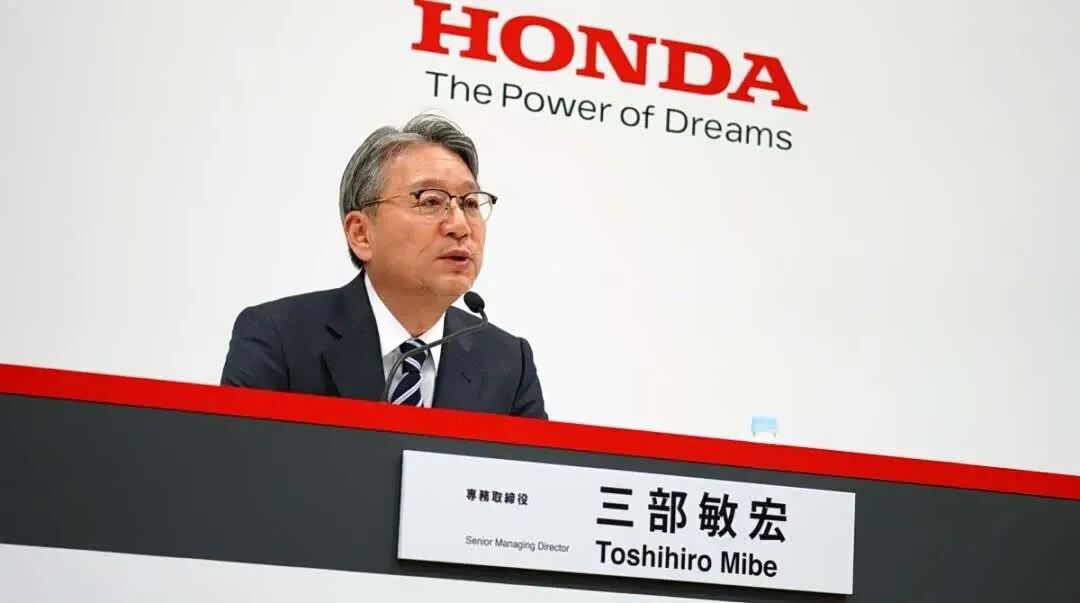 Image Source: Weibo
The loss sparked internal turmoil, with retired executives demanding CEO Toshihiro Mibe's resignation, blaming his four-year neglect of the Chinese market for Honda's market share collapse from 8% to below 3%. Ultimately, the board only cut his salary by 30% while retaining his position.
After inspecting China's supply chain firsthand, Mibe finally faced reality: Honda could not compete with China's mature automotive ecosystem in terms of cost and efficiency. Honda urgently revised its strategy, withdrawing the 2040 gasoline ban, abandoning its pure-EV focus, and repositioning hybrid models as its core business.
The confidence for this strategic shift came from Honda's stable-profit motorcycle business. In the previous fiscal quarter, motorcycles delivered a 20.5% profit margin, compared to just 5% for automotive operations. Honda now relies entirely on motorcycles and hybrids to sustain its automotive business.
For the Chinese market, Honda abandoned its arrogance and made crucial concessions: transferring product definition and local R&D rights—controlled by Japan for decades—to its two joint ventures. By 2027, GAC Honda will launch three all-new models, including China-exclusive new energy vehicles featuring Huawei's HarmonyOS cockpit and Momenta's intelligent driving system. Dongfeng Honda will build a new MPV based on the Voyah platform, pursuing full localization.
This localized co-creation model has already succeeded for GAC Toyota, whose bZ3X model sold over 70,000 units annually with stable monthly sales exceeding 10,000, becoming a joint-venture EV hit. Whether Honda can replicate this success remains uncertain, but its 2027 localized models represent its last chance for a turnaround.
02 Contract Renewal Until 2038: Not Confidence, But Desperation
In July, Honda and GAC officially renewed their contract until 2038, maintaining a 50:50 equity split. While seen externally as a commitment to China, it was ultimately a desperate move to sustain operations.
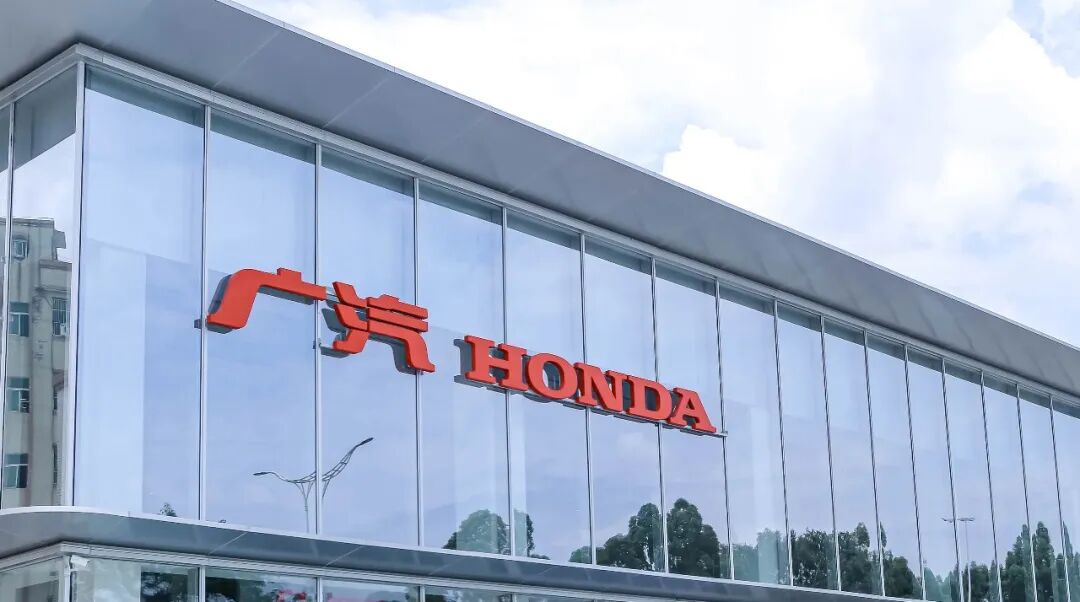 Image Source: AutoHome
The renewal was preceded by strategic groundwork. In late 2025, GAC Honda acquired Dongfeng Honda's engine company for ¥1.172 billion while injecting US$326 million to strengthen assets and consolidate the supply chain. These moves proved Honda dared not leave China.
GAC Honda, a near-30-year joint venture with cumulative sales exceeding 11 million units, was once a benchmark. However, sales collapsed after 2021, plunging 55.82% year-on-year in the first half of 2026. Flagship models saw sales halved, while the pure-EV e:N series sold fewer than 1,000 units monthly, fading from the mainstream.
This reflects a broader collapse of joint-venture brands. In 2020, joint ventures held 61.6% market share, but by mid-2026, domestic brands surged to 71.8%, squeezing joint ventures to 28.2% (dipping below 25% in June). Honda's persistence stems from its inability to exit.
Two core reasons explain this: first, Honda's hybrid and family models retain residual reputation, allowing it to capture remaining market share; second, China controls 70% of global battery production and 65% of drive motor capacity, while offering a top-tier smart EV ecosystem. Without China's supply chain, Honda would lose product and cost advantages entirely.
03 50:50 Equity Stalemate: A Frustrating Mutual Dependency
After equity restrictions were lifted, BMW and Volkswagen increased their stakes, but Honda clung to a 50:50 split—a seemingly equal but actually constraining arrangement.
For Honda, China remains its global profit powerhouse, crucial during its loss-making transition. While Japan guards core technologies, it desperately relies on Chinese resources to address its electrification shortcomings (e.g., crude 'oil-to-electric' conversions).
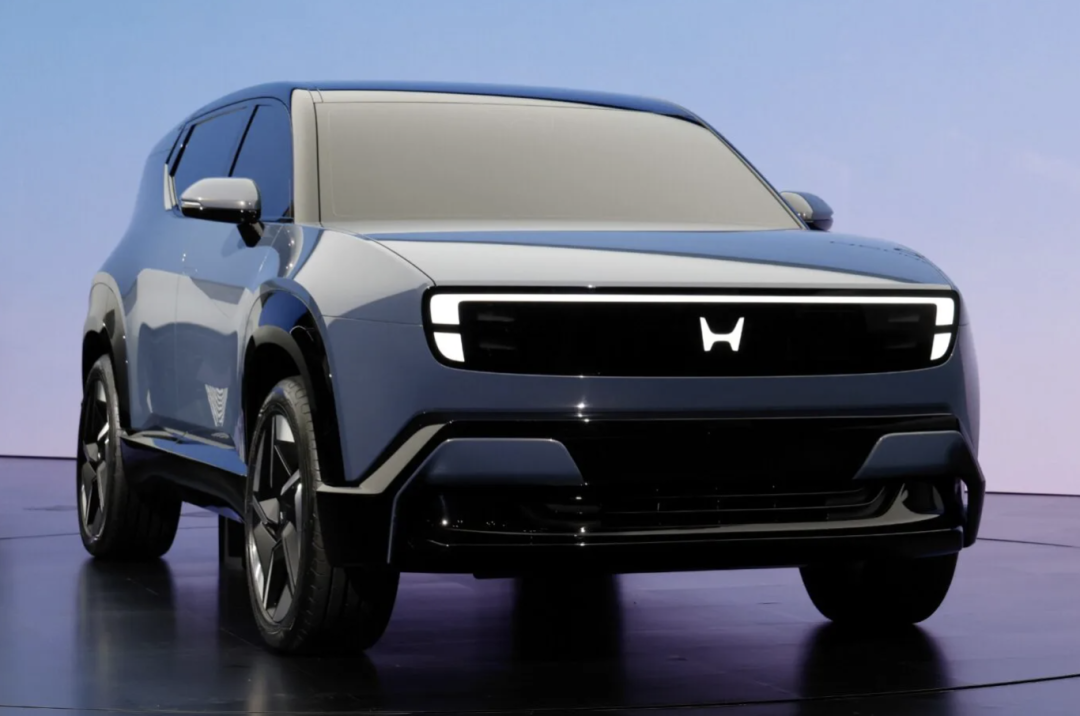 Image Source: Weibo
Both sides mutually restrict each other, stalling progress. While the industry has entered a 'Joint Venture 3.0' era of technological co-creation, Honda remains stuck in the outdated 'Japan provides technology, China handles production/supply/sales' 1.0 model, lagging far behind in transition.
04 Global Strategy Overhaul: China Defines Products, India Handles Engineering
Just 17 days after renewing its China contract, Honda made another bold move: outsourcing full vehicle engineering to India's Tata Technologies, covering all powertrain R&D and restructuring its global R&D system.
Honda's new global layout emerged: China defines products for market fit, India handles engineering for cost reduction, and Japan retains core technology and quality control.
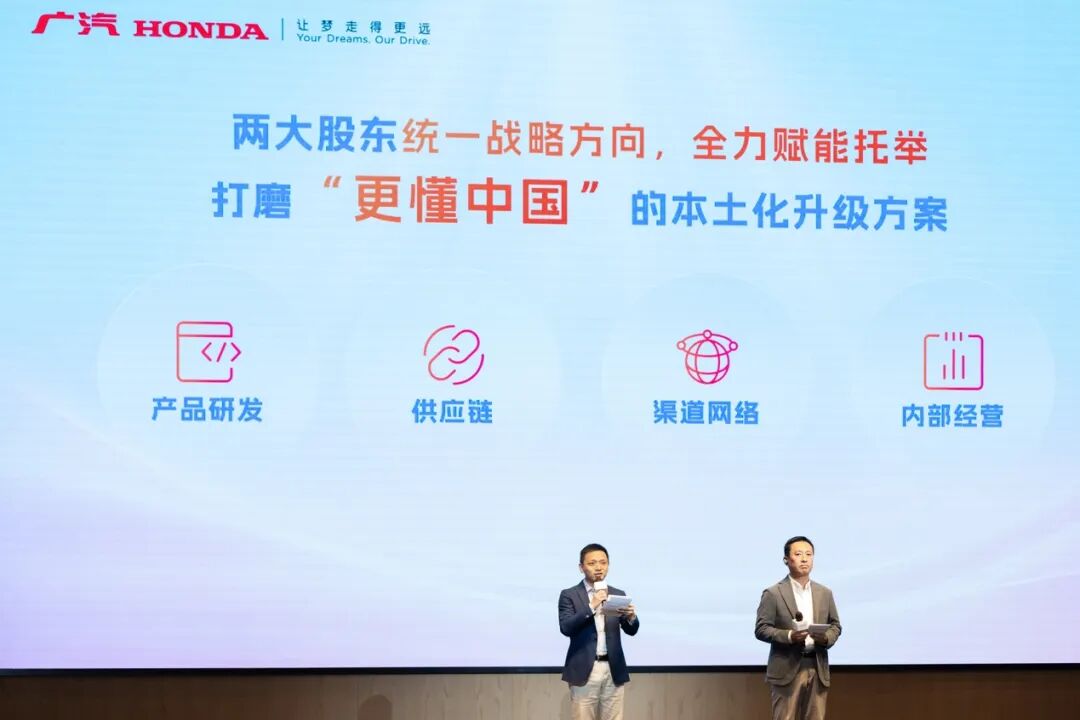 Image Source: Weibo
Abandoning its closed R&D model, Honda launched the 'Triple Half' strategy to halve R&D costs, cycles, and workload, leveraging China's speed and India's cost efficiency to address its weaknesses.
Its earlier merger plans with Nissan collapsed over control disputes. Honda then shifted to an asset-light self-rescue approach, pursuing need-based partnerships and targeted improvements instead of blind expansion.
These two overseas strategies differ fundamentally: India outsourcing aims solely at cost efficiency, while China's decentralization represents a core strategic shift—a critical signal that Honda acknowledges China's market and sheds foreign arrogance.
05 A Decade to Survive: One Last Chance for a Turnaround
Despite its struggles, Honda holds three trump cards: industry-leading i-MMD hybrid technology, strong user loyalty and residual value for flagship models, and a profitable motorcycle business that funds automotive transitions with ample room for trial and error.
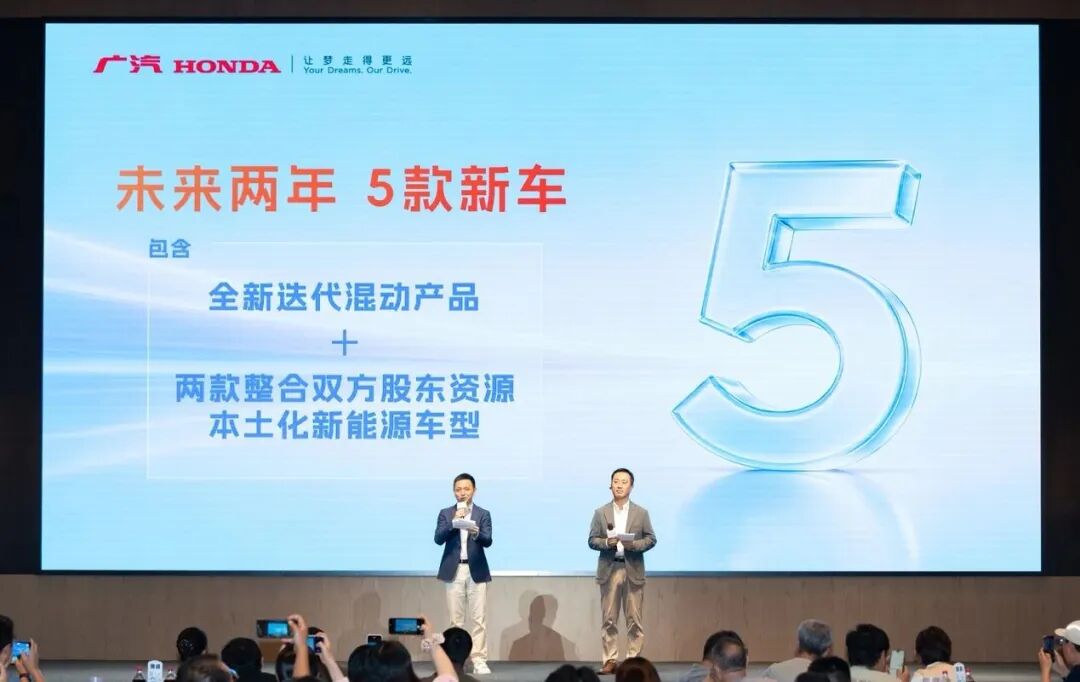
Image Source: Weibo
The 2038 renewal essentially buys Honda a decade-long window for transformation. After building momentum in 2026, its 2027 localized models will face the ultimate test.
These fully localized vehicles represent Honda's first practical implementation of radical reform. Success could establish its footing in the new energy sector; failure would reduce the 10-year contract to mere delay tactics for an eventual exit.
From a fuel-era technology leader to an electric-era straggler, Honda cannot afford complacency—it must fight with its back against the wall. The next decade will not be about survival but a do-or-die transformation.
Interactive Topic: Do you think Honda's 2027 localized models can stage a comeback? Share your thoughts in the comments!
Disclaimer: This article represents Zhi Caijing's commentary and does not constitute investment advice. All corporate data and regulatory events cited are from public information and are for reference only. Specifics are subject to official announcements. Images sourced from the internet; copyright holders may contact us for removal.
Hit 'Like,' 'Share,' and 'Favorite'!
Welcome to leave your thoughts in the comments!
Daily insights into smart tech and finance await you!
-
![]()
Tough Times Are Here: The Auto Industry Is Mired in Immense Pain
-
![]()
Honda Finds Itself 'With No Alternative' but to Battle On for Another Ten Years
-
![]()
Is the 'Chili Fish Head' Car, Once a Hit Among Noble Ladies, on Its Way Out?
-
![]()
DJI Osmo 360 II Review: Impeccable Hardware, Yet Software Still Lags Behind
-
![]()
The 'Dichotomy' in Alibaba's AI Ledger
-
Reinventing the 'Old Guard' with AI: A $12 Billion Venture in Just a Year
-
![]()
Alibaba's Q2 Profit Plummets by 32.6 Billion Yuan, with 67.7 Billion Yuan Earmarked for Capital Expenditures
-
![]()
DJI Osmo 360 II In-Depth Review: How Does It Achieve Significant Image Quality Enhancements Without Sensor Changes or Excessive Spec Stacking?