Huawei and Apple Embrace Change, Samsung Steps Back: Is Variable Aperture Technology a Game-Changer?
 08/25 2026
 390
390
Have you ever observed that night scenes in smartphone photos often appear overly bright, or that certain faces look blurry in group pictures?
These issues stem from a fundamental optical challenge: light intake.
The aperture functions like the pupil of a camera lens—in low-light conditions, the pupil widens (large aperture) to allow more light in, while in bright settings, it narrows (small aperture) to reduce glare.
Traditionally, most smartphones have featured fixed apertures, meaning the pupil size stays the same regardless of the lighting, compelling manufacturers to depend on algorithms to make up for hardware shortcomings.
Variable aperture, on the other hand, enables the pupil to adjust dynamically.
01 What Benefits Does Variable Aperture Offer?
Variable aperture ensures optimal image quality across diverse lighting scenarios.
In dim environments, opening the aperture to its fullest significantly enhances light intake, resulting in brighter and clearer night scenes. Conversely, in bright conditions, narrowing the aperture prevents overexposure and sharpens the image from edge to edge.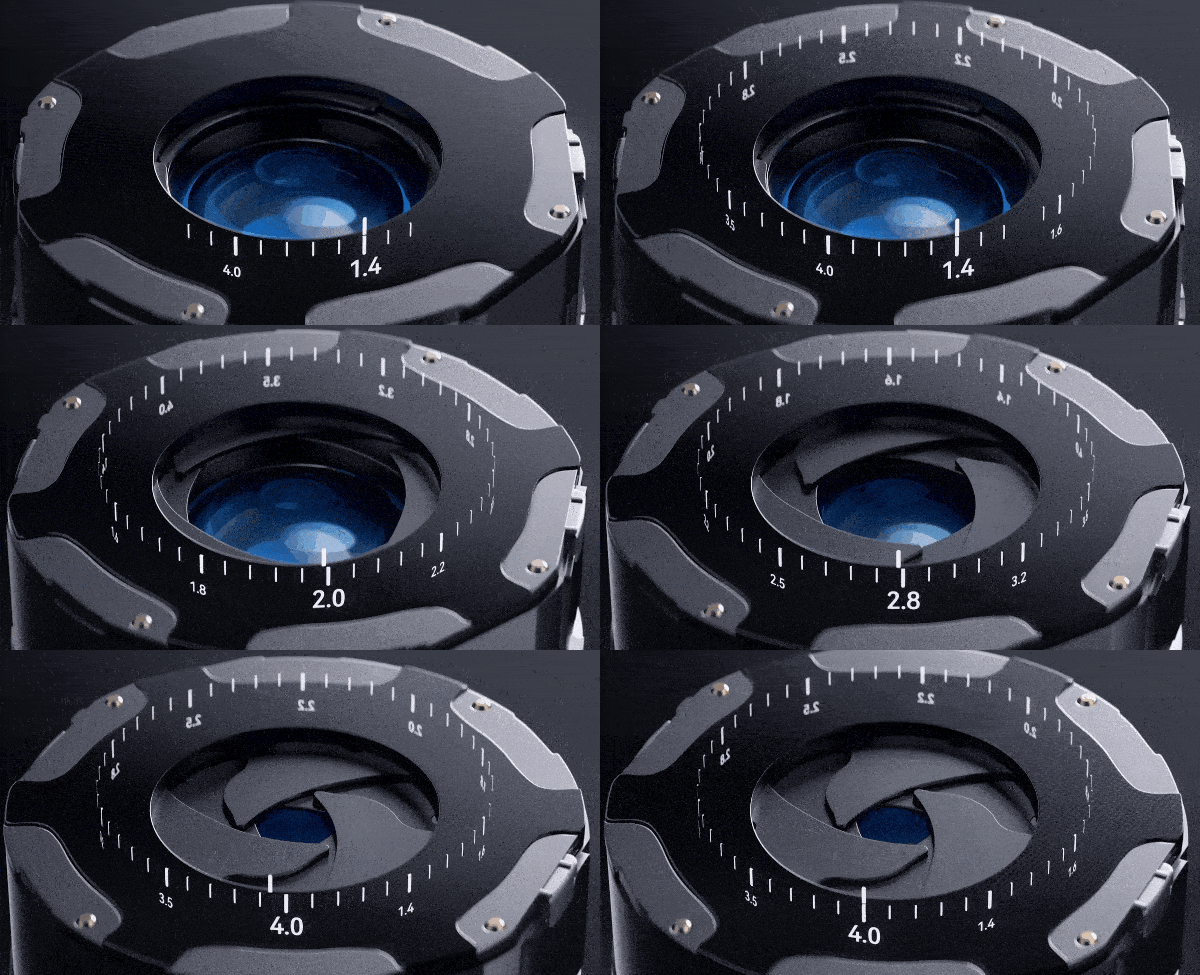 Image source: Internet
Variable aperture also allows for depth-of-field control: a wide aperture creates a blurred background to highlight the subject, while a narrow aperture keeps both the foreground and background in focus.
For portraits, the bokeh effect produced by variable aperture is a physical optical phenomenon, avoiding the artificial, cut-out appearance often generated by algorithms alone. For group photos, narrowing the aperture ensures clarity across all rows.
Moreover, a narrow aperture can create striking starburst effects, transforming city lights into sharp rays—a visual aesthetic that algorithms find challenging to replicate.
02 Divergent Strategies Among Tech Titans
Implementing variable aperture requires precise mechanical blade structures, which increase costs and add to the module's thickness.
Huawei introduced a 10-stop variable aperture (ranging from f/1.4 to f/4.0) with its 2022 Mate 50 series, making it a standard feature in subsequent Pura and Mate models.
The Pura 80 standard version offers an F1.4-F4.0 variable aperture, while the Pro, Pro+, and Ultra versions upgrade to F1.6-F4.0. The Mate 70 series maintains the F1.4-F4.0 configuration.
Rumors suggest that the upcoming iPhone 18 Pro series will feature a mechanical variable aperture supporting adjustments from F1.4 to F4.0 (reported as either 10-stop or stepless regulation), potentially boosting light intake by up to 40%.
Apple's adoption of this technology is seen as a significant industry milestone.
When even the typically conservative Apple embraces a technology, it indicates a shift from niche experimentation to mainstream adoption.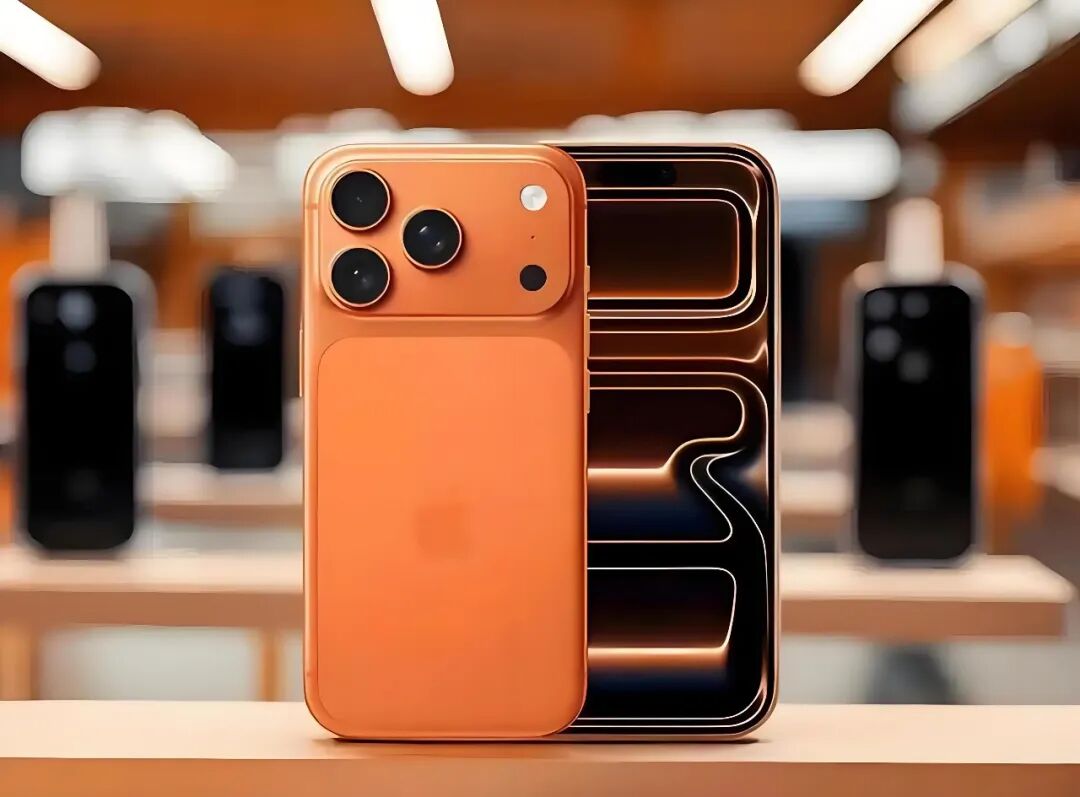 Image source: Internet
Samsung, however, has taken a different approach.
It previously incorporated variable aperture in the 2018 Galaxy S9 and 2019 S10, allowing for two-stop switching between F1.5 and F2.4, but discontinued the feature starting with the 2020 S20 series.
In early 2026, amid rumors of the iPhone 18 Pro, Samsung seriously considered reintroducing variable aperture in the S27 series.
After testing modules from MCNEX and Samsung Electro-Mechanics, the company ultimately decided against it.
The decision was driven by cost and design considerations.
Variable aperture components raise costs, increase module size, and thicken camera bumps. Combined with rising DRAM prices, smartphone manufacturers face mounting pressure.
Samsung concluded that the marginal improvement in user experience offered by variable aperture did not justify the additional costs.
03 A Path Forward or Just a Fancy Addition?
The debate over variable aperture reflects a clash of technological philosophies.
One camp argues that addressing imaging challenges through physical hardware upfront is more effective than relying on post-processing algorithms.
The other contends that smartphone sensors have inherent limitations, making the benefits of variable aperture not worth the cost and bulk trade-offs.
Samsung's withdrawal and Apple's entry epitomize the two extremes of this dispute.
Regardless of the outcome, the fact that smartphone lenses now feature dynamically adjusting pupils signals a shift: the competition in mobile imaging is moving back toward optics and away from algorithms.
#Smartphones #VariableAperture
-
![]()
Silicon-Based OLED Pioneer Unveils Financial Results: H1 Shipments Outpace Entire 2025 Volume
-
![]()
AI's First "Lost Summer"
-
![]()
Zeiss Makes Another €2.2 Million Bet: Will Eye Tracking Be the Next Big Thing in the Smart Glasses Industry?
-
![]()
RUNTO Ranking | Global Top TV ODM Factories' Shipment Figures for July 2026
-
![]()
Dealer Service Operational Prowess | How After-Sales Managers Can Harness Efficiency and Expertise to Secure Trust in the New Energy Era
-
![]()
Xiaohongshu: Navigating Through the AI Anxiety Storm
-
The Foundation of AI is Being Built
-
![]()
Huawei and Apple Embrace Change, Samsung Steps Back: Is Variable Aperture Technology a Game-Changer?