Has the AI-Driven Advertising Age Dawned? ChatGPT Launches Image Ad Trials, Boosting Sales Through Enhanced Visibility
 10/09 2026
 398
398
A brand-new advertising placement scenario has emerged, fully geared for commercialization!
Recently, OpenAI unveiled a novel image ad format tailored for ChatGPT, accompanied by upgrades to its ad data monitoring tools and an expansion of its partnership network.
Company officials disclosed that they are currently working in tandem with DoubleVerify and Integral Ad Science to pilot a brand suitability detection mechanism.
It is reported that the ChatGPT platform boasts a weekly reach of 1.2 billion users.
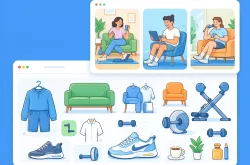
According to OpenAI, this innovative ad format leverages real-life imagery to highlight product features, usage scenarios, and the overall user experience.
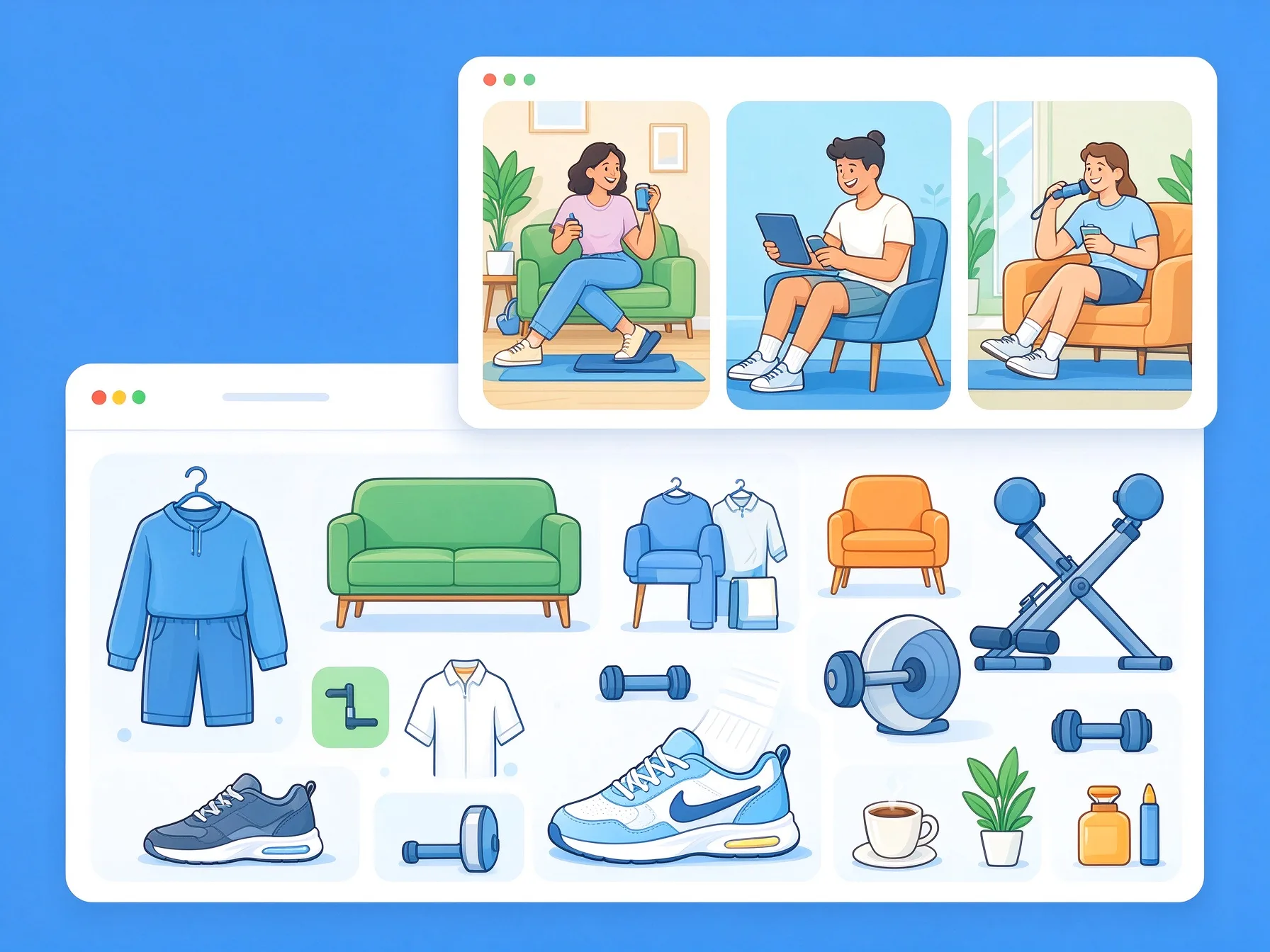
Image source: Generated by Doubao AI
Users can now explore a wider array of new brands, gain a clearer understanding of product advantages, and make purchasing decisions with greater ease. Simultaneously, it provides advertisers with an additional avenue to convey their brand stories through visuals.
This new feature will initially undergo testing within ChatGPT's image generation functionality.
The initial testing phase is exclusively available to select advertisers in the United States, with an official rollout scheduled for late October 2026.
OpenAI underscores that all advertisements will be distinctly labeled and segregated from user-generated images, ensuring no intermingling. Similar to other ads on the platform, these ads will in no way influence the content of ChatGPT's responses.
For the platform, venturing into the advertising business enables it to tap into a user base that far surpasses that of paid subscriptions. For businesses, it represents a fresh customer acquisition channel, facilitating precise targeting of potential users who are in the decision-making phase and actively seeking products or services.
Image source: Generated by Doubao AI
On the same day, OpenAI's official advertising blog also provided a detailed overview of how this feature operates.
Advertisers can integrate with tools such as Hightouch, Tealium, and LiveRamp to synchronize their backend conversion data with the ChatGPT ad backend.
By combining pixel tracking and conversion APIs, user behaviors like orders, lead submissions, installations, and registrations can be precisely tracked. The platform will then automatically optimize ad placement based on this data.
Additionally, an "Event Quality Score" feature assists advertisers in evaluating the quality of their conversion data and pinpointing areas for improvement.
Moreover, OpenAI has forged partnerships with Haus, Measured, and WorkMagic to conduct geographical incremental effect testing, specifically gauging the genuine new conversions generated by ChatGPT ads. This testing is currently in its early stages.
It is also collaborating with Kantar and Cint to assess the impact of ads on brand reputation and user favorability.
Advertisers have the flexibility to customize the click attribution window based on their industry's conversion cycle. They can also enable an additional 1-day view-through attribution window to track users who viewed the ad but did not click, yet made a purchase subsequently.
It is crucial to note that these settings solely modify reporting statistics and do not influence the platform's ad optimization logic.
The platform's sophisticated conversion optimization feature takes into account both valid click conversions and view-through conversions. Users who make purchases after clicking the ad or spontaneously after viewing the ad are considered high-quality data to refine subsequent ad delivery.
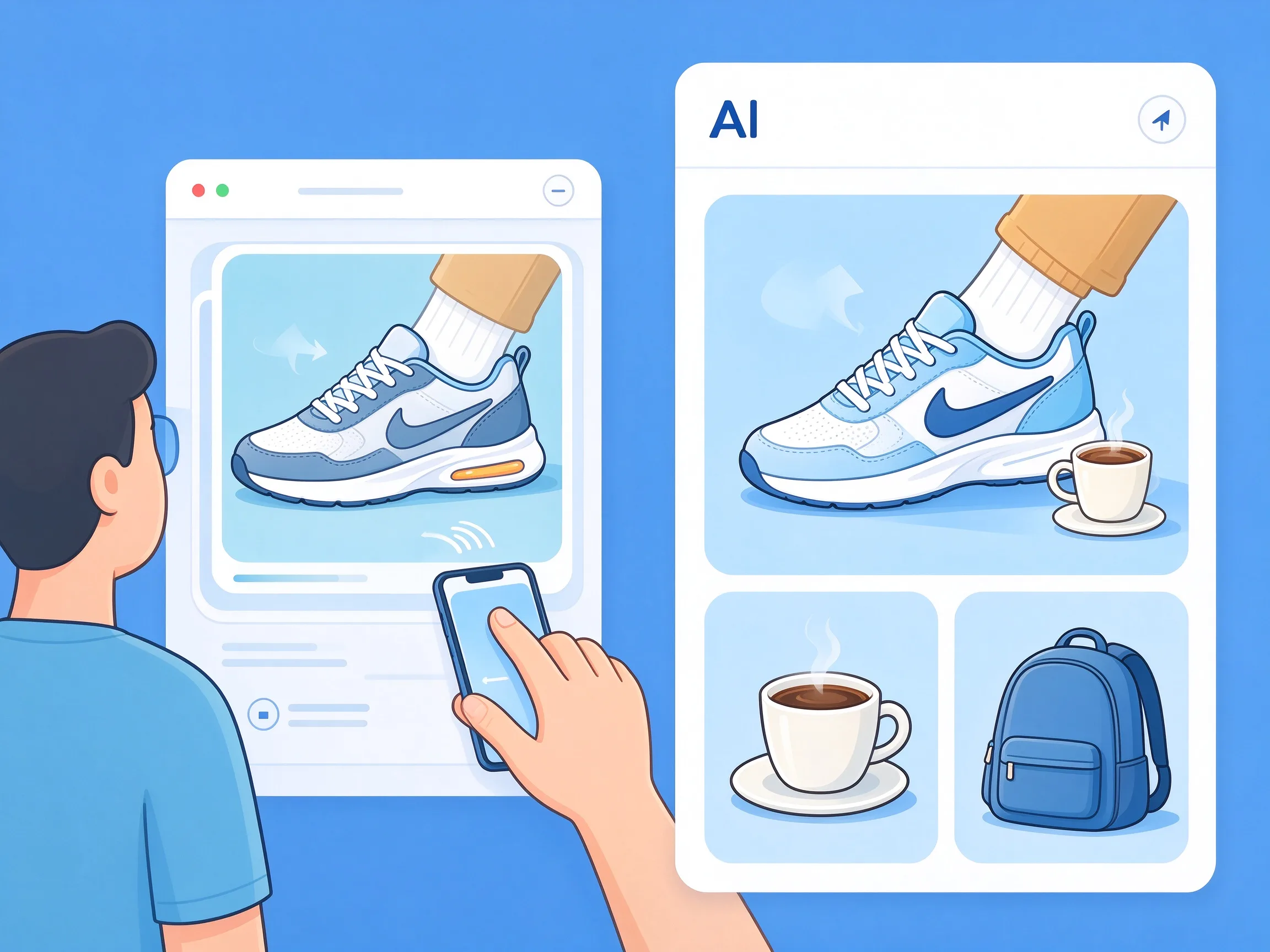
Image source: Generated by Doubao AI
According to OpenAI's preliminary data analysis of deep conversion ads: Among view-through conversions with a 1-day validity period, 52.7% of users completed their purchases within one hour of viewing the ad.
This underscores that even without clicking on the ad, mere exposure can effectively drive sales.
Lidiana Jones, CEO of Integral Ad Science, stated that they will conduct a comprehensive and ongoing evaluation of OpenAI's ad risk control capabilities, significantly enhancing brand placement transparency while safeguarding user privacy.
Mark Zagorski, CEO of DoubleVerify, mentioned that ChatGPT ads differ fundamentally from conventional web and video ads. They do not rely on page or video placement to determine ad scenarios but instead intelligently match based on real-time conversation content. Their primary mission is to provide independent and impartial data monitoring for this novel scenario while protecting user privacy.
Finally, OpenAI reiterated that all updates in this release adhere to three core principles: AI responses remain unequivocally neutral and independent, user chat content is strictly confidential, and user experience is entirely user-controlled.
The platform will continue to innovate and update ad formats and features in the future, so stay tuned.
This article is compiled by Leikeji from unite
Original link: OpenAI Introduces Visual ChatGPT Ads
Source: Leikeji
Images in this article are sourced from 123RF's licensed image library. Source: Leikeji
-
![]()
SZSE Works Overtime During National Day, Issuing Inquiry Letter Swiftly After ColoredChinese Announces Plan to Raise 2.8 Billion Yuan, Over 10 Times Its Net Assets
-
PC Manufacturers Feel the Pinch as Memory Prices Surge and Sales Dive by 20%
-
![]()
Net Profit Soars by 269%! Inspur Information Unveils 9 Billion Yuan Investment Plan to Boost Computing Power, Capitalizing on Large-Scale Agent Deployment
-
Bangze Chuangke: 30% Revenue from OEM, Eyes Export Sales, Leans on Overseas E-commerce, but Faces Slowing Growth in Revenue and Profit
-
![]()
Big Tech Borrows to Buy Future
-
![]()
Has the AI-Driven Advertising Age Dawned? ChatGPT Launches Image Ad Trials, Boosting Sales Through Enhanced Visibility
-
![]()
What is the boundary of collaboration between FAW Toyota and GAC Toyota behind FAW Toyota's 'independent survival'?
-
![]()
Optical Waveguide Route Selection and Performance Optimization: Four Questions Integrators Must Answer Correctly