Virtual Humans Now Have Official Identification! AI Idols with Certificates Can Participate in Commercial Performances, But Who is Liable if Issues Arise?
 10/12 2026
 466
466
AI holds the certification, yet real individuals shoulder the responsibility.
AI singer Yuri now possesses a unique identification document that is exclusively hers.
Her file includes a registered name, a declared address, and facial features recorded in the system. On June 11, 2026, she obtained a commercial digital performance access certificate under the regulatory sandbox framework of the Beijing Economic-Technological Development Area (Yizhuang).

This may sound like a plot from a science fiction novel, but it is indeed unfolding in Beijing. Yuri is not a real person; the true responsibility lies with the company and team operating her behind the scenes. The fact that 'she is not a real person' is precisely the cornerstone of the entire system design.
Beijing is trialing a system to issue administrative identification documents for AI-generated virtual humans. Each virtual figure must be linked to the company or team that operates it.
According to reports from Australia's ABC News and Cybernews, China's AI digital human sector is estimated to have over 1.3 million active enterprises; however, the methodology behind this figure has not been fully disclosed by officials or the media.
What does this certificate actually signify?
First and foremost, it must be clarified: linking a digital virtual human's registration information to an operating company does not grant the virtual human independent legal status.
According to ABC, the certificate records the digital human's name, date of birth, address, and facial features. In addition to this identification document, Yuri also received a sandbox access certificate specifically for commercial digital performances under Yizhuang's framework.
Officials refer to Yuri as a 'digital resident,' but this title appears to be merely an administrative classification and does not equate to recognizing her as a legal person, although the announcement does not explicitly define the legal boundaries of this term.
In terms of responsibility, it extends to the operating company rather than being independently borne by the virtual figure. From existing reports, operators can gain access to digital wallets and corresponding qualifications for commercial collaborations through this system; however, there is no evidence to suggest that virtual humans can independently open regular bank accounts without the involvement of their operators.
Why is this initiative being undertaken, and what gaps still exist?
The rationale for accountability is straightforward: link a virtual character to a named, traceable real-world entity. This ensures that if false advertising, misleading promotions, fraud, or intellectual property disputes occur, regulators at least know who to hold accountable.
Under Yizhuang's sandbox rules, operators must fulfill several specific obligations: they must prove they possess legal rights over the virtual character, demonstrate the stability of the relevant technology, and always have a designated responsible person who can intervene if issues arise.

However, critics raise a concerning viewpoint. They worry that registering all virtual figures in this manner could diminish anonymous spaces, increase regulatory oversight in digital realms, and, over time, lead to self-censorship.
Logically, this risk is no different from those applications used to monitor political dissidents.
Another pressing issue is data security. When vast amounts of facial feature data and behavioral records are concentrated in official systems, the repercussions could be severe if the database is compromised or misused.
Previous large-scale data breaches, such as the one that exposed information on thousands of Hollywood actors and directors, serve as cautionary tales.
More critically, this pilot does not clearly address a key question: Does the registration on the certificate pertain to the fictional character, the real person whose likeness was used to create the character, or both? This distinction directly relates to issues of likeness rights and personal data privacy, making it highly significant.
What lies ahead for digital identities?
Beijing's approach sets an early global precedent: governments are beginning to manage virtual humans as 'identifiable commercial entities' without directly granting them the same full legal status as humans.
As virtual influencers accumulate digital assets, launch large-scale advertising campaigns, and sign various commercial agreements, governments in other countries will inevitably face similar challenges.
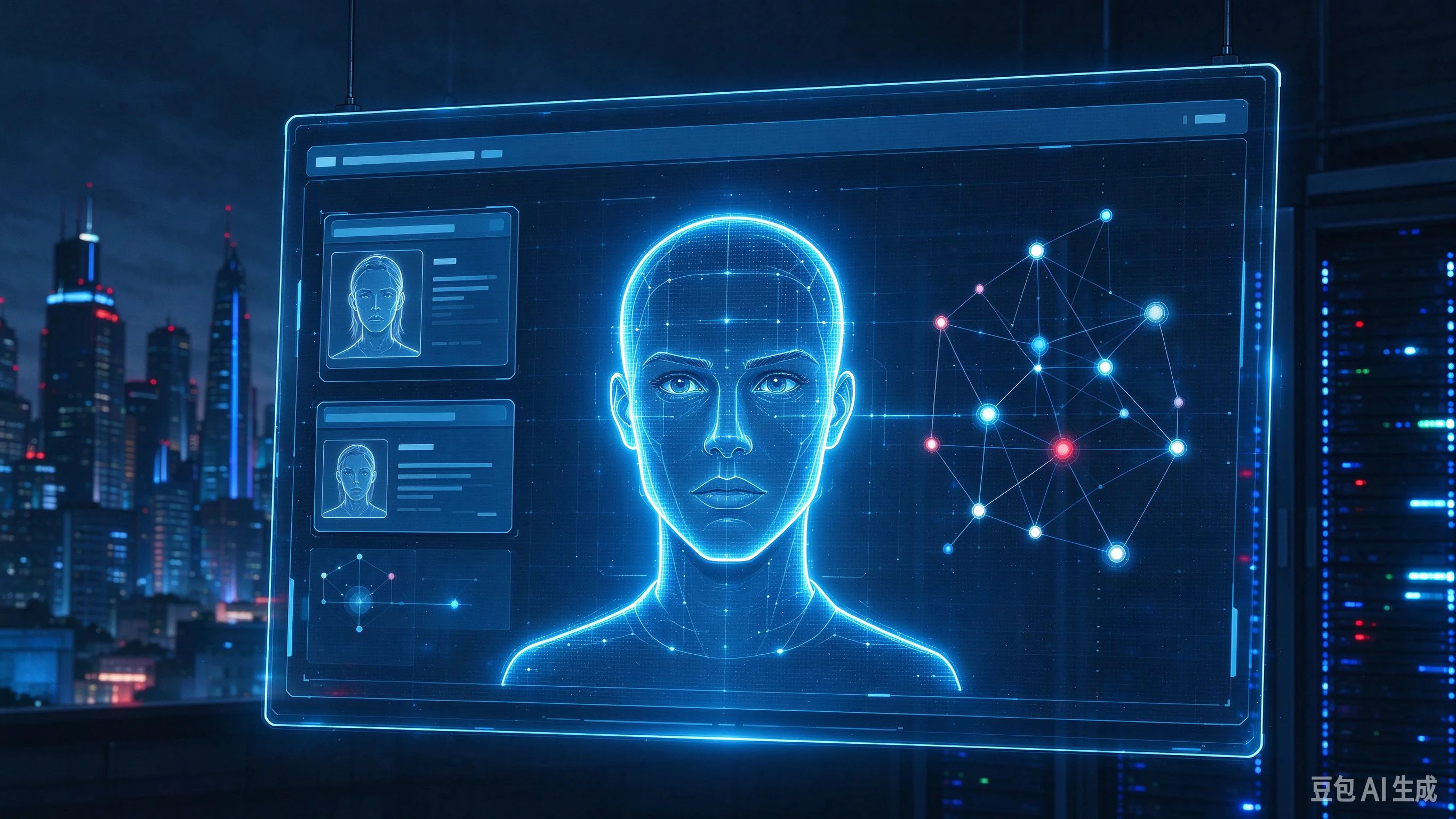
Policy issues that will inevitably arise include: determining the extent of responsibility operators should bear, whether mandatory labeling of AI-generated content is necessary, how to handle personality rights when virtual figures use real people's likenesses, as well as taxation, financial compliance, data protection, and even cross-border recognition of identities.
Ultimately, the certificate Yuri carries today is a compliance tool attached to a commercial product. The truly unresolved question is: when this product one day makes decisions unforeseen by its operators, who exactly should this identification document point to?
This article was compiled by Leikeji from gadgetreview.
Original link: No longer just digital figures! China issues official documents for AI virtual performers.
Source: Leikeji
Images in this article are from the 123RF licensed image library. Source: Leikeji
-
Kimi Valued at $50 Billion, Yang Zhilin's Past Disputes Reach IPO Threshold
-
Founder from Generation Z Leads 14-Member Team to Challenge Meta
-
![]()
Over 1 Billion Yuan in Series C+ Funding Secured! Kunyu Optoelectronics’ 12-Inch Optical Production Line Slated for Operation by 2027
-
![]()
Can AI Be Integrated into Smartphones, or Will It Completely Transform Them?
-
FDE Suddenly Becomes a Topic ‘No One Wants to Discuss’
-
![]()
Android Takes the Lead, Honor Makes a Comeback
-
![]()
Android Takes the Lead, Honor Makes a Comeback
-
![]()
Virtual Humans Now Have Official Identification! AI Idols with Certificates Can Participate in Commercial Performances, But Who is Liable if Issues Arise?