APEC's AI Highlights: How Will They Transform Shenzhen as a City?
 11/23 2026
 542
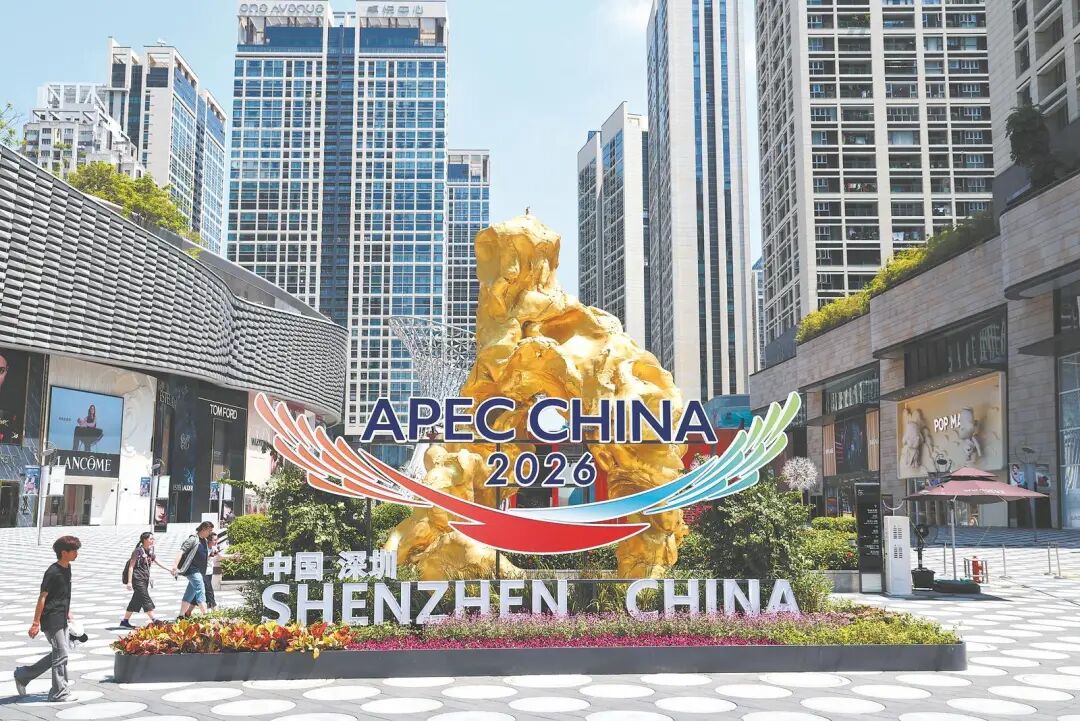
Before I knew it, I had already spent two years in Shenzhen. Tech product launches and industry expos keep coming, one after another, and I've grown a little numb to them all.
To be honest, I didn't pay much attention to APEC at first—I wasn't even sure what it was. But judging by the series of moves Shenzhen made, I realized this meeting was no ordinary affair.
Shenzhen went into preparation mode well in advance. The streets got cleaner, roadside flowers and plants were freshly tended, street vendors disappeared, and volunteers popped up at intersections. Once, as I walked past, I even heard them practicing foreign languages.
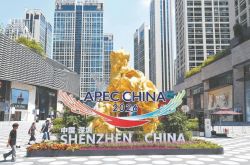
During the summit, the city showed up in full makeup, with light shows lighting up office buildings and CBDs one after another. Netizens joked that Shenzhen had poured out all the electricity it had saved over the years and gone all in at once.

Today, I'll take you through a review of the AI-related content mentioned at the APEC summit, and wrap up with what it means for Shenzhen as a city.
1. A Brief Introduction to APEC
APEC stands for Asia-Pacific Economic Cooperation Economic Leaders' Informal Meeting. It was held from November 18 to 19, with the accompanying CEO Summit taking place a day earlier, from the 17th to the 18th.
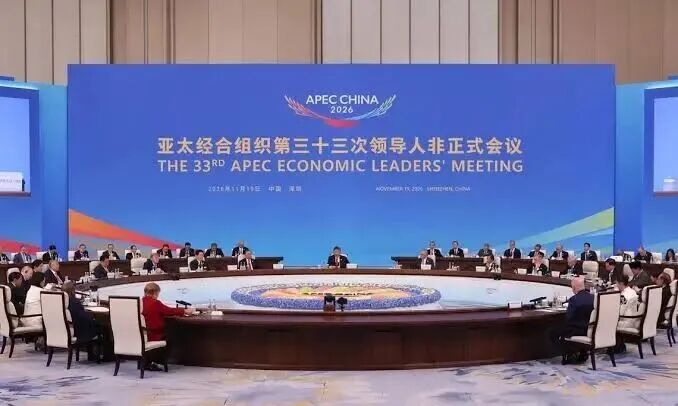
The word "informal" can easily cause misunderstanding. Put simply, the outcome documents it adopts are not legally binding. Each economy advances them through consensus and voluntary participation. There are also fewer scripted segments, and the atmosphere is somewhat more relaxed and pleasant than at other formal meetings.
But the fact that the documents are not legally binding does not mean they carry no weight.
They serve as a kind of reputational constraint in political and moral terms. Once leaders publicly reach a consensus, the years to come will have to follow that direction. The 21 economies attending together account for more than 60 percent of the global economy. How this meeting sets the tone affects the entire Asia-Pacific.
The CEO Summit lasted two days, with one business dialogue plus seven thematic discussions. Among them, the three sessions on artificial intelligence, the digital economy, and digital and green transformation are all directly related to AI.
And it wasn't just the dedicated sessions. Even in other topics, entrepreneurs would casually bring up AI.
One attendee described it this way: these days there was no topic without AI. Artificial intelligence was the most mentioned word, bar none.
2. The First Shenzhen Initiative, with AI in a Key Position
On November 18, the summit released a CEO Summit Shenzhen Initiative. This was the first time in APEC's thirty-year history that an outcome was released in the form of an initiative. There had never been anything like it before.
The entire initiative revolves around four areas: openness and inclusiveness, innovative growth, connectivity, and win-win cooperation. The AI content mainly falls under innovative growth, and it is quite specific.
The first is the governance framework, using four terms: responsible, safe and controllable, interoperable, and innovation-encouraging. Let's go through these terms in a bit more detail.
The others are easy to understand, but what does interoperable mean? It means that systems and standards in different countries can match up and connect. It's like how phone charging ports were eventually standardized, so one cable works everywhere. If everyone does their own thing and no one recognizes anyone else's systems, the Asia-Pacific digital economy cannot be connected as one.
Further down, the initiative clearly calls for supporting micro, small, and medium-sized enterprises in adopting AI.
This point is crucial, because large companies have the capital to do it themselves, while SMEs do not have that capability. Whether they can enter at low cost determines whether this technological transformation narrows the gap or widens it.
The initiative also names a batch of high-value application scenarios for AI to land in, including clean energy, manufacturing, logistics, climate adaptation, and green finance. At the same time, it proposes deepening AI Plus cooperation, helping developing economies improve their digital and intelligent capabilities, and using AI to promote the economy, improve governance, and enhance people's livelihoods.
Simply put, this initiative placed the business community's common demands regarding AI—from concepts to scenarios—before leaders all at once.
3. In the Shenzhen Outlook, AI Is the Engine of Innovative Growth
If the Shenzhen Initiative is the voice of the business community, then the Leaders' Shenzhen Outlook adopted on November 19 is the consensus at the level of the leaders of various economies, and it carries more weight.
In the innovation section, the Shenzhen Outlook confirms continued advancement of the APEC Artificial Intelligence Initiative (2026-2030), and also adopted a Statement on Emerging Technologies for Employment and Prosperity.
I won't expand on the origins of this initiative here. We only need to know that it is the overall framework for AI cooperation across the Asia-Pacific region. This time, it was reaffirmed in Shenzhen, and the direction has been set.
While discussing development, the Shenzhen Outlook did not shy away from risks. It clearly named several risks: data leaks, online fraud, and the deliberate abuse of AI and other emerging technologies for malicious activities. It also calls for stronger cooperation in cross-border data flows, digital transaction security, data protection, and privacy.
The attitude is this: AI should be used boldly, but the string of security must be kept taut, and development and security must be pursued together.
A few other details are also worth mentioning.
The Shenzhen Outlook calls for bridging the digital divide between different social groups and between urban and rural areas, strengthening digital infrastructure, improving digital literacy for all, and providing MSMEs with accessible digital tools.
The core idea here remains the same: minimize as much as possible the division and gaps brought by AI.
In the trade field, a Framework for Cooperation on Trade Digitalization (2027-2030) was mentioned.
APEC's original core business is trade. In the past, doing cross-border business involved customs declarations, letters of credit, contracts, and invoices, with a large amount of paper documents running back and forth. It was slow, expensive, and prone to errors.
What this framework aims to do is move these processes online and then make standards across economies match up and systems connect. According to estimates, digitalizing trade documents can save about 5.8 percent of transaction costs. For international trade, where goods values are often huge, this is a considerable amount of money.
In the energy field, it specifically mentions that digital technology and energy should reinforce each other, using AI to optimize energy systems on one hand and providing reliable power to power-hungry computing centers on the other.
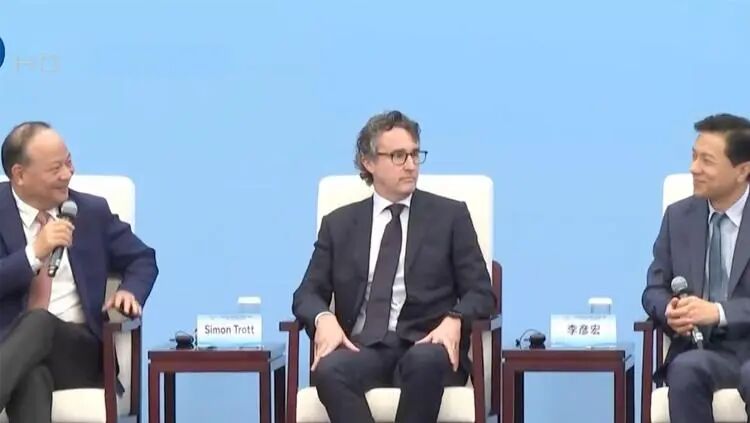
This exactly echoes the interaction between Zeng Yuqun and Robin Li at the meeting. One does battery energy storage, the other builds computing centers. They seem to be in different fields, but in fact they hit the same crucial point.
Looking at these together, the thinking at the leaders' level is already very clear. AI is not an isolated technological topic. It is tightly bound together with data, employment, trade, and energy, and it is the main engine driving the next round of growth.
4. Urgency, Excitement, the Physical World
The entrepreneurs' remarks at the summit carried quite a lot of information. I'll pick a few key people to discuss, and group the rest together.
First, Robin Li.
When asked to describe this year's AI in one word, he said "urgency."
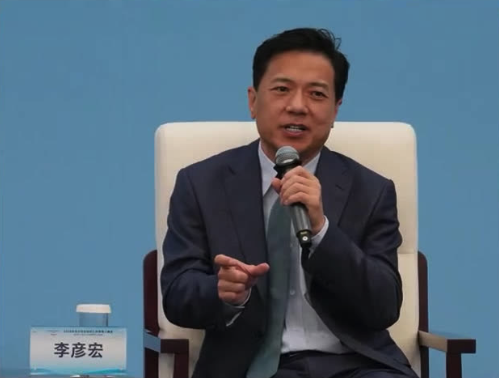
His logic goes like this. In recent years everyone has been spending desperately to build computing power and develop large models, and the technology has been bustling. But one question has never really been answered: after enterprises use AI, are they actually making more money and saving more money? At present, penetration at the application layer is actually lower than expected.
He used a rather accurate analogy: the electric motor has already entered the factory, but the assembly line has not yet appeared. The meaning is that new power is available, but the factory must rearrange every process before that power can be turned into overall efficiency. He offered enterprises three things to do: break down boundaries between positions, record the experience in veteran employees' heads, and let data from each link flow to the next.
He also seriously warned that if applications that can generate returns are never found, those worries that AI is a bubble may really come true.
But he did not come to talk it down. He gave positive examples. Baidu worked with Qingdao Port to combine agents with real port data, so that container loading and quay crane scheduling can be arranged more intelligently. There is also autonomous driving. He said that globally more than one million people die in traffic accidents each year, and the safety of autonomous driving is about ten times that of human drivers. Apollo Go already operates in places such as Dubai, London, and Hong Kong, and in London it has partnered with Uber and Lyft.
Now Wang Xingxing.
The word he chose was "exciting." He used the expressions "above the water" and "below the water." What ordinary people see now of AI and robots is mostly just the part above the surface. The technological breakthroughs below the surface are actually much faster and are happening every day.
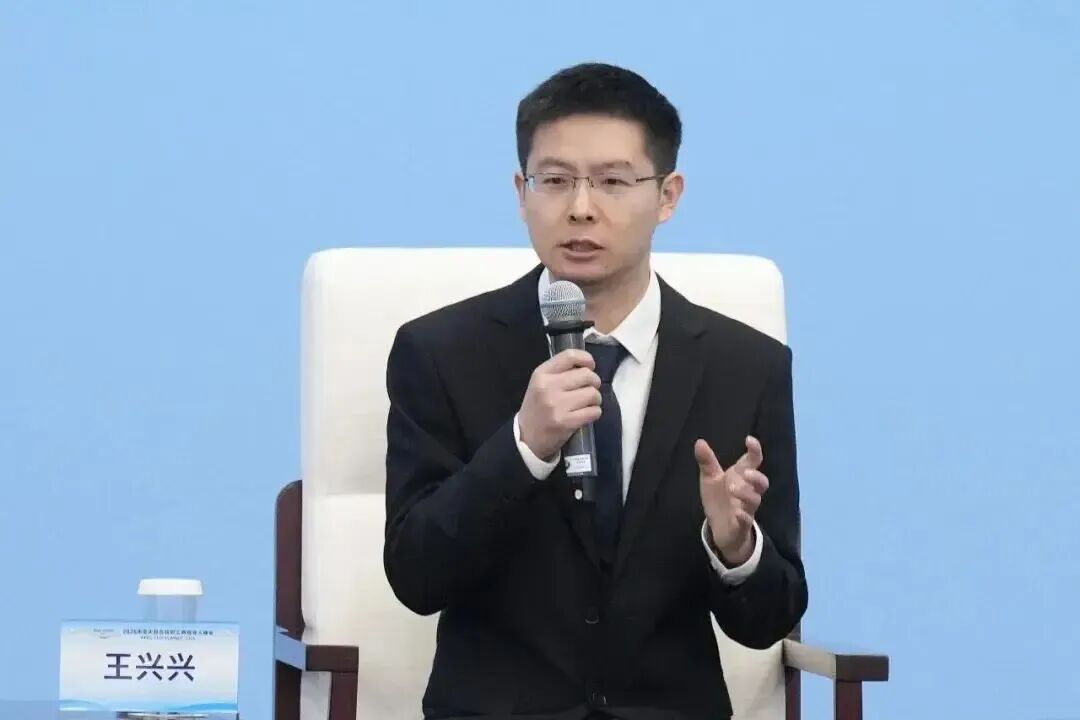
He judged that this year the AI models for humanoid robots have already approached a critical point, and a breakthrough may come soon. But at the same time he is very clear-headed: once the model breaks through, manufacturing, reliability, after-sales service, and underlying computing power all have to keep pace, and this is precisely the huge opportunity for the industrial chain going forward.
Lei Jun's focus is on AI entering the physical world.
He explained Xiaomi's approach: use AI to optimize every link in the factory, build unmanned factories, and the next step is to create industrial agents that can produce autonomously, discover problems autonomously, and iterate autonomously.
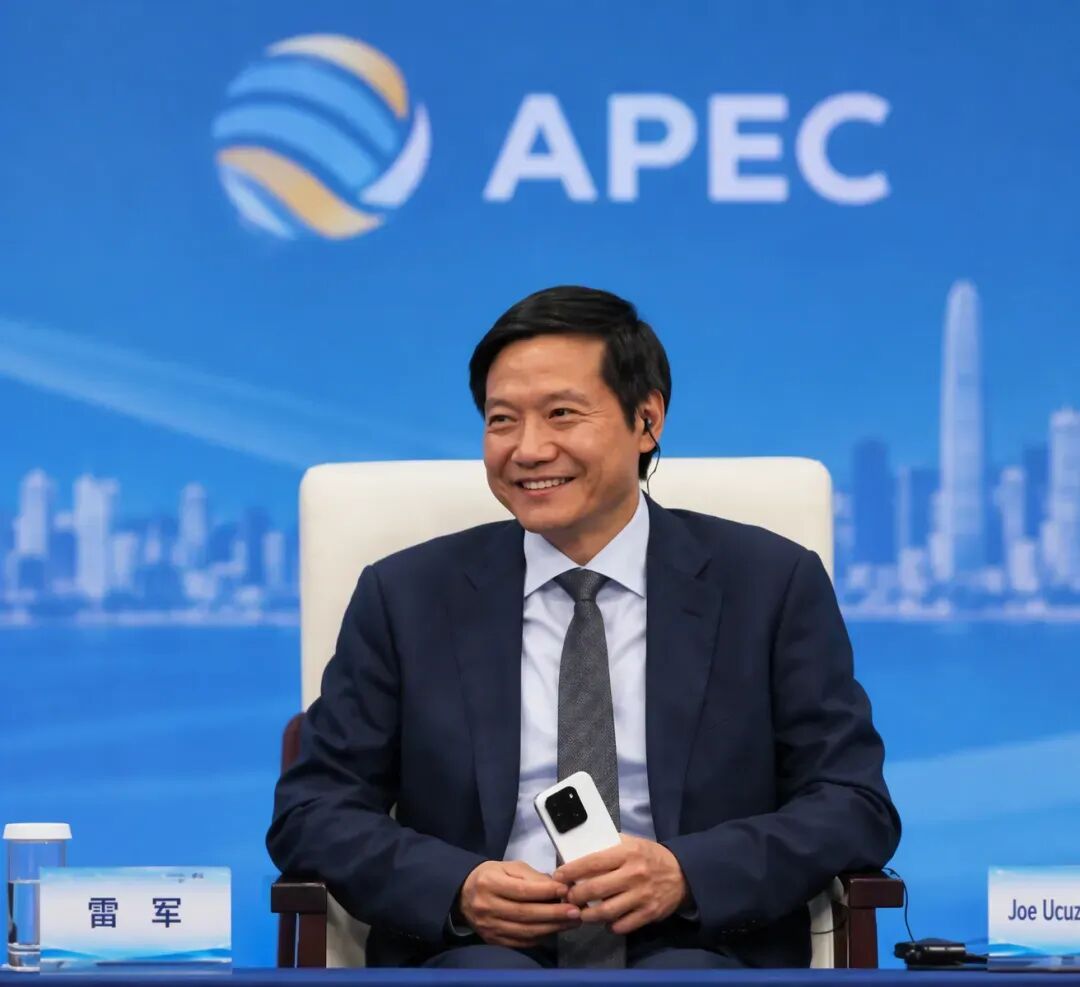
He also revealed that Xiaomi's embodied intelligent robots can already work a full 8 hours in the factory, charging themselves twice along the way. He judged that revolutionary benchmark products will appear in the next few years, and the imagination space of this industry may exceed that of the automotive industry.
5. What Other Big Names Said
The remaining big names spoke from different angles. I'll quickly run through them.
Liao Lin of ICBC first reviewed the changes in banking, from the telegraph giving rise to cross-regional remittances, to computers digitizing ledgers, to the internet driving online services, and now toward intelligence.
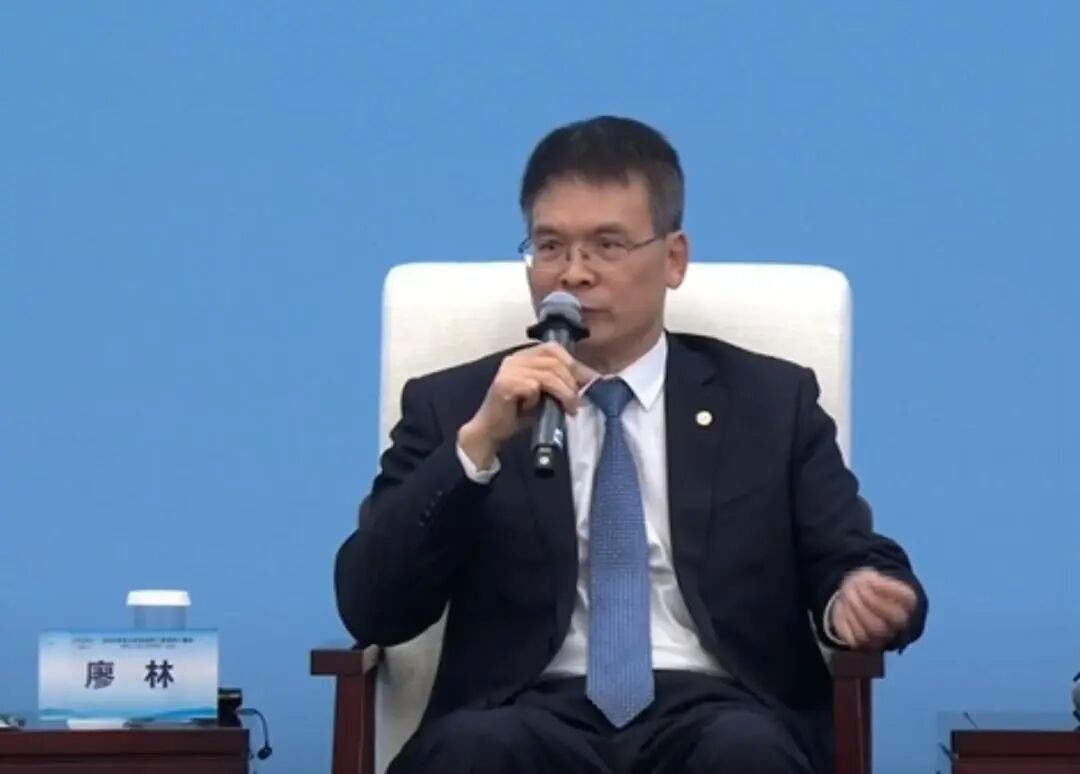
He said AI turns bank front offices into intelligent interaction and human-machine collaboration, and decision-making has shifted from relying on experience to relying on models. ICBC needs to handle three sets of relationships well: technology application and organizational structure, iteration and investment cycles, and innovation and risk. At the same time, he is willing to be a provider of patient capital, a connector of the innovation ecosystem, and an escort for risk management.
Meng Ke of Mastercard saw changes in payment methods.
He said that in the future agents will help people and enterprises complete transactions more efficiently, and there may even be agent-to-agent payment scenarios between enterprises. Mastercard is promoting tokenization and using it as a payment security standard to verify the identity of agents.
Conrad of PwC said that a highly productive AI ecosystem requires the coordination of three things: capital, infrastructure, and talent. He suggested that all economies be able to obtain computing power and models at affordable costs and continue investing in talent development.
Li Dongsheng of TCL presented a set of human-machine contest data on site. For the same design task, 30 engineers faced 6 engineers plus AI. AI won the first round, and the second round was a tie. He judged that as iteration continues the model will become smarter, but people remain important.
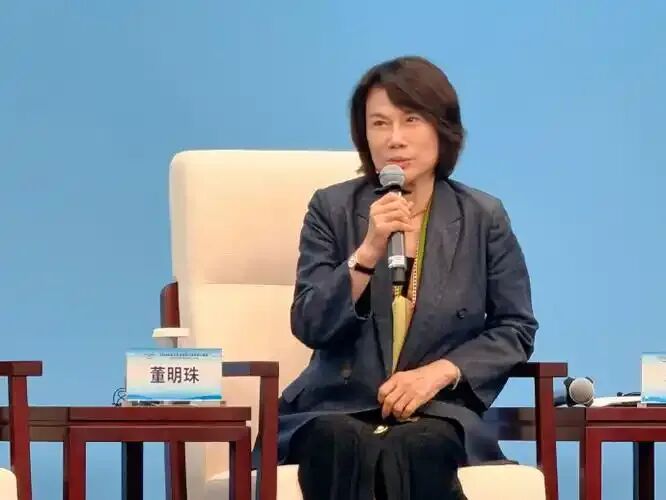
Dong Mingzhu of Gree emphasized that enterprises cannot rely only on others. Gree expanded its R&D team to 20,000 people and makes all core components itself. She also said on the spot to Zhou Jian of UBTECH that whatever components are needed, Gree will supply them.
Han Bicheng of BrainCo brought news about brain-computer interfaces, saying they have already been included in the future industries of the 15th Five-Year Plan. In the future, perhaps people will be able to control phones and computers with their thoughts, and in medical care they can also help patients with conditions such as Alzheimer's disease.
Luo Hailing of BHP talked about how AI is used in mining, from understanding ore bodies and optimizing mineral processing to predicting when equipment will fail. Digital technology allows emissions reduction and profitability to proceed at the same time.
Fang Rong of ZTE outlined three key terms: digital sovereignty, security governance, and inclusive development. She also noted that ZTE has helped small and medium-sized merchants in Indonesia migrate to the cloud, and that its training centers have delivered approximately 850,000 person-times of training in total.
Wang Chuanfu of BYD addressed the claim that Chinese manufacturing is displacing jobs. He explained that BYD is filling local gaps—for instance, sourcing copper and lithium from Chile while delivering electric buses to the country—and that local employees make up more than 95 percent of the workforce at its Thailand factory.
Ho Chiu-king of Shun Tak Holdings likened Hong Kong to a two-way converter, leveraging three customs territories, three currencies, and three legal systems to position the Greater Bay Area as a springboard for overseas enterprises entering China.
These prominent figures hail from entirely different industries, yet their remarks point in the same direction: AI must become deeply embedded in industry and integrated with organizations, components, energy, and regulations in order to generate real value.
6 In head-of-state diplomacy, AI is also a high-frequency term
On November 17, multiple bilateral meetings took place in a single day, and AI cooperation emerged as an important topic in several of them. On November 18, Xi delivered a keynote speech at the opening ceremony of the CEO Summit, with a section specifically devoted to innovation.
He noted that Asia-Pacific members are highly enterprising in global technological innovation, with unicorn companies and large AI models emerging one after another, and innovative achievements reaching thousands of households. He also proposed building science and technology innovation partnerships, deepening cooperation in the digital economy and artificial intelligence, and transforming innovation advantages into growth momentum.
He further described several highly vivid scenarios: robots "entering factories to work," robot dogs "going to the countryside to farm," autonomous driving, and drone food delivery. He said that China—this super-large-scale innovation testing ground—can allow frontier technologies to be repeatedly tested and continuously refined in real-world scenarios.
At the same meeting, he announced several measures from the Chinese side: providing 20 million US dollars to fund APEC practical cooperation, establishing an Asia-Pacific Community Research Center in Shenzhen, and setting up cooperation institutions in areas such as digital technology, cross-border data flows, clean energy, and small and medium-sized enterprises.
Leaders of other economies also repeatedly focused on this topic.
South Korean President Lee Jae-myung said that the technological revolution represented by AI, together with climate change and demographic shifts, is completely rewriting the industrial landscape, and all parties must find new growth drivers.
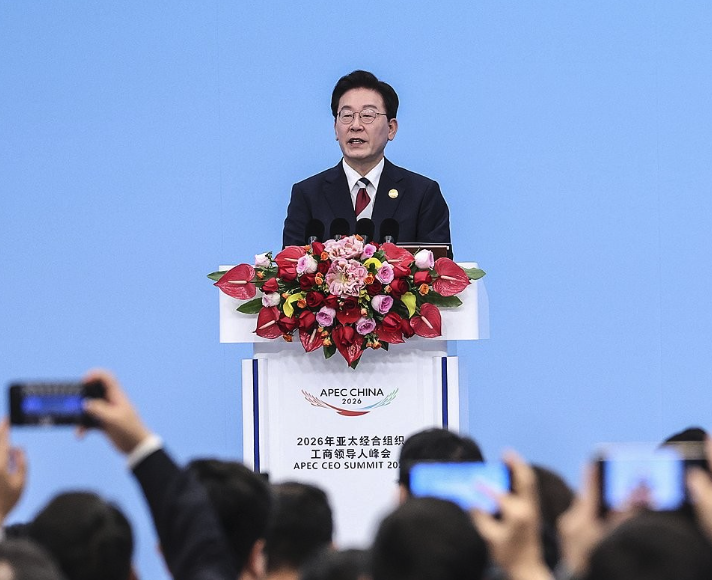
His proposition was clear: the Asia-Pacific should fully harness the dividends of this round of AI revolution, let innovation benefit everyone, and at the same time, in order to stabilize the industrial base and supply chains, all economies must deepen cooperation.
Thai Prime Minister Anutin, meanwhile, grouped AI together with the digital economy, renewable energy, and green transformation, viewing them as the broadest space for Asia-Pacific cooperation going forward.
He reminded everyone that the wave of a new round of economic transformation is already upon us, and no single country can withstand it alone. Only by adhering to regional openness and cultivating new capabilities can they weather the storms.
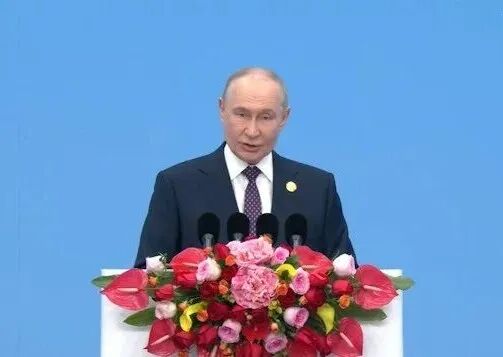
Russian President Putin took a more macro view. He judged that Asia's developing economies have achieved tremendous leaps over the past decades and are becoming leaders of global development and locomotives of innovation, and that these changes are being transmitted to the whole world like waves.
If you put these several figures together, you will find a rather interesting phenomenon.
South Korea is a manufacturing and chip powerhouse, Thailand is a typical emerging economy, and Russia values the reshaping of the world order. Their development stages and demands differ, yet they are highly consistent on one thing: none of them intends to be absent from AI.
7 What did the China-US meeting discuss about AI?
When talking about AI, China and the US cannot be avoided. We will only discuss the parts visible during the conference.
On the afternoon of November 19, Xi met with Trump in Shenzhen. When speaking of AI, he said that China and the US should strengthen communication and coordination, jointly prevent AI security risks, and ensure that this technology always remains under human control.
Trump also responded. He used the US term "superintelligence," said the two sides should strengthen cooperation in this field, and listed it alongside agricultural products and energy as areas where they can work together.
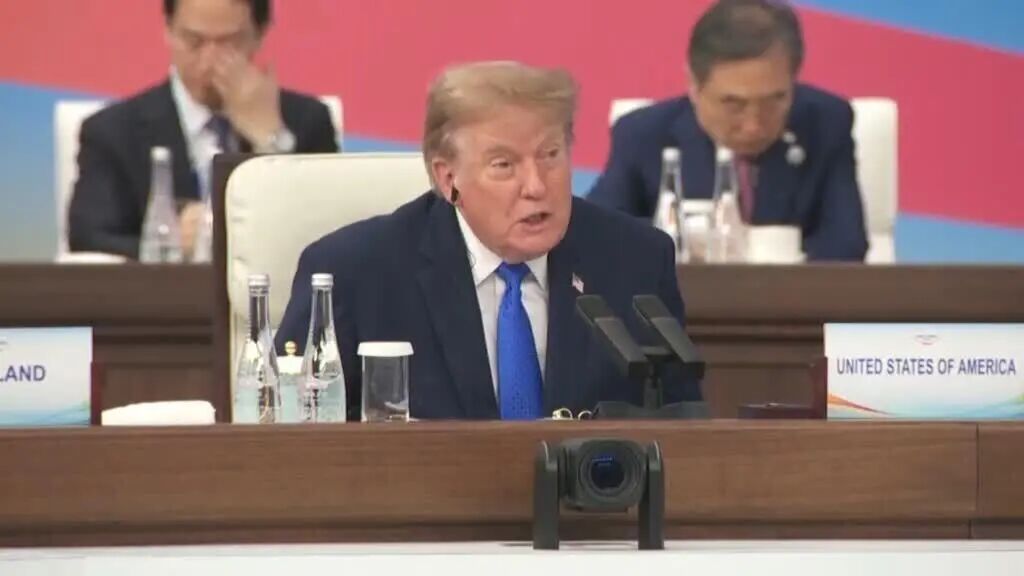
After the meeting, both sides agreed to formulate an action plan for building a constructive strategic and stable relationship, turning the consensus into concrete arrangements.
8 APEC's far-reaching impact on Shenzhen
This time Shenzhen was firmly in the C position, repeatedly dominating headlines and trending searches. After the three-day conference, what will be left for this city?
What is visible is orders, industry, and real money
In recent years, Shenzhen's foundation in AI has not been weak. Last year, the scale of the core AI industry already reached about 220 billion yuan, with more than 2,600 enterprises above designated size. Shenzhen has also set a goal for itself: by 2028, the core industry should exceed 300 billion yuan, with more than 3,000 enterprises, and the penetration rate of intelligent terminals and intelligent agents should exceed 90%.
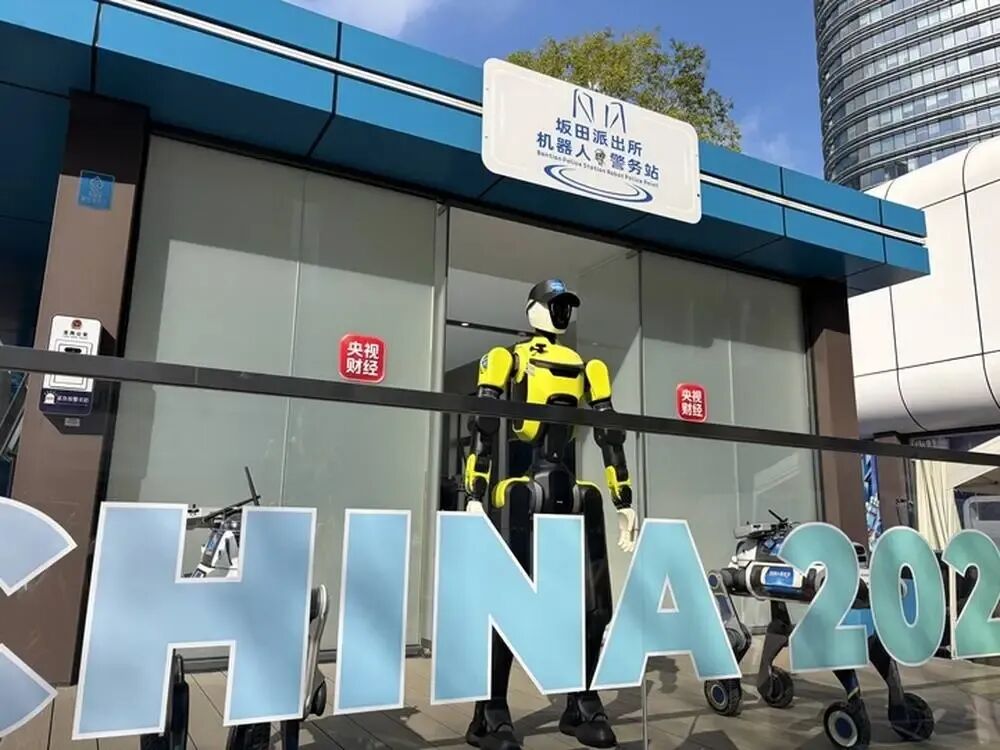
This APEC meeting was equivalent to inviting buyers from all over the world directly to the doorstep.
Of the people entering stores in the robot block, 70% were foreigners, and about 30% of the equipment there was making its global debut. Many cooperations were reached this way: foreign guests had originally only heard of Chinese robots in the news, but now they saw with their own eyes that the robots could inspect, sort, and serve coffee, and on the spot they asked about prices, agencies, and how to implement them. Some robotics companies have already sold products to more than 30 countries, relying on exactly this kind of seeing-is-believing.
In the first half of this year, China's humanoid robot shipments exceeded 40,000 units, accounting for 97% of the world's total, and Shenzhen and the surrounding Greater Bay Area are precisely where this industrial chain is most concentrated. From January to September, more than 16,000 intelligent bionic robots were exported, with a value of more than 1.4 billion, and the export volume in September rose 176% compared with January.
Through APEC, Shenzhen is turning itself from a "robot production base" into a global showcase window and trading center for humanoid robots.
In the past, it quietly made goods and waited for people to come wholesale. Now it sets up the stage, sets standards, and closes deals on site, moving a big step up in the industrial chain.
Shenzhen's strengths such as autonomous driving, drones, and AI Agents have also been seen by the world together.
Baidu's Apollo Go has landed overseas, drone food delivery and robotaxis run in the city. These scenarios are still news in other cities, but in Shenzhen they are already daily life.
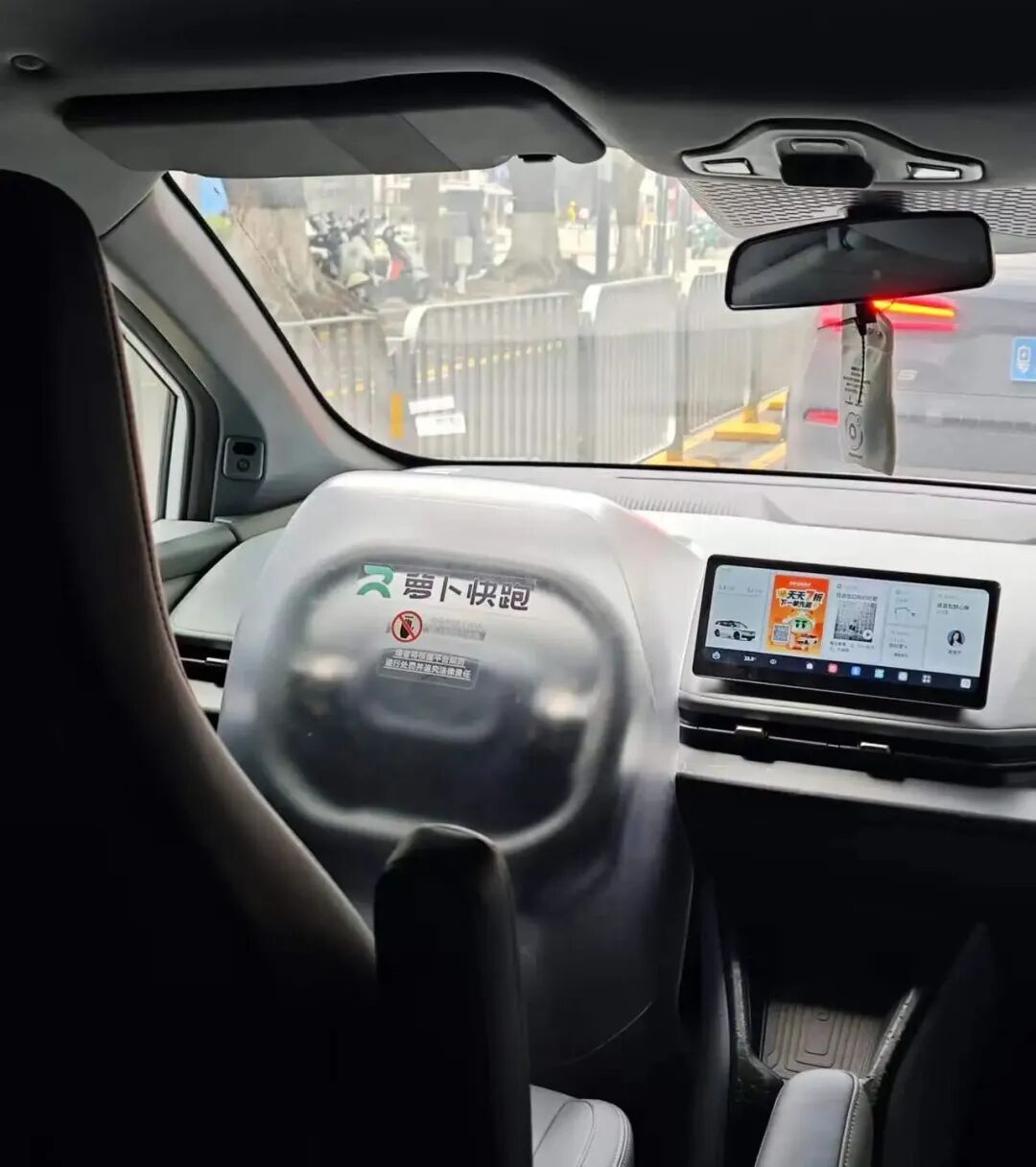
When a city can put frontier technologies into real life for repeated testing, its appeal to global enterprises and capital is very difficult for other places to replicate.
What is invisible is an upgrade of the city's positioning
If orders are the immediate benefit, then the deeper change is the changing role of Shenzhen as a city.
In the past, when people mentioned Shenzhen, their first reaction was strong hardware, single-minded focus on making money, "time is money, efficiency is life," a top-tier manufacturing and industrial city. But in softer areas such as rule research, think tanks, and international discourse power, it did not match its economic size.
After this conference, a number of high-level institutions were left behind.
The Asia-Pacific Community Research Center is located in Shenzhen, the China Center for Cross-Border Data Flow Cooperation is located in Qianhai, and there are also a number of cooperation institutions in the fields of digital technology and small and medium-sized enterprises. In the future, Asia-Pacific policy research and rule dialogue will continue to take place in Shenzhen.
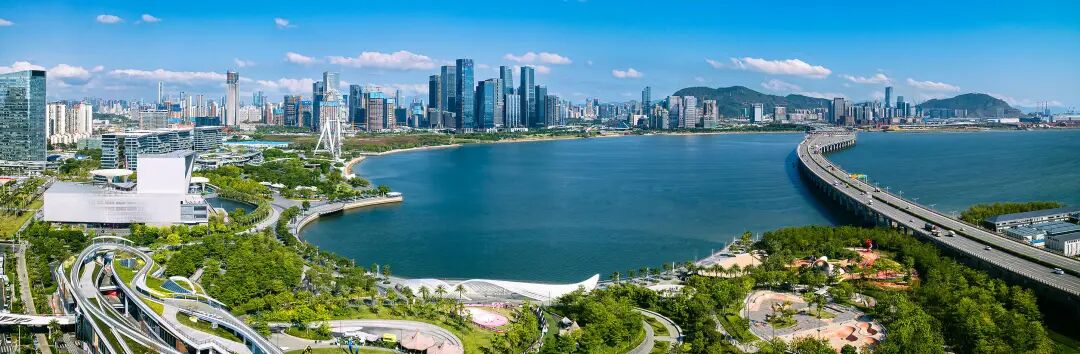
Here I want to talk about Qianhai separately.
AI is fed by data, but how data crosses borders and flows securely is a headache for the whole world. Shenzhen has turned this hard nut into a mechanism that can actually run, and Qianhai has secured its position as a testing ground for data circulation. In the AI era, whoever masters the rules and channels of data circulation grasps a very key throat.
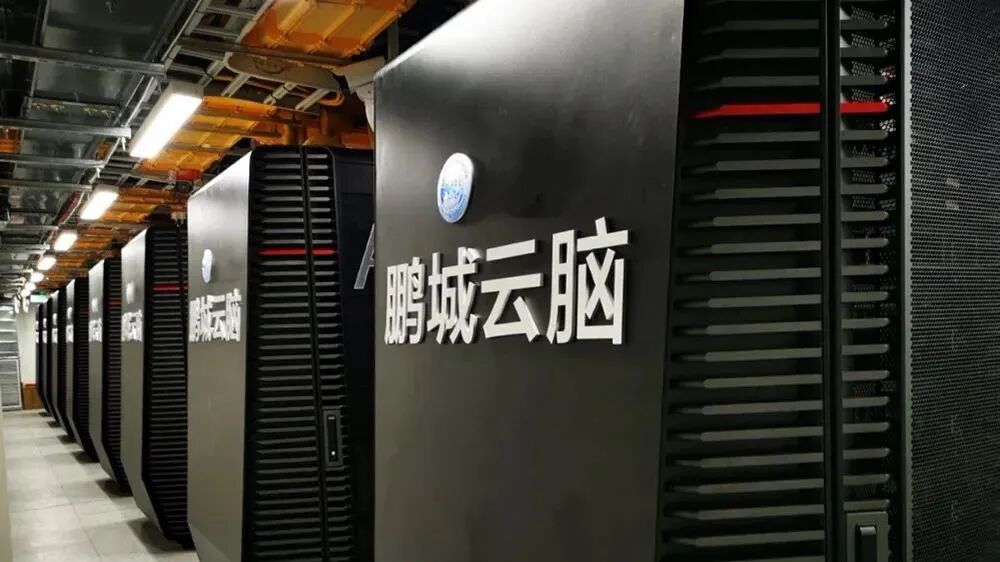
There is also computing power. Shenzhen is already laying out Pengcheng Cloud Brain, with the goal that by 2030, real-time available computing power will exceed 150 exaflops per second. Computing power, data, and rules are all accelerating their gathering in Shenzhen this time.
Connecting these points, you will find that Shenzhen is completing an upgrade, from a purely "city of hardware" to a city with both hardcore industry and rule-making discourse power.
This is a qualitative change, far more valuable than a few specific projects.
The long-term return of talent and confidence
An international grand event will also change people's hearts.
More than 2,000 global political and business representatives came in person, saw, and trusted. This kind of reputation cannot be bought with any amount of money, and it will continue to bring people, orders, and capital for many years to come.
For people in Shenzhen, the most intuitive feeling is that opportunities are increasing. In directions such as AI, robots, and data, new jobs and entrepreneurial windows will keep emerging, and compound talents who understand both technology and industry will be fought over by various companies.
An obvious change around me is that two years ago some friends working in AI were still struggling over whether to go to other places or abroad to seek opportunities. This year, what everyone talks about more is how to land in Shenzhen and how to catch this wave of spillover demand.
Confidence is a subtle thing. When a city is repeatedly confirmed by the world, people and money will naturally gather here.

The conference gave answers and also left suspense. Whether a responsible and interoperable governance framework can truly be implemented, whether small and medium-sized enterprises can afford AI, and whether Shenzhen's industrial advantages can be turned into rule-making advantages—none of these questions will be resolved at the closing ceremony. Their answers will be written in every day of the coming years.
If you have any views, welcome to discuss together in the comments section
If you gained a little from this, you can like, repost, recommend the article, and follow "AI Robot Teahouse"
-
![]()
Pony Ma Has Found the Right Direction: Betting Big to Buy AI's Future
-
![]()
Globalization of Auto Parts 2.0: It's No Longer About Competing on Price
-
![]()
Domesticating Flagship Models: The Traditional Luxury Brands' Last Resort?
-
Dual-Motor and LiDAR Tech Trickle Down: Is the ORA 7 at 140,000 Yuan a Good Deal or Not?
-
![]()
APEC's AI Highlights: How Will They Transform Shenzhen as a City?
-
![]()
What Is Leapmotor Really After? Q3 Revenue of 31.7 Billion Yuan, Yet Only 40 Million Yuan in Profit!
-
![]()
Himile Technology: Tire Mold Leader with Steady Revenue Growth and Over 2 Billion Yuan in Cumulative R&D Investment Over Five Years
-
![]()
WeRide's Q3 2026: Revenue up nearly 90%, gross margin 43%—Is Spring Finally Coming for L4 Companies?