Volkswagen Lays Off 100,000 Employees but Builds Three Battery Factories in Europe with Gotion High-Tech
 10/08 2026
 374
374
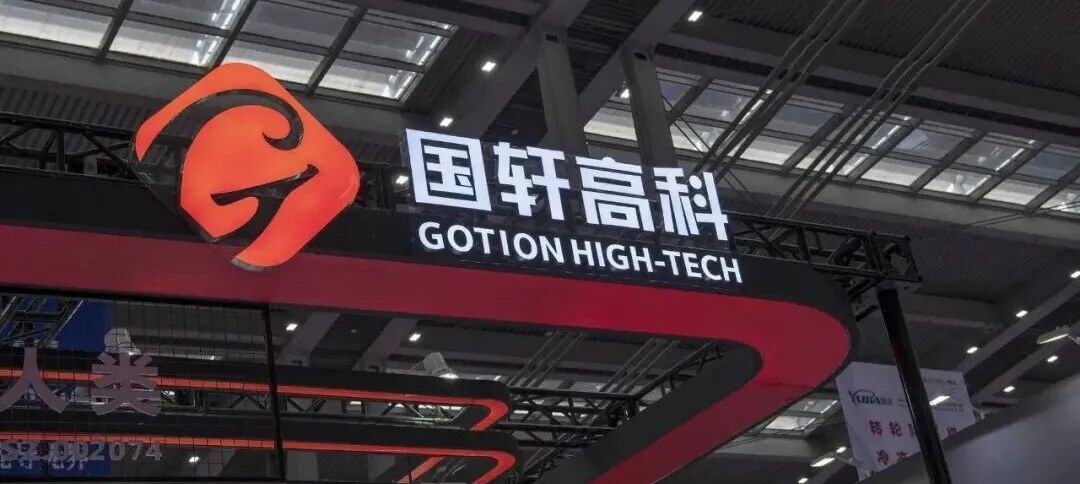
On September 28th, the Volkswagen Anhui Zony 09 rolled off the production line in Hefei, triggering the fourth consecutive trading limit for JAC Motors. On the same day, Gotion High-Tech, also based in Hefei, announced plans to establish three joint ventures with Volkswagen in Spain, Slovakia, and Morocco.
Xingkongjun once said that Hefei is Volkswagen's second Wolfsburg.
Among the three joint ventures, the one in Valencia, Spain, is the largest, with a planned annual production capacity of 29.1 GWh of lithium batteries and a factory for producing 100,000 metric tons of lithium iron phosphate cathode materials annually. The total investment is approximately €2.262 billion, with a combined investment of around €3.222 billion, equivalent to approximately ¥24.62 billion at the announcement date's exchange rate. Gotion will contribute €1.598 billion, equivalent to approximately ¥12.21 billion. These products will primarily supply Volkswagen's European market.
This determines the nature of the contract. Volkswagen provides the capital and market, while Gotion contributes the technology and operations. This is not a financial investment but a long-term supply agreement disguised in equity.
1 From Wholly Owned to Joint Venture: Less Than Two Years in Between
This joint venture did not come out of nowhere. In December 2024, Gotion announced another plan: to independently invest in building a 20 GWh battery factory each in Slovakia and Morocco, with a total investment not exceeding €2.514 billion.
The initial plan was for Gotion to go it alone, funding and operating the factories independently. However, in less than two years, the script changed. The wholly-owned venture was replaced by a joint venture, with Gotion's ownership reduced to about half, and Volkswagen joining as a partner. One factory became three, spanning three countries.
To understand why Volkswagen is investing, we must first examine its own financial statements.
In 2025, Volkswagen Group's sales revenue reached €321.91 billion, a slight decrease of 0.8%, with vehicle sales of 9.022 million units, holding steady. However, operating profit plummeted to €8.87 billion, a 53% drop, marking the worst year since 2016. The operating profit margin fell from 5.9% to 2.8%.
According to Volkswagen, the main reasons were U.S. tariffs, a decline in per-vehicle profitability due to the rising share of electric vehicles, and provisions for software business restructuring. In the first half of 2025 alone, restructuring provisions for Audi and software subsidiary Cariad amounted to €700 million.
In March of this year, Volkswagen first floated the idea of cutting around 50,000 jobs in Germany by 2030. On September 3rd, the supervisory board unanimously approved the Future Pact 2030: global layoffs of 100,000 jobs, accounting for about 15% of its 650,000 employees, halving its vehicle models, and listing four German factories for potential closure.
A nearly century-old industrial giant has shut down its domestic factories and entrusted battery production capacity to a Chinese company.
2 Volkswagen's Battery Woes
Volkswagen did try to take matters into its own hands. Its subsidiary, PowerCo, once harbored ambitions to control the entire battery supply chain.
However, after the electric vehicle boom in Europe receded, PowerCo's expansion slowed: in November 2023, it shelved plans for a fourth factory site; in 2024, it delayed bringing in external investors, with the head stating that no IPO would be considered before the standard cell production began; in September of the same year, it was confirmed that only one of the two planned production lines in Salzgitter would be built.
The decline of the European battery industry is not limited to Volkswagen. Northvolt, once seen as Europe's hope, filed for bankruptcy restructuring in 2024; ACC, a joint venture between Stellantis, Mercedes-Benz, and TotalEnergies, also paused plans for two gigafactories.
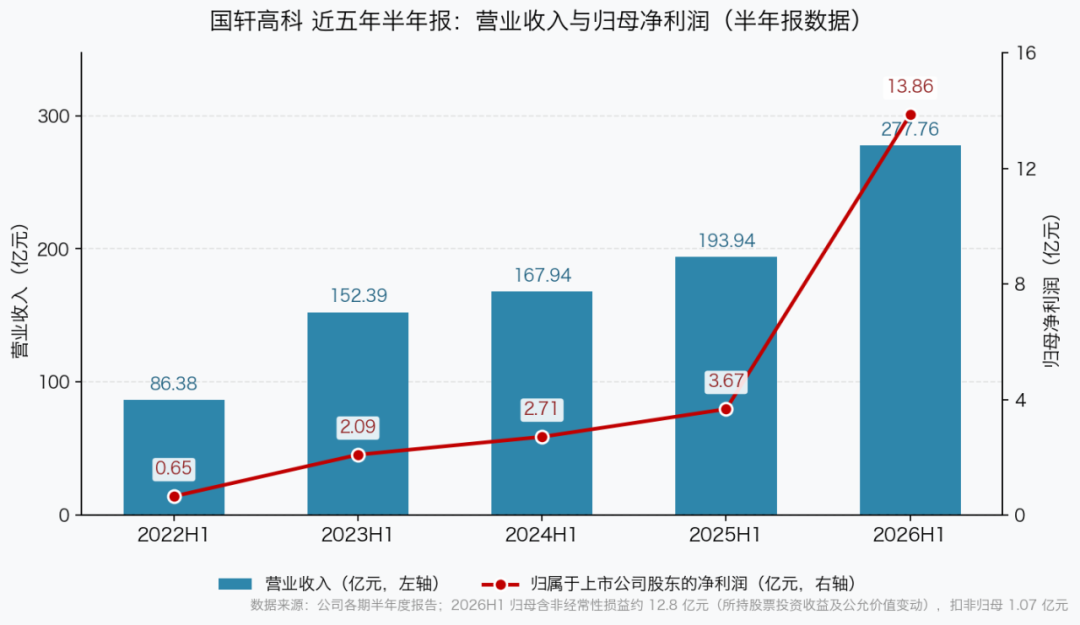
Gotion High-Tech's total operating revenue in the first half of the year was ¥27.776 billion, up 43.22% year-on-year; net profit attributable to shareholders was ¥1.386 billion, up 278.05% year-on-year. Its global market share in power battery installations was 4.6%, ranking fifth globally and third in China, behind only CATL, BYD, and LG Energy Solution.
Data Source: ifind
Its energy storage business ranks among the global top ten. On September 11th, it announced securing a core 6 GWh order for Saudi Arabia's first large-scale battery energy storage project, and on September 21st, it released a hybrid solid-liquid 46 large cylindrical battery for low-altitude applications.
However, its net profit attributable to shareholders after deducting non-recurring items was only ¥107 million. The difference between this figure and the ¥1.386 billion net profit attributable to shareholders lies in ¥1.279 billion in non-recurring gains and losses, with changes in fair value alone accounting for ¥996 million.
3 Volkswagen Anhui
Beyond the three joint venture contracts, Volkswagen has placed another bet in Hefei: Volkswagen Anhui.
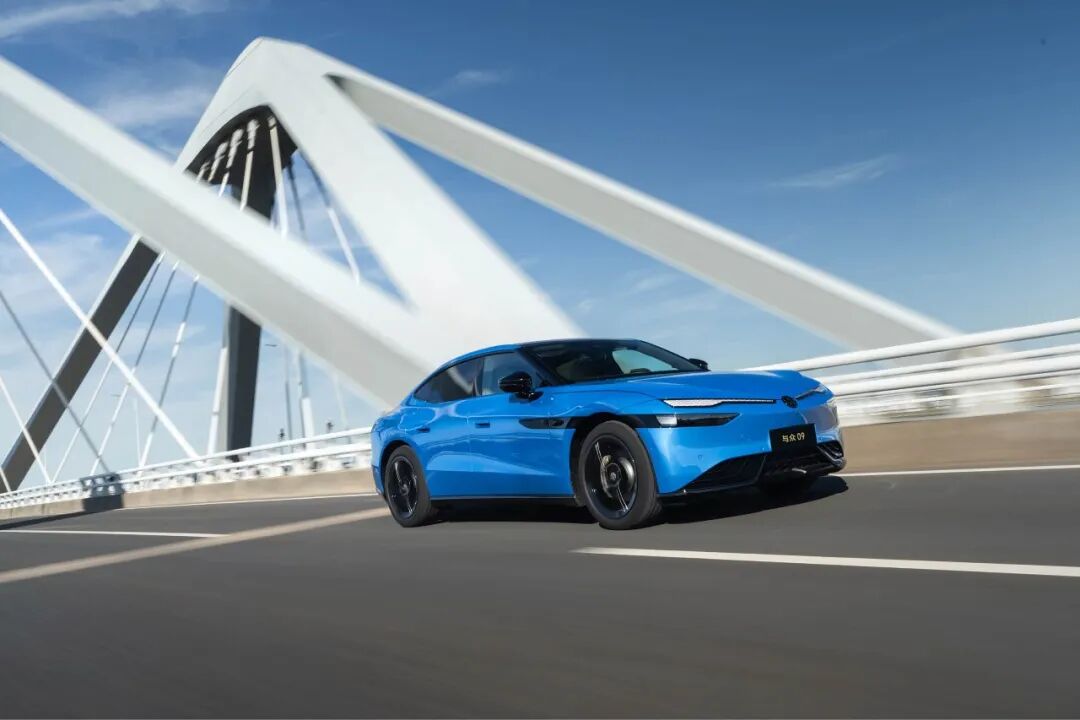
The company is 75% owned by Volkswagen China and 25% by JAC Motors (Volkswagen also holds a 50% stake in JAC Motors). In March 2024, both parties increased their capital contributions by ¥6.5 billion in proportion to their shareholdings, raising the registered capital from ¥7.356 billion to ¥13.856 billion. The Zony 09, which rolled off the production line on September 28th, is priced between ¥199,900 and ¥249,900.
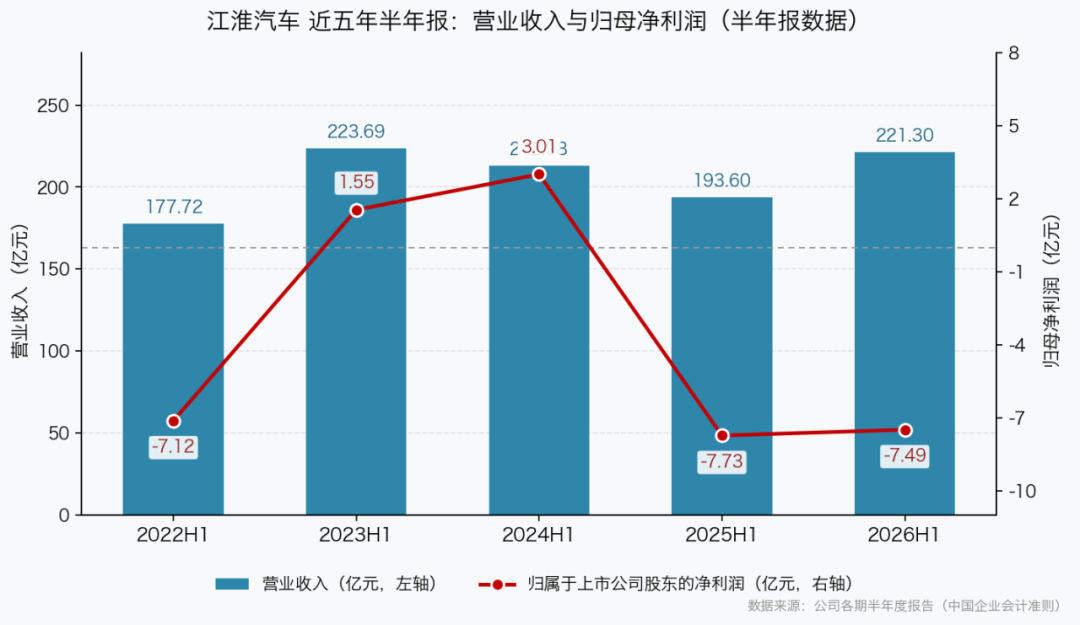
Volkswagen Anhui is still in its investment phase. JAC Motors reported a net loss attributable to shareholders of ¥749 million in the first half of the year, with investment income from losses in associated enterprises contributing approximately -¥130 million, primarily from Volkswagen Anhui.
JAC Motors' revenue in the first half of the year was ¥22.13 billion, up 14.31% year-on-year; its net loss after deducting non-recurring items was ¥991 million, marking the ninth consecutive year of same-period losses. Of its 172,400 vehicle sales, 123,300 were commercial vehicles, and only 49,100 were passenger vehicles. The ZEEKR S800, developed in collaboration with Huawei, has delivered over 19,000 units, but commercial vehicles remain the mainstay.
Data Source: ifind
The Zony series is developed based on the MEB platform, with a hybrid direct sales and franchise channel model. The CEO of Volkswagen Anhui revealed on September 27th that the number of channels would double annually, with a guarantee of over 300 next year.
By considering Volkswagen Anhui alongside the three joint ventures, we can see Volkswagen's direction clearly: focusing on vehicle production and R&D in Hefei, closely tied to the Chinese supply chain, while establishing battery production capacity in Europe and North Africa through joint ventures. Vehicles are close to the market, and batteries are close to regulations.
4 The Gains and Losses of Going Global
Gotion High-Tech's Göttingen base in Germany commenced production on its first line in September 2023, with a planned capacity of 20 GWh in four phases. Upon full completion, it is expected to generate an annual output value of €2 billion. The GIB company in Slovakia received €214 million in state aid, including €150 million in subsidies and €64 million in income tax relief. The project broke ground on October 28, 2025, with the first phase of 20 GWh scheduled to commence production in January 2027.
However, the company's $2.4 billion factory plan in Michigan was halted in October last year after three years of controversy and litigation, with the state government reclaiming $23.6 million in subsidies and canceling $175 million in incentives. In February this year, the Michigan Attorney General's Office also sent a letter to the company inquiring about related matters. The Manteno factory in Illinois, planned to produce 10 GWh of battery packs and 40 GWh of cells, is also facing delays due to the political environment.
The selection of Morocco is also strategic. Located across the Strait of Gibraltar from Spain, it has lower labor costs than Western Europe and has existing trade arrangements with the EU. In 2023, it signed a cooperation plan for the Belt and Road Initiative with China. Establishing a cathode material base there effectively incorporates upstream costs into the radius of the European supply chain.
Now, Gotion is betting all its new production capacity on Europe and North Africa. Spain, Slovakia, and Morocco—none are in the United States.
EU regulatory pressures also play a role. Since October 2024, the EU has imposed anti-subsidy tariffs on electric vehicles originating from China, with BYD, Geely, and SAIC subject to rates of 17%, 18.8%, and 35.3%, respectively. Direct exports of batteries face tariffs and localization requirements. Moving Chinese companies' production lines to the other side of the Atlantic significantly reduces compliance costs.
-END-
Disclaimer: This article is based on the public company attributes of listed companies and relies primarily on information disclosed by the listed companies in accordance with their legal obligations (including but not limited to interim announcements, periodic reports, and official interaction platforms) as the core basis for analysis and research. Shiyu Xingkong strives to ensure the fairness of the content and viewpoints presented in the article but does not guarantee its accuracy, completeness, or timeliness. The information or opinions expressed in this article do not constitute any investment advice, and Shiyu Xingkong assumes no responsibility for any actions taken based on the use of this article.
Copyright Notice: The content of this article is original to Shiyu Xingkong and may not be reproduced without authorization.
-
![]()
JAC Motors’ Stock Price Rockets for Three Days Straight: Is the ‘Huawei Partnership’ Being Treated as a Cash Cow?
-
![]()
What Does China's Motorcycle Industry Still Lack After 7 Billion Views?
-
![]()
Yijing’s First Car Hits the Market: Timing, Location, and Target Audience—How to Get Them Right?
-
![]()
Volkswagen Lays Off 100,000 Employees but Builds Three Battery Factories in Europe with Gotion High-Tech
-
![]()
GAC Group: Pioneering Integration Among Domestic Automakers
-
![]()
Huawei and Seres Forge Alliance: A Strategic 'Remarriage'!
-
![]()
The Largest IPO in History, But Its Future Prospects Are Cause for Concern!
-
![]()
BYD's Export Surge: A Global Triumph!