What Does China's Motorcycle Industry Still Lack After 7 Billion Views?
 10/08 2026
 483
483
Huasheng Says
Huasheng has been reporting on motorcycles for nearly a decade. To be honest, this year's CIMAMotor is the "richest" I've ever seen—rich in attention, traffic, and capital.
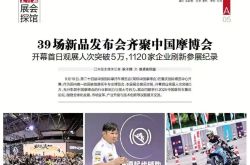
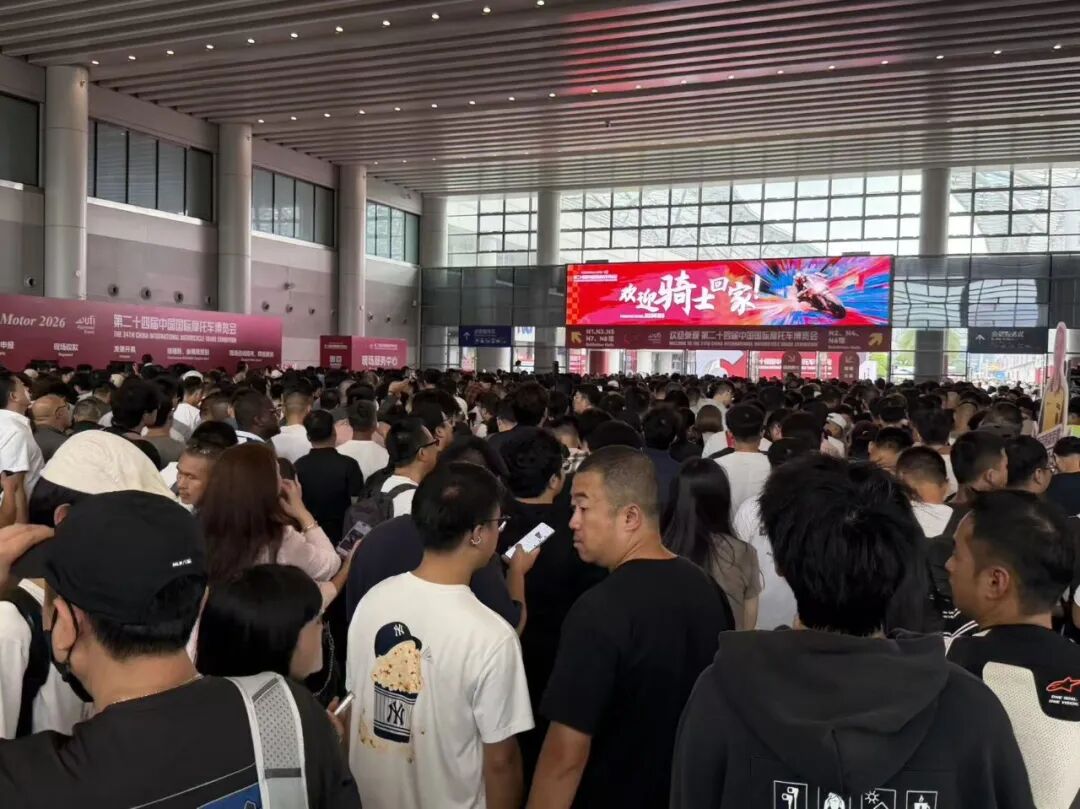
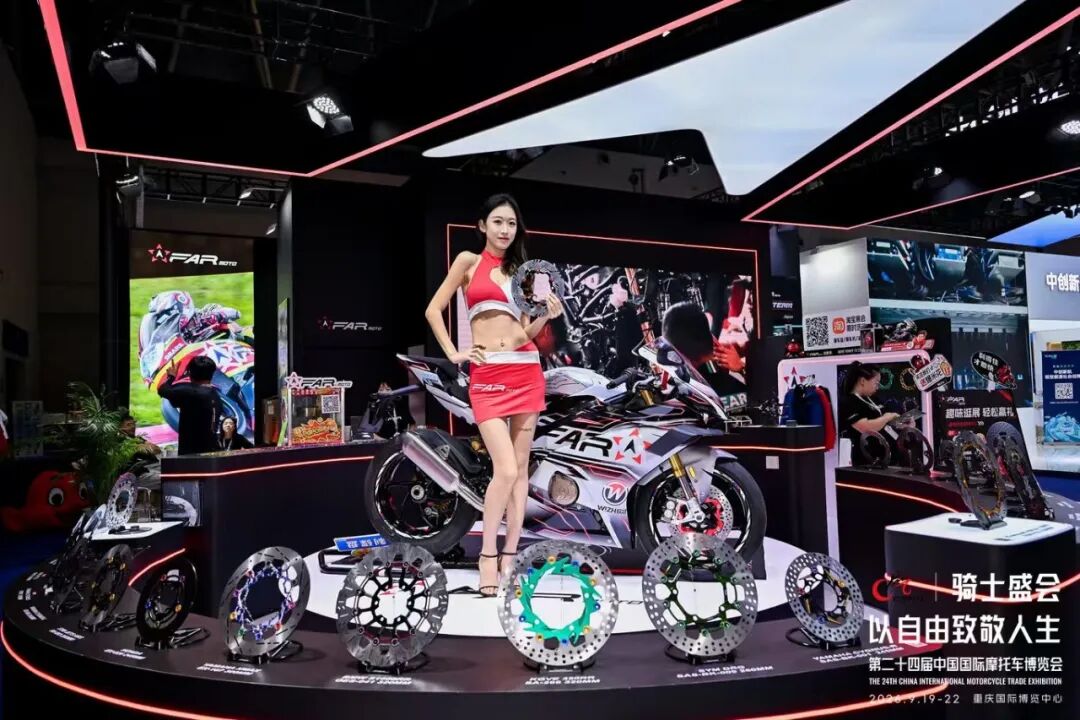
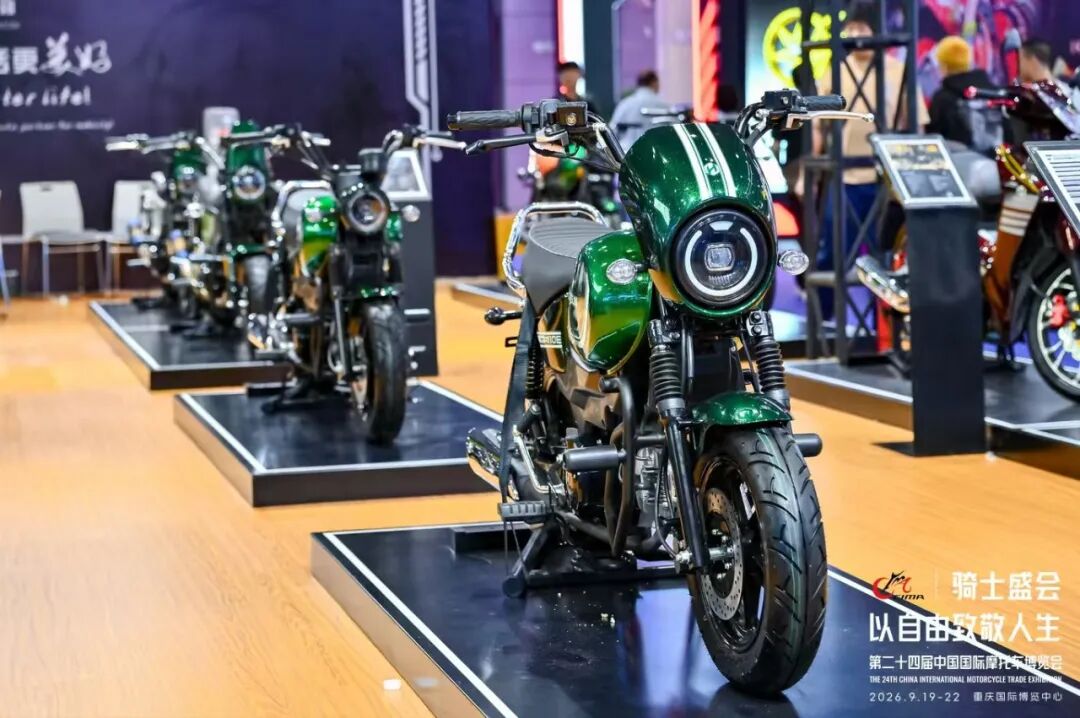
Over four days, the event attracted 300,000 visits, with 860 media outlets and 2,058 journalists present, generating 7.065 billion online discussions. A total of 1,120 companies exhibited, showcasing 3,100 models, marking a historic high. These figures would be considered a sensation in any industry.
Every major media outlet in China attended. Not just niche motorcycle media, but influencers from finance, politics, and lifestyle also flocked in. I even met many colleagues from the top three state-owned media groups.
"We've never fought such a well-resourced battle," an executive from a participating company told me, his voice hoarse from interviews. The attention from various media was overwhelming.
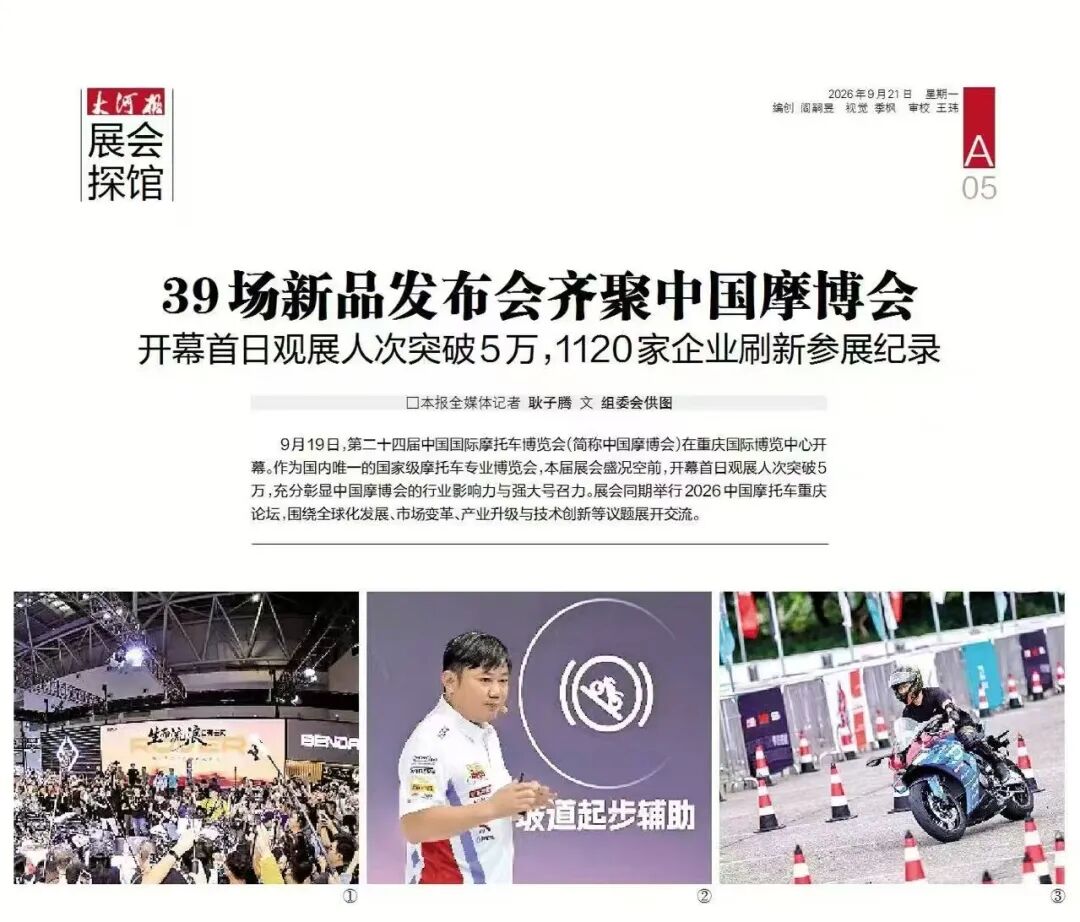
Traffic is a good thing. With 300,000 people flooding into Chongqing and 7 billion discussions dominating screens, motorcycles are finally being noticed.
But what comes after being noticed?
Whether technological investments are genuine, whether right-of-way issues can be addressed, and whether going global can be done effectively—these are the key factors determining how far China's motorcycle industry can go.
This year's CIMAMotor has been lively, and it's a good start.
01. Where Does the Traffic Come From, and Why Has the Industry's Status Changed?

Zhang Xue's championship victory was a turning point. Since then, motorcycles have transformed from being seen by some as "a substitute for those who can't afford cars" to a symbol of "new quality productivity," an entertainment tool, and a story that capital is willing to invest in.
Wu Huacong, chairman of 39-year-old Liike Motorcycle, observes that motorcycles evolve in a country from being a tool for poverty alleviation to a means of transportation, and finally to a recreational tool. China's motorcycles are completing this three-stage transformation—previously, overseas consumers bought their first bike from China and switched to Japanese or Italian brands when they could afford it; now, their first, second, and third bikes can all be Chinese-made.
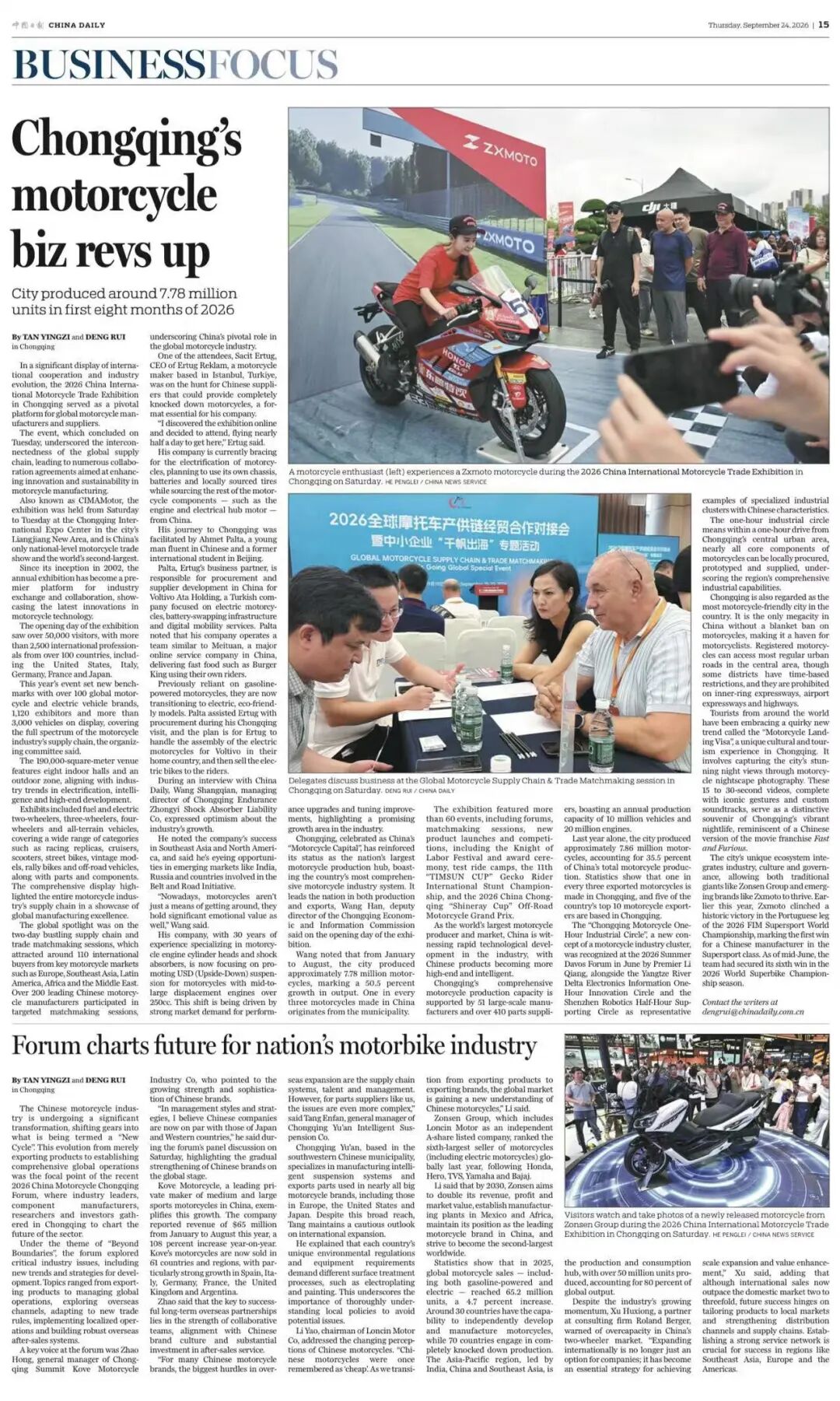
An even more significant signal emerged in June this year when Premier Li Qiang mentioned the "one-hour industrial circle of Chongqing motorcycles" at the Summer Davos Forum—the first time a top Chinese leader publicly discussed motorcycles on an international stage. From being marginalized to being named by the highest level, the industry's status has indeed changed.
Data confirms this shift. From January to August 2026, Chongqing produced 7.776 million motorcycles, up 50.5% year-on-year, with one out of every three motorcycles produced nationwide being made in Chongqing. Large-displacement recreational motorcycles reached 275,000 units, up 54.5%; electric motorcycles hit 3.127 million units, up 63%. By 2025, nationwide production of large-displacement recreational motorcycles (above 250cc) exceeded 950,000 units, far outpacing the industry average growth rate.
Capital is also entering the fray. In December 2024, Zongshen, together with Chongqing State-Owned Assets YuFu Holdings, acquired Loncin Motor (603766.SH) for 5.461 billion yuan, marking the largest merger in China's motorcycle industry. In August 2026, Yadea fully acquired Jinjian Electric Two-Wheelers for 1.002 billion yuan. Industry concentration is rapidly increasing, making life harder for smaller players while giving larger firms greater influence.
This wave of traffic far surpasses the 2022 surge driven by "self-expression passion" in domestic demand. The players, focus, and even the audience for motorcycles have changed.
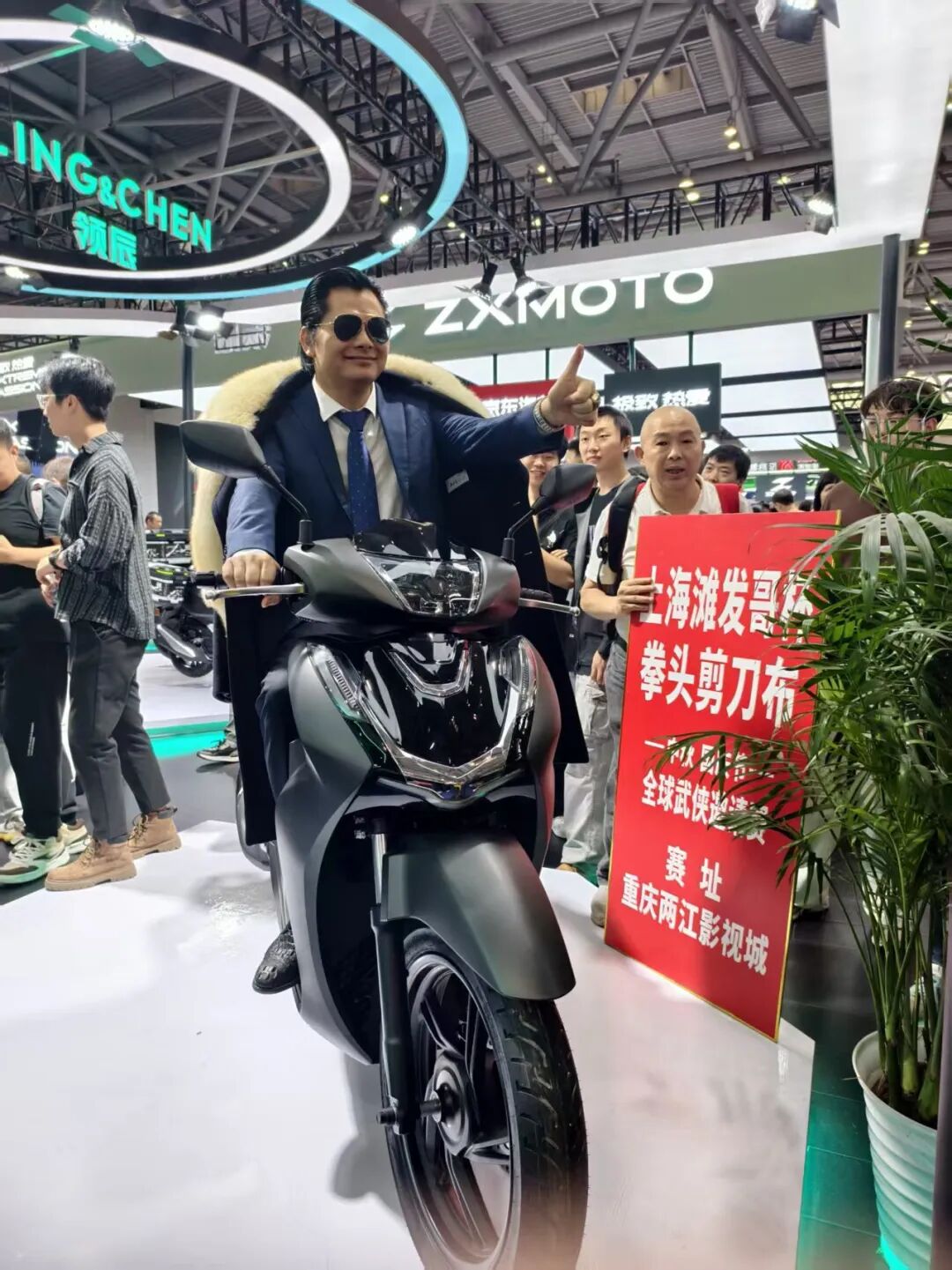
But with traffic here, what comes next? Beyond traffic and capital, what else does China's motorcycle industry need? In Huasheng's view, the key questions are whether technological investments can be sustained and whether intelligent capabilities can be effectively implemented.
02. Can Technological Investment Be Sustained, and Will Intelligent Capabilities Be Effectively Implemented?
Li Yao, chairman of Loncin Motor, stated at the forum that one characteristic of the new cycle is the shift "from assembly manufacturing to Chinese intelligent manufacturing."
Early Chinese motorcycles imitated designs, sourced carburetors, and relied on supply chain assembly. Now, things are different—cornering ABS (anti-lock braking system), electronic torque control, and blind-spot monitoring—intelligent capabilities from the automotive sector are spilling over into motorcycles.
The intelligent capabilities honed in the competitive automotive industry are now benefiting motorcycles. This is fortunate for motorcycles and for China's manufacturing sector as a whole.
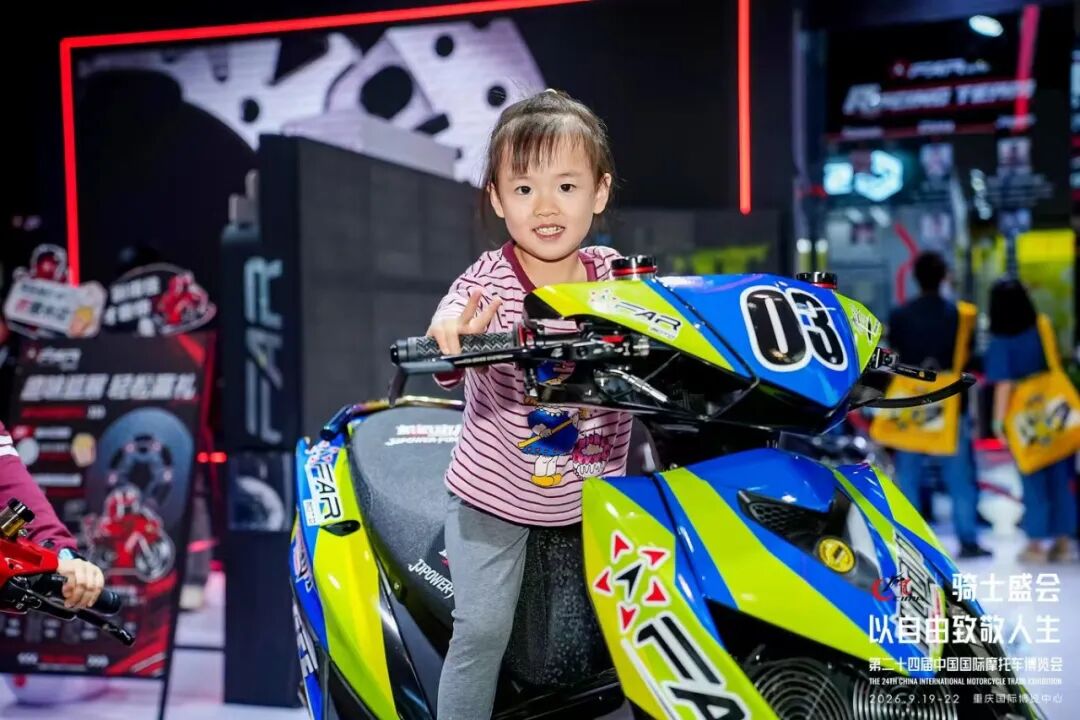
Racing serves as the most direct litmus test for technological investment. New players like Zhang Xue Motorcycle have won world-class championships within a few years of establishment, then applied racing technologies to consumer models. Kaiyue follows a similar approach—participating in the Dakar Rally and WSBK (World Superbike Championship), winning the WSBK Northern Triple Crown in 2025 and three stage victories at the Dakar Rally in January 2026. Only five brands have ever won at the Dakar Rally.
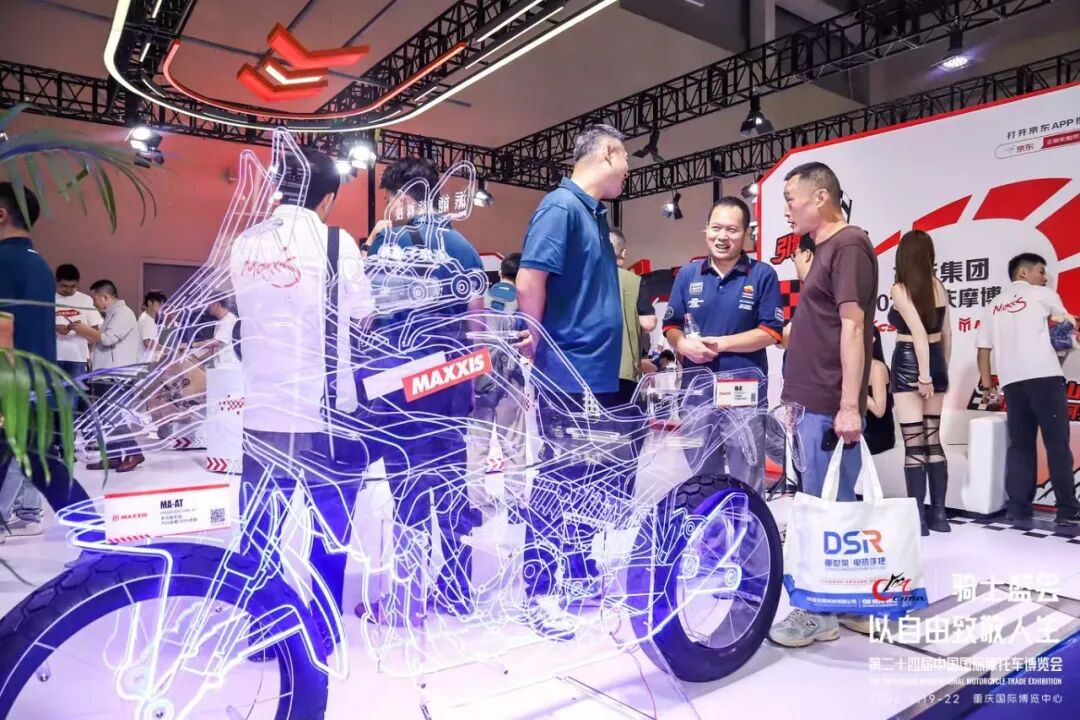
Zhao Hong, general manager of Kaiyue, put it bluntly: "China's motorcycles have waited 20 years to shift from exporting quantity to exporting quality." In his view, racing is not just a promotional expense but part of R&D—"truly integrating racing into your R&D process and using it to drive product iteration is a long-term asset."
Two decades of technological accumulation have led to today's achievements. The logic holds, but the real test is whether companies will continue investing heavily in R&D after the hype fades.
03. Can the Right-of-Way Ice Be Broken, and Who Will Pay for Non-Compliant Chaos?
This is what Huasheng cares about most and where traffic should make the biggest impact.
In the old cycle, the motorcycle industry was marginalized and suppressed: urban bans, highway access restrictions, and a 10% consumption tax. In the new cycle, motorcycles represent livelihoods, entertainment, and a better life. Some cities have begun lifting bans, and the industry is now listed as a competitive and characteristic (characteristic) industry.
Liu Xin, vice president of the China Motorcycle Chamber of Commerce, listed industry demands at the forum: scientific optimization of bans, improved highway access rights, optimization of the 13-year scrappage policy, and tiered adjustment of motorcycle consumption taxes. Each represents a burden on the industry.
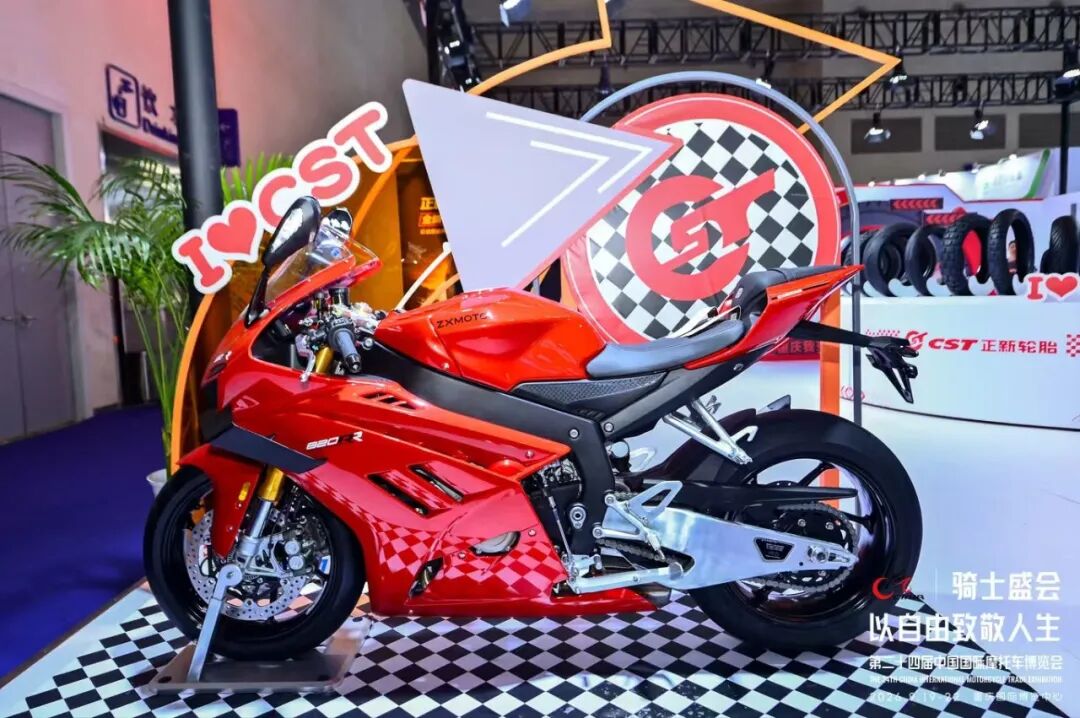
Regrettably, non-compliant electric bicycles have caused problems. Those exceeding speed limits, weight limits, or illegally modified non-compliant electric bikes cause chaos on roads, yet the blame falls on motorcycles. Legal vehicles bearing the consequences of illegal ones is the industry's greatest frustration.
With increased traffic and attention, can these issues be brought to the forefront? Can the public and policymakers see that motorcycles are a legitimate form of transportation and lifestyle?
After all, suppressed travel demands don't disappear—they only resurface in more dangerous ways.
04. How to Answer the Globalization Challenge, and When Will Systemic Shortcomings Be Addressed?
Now that Chinese motorcycles are stronger and more innovative, with opportunities to go global again, how should they seize them?
In 2025, China exported 13.36 million motorcycles, worth $8.85 billion, with growth in both volume and value. Domestic sales stood at just over 5 million units, making exports more than twice the domestic market.
The positive news is that Chinese brands have gained a foothold in the premium market. Loncin's Vooge brand achieved a 5.79% registration share in Europe's top five markets (Italy, Spain, France, Germany, UK), becoming the first Chinese company to break 5% and ranking just behind Honda and BMW.
However, Xu Huxiong, global partner at Roland Berger, poured cold water: "Going global isn't just a growth option for two-wheeler players—it's a must.
"A must" means it's non-negotiable, but success isn't guaranteed.
Domestic two-wheeler capacity utilization is below the national average, and domestic sales peaked in 2023 before fluctuating. With a limited domestic market, going global is essential. But going global isn't just about selling bikes—after-sales service, localization, brand building, compliance risks, and currency fluctuations are all potential pitfalls.
Bao Zhengqin, vice president of Keeway Group, said the biggest challenge is after-sales service. New players can't match the service capabilities of local established brands overnight.
Zhao Hong's assessment is more direct: "The first 20 years of going global were about products; the next phase should be about building organizational systems abroad."
He Ge, founding partner of Gao Capital, highlighted a deeper issue from a capital perspective: Chinese companies lack global capital tools when going abroad. For example, in Indonesia, Yamaha holds 90% market share and earns not just from bike sales but also from the local high-interest financial system. "We're not capturing that value."
Some global brands now sell more than just bikes—they offer financial and other derivative services. This requires brand and system building.
Pessimists see risks; optimists see future.
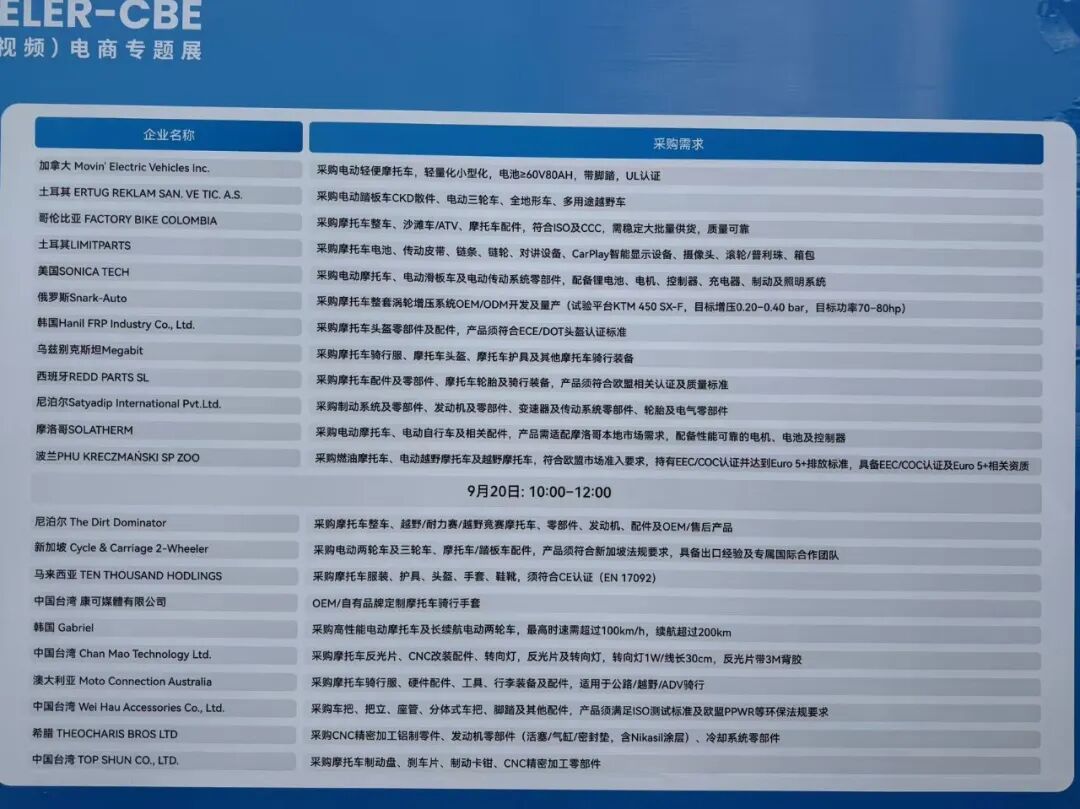
Coinciding with CIMAMotor, the "Global Motorcycle Supply Chain Economic and Trade Cooperation Matchmaking Event" took place. Over 110 international buyers from key global markets—Europe, Southeast Asia, Latin America, Africa, and the Middle East—met face-to-face with 200 Chinese companies, releasing 133 procurement needs and holding 495 matchmaking sessions, with intention (intended) procurement value reaching $420 million. The path forward is widening.
From product exports to brand exports, then to systemic and capital exports, the road ahead for China's motorcycles is long and arduous.
By Li Xiyin · Huasheng
-
![]()
Polarization of Light: The ‘Sense of Direction’ in the Realm of Transverse Waves
-
![]()
Polarizer, Wave Plate, and Polarized Light Path Design: The Essential Framework of Polarization Optical Systems
-
![]()
JAC Motors’ Stock Price Rockets for Three Days Straight: Is the ‘Huawei Partnership’ Being Treated as a Cash Cow?
-
![]()
What Does China's Motorcycle Industry Still Lack After 7 Billion Views?
-
![]()
Yijing’s First Car Hits the Market: Timing, Location, and Target Audience—How to Get Them Right?
-
![]()
Volkswagen Lays Off 100,000 Employees but Builds Three Battery Factories in Europe with Gotion High-Tech
-
![]()
GAC Group: Pioneering Integration Among Domestic Automakers
-
![]()
Huawei and Seres Forge Alliance: A Strategic 'Remarriage'!