Surge! 'Huawei and Seres Reunite': Seres' Hong Kong Stocks Witness a Robust 10% Rebound
 10/08 2026
 509
509
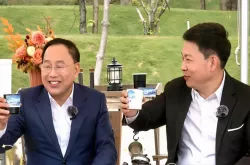
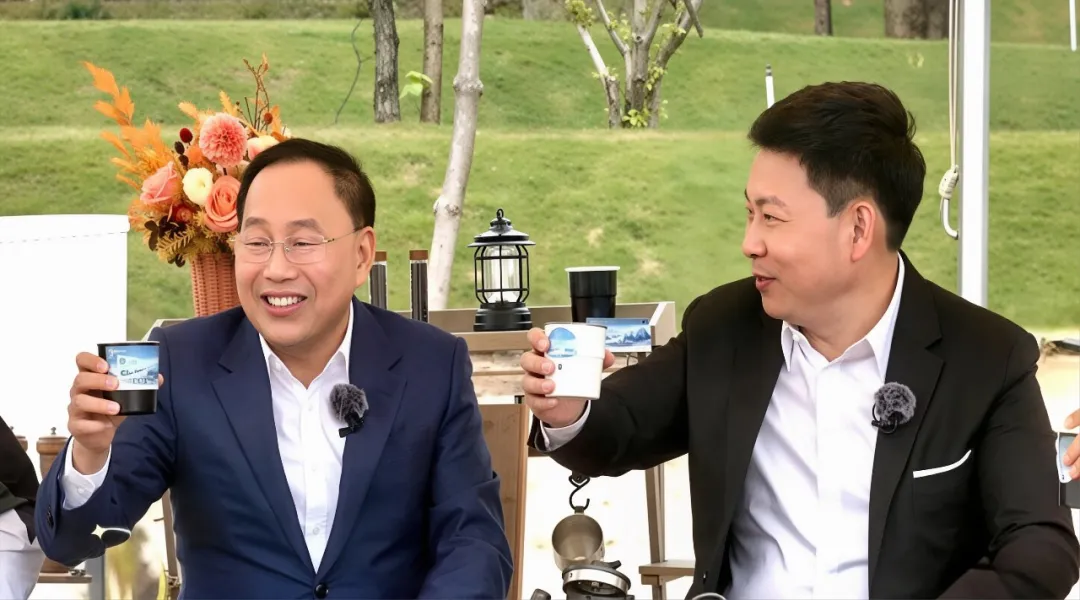 Zhang Xinghai from Seres and Yu Chengdong from Huawei. Image source: CCTV News via Weibo
The drama unfolding in the capital market often surpasses the excitement of TV shows. During the National Day holiday, a significant "breakup and remarriage" saga took place in the new energy sector, with Seres and Huawei reuniting once again.
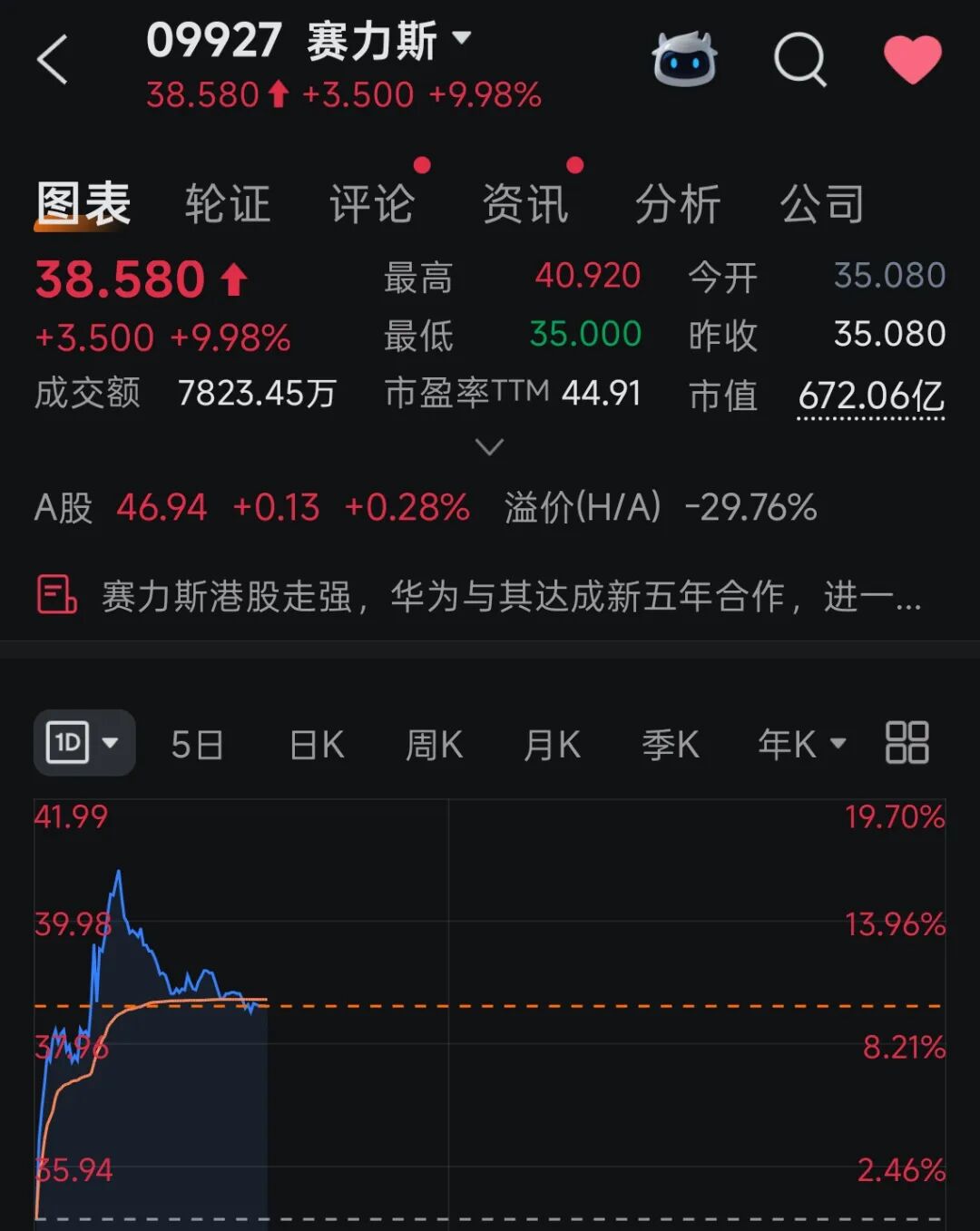 Image source: Futu APP
On September 30, Huawei and Seres inked a new five-year cooperation agreement in Shenzhen, instantly sparking market enthusiasm. By October 2, Seres' Hong Kong stocks experienced a dramatic surge during trading, peaking at over a 13% increase and securing a solid rise of more than 10%. The topic skyrocketed to the top of trending searches, captivating the entire internet.
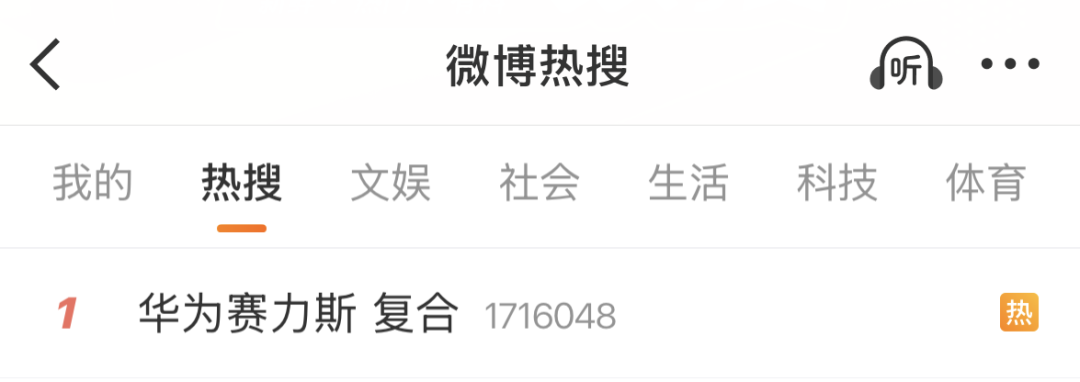
The related topic soared to the top of trending searches.
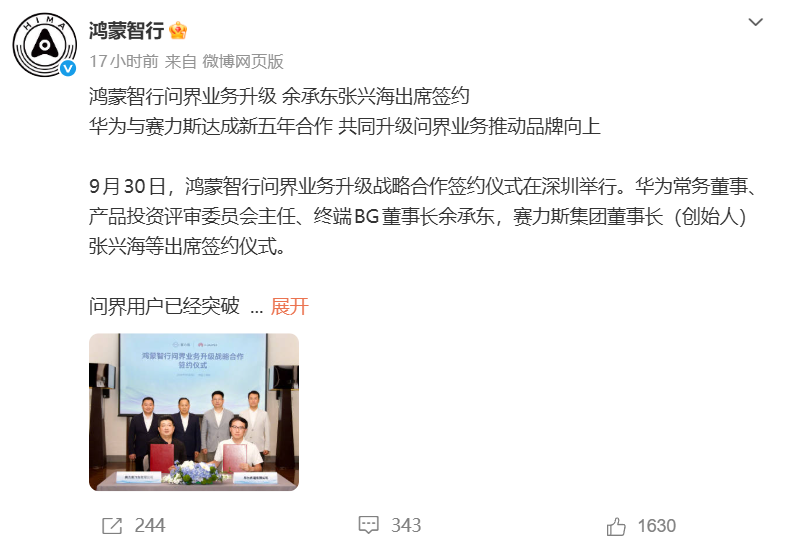
Image source: Weibo 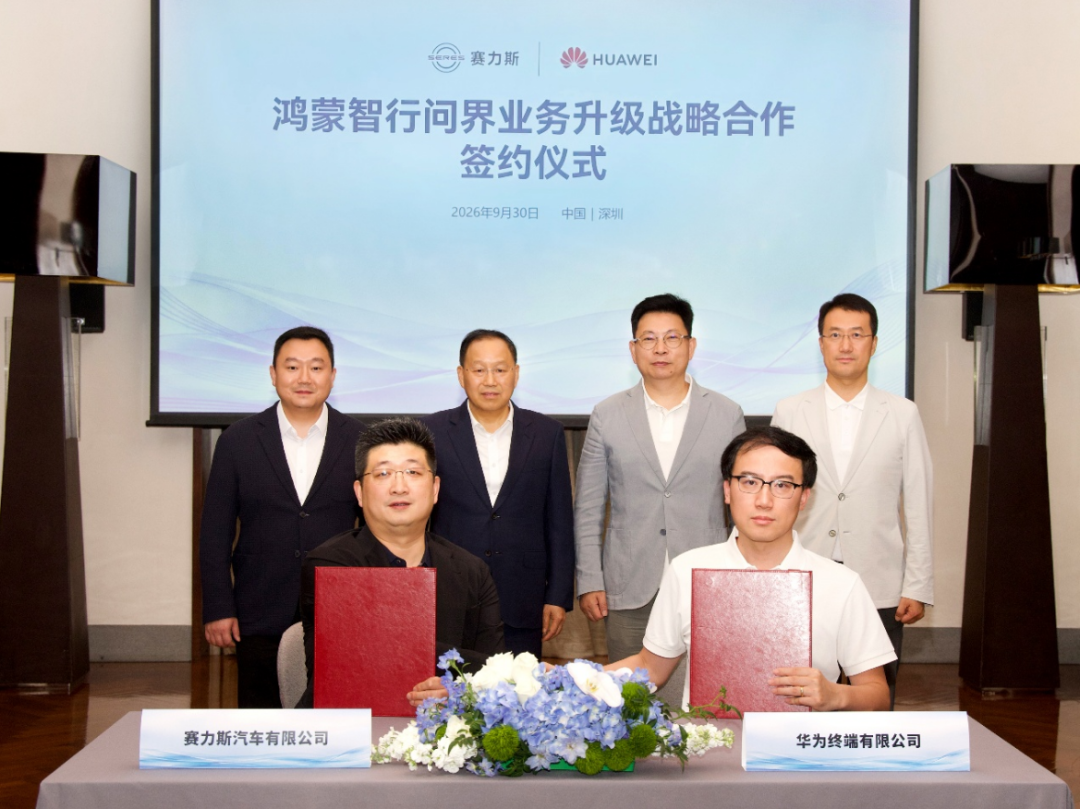 Image source: Zhichejie
As the stock price surged, netizens' reactions and complaints poured in. Some celebrated: "We've got our backbone back; it's truly different now, standing tall." However, more skeptics poured cold water: "The remarried couple doesn't seem happy at all."
This comment hit the mark. This seemingly joyful reunion was not a result of reconciliation but rather a dignified compromise reached after negotiations. The lively market sentiment is merely a facade; the underlying contradictions have not vanished.
A Stunning 180-Degree Reversal in Half a Month: Announcing a Split, Then Signing a Five-Year Deal
The catalyst for the entire event occurred on September 15.
Harmony Intelligent Mobility and AITO Automotive simultaneously issued a major announcement: AITO would adopt an exclusive franchise model. From then on, product definition, design, brand marketing, store channels, and full after-sales services would all be led by Seres, with Huawei providing only technical support.
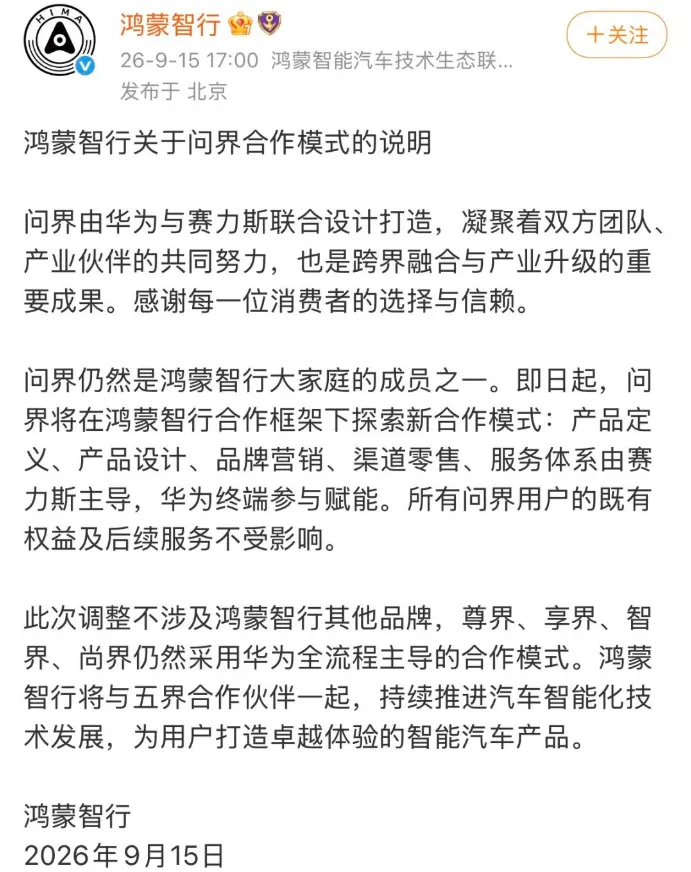 Image source: Weibo
The announcement immediately caused an uproar in the market. Everyone's initial reaction was: Huawei is gradually withdrawing, AITO has no safety net, and Seres is planning to go solo. Pessimism spread instantly, with netizens' negative comments flooding in: "Without Huawei, Seres will quickly revert to being Xiaokang," while others posed a soul-searching question: "Can a broken mirror be mended? Will Harmony Intelligent Mobility still invest resources as before?"
 AITO logo
Questions and doubts poured in, prompting executives from both sides to repeatedly step in to clarify the new model.
Seres' Chairman Zhang Xinghai stated that exclusive franchising is a common practice for luxury brands, relying on exclusive channels and teams to elevate brand value. Yu Chengdong was more direct: Seres proposed taking the lead in operations, and Huawei supported this move. At the same time, he indicated that Huawei's resources would shift toward four other brands: MAEXTRO, STELATO, LUXEED, and UXBAN.
Netizens immediately joked: "The main wife is back. The concubines who were eager to seize power have cooled off again." Many others took the opposite stance: "Huawei doesn't need to backtrack on its decision," believing that withdrawing in time and focusing on nurturing new brands was the best move.
At that time, public opinion almost unanimously concluded: The honeymoon period between Huawei and AITO was over, and cooperation would become loose.
Who could have imagined that just half a month later, the plot took a 180-degree turn. At the September 30 signing ceremony in Shenzhen, Yu Chengdong and Zhang Xinghai personally attended to finalize the new five-year strategic cooperation. The official statement sounded optimistic: AITO users had surpassed 1.2 million, marking a new phase for the brand. Both sides were upgrading their partnership, aiming for a high-end positioning and targeting the new luxury market.
This single contract immediately put an end to all "split rumors." The stone hanging over investors' hearts was lifted, and funds rushed in, causing Seres' Hong Kong stocks to surge.
However, jokes continued, with some netizens seeing through the situation: "Old Zhang and Young Zhang are back to being wage earners." On the surface, Seres regained brand leadership, but at its core, it still relied on Huawei's intelligent technology, meaning its influence was not as significant as imagined.
The Underlying Logic of the Rapid Reunion: Not Nostalgia, But a Result of Multi-Party Negotiations
Many are curious: After making headlines with talk of a split, how did they reconcile in just a few days?
Online interpretations from industry insiders shed light: It was likely that the Chongqing municipal government opposed independence. Seres' factory setup was a key industrial project supported by Chongqing, with many collaborations secured under Huawei's guarantee. Seres is not just an ordinary automaker; it is a cornerstone of Chongqing's automotive industry, tied to massive output, employment, and the entire supply chain. Local authorities would never stand by and watch a flagship project collapse.
Setting aside external factors, this dramatic split-and-reunion drama was essentially a negotiation triggered by imbalanced interests, not a genuine breakup.
The flaws of the old cooperation model had long been a source of resentment. Huawei provided the Harmony cockpit and advanced intelligent driving solutions, controlled store channels, and reaped technical and channel benefits with light assets; Seres shouldered all the heavy assets, building factories, manufacturing cars, and financing the supply chain, investing massive amounts of capital while struggling under the weight.
Now, with fierce price wars in the new energy vehicle sector, profit margins per car have been squeezed to razor-thin levels. The manufacturing side is suffering, and Seres, doing the heaviest work, has not had an advantage in profit distribution, leading to growing contradictions. Seres' push for brand leadership was, in essence, a bid for more power and revenue, unwilling to remain a mere contract manufacturer.
Netizens' views were sharply divided. One camp firmly sided with Huawei: "Harmony relies entirely on AITO; AITO would collapse without Harmony," believing the two were deeply intertwined and could not survive without each other. The other camp calmly reminded that this reunion only temporarily masked the contradictions, not resolving them at their roots. The new five-year agreement essentially renegotiated a more balanced profit-sharing scheme: recognizing the value of Huawei's technology while also accounting for Seres' massive investments in car manufacturing.
In summary, the demands of all parties were clear: Seres wanted more say and profits; Huawei did not want to lose the flagship brand it nurtured while diverting resources to the other "Four Realms"; the local government wanted to stabilize the industrial landscape. All sides made concessions, leading to this seemingly perfect renewal.
Short-Term Stock Price Surge, But Long-Term Challenges Remain Unresolved
It is crucial to understand: The stock price surge was purely an emotional recovery, not a sign that all problems have been solved. The cutthroat competition in the new energy sector will not pause because of a single contract.
On October 1, Harmony Intelligent Mobility announced September delivery figures: A total of 37,490 units were delivered across five brands, down 11% from August's 42,101 units. Stagnant growth is now out in the open.
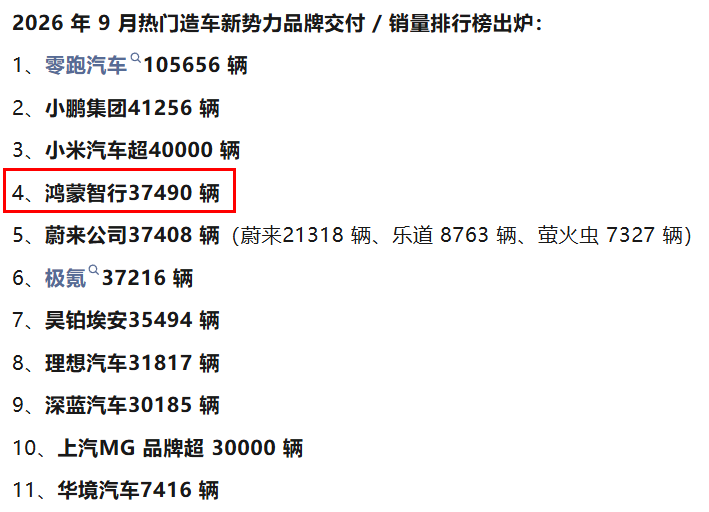
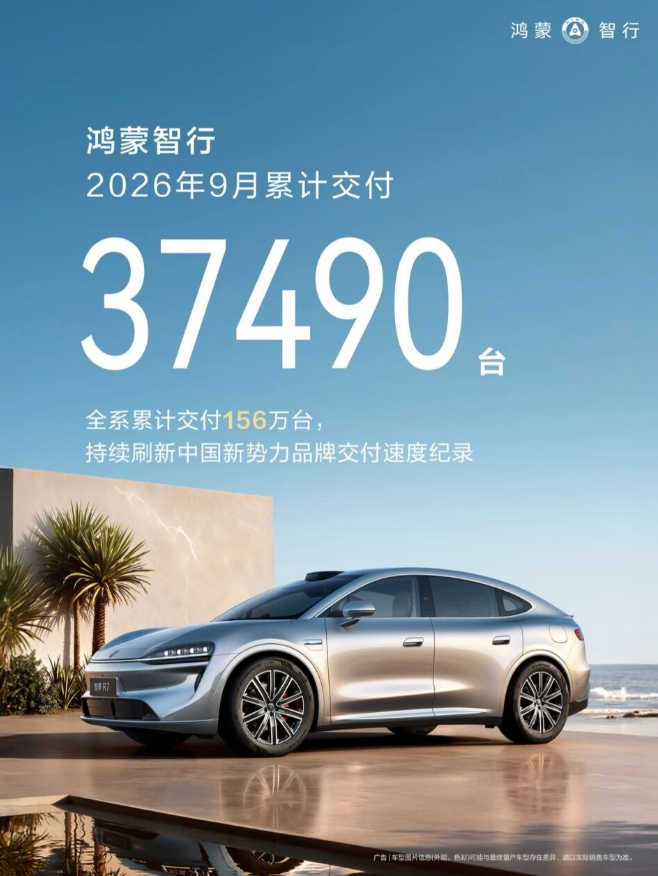 Image source: Zhicaijing
The sector is surrounded by strong competitors: BYD holds its ground in the mass market, Li Auto firmly controls the high-end market, and Xiaomi Automobile is making a strong entry. Everyone is fiercely competing on features, pricing, and intelligent driving. AITO's goal of maintaining its new luxury positioning will only become more difficult.
The question on everyone's mind remains unanswered: After the renewal, will Harmony continue to allocate resources to AITO as it did in the early days?
Huawei has made it clear that its focus will shift to MAEXTRO, STELATO, LUXEED, and UXBAN. With resources diverted, will AITO's "Huawei content" be diluted? Will model iteration speeds slow down? Will intelligent driving upgrades maintain their original standards? These questions hang in the air.
Seres, now taking the lead in brand management, also faces major tests. Can it continue to create hit models outside Huawei's dominant marketing system? Will building exclusive channels burn more money? Can it maintain a high-end brand image?
These challenges cannot be resolved with a single five-year agreement.
In Conclusion
This "remarriage" between Huawei and Seres is a short-term boon for the capital market, a stability plan for local industries, and, more importantly, a mutual compromise after commercial negotiations.
The back-and-forth drama over half a month made one thing clear: In the business world, there is no eternal love, only eternal interests.
Trending searches and stock price surges are just short-term excitement. The automotive industry never survives on stories and sentiment; ultimately, it always comes down to products, sales, and real profits.
While a new five-year journey seems to have begun, dark currents still flow beneath the surface. Moving forward, whether AITO can maintain its reputation, whether Seres can truly turn a profit, and how Huawei will allocate resources among multiple brands are all worth watching closely.
The widely watched automotive CP drama is far from reaching its conclusion.
Interactive Topic: What do you think of Huawei and Seres' rapid reunion? Can AITO stabilize its high-end market without Huawei's full support? Welcome to share your thoughts in the comments!
Disclaimer: This article is solely a financial commentary on major companies and does not constitute any investment advice. All corporate data and regulatory events mentioned herein are from public information and are for reference only. Specific details should be based on official announcements. Image sources are from the internet; if there are copyright issues, please contact us for removal.
-
![]()
Lei Jun Expresses Gratitude to 'Young Enthusiasts' Online, Netizens Comment: 'Future Core Car Buyers Are Already in the Bag'
-
![]()
Only 84,000 Yuan! Honda Unveils New Car: Launching for Sale on October 6
-
![]()
Starting at 1.59 Million? Aston Martin Officially Unveils New Model: On Sale from October 4th
-
![]()
Surge! 'Huawei and Seres Reunite': Seres' Hong Kong Stocks Witness a Robust 10% Rebound
-
![]()
Wang Chuanfu Stages a Comeback: Fangchengbao’s Remarkable Performance Leaves Competitors in Awe
-
![]()
Latest Developments: JAC Motors Breaks Silence on Huawei-Maserati 'MaJie' Rumors!
-
![]()
Breaking News! Seres and Huawei to 'Reunite,' New Car Prices Set to Increase by 30,000 Yuan
-
![]()
Xi’an Jiaotong University Develops Teleoperation Robot Model; Lancet Robotics Secures Multi-Million Yuan Angel Round Funding