While Competitors Struggle, GM Stands Firm with $4.1 Billion Profit
 10/23 2026
 537
At this steady pace, GM demonstrates remarkable composure.
My initial impression after reviewing GM's third-quarter financial results, released on October 21, is that GM is thriving comfortably.
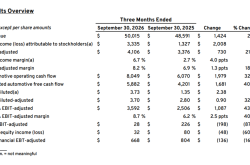
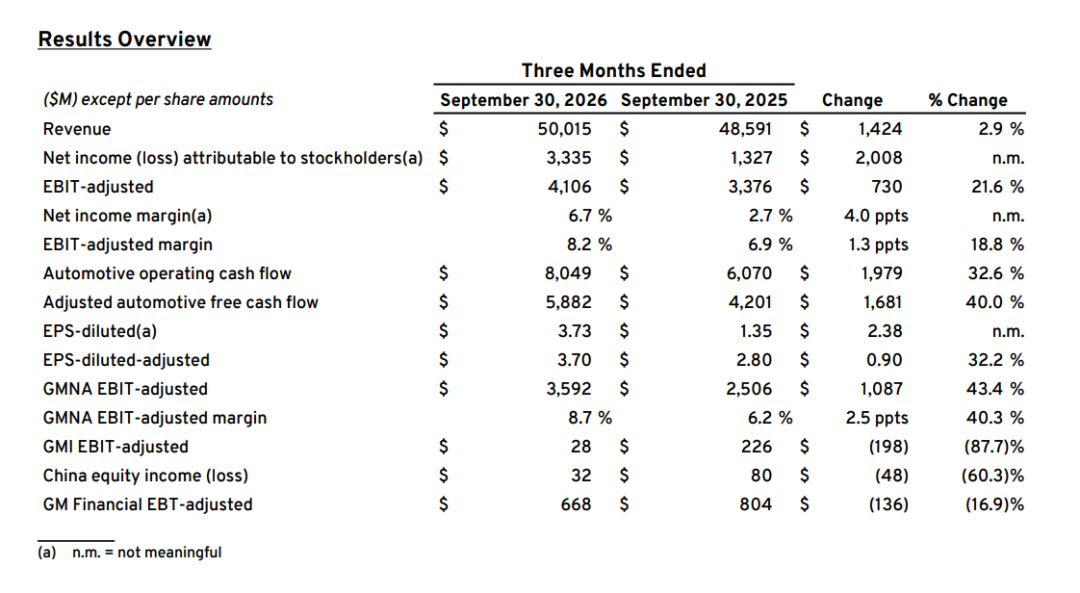
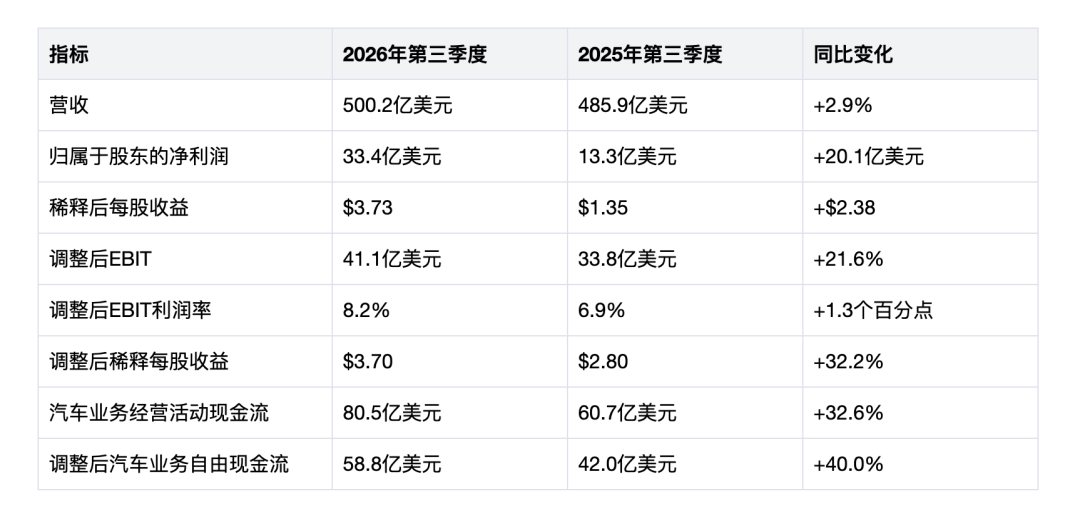
Let's delve into the most straightforward figures: Net revenue for the third quarter soared to $50 billion, a $1.4 billion increase from the same period last year. Net profit reached $3.3 billion, with adjusted EBIT (Earnings Before Interest and Taxes) at $4.1 billion, marking a $700 million year-on-year increase and an 8.2% profit margin. Cash flow from automotive operations surged to $5.9 billion, up $1.7 billion year-on-year.
GM attributed this performance boost to improved profitability and favorable timing of tariff-related cash flows in its earnings report.
In simpler terms, given the current barriers to entry for Chinese vehicles in the U.S. market, GM, as a domestic powerhouse, enjoys a significantly more relaxed operating environment compared to its European counterparts.
With such robust performance, GM promptly revised its full-year outlook.
Previously, the full-year adjusted EBIT range was projected at $14 billion to $16 billion. Now, it has been refined and raised to $14.5 billion to $15.5 billion, effectively lifting the lower bound by $500 million. This adjustment sends a clear signal to the market that profitability for the year is now more certain than ever.
A more direct action was the board's approval of a multi-year $20 billion stock buyback program, while maintaining the quarterly dividend at $0.18 per share. CEO Mary Barra was candid during the October 20 evening conference call, stating that the full-year guidance has been raised twice this year by offsetting uncontrollable cost increases in commodities and logistics while stabilizing the profit base.
However, when discussing future plans, Barra adopted a pragmatic approach, looking ahead to 2027. She stated that 2027 will be a strong year for GM, even surpassing the performance of 2026.
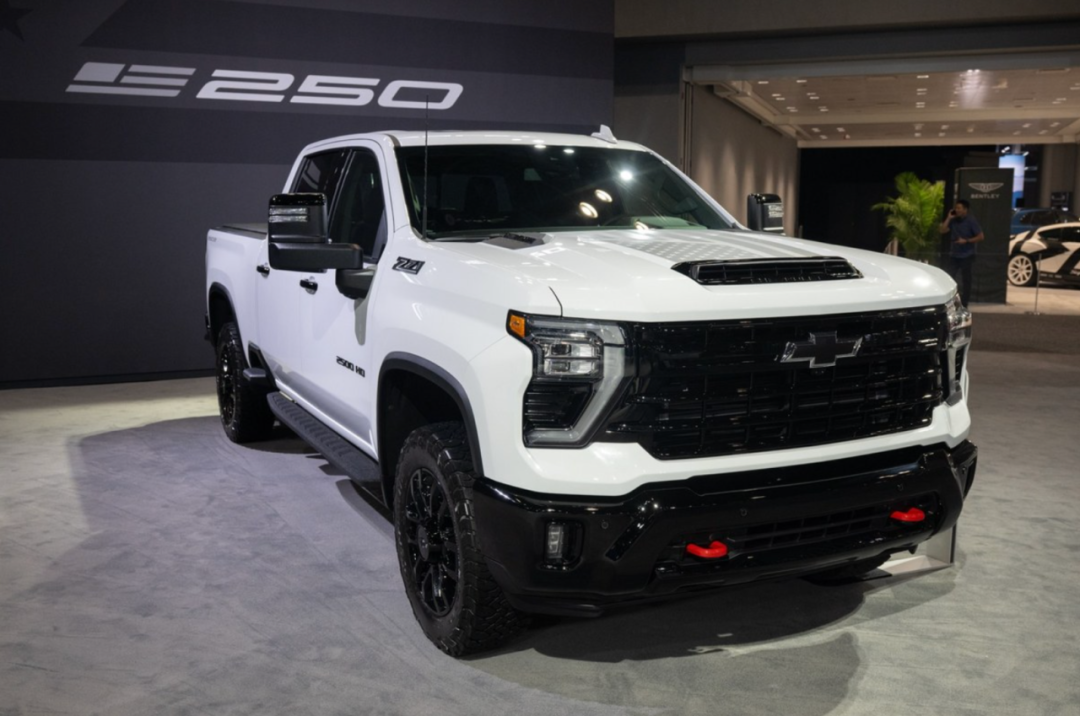
The rationale behind this forecast is solid: warranty expenses are declining, EV losses are narrowing, software and service revenues are gradually increasing, and the launch of new-generation Chevrolet Silverado and GMC Sierra light-duty pickups will all contribute tangible incremental benefits.
Yet, when it comes to the EV segment, Mary Barra openly acknowledged that it is still navigating a "challenging phase."
This admission aligns with GM's current reality. The current strategy to reduce losses is not through aggressively boosting sales volume but by proactively adjusting EV production capacity, lowering previously inflated sales targets, and thus more firmly grasping the goal of reducing EV losses by $1 billion to $1.5 billion for the full year.
In the upcoming fourth quarter, as last year's consumer purchase incentives expire, losses are expected to narrow slightly further on a year-on-year basis. The significant improvement in EV profitability this year is essentially due to proactively streamlining operations—not aggressively pursuing sales volume but cutting fixed costs during the restructuring process, allowing for a lighter and more agile approach, setting a positive tone for 2026.
GM's EV roadmap is pragmatic, believing that while improvements in 2027 may not be extraordinary, they will certainly advance further from 2026. A true step-change is expected between 2028 and 2029, following the application of lithium-rich manganese-based batteries, next-generation battery cells, and battery packs.
Nevertheless, GM will continue to closely monitor sales volume—after all, at current oil prices, EV penetration may continue to rise, necessitating early preparation. Barra also emphasized that GM remains the second-largest EV producer in the U.S., with a strong vehicle portfolio, and the core focus now is to enhance the profitability of these products.
The most noteworthy aspect is actually the Chinese market.
In the third quarter, GM's equity income from its Chinese operations was $32 million (approximately RMB 210 million), marking the eighth consecutive quarter of profitability. GM explicitly stated that this profitable trend is expected to continue in the fourth quarter.
Currently, NEVs (New Energy Vehicles) account for over 60% of GM's third-quarter sales in China, a highly impressive figure among joint ventures.
Industry estimates suggest that SAIC-GM's profit in the third quarter was around RMB 420 million, likely to be higher in the fourth quarter. Following this trend, SAIC-GM's full-year profit should exceed RMB 1.5 billion.
However, Barra admitted that competition in the Chinese market is extremely intense, and GM has not reaped any of the benefits seen in the North American market within China.
Interestingly, GM stated that due to initiating restructuring earlier, its business has maintained profitability steadily despite the less-than-hot overall automotive consumption environment in China over the past two years, including securing some additional revenue through exports. However, the challenges in the Chinese market are widely recognized.
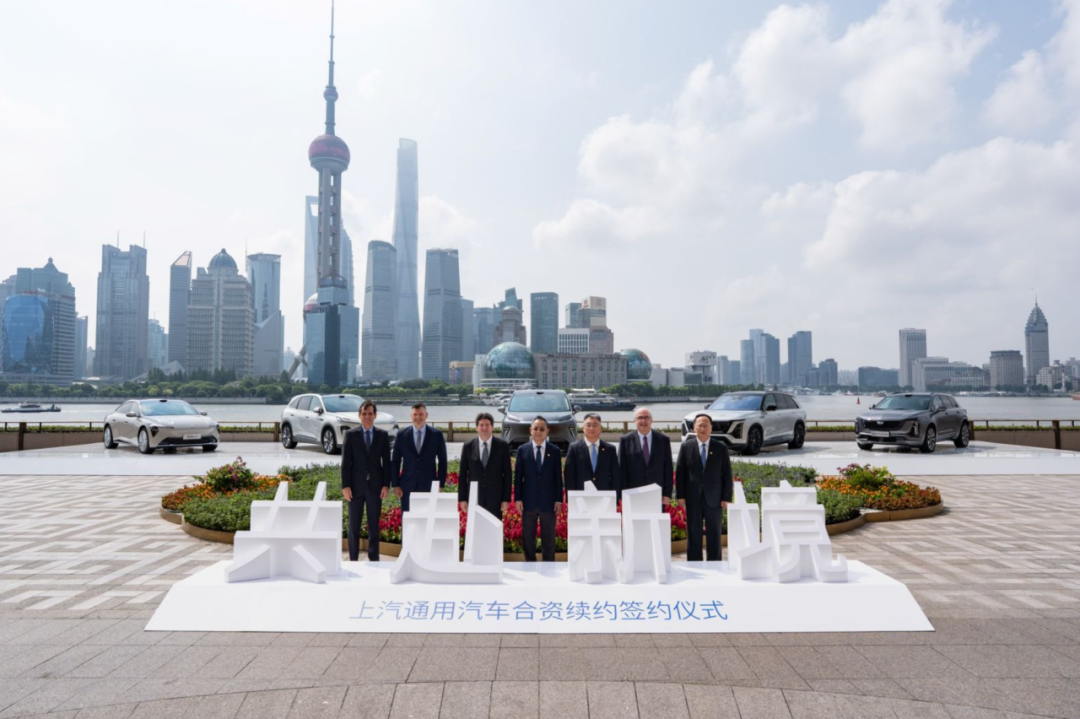
Despite the challenges, GM is maintaining its own pace in the Chinese market.
In August this year, GM and SAIC Motor extended their joint venture agreement by 20 years, until 2047. Subsequently, SAIC-GM fully entrusted product definition rights to the Pan Asia Technical Automotive Center (PATAC), enabling the joint venture to truly become the core force driving underlying R&D.
According to their plan, no fewer than 30 NEV models will be launched before 2030, meaning that GM's NEVs in China will no longer passively wait for global platforms to be gradually introduced but can finally keep pace with China's extremely rapid market iteration speed in development.
Supply chain transformations are also quietly underway.
Previously, joint ventures largely followed global procurement systems, but now GM is directly tapping into the advantages of China's local supply chain, with domestic leading battery and intelligent driving suppliers such as CATL and Momenta included in its core procurement list.
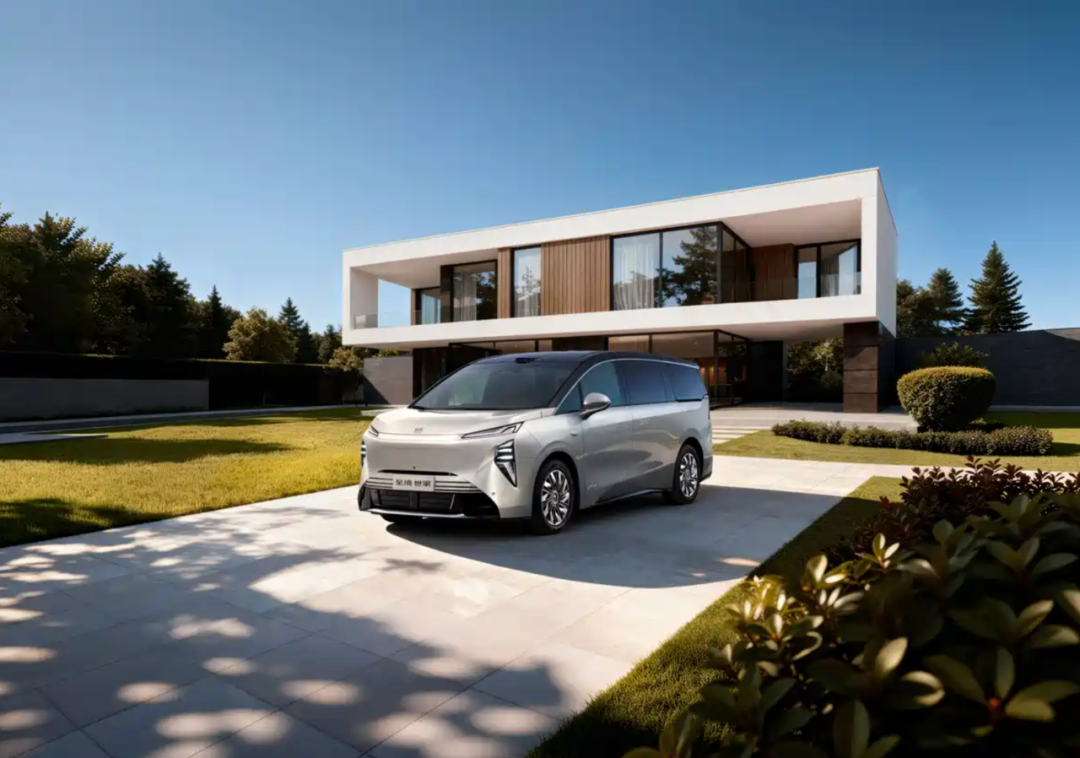
In terms of specific products, the third quarter saw the launch of the refreshed Buick Velite L7 all-electric and Velite E7 plug-in hybrid mid-size SUVs; the all-new Cadillac XT5 PHEV, exclusively developed for the Chinese market and the world's first luxury hybrid SUV to deliver with Momenta's R7 world model; and the Wuling Starlight L plug-in hybrid SUV, entering the three-row six-seat flagship SUV market with positive feedback.
The all-new Cadillac XT5 PHEV Intelligent All-Wheel Drive Air Edition, launched on October 16, starts at a limited-time price of RMB 239,900. The Air Edition shares identical hardware with the Pro and Pro Max versions, featuring standard all-wheel drive with dual motors, 6kW external power discharge, 5C ultra-fast charging, and an electric Hummingbird chassis. It also incorporates the Doubao large model, Level 2 autonomous driving, and parking assistance, offering competitive configurations at its price point.
Market-end data is also promising: SAIC-GM's total deliveries in the third quarter exceeded 358,000 units, with NEVs accounting for over 60% and achieving sequential growth for two consecutive quarters. From January to September this year, SAIC-GM's NEV sales reached 94,000 units, up 67.4% year-on-year. In September alone, terminal sales hit 47,695 units, up 6.1% month-on-month, including 9,520 NEVs, a 31% month-on-month increase—placing it in the first tier among joint venture NEVs in terms of growth rate.
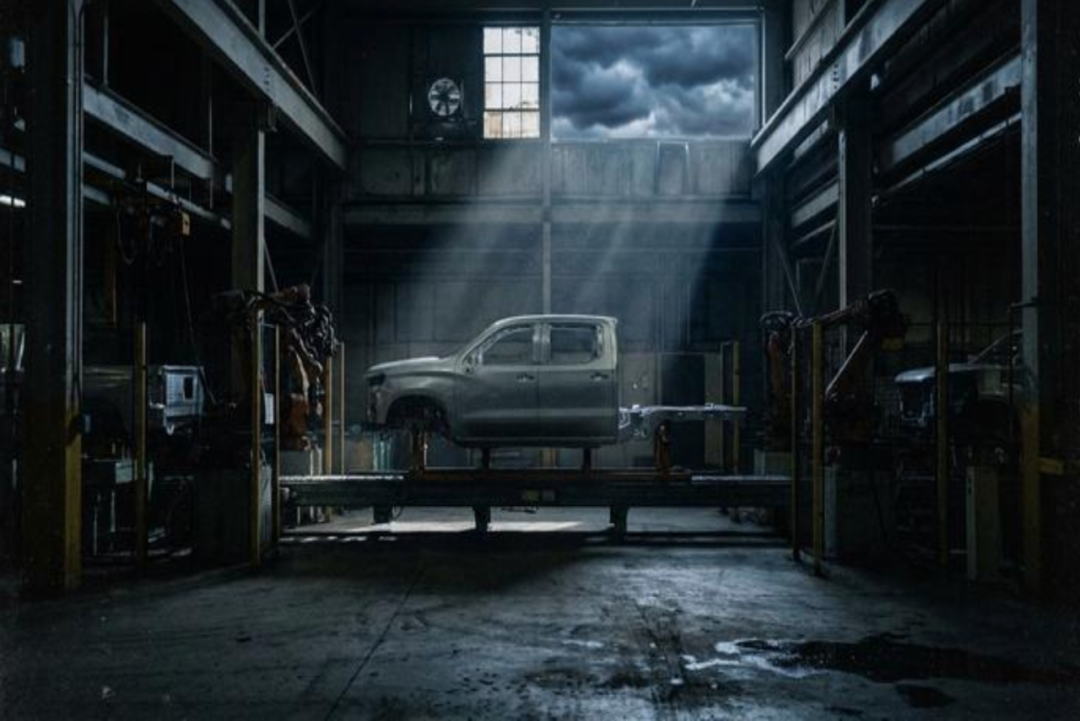
Recently, as the domestic NEV market collectively begins to criticize 'quick-fix' vehicles—where previously, stacking specifications and parameters could capture market share—the focus is shifting toward systemic capabilities. Consumers increasingly value long-term usage experience, quality control, and systemic capabilities, presenting a subtle new opportunity for joint ventures.
Finally, Barra took a pragmatic stance on the global competition of Chinese automotive exports.
She noted that while Chinese automakers are making strong inroads in markets like South America, GM has largely maintained its market share in these regions and also exports some products from China. Her logic is straightforward: as long as a market allows Chinese competitors to enter, GM can offer products that align with the Chevrolet brand's positioning and are competitively priced, rather than passively waiting to be outmaneuvered.
Overall, GM's third-quarter results convey a sense of stability: the North American market remains a solid foundation, generating substantial profits and providing ample resources for transformation; the Chinese market has laid a solid groundwork in restructuring, R&D, and supply chains, now entering a virtuous cycle of continuous profitability; while the EV segment is still in a transitional phase, it is no longer relying on aggressive sales volume growth but is steadily reducing losses, awaiting the next technological breakthrough for explosive growth.
Compared to many peers who either squander profits on new ventures or suffer heavy losses to maintain sales volume, GM's current pace appears exceptionally clear-headed and strategic.
Note: Images sourced from the internet. If there is any infringement, please contact for removal. -END-
-
![]()
While Competitors Struggle, GM Stands Firm with $4.1 Billion Profit
-
![]()
Three Presidents in Five Years: What Audi China Truly Needs is Decentralization
-
![]()
Can Chuneng-Haima Joint Venture Forge a New “Realm”?
-
![]()
Is the Long-Anticipated Blockbuster from iCAR Going to Be the V25?
-
![]()
Profits Plunge by 40%, Yet Musk's AI Vision Stays the Course
-
![]()
Profits Plummet by 40%, Yet Musk's AI Ambitions Remain Undeterred
-
The Second Half of AI: The Crucial Battle for Trust
-
![]()
Japanese Car Companies' Local Alliance Faces Disintegration Amid Emulation of China's Rapid Development