SAIC and Audi: Building the Purest-Blooded AUDI Electric Cars
 11/06 2026
 448
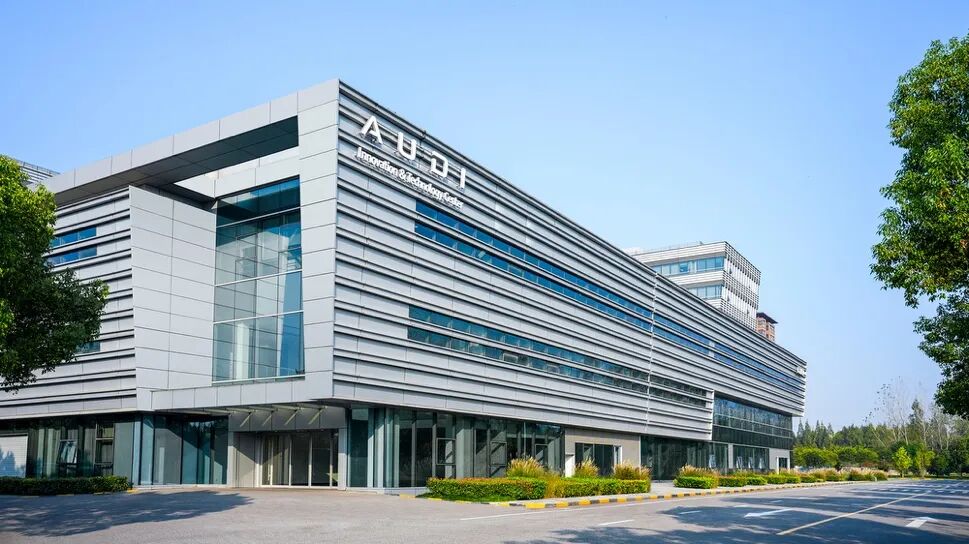
On November 5, the Audi Innovation Technology Center (AITC) officially opened in Shanghai, with Gernot Döllner, Chairman of the Board of Management of AUDI AG, personally on hand to show his support.
The significance of this moment can only be fully understood against a broader backdrop: following the official announcement of the "split" between the north and south Audi joint ventures, the AUDI brand now has its own R&D entity in China—and this entity reports directly to German headquarters.
For a German luxury brand to hand over R&D authority for a new brand to a Chinese team is rare in the history of Chinese auto joint ventures. AUDI is entering with an entirely new model, becoming the first among the BBA luxury brands to "eat the crab."
AUDI Brand: The Purest-Blooded Audi Electric Car?
AITC is an R&D entity jointly established by Audi and SAIC, built exclusively for the AUDI brand, and will fully lead end-to-end development of AUDI brand models—from whole-vehicle concept definition to mass-production delivery. The center currently has a team of about 300 people, with R&D focus covering whole-vehicle and driving control performance, AI intelligent cockpit, and next-generation advanced driver assistance systems.
For a long time, multinational automakers' R&D in China followed an "adaptation logic": headquarters completed product definition, and the Chinese team handled localization. This approach operated for nearly thirty years in the combustion engine era.
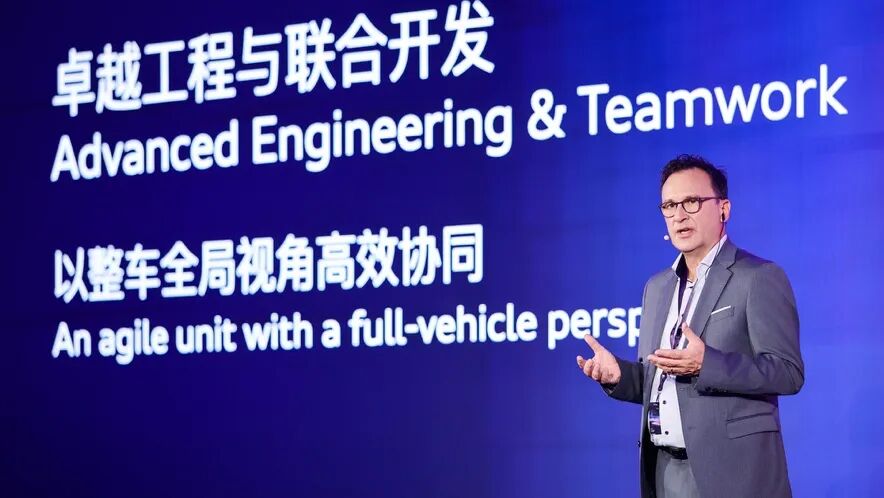
The significance of AITC lies in completely reversing this logic chain—for the first time, China has become the starting point for Audi's product and technology definition, with engineering goals derived directly from actual Chinese user scenarios rather than from German headquarters.
Even more intriguing is the organizational structure. AITC reports directly to German headquarters. For a multinational automaker, this level of delegation is extremely rare. AITC's core mission thus becomes exceptionally clear: to address the intensity of competition in the Chinese market, especially the new energy market, and provide truly localized products that meet Chinese user needs. Audi is attempting to implement in China a new model of "China-defined, China-developed, global standards," and AITC is the core engine of this experimental machine.
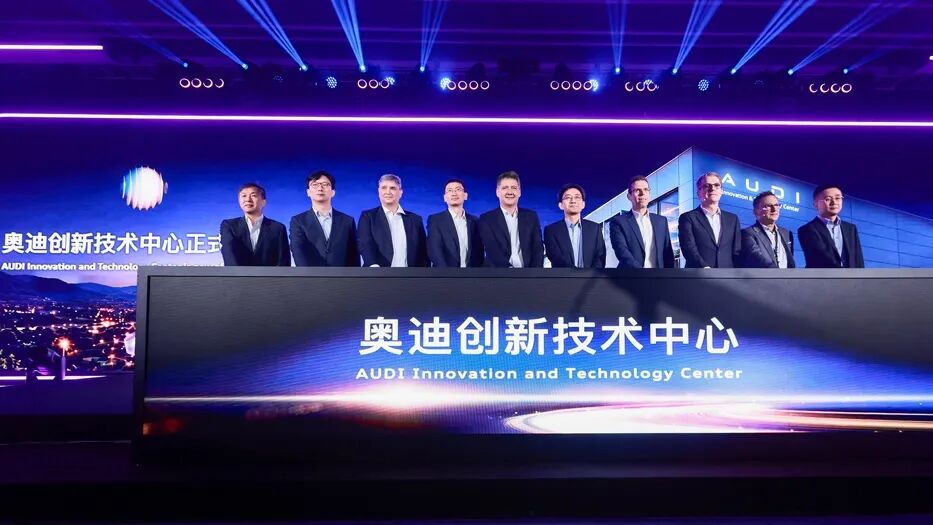
On the technical front, AITC is comprehensively advancing the development of the second-generation intelligent digital platform (ADP 2.0). The platform adopts a central computing and zone controller electrical/electronic architecture, leaving ample expansion space for L3/L4 advanced driver assistance in terms of computing power and deep AI integration. According to the plan, starting from 2028, four all-new models built on the ADP 2.0 platform will be launched in the Chinese market successively. This means AITC's timeline is very tight: it must support iteration of current products while securing at least a two-to-three-year leading window for the next-generation platform.
This also makes the AUDI brand the purest-blooded Audi electric car. The first layer is technical bloodline: AITC is directly responsible to German headquarters, global standards are not compromised, and Audi's core strengths—driving control DNA, safety redundancy, and manufacturing quality—have not been diluted. The second layer is market bloodline: the power to define products has shifted from Europe to China, and user needs have become the original starting point for product development for the first time, rather than a post-hoc correction.
For the AUDI brand, this is the advantage of "China-defined + global standards." In a sense, this may be the "pure blood" Audi truly needs in the new energy era.
Proactively Abandoning the Global Car Route: AUDI Electric Cars Fight with Their Backs to the River
Before AITC opened, the AUDI brand had already completed its first round of exploration with products.
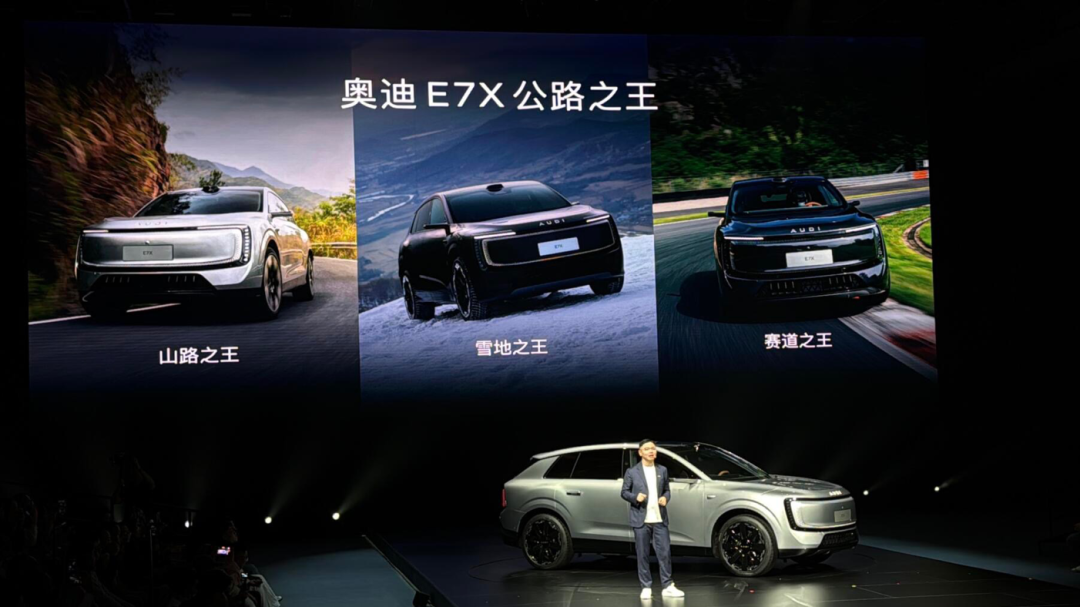
In 2025, the AUDI E5 Sportback was successfully brought to market; the first SUV, the Audi E7X, launched in May this year. Both models entered the 200,000 to 300,000 yuan price band—precisely the most crowded and brutal heartland of China's high-end new energy market. Xiaomi, Tesla, and other brands are engaged in close combat here, and AUDI choosing to start here means it left itself no retreat from the very beginning.
According to the north-south Audi split plan, SAIC Group will fully focus on the AUDI brand, concentrating on China's new energy market. At the opening ceremony, Audi executives explicitly stated that the AUDI brand currently has no export plans.
Unlike Mercedes-Benz and BMW, which still share risk through global platforms plus Chinese adaptation, Audi has chosen to proactively abandon the global car route, betting the fate of the AUDI brand entirely on the Chinese market. This is a true "fight with backs to the river."
Another noteworthy detail is the R&D cycle. The AUDI brand's new car development cycle has been compressed to 24 months, but Audi executives simultaneously emphasized it will not be shorter than this. This statement has two sides. On one hand, 24 months is a "mainstream-plus" speed in China's new energy market, far more prudent than some "18-month extreme car building."
On the other hand, Audi's refusal to compress further reveals its vigilance against "rushed cars"—time for driving control testing, safety validation, and quality calibration cannot be infinitely squeezed; this is the bottom line of a luxury brand. Audi knows well that speed can be caught up, but a single major safety accident is enough to bury a new brand completely at its most vulnerable moment.
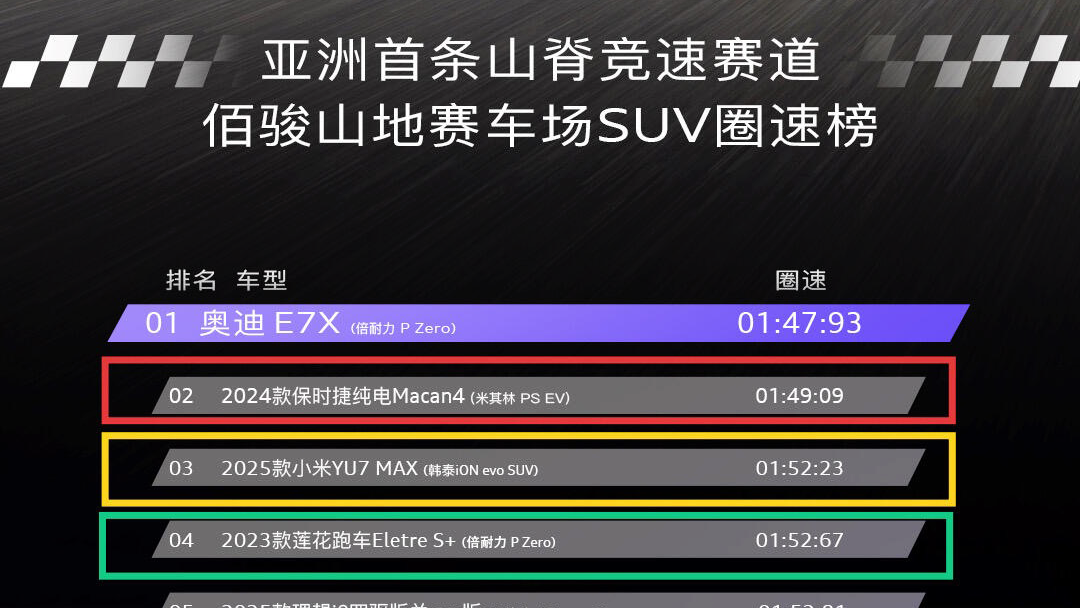
The advantages are obvious. First, Audi finally has a decision-making mechanism free from the shackles of joint ventures. Second, the China-defined product logic makes it possible for the first time for AUDI electric vehicles to deliver an experience truly aligned with Chinese users' pain points. Audi's century of accumulated driving control tuning, safety standards, and manufacturing quality remain scarce resources in the 300,000 yuan price band—Chinese consumers have already been educated by a round of products that pile on features but have rough texture, and there is genuine demand for a return to "solidity."
But the challenges are equally enormous. The AUDI brand abandoning the global car route means abandoning the cost advantages brought by economies of scale. The R&D and supply chain costs of every vehicle must be independently absorbed by the Chinese market.
The 200,000 to 300,000 yuan segment already has a massive number of mature choices, and AUDI, as a latecomer, needs time for hot-starting channels, service, charging infrastructure, and brand awareness. More importantly, competitors will not wait in place. By the time ADP 2.0 platform models land in 2028, the intelligent driving capabilities of China's leading brands may have already become widespread at lower price points. AUDI's fight with its back to the river is essentially a high-stakes gamble over "definition power." Audi is betting that a deeply Sinicized German luxury brand that retains global quality standards can tear open a differentiated gap in China's homogenized new energy market.
Whether this logic holds, the answer is not in Germany but in Shanghai—in every product definition and every technical decision made by AITC's 300-person team going forward. What is commendable is that in China's most fiercely competitive new energy vehicle market, AUDI is no longer participating as a "bystander." And multinational brands that dare to push all their chips onto the table are themselves already a minority.
-
Agents Are "Redoing" Databases
-
![]()
SAIC and Audi: Building the Purest-Blooded AUDI Electric Cars
-
![]()
Yiwu Is on a Tear Again! GDP Grew 7.9% in the First Three Quarters, and Foreign Trade Is Still Surging
-
![]()
Driving Momentum in Atomic-Level Ultra-Precision Optical Manufacturing: Lingding Optics Secures New Round of Financing
-
![]()
Q3 Non-Recurring Net Profit Surges 686%, Yet Aopu Optoelectronics Burns Through 240 Million Yuan in First Three Quarters
-
![]()
One Person, 11 Labs: The "Pick-and-Shovel" Gold Rush of AI-Driven Science
-
Volkswagen Recalls 610,000 Vehicles as Profits Plunge 98.7%—Is There Still Hope?
-
![]()
Li Jiaqi Moves 2 Trillion Tokens: AI Starts Landing in Shopping Carts