While OpenAI is Delving into AI Socialization, What Are Domestic Tech Giants Waiting For?
 12/16 2025
 479
479
In Silicon Valley's narrative paradigm, all technological leaps eventually hinge on the fundamental premise of "human-to-human connections." In late November, OpenAI discreetly rolled out the group chat functionality (Group Chats) for ChatGPT across numerous markets. While this move may appear subtle, it unveils the AI behemoth's loftier ambition—it is no longer satisfied with being a passive tool awaiting instructions but is striving to infiltrate high-frequency social scenarios and become an indispensable node in both professional and daily social interactions. 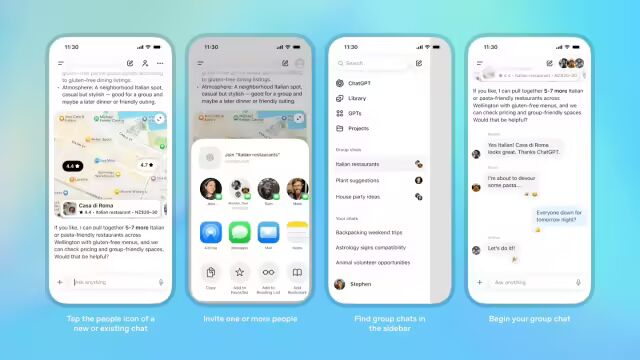
Image source: OpenAI
When AI chatbots start to adopt social personas, the once-distinct barriers between SaaS collaboration and social network moats begin to crumble. 
"Demystifying Prompts": ChatGPT Strives for a "Human-like Presence"
For an extended period, ChatGPT's integration into enterprises and teams has frequently been facilitated through "intermediaries." In conventional collaborative workflows, there is invariably someone adept at crafting prompts who serves as a liaison. They solicit solutions from the AI, filter and refine them, and subsequently disseminate them to the team.
In this model, AI often functions as a singular tool and concurrently acts as an efficiency bottleneck. Renowned tech analyst Ben Thompson recently highlighted the inefficiency of this model: "The extent to which we are from agents reliable enough to 'let them work entirely independently' remains uncertain. However, in the interim, I believe there is a colossal AI-powered opportunity that all mainstream model vendors are currently overlooking: 'human-AI agents.'" 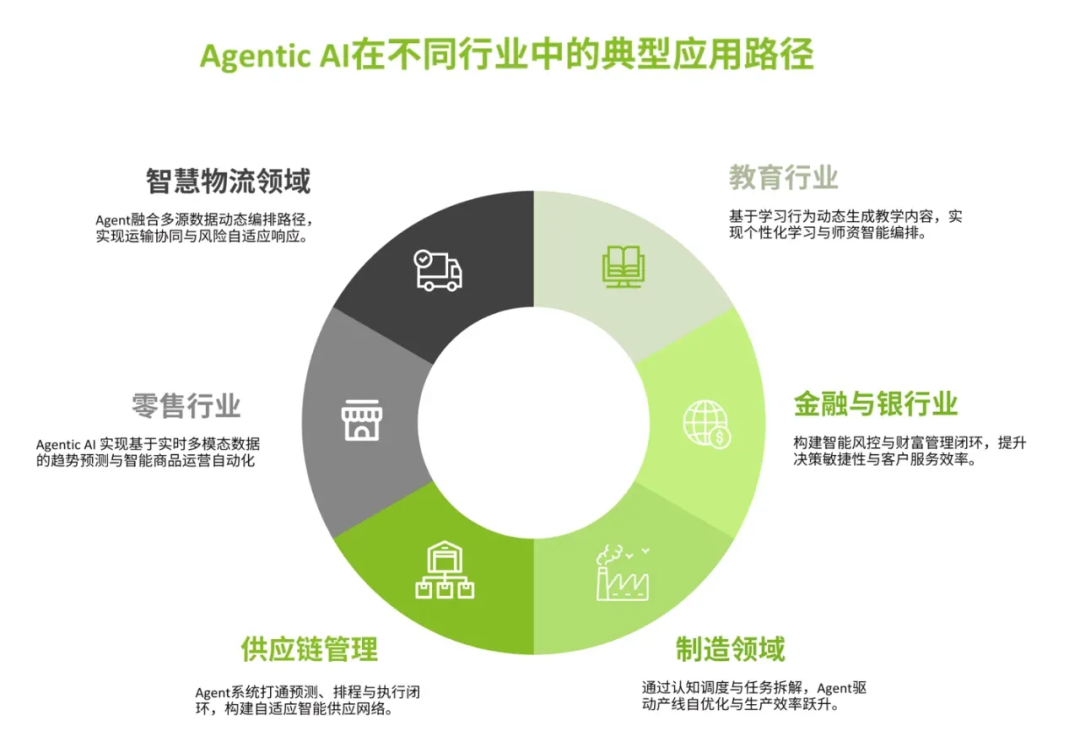
Image source: Deloitte
OpenAI's newly introduced group chat feature is essentially an experiment in "disintermediation" that resonates with the aforementioned assessment. When ChatGPT manifests as an independent account in a chat group, it physically embodies a "human-like" presence. For instance, in a group of 20 individuals, if the AI provides a suboptimal response, anyone can directly intervene to rectify it.
This reconfiguration of collaborative relationships directly eradicates "information asymmetry." For collaboration tool giants like Slack or Microsoft Teams, which endeavor to sustain their competitive edge by "layering" AI, this serves as a cautionary signal. Teams' internal Copilot remains obscured beneath layers of menus, whereas ChatGPT's group chat is "AI-native"—its existence is inherently tailored for dialogue. 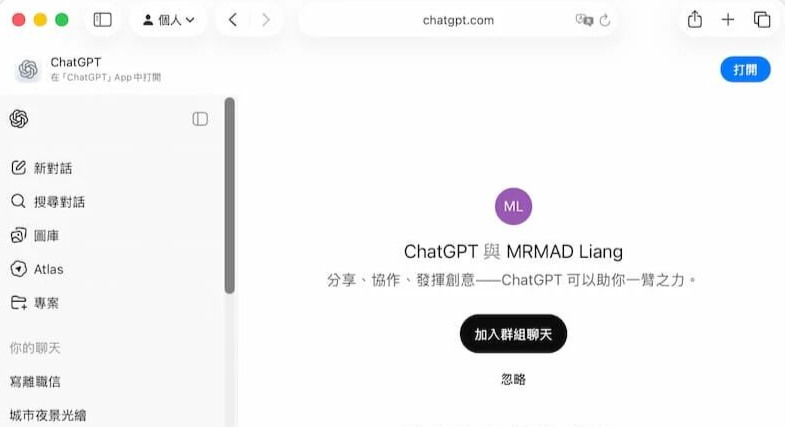
Image source: Internet
This streamlined approach could potentially carve out a niche in informal collaboration. Planning a trip among friends or conducting a brainstorming session for a startup team is far more efficient by simply inviting ChatGPT into a group than creating a complex project team in Teams. No approval processes or intricate permission configurations are necessary—just an invitation link, and the AI becomes an integral part of the team. Of course, this is still confined to the professional realm; once AI group chats permeate daily life or even social spheres, the impact could be even more profound. 
Who Will Be the First Domestic "AI Group Member" to Achieve Widespread Adoption?
If the initial phase of the "Hundred-Model War" was a contest of brute strength in terms of parameters and reasoning capabilities, then with the launch of Gemini Nano Banana Pro, Sora, and ChatGPT's group chat feature, the competition has officially transitioned into the second half of "scenario penetration."
The core business rationale behind OpenAI's move is to extend AI from relatively low-frequency productivity tools to more high-frequency social software. Regardless of any dissatisfaction with ChatGPT's current model capabilities, its product prowess remains exceptionally competitive. Correspondingly, in the fiercely competitive domestic AI landscape, where players have struggled to gain traction in the consumer (to C) segment, a new competitive direction may have emerged. 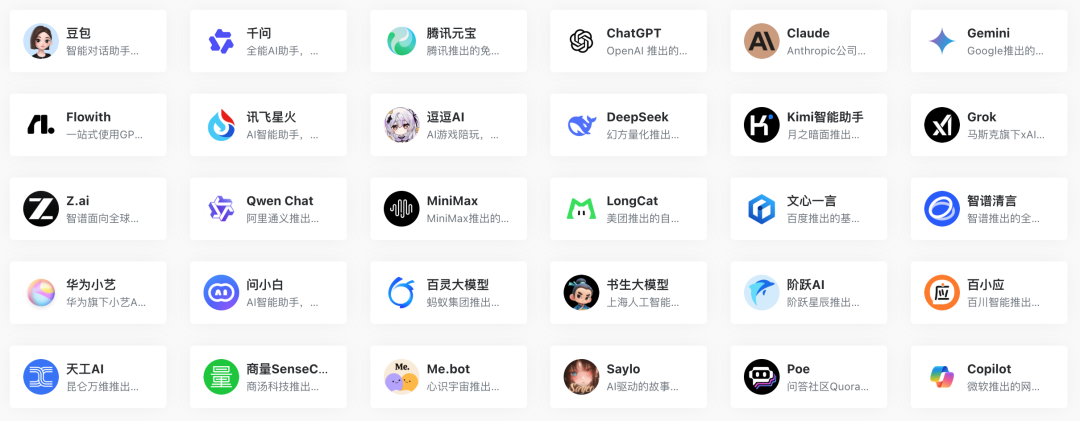
Some domestic AI applications
Making AI the next generation of traffic entry points has nearly reached a consensus among domestic giants. However, there appears to be no unified strategy on how to accomplish this objective.
Moreover, enabling AI to "join groups" has not yet become a standard feature of domestic AI tools.
Currently, the most aggressive offensive is emanating from Doubao. As the leader in daily active users among consumer-facing AI tools, its recently launched "Doubao Mobile Assistant" is essentially testing the boundaries of AI's intervention in social interactions—through screen perception technology, it attempts to "comprehend" chat content and provide assistance without having direct access to WeChat chats.
This system-level addon strategy represents ByteDance's extremely precise maneuvering in the face of WeChat's social barriers: since it cannot infiltrate group chats, it tries to "overlay" them on the screen. Naturally, this attempt was swiftly blocked by WeChat. From this vantage point, Doubao still requires more fundamental social capabilities, and the group chat feature may not be far off. 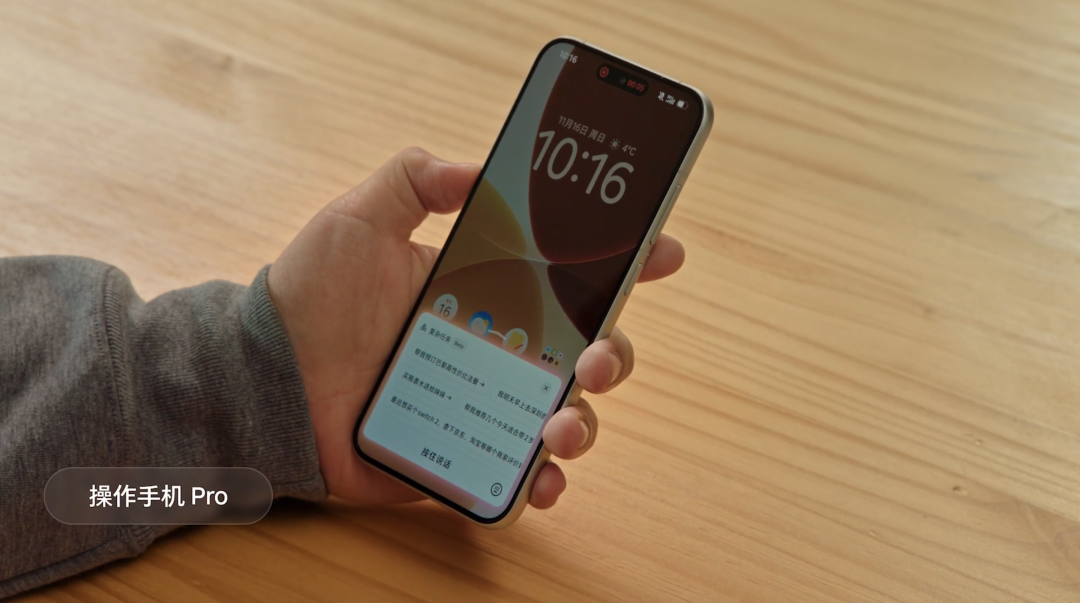
Doubao Mobile Assistant
Yuanbao, Tencent's vanguard in the AI battlefield, has noticeably receded into the background in the second half of the year following its earlier large-scale promotional push. However, Tencent possesses WeChat, its untapped ace card.
Once WeChat officially integrates AI capabilities into its social features, it could directly usurp search, payment, local life recommendations, and other entry points within WeChat, essentially achieving everything Doubao Mobile Assistant aspires to. Tencent may still be biding its time for the ultimate evolution of an "AI Super App."
For Qianwen, which is eager to establish a foothold in the consumer segment, AI group chats may be its sole opportunity to assist Alibaba in breaking the "social curse." After all, while everyone is currently touting AI's problem-solving capabilities, ordinary people may not encounter that many problems to solve on a daily basis. Instead, engaging in casual conversations with AI and making minor life decisions together may better align with the current needs of most individuals. 
Image source: Internet
OpenAI has fired the inaugural shot, demonstrating the technical and experiential viability of "AI joining groups." For domestic giants, who cannot afford to overlook any AI possibilities, this is probably not a "to do or not to do" decision but rather a matter of when they can be the first to create new "demands" for ordinary consumers. After all, in the history of the internet, every generational upgrade of social tools has ultimately ushered in entirely new business prospects. Clearly, no one wants to be left out this time.
-
![]()
Why Hasn’t AI-Driven Payment Flourished Despite Tech Giants’ Push?
-
![]()
Intensify Efforts in the High-End Optoelectronic Semiconductor Sector! Aipu Dingchun and Jiangsu Meidong Forge a New Joint Venture
-
![]()
From Endoscopes to Optical Interconnects for AI Computing Power: A Veteran Optical Company's Strategic Shift
-
![]()
Behind the Scenes of Token Factories' Rise as a Capital Market Sensation
-
![]()
What Does MaaS Ultimately Bring to Chinese Cloud Providers? | In-Depth Industry Analysis
-
![]()
China’s Auto Resale Value Report Unveiled: AITO M9 Electric and Hybrid Variants Dominate Rankings
-
![]()
Dialogue with Huang Yangming: On the Eve of the Physical AI Boom, the Value of Data Infrastructure Begins to Materialize
-
![]()
The Experience is a Bit Unusual! Logitech G Cloud Review: Great Feel, but Not Ideal for Cloud Gaming