Old Mobile Phones: The New 'Chip Mines'? Individual Scalpers Join the Gold Rush as Recycling Prices Surge Five to Six Times
 04/01 2026
 518
518
Old mobile phones are experiencing a renaissance of sorts.
It's astonishing to think that by 2026, old mobile phones will become highly coveted items.
Recently, a trend emerged on social media stating that three old mobile phones could be exchanged for one iPhone. Multiple media outlets have reported that since the beginning of the year, the recycling prices of second-hand mobile phones have soared. Recyclers are now targeting not only intact old phones but even those that are completely non-functional. Recyclers from various regions have also noted that once-obscure old models are now in high demand. Recycling prices for some old Android phones have generally doubled, with models featuring high memory capacity seeing the most significant increases.
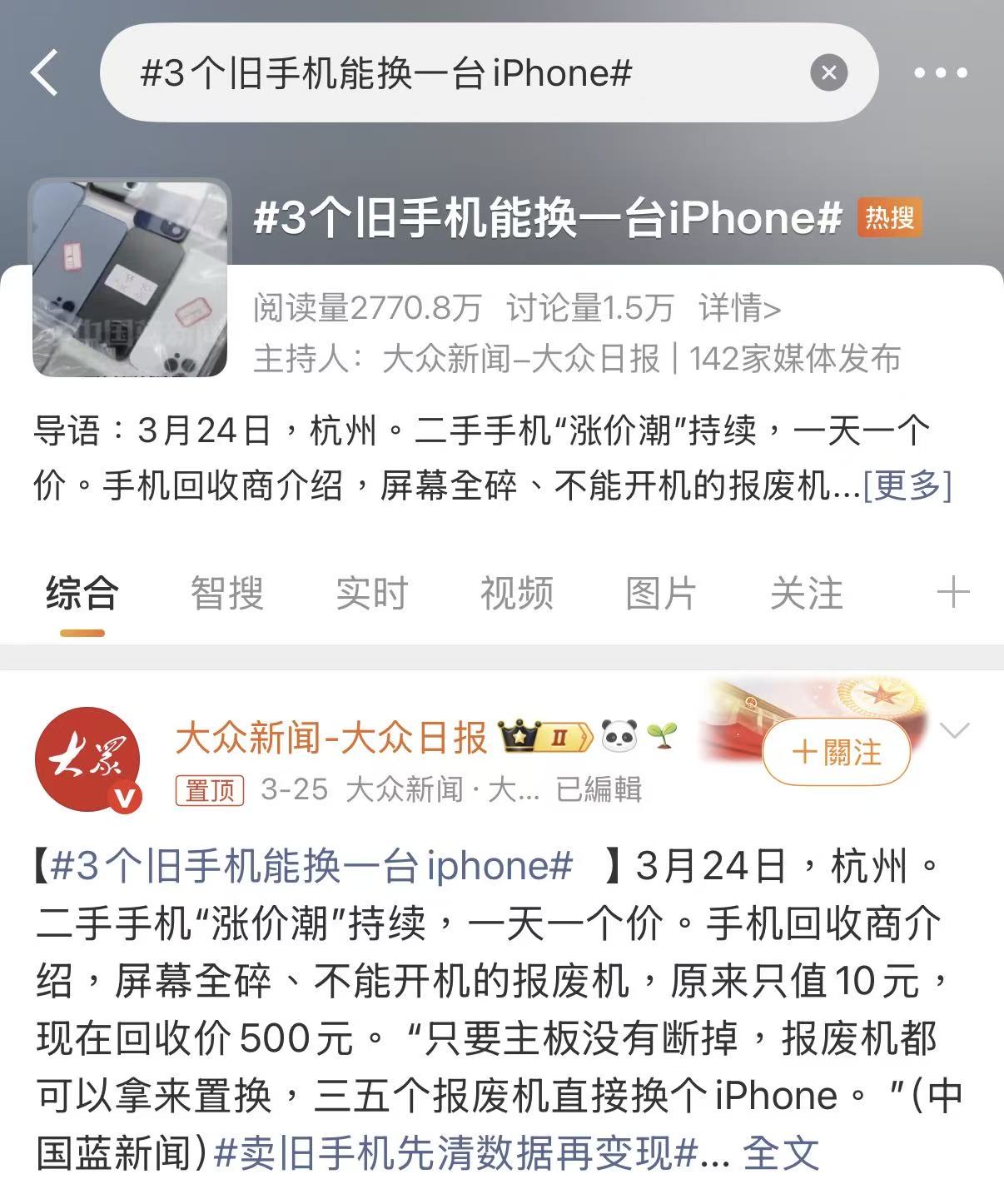
(Image source: Weibo)
However, there's no grand commercial secret behind this phenomenon—it's simply because recyclers are after the memory chips in your phone. While rising memory prices are not new, the combination of price volatility and limited production capacity for consumer-grade products has left many second- and third-tier terminal manufacturers "memory-starved." This has suddenly made old mobile phones highly sought-after, sparking a scramble among recyclers.
But this "old mobile phone war" isn't just between recyclers—second-hand dealers, consumers, and even some mobile phone manufacturers and IoT companies are being drawn into the fray. While it may seem like a nationwide craze, there are still many underlying issues.
Old mobile phones, which could previously only be exchanged for washbasins, are now fetching exorbitant prices?
This wave of old mobile phone recycling is accepting almost anything. Previously, Chuanguan News reported a significant increase in customers visiting second-hand recycling stores, with some store owners admitting that they used to receive a dozen old phones a day but now receive thirty to forty daily. Prices for some high-memory models have multiplied several times over.
On the lifestyle platform Xiaohongshu, many users share their quotes for evaluating old mobile phones at physical recycling stores. For example, the Redmi K40 is quoted at over 400 yuan, but its actual second-hand price on e-commerce platforms is also around 400 yuan, meaning the recycling price is nearly on par with the second-hand selling price. Some high-memory phones are in high demand; for instance, a Nubia phone with 24GB+1TB, even with a damaged body and unable to power on, can still fetch a quote of over 1900 yuan.
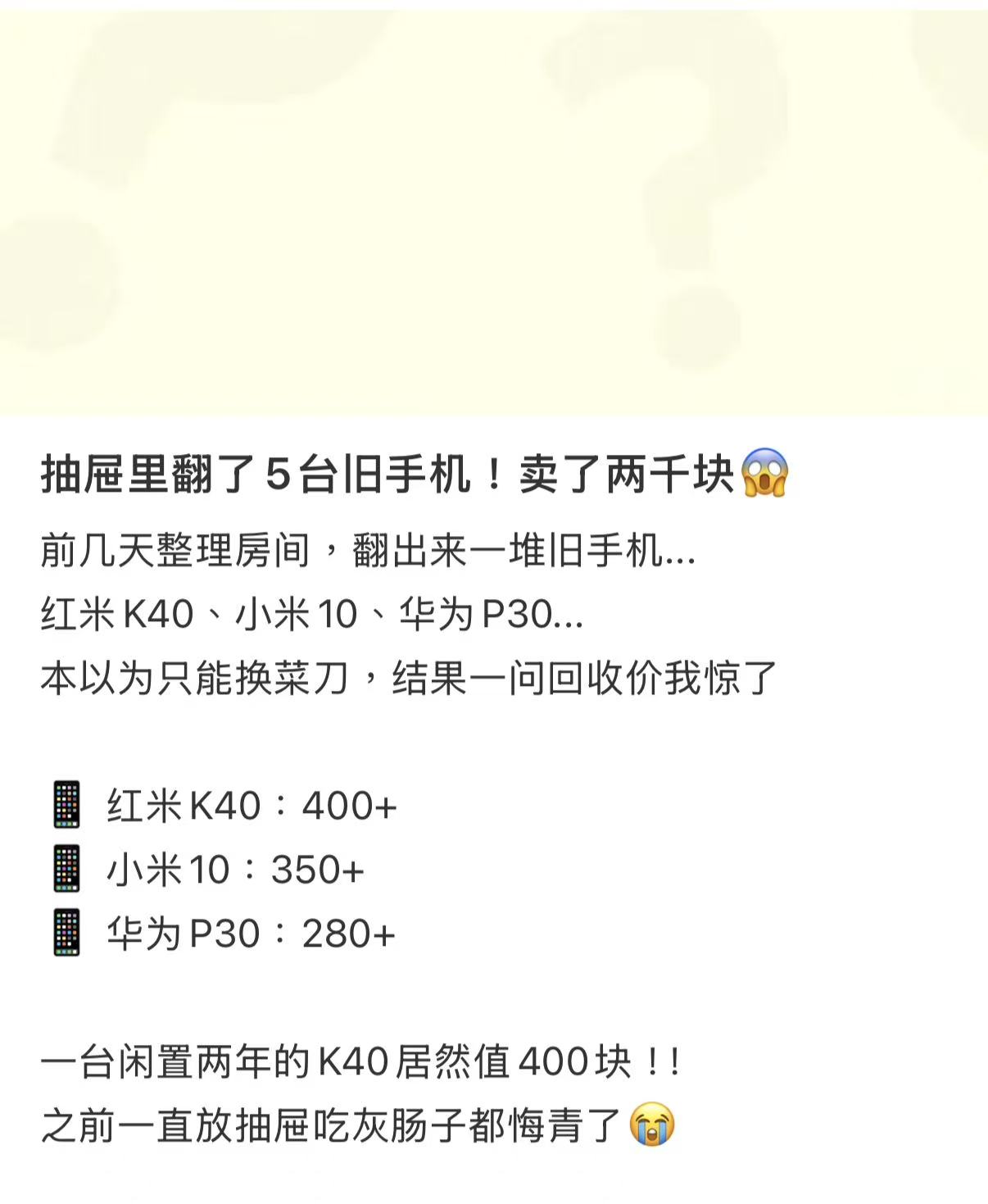
(Image source: Xiaohongshu)
Leading platforms like Aihuishou and Zhuanzhuan recently stated that due to chip price fluctuations, the recycling prices of large-memory Android phones have risen by about 40%–60% since the second half of 2025, while Apple's old models have seen increases of less than 10%. More exaggeratedly, these platforms adjust prices "daily," with high-memory models potentially increasing by several hundred yuan in just a few weeks or remaining unchanged. Who would have thought that in 2026, not only the stock market and gold prices would be exhilarating, but even second-hand mobile phone recycling prices would be so thrilling.
Of course, not every mobile phone benefits from this surge in recycling prices. For example, Android phones generally see price increases because there are many Android models, and memory accounts for a relatively high proportion of their BOM. High-capacity memory has high dismantling and reuse value for downstream manufacturers. Some low-capacity memory Android phones, like those with 4GB or 6GB, see smaller increases.
iPhones haven't benefited much from this trend, mainly because the overall storage modules in old Apple devices have limited dismantling and reuse value. Additionally, Apple devices maintain their value well in the second-hand market and have stable inventory, making their prices less prone to dramatic fluctuations. It's clear that the core focus of this recycling wave is the reusable value of memory. Some low-memory, difficult-to-dismantle models see no significant change in quotes, while high-memory but extremely worn-out or non-functional old phones fetch higher quotes.
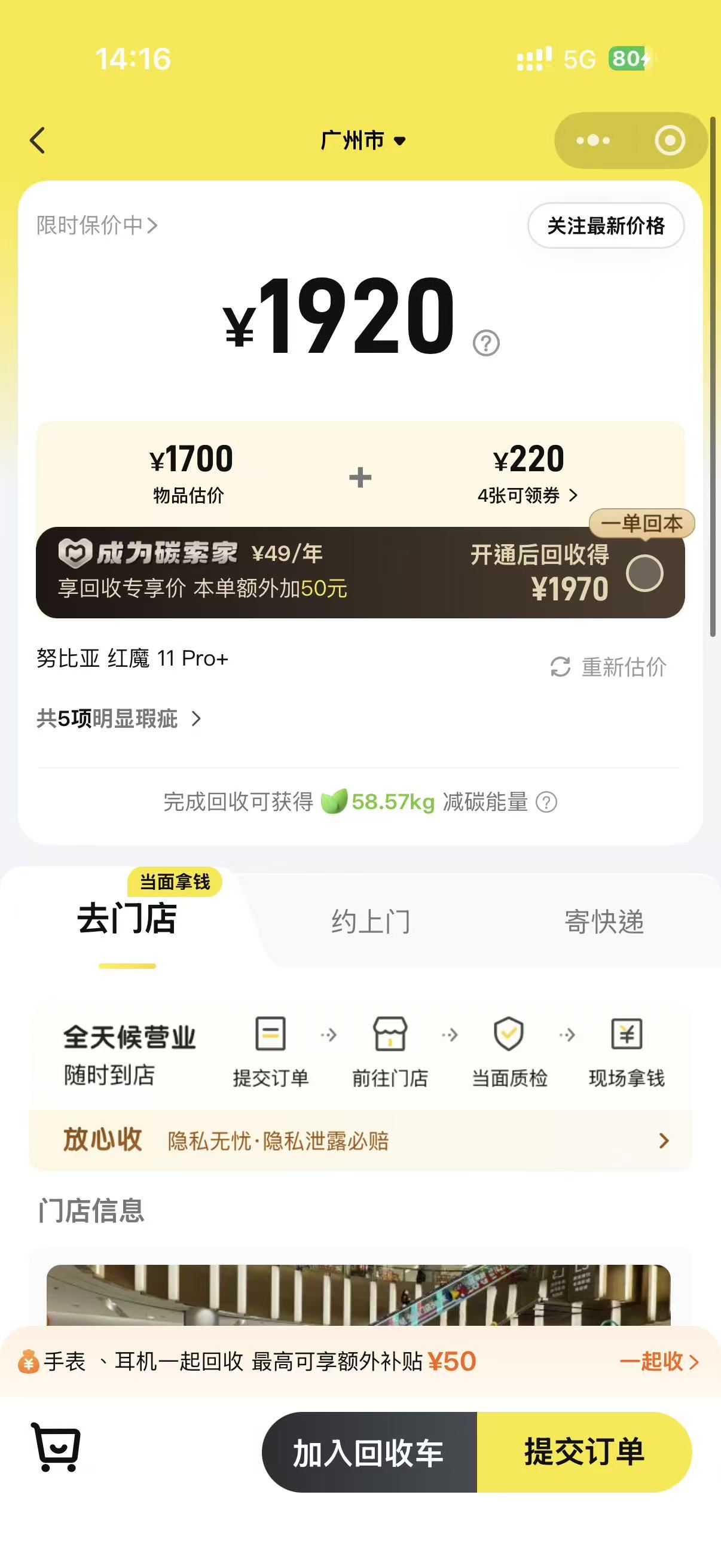
(Image source: Aihuishou)
Regardless, this wave of second-hand mobile phone recycling has indeed attracted significant attention from investors and consumers. Social media platforms are filled with daily updates on price quotes, and ordinary users are frequently consulting about recycling. Clearly, the so-called "mobile phone recycling" essentially targets the old memory and storage chips inside the phones. These components are dismantled by middlemen and sold in bulk to buyers for profit. But have you ever wondered where these memory and storage chips ultimately end up?
'New Wine in Old Bottles': The Future Norm for Digital Products
The rise in second-hand mobile phone recycling prices is primarily driven by limited production capacity for storage chips. Industry data from TrendForce and other institutions shows that traditional DRAM contract prices are expected to rise by about 90% to 95% quarter-over-quarter in the first quarter of 2026, while NAND flash contract prices will increase by about 55% to 60%, far exceeding usual fluctuation ranges. Many production lines originally used for consumer-grade storage in phones and laptops have been shifted by chip manufacturers toward high-profit AI and high-bandwidth memory products, leading to a tight supply of consumer-grade LPDDR and NAND flash.
However, most digital products today—phones, computers, action cameras, home surveillance systems, etc.—require storage chips. "Running out of memory" is simply not an option. In this context, the storage chips inside old mobile phones have become readily available components for reuse. But honestly, this isn't great news for consumers.
First, the lifespan of NAND flash is primarily limited by write/erase cycles. Each memory cell used to store data must be updated through write/erase operations, which gradually damage the internal electronic storage layers. The more these cells are used, the weaker their charge retention becomes, reducing data storage capacity. Additionally, NAND flash has a designed cycle lifespan from the factory, just like our batteries.
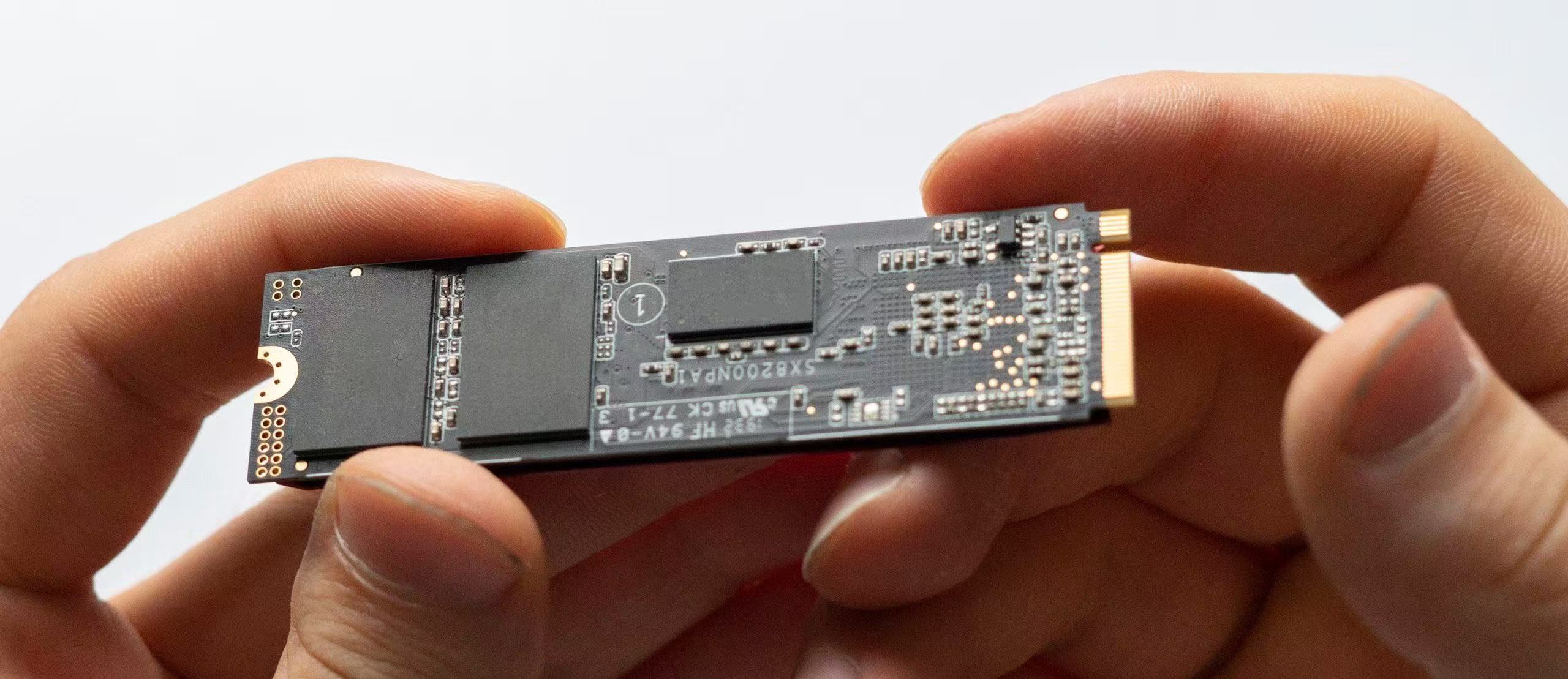
(Image source: Integrated Memory)
The memory from old phones has already been used for some time. Even if these chips can still read and write normally, their remaining reliability and lifespan typically cannot match those of brand-new chips. If manufacturers choose to put these old memory chips into new phones, the products consumers receive will inherently have a shorter lifespan than those using entirely new memory, meaning they are more prone to failures and have a shorter usable life.
Second, "dismantling memory" is a technically demanding task. These chips are usually soldered onto the motherboard and require professional reflow equipment for heating and removal, a process that can itself cause thermal stress damage to the chips. Second-hand dealers recycling large quantities of old phones are unlikely to handle this workload with absolute caution, increasing the likelihood of chip damage during the process.
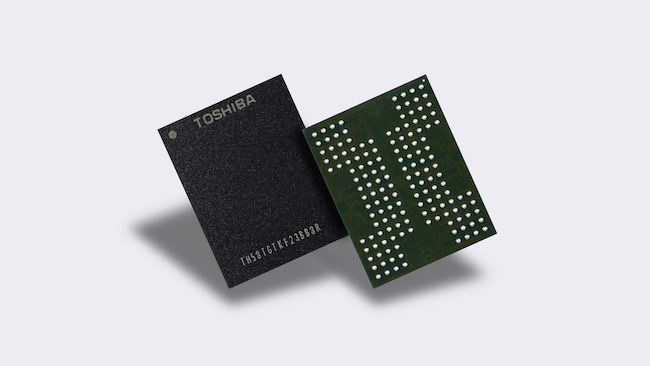
(Image source: Toshiba)
In this case, it's not guaranteed that memory will be reused in new phones. Instead, it may end up in devices we don't pay much attention to, like smart door locks, low-resolution surveillance equipment, and some entry-level IoT products. These devices don't prioritize storage reliability or write frequency—lower prices and sufficient supply are the manufacturers' top concerns.
This is why this wave of old mobile phone recycling isn't just a craze for consumers and second-hand dealers but also for upstream manufacturers, as they've finally found the most suitable solution to this round of chip shortages.
Second-Hand Dealers Target High Memory: How Long Can the Recycling Boom Last?
The sudden "upcycling" of old mobile phones has caused a major upheaval in the recycling market. In 2025, the number of newly registered mobile phone recycling-related companies increased by about 50% year-over-year, with over two thousand new enterprises, more than 30% of which were in East China. In reality, short-term price temptations are attracting large numbers of second-hand dealers and individual scalpers, but this isn't bringing vitality to the industry—instead, it's more likely to cause various problems.
For a long time, leading platforms like Aihuishou and Zhuanzhuan have focused on whole-device recycling and second-hand trading, featuring complete inspection processes, professional data-wiping mechanisms, and standardized transaction systems to protect consumer privacy and circulation safety. Today, however, many newly entered individuals are more focused on the short-term value of dismantled components like memory and flash storage, even acquiring old phones with cracked screens or those that cannot power on at high prices—a strategy that was almost unimaginable in the past but is becoming the new market norm. For example, the OPPO R9 from a decade ago saw its recycling price soar from 20-30 yuan to 150-180 yuan, and some once-obscure old models can now fetch hundreds of yuan each.
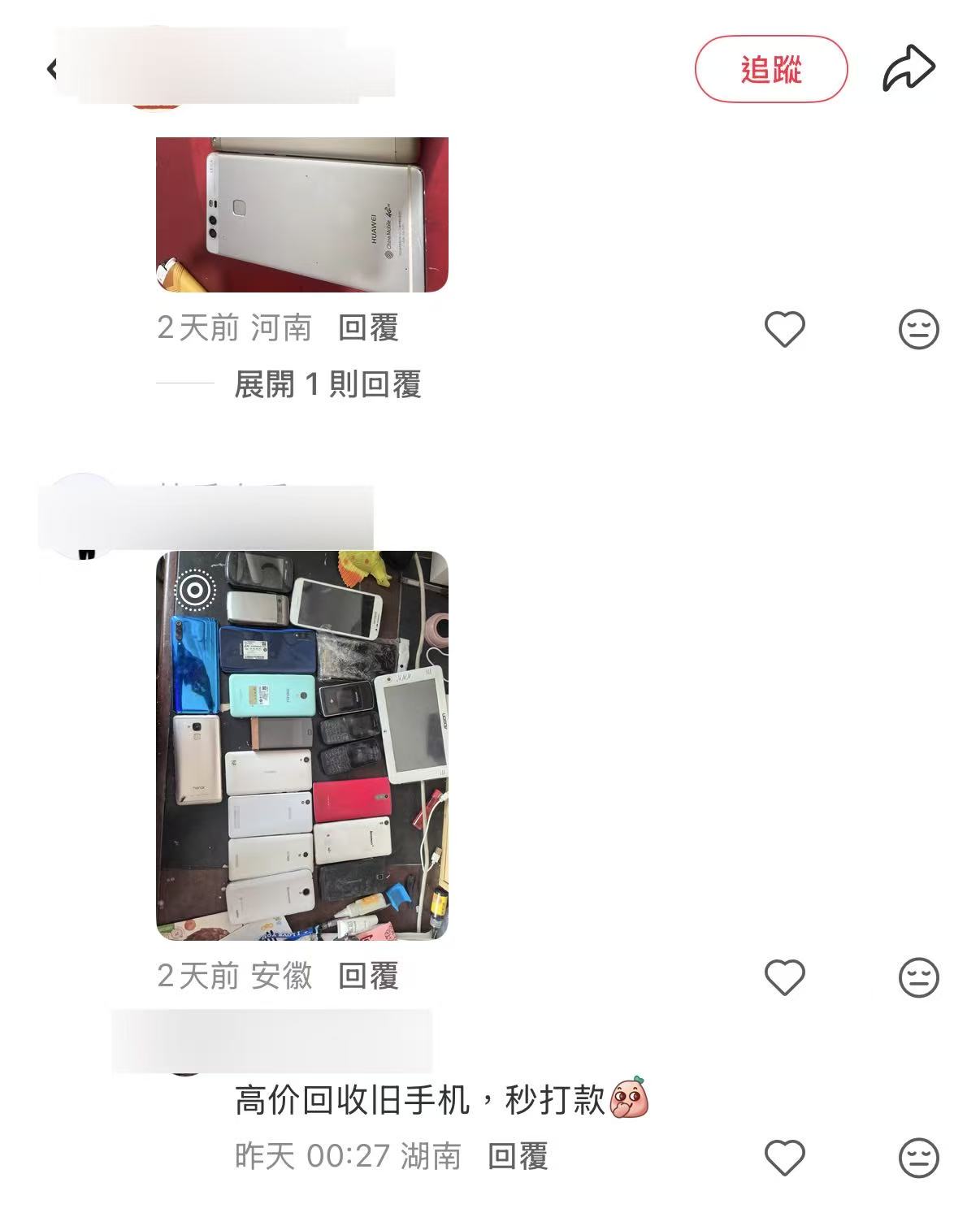
(Image source: Xiaohongshu)
For individual scalpers, this market presents an opportunity for quick cash. Unlike legitimate platforms, they often skip complex inspections and data wiping, quickly dismantling and selling recycled phones or components to parts demanders or selling whole devices through second-hand channels. While this approach may allow for quick profits, they often neglect privacy wiping, posing information leakage risks for individual sellers.
In contrast, leading platforms have clear advantages in data security, inspection processes, and transaction transparency, but they prioritize the long-term value of whole-device trading over simply dismantling components for sale. Both Aihuishou and Zhuanzhuan have complete device inspection and data-wiping processes, with complete evidence chains for these steps online and offline.
Additionally, as more old devices enter dismantling and circulation, a "supply exceeds demand" scenario may emerge at some point, further depressing component values. By then, large quantities of low-price, low-quality memory circulating in the market will likely end up in even cheaper digital devices, leading to various issues for consumers. These products often face significant challenges in after-sales support.

(Image source: Xiaohongshu)
This situation can also have ripple effects across the entire supply chain. For example, increased circulation of low-quality parts can erode consumer trust in the second-hand market, dragging down whole-device trading on legitimate recycling platforms and increasing after-sales pressure due to frequent issues, raising costs for smaller manufacturers. Ultimately, over-reliance on dismantled parts may make manufacturers conservative in R&D and innovation—they'll want to save money but dare not invest in new technologies, which isn't good for product quality or iteration speed.
Overall, this wave of recycling is a double-edged sword. The high enthusiasm for dismantling old devices and strong demand from IoT manufacturers create short-term activity, but the real profits won't go to players chasing short-term gains. Leitech doesn't strongly recommend selling to individual buyers or unknown recycling platforms. Even if tempted by high recycling prices, sellers should wipe their privacy data before selling to avoid trouble for the sake of a few extra yuan.
Mobile phones, digital, Apple, Android, Aihuishou, Zhuanzhuan
Source: Leitech
All images in this article are from 123RF's licensed image library.
-
![]()
Registered Capital Slashed to 372 Million Yuan! Yutong Optical Finalizes Industrial and Commercial Change Registration
-
![]()
Zhuque-3 Successfully Lands, and 'Time Traveler' Secures Another ¥100 Million in Funding: China's Commercial Space Industry Experiences a 'Dynamic August'
-
![]()
Autohome Faces a Shrinking Window of Opportunity
-
![]()
Even a Titan Like Musk Has Faced Setbacks in Fulfilling Promises
-
![]()
AI Office: The End of the Racing Era, Context Becomes the Key to Success
-
![]()
Domestic Vehicle Chassis Revolution ②: The Steering Wheel Remains, But Mechanical Connections in the Steering System Are Decreasing
-
![]()
Exploring MiniMax Design: Can Video Editing Be as Simple as Speaking?
-
![]()
Why Can SenseTime Achieve Profitability While CloudWalk Still Faces Challenges, Despite Both Adopting Large Models?