New CEO Steers Toyota into a 'Battle for Survival'
 04/03 2026
 528
528

Lead
Introduction
Kenta Kon, whose career is deeply entwined with Toyota's destiny, is acutely aware of the immense responsibilities and gravity of his new role.
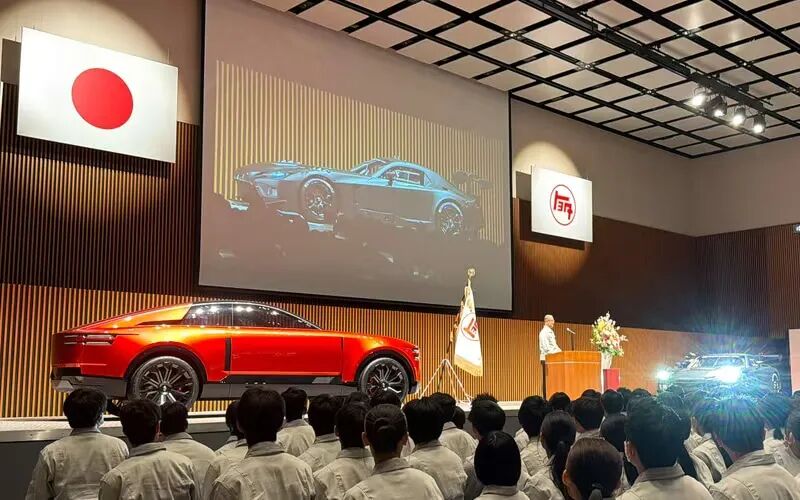
On April 1, Toyota Motor Corporation underwent a significant leadership transition, with Kenta Kon succeeding Koji Sato as President and CEO. On this pivotal day, Kon presided over the 2026 new employee orientation ceremony at Toyota's headquarters. Despite widespread reports of 'hiring freezes' and 'layoffs' across the automotive sector, Toyota bucked the trend by hiring 2,258 fresh graduates and 1,263 experienced professionals, totaling 3,521 new employees. This number surpasses the previous record of 3,339 actual hires in fiscal 2007, marking the highest intake since 1999.
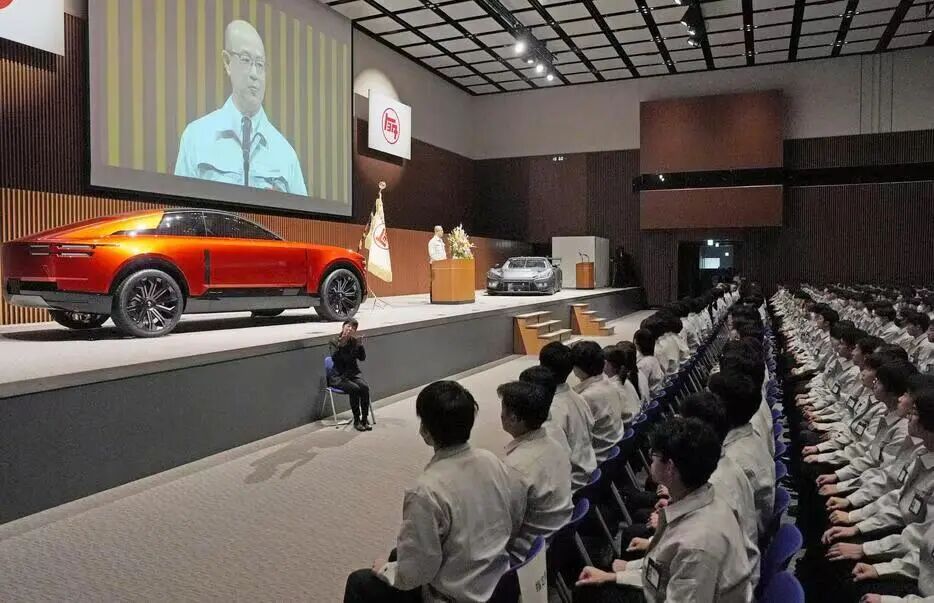
'From today, you will embark on new journeys in your respective roles. Many of you may feel uneasy, which is entirely understandable. Here, you have supervisors and seniors who have weathered setbacks and failures. I encourage you to work hard and continue to grow,' Kon remarked during his address to the new hires.
Japanese media commented that while this message was directed at the newcomers, it also mirrored Kon's own journey. As Toyota stands at a critical juncture of technological transformation and profitability enhancement, with the outgoing president stepping down hastily, Kon, taking the helm, faces new challenges and pressures.
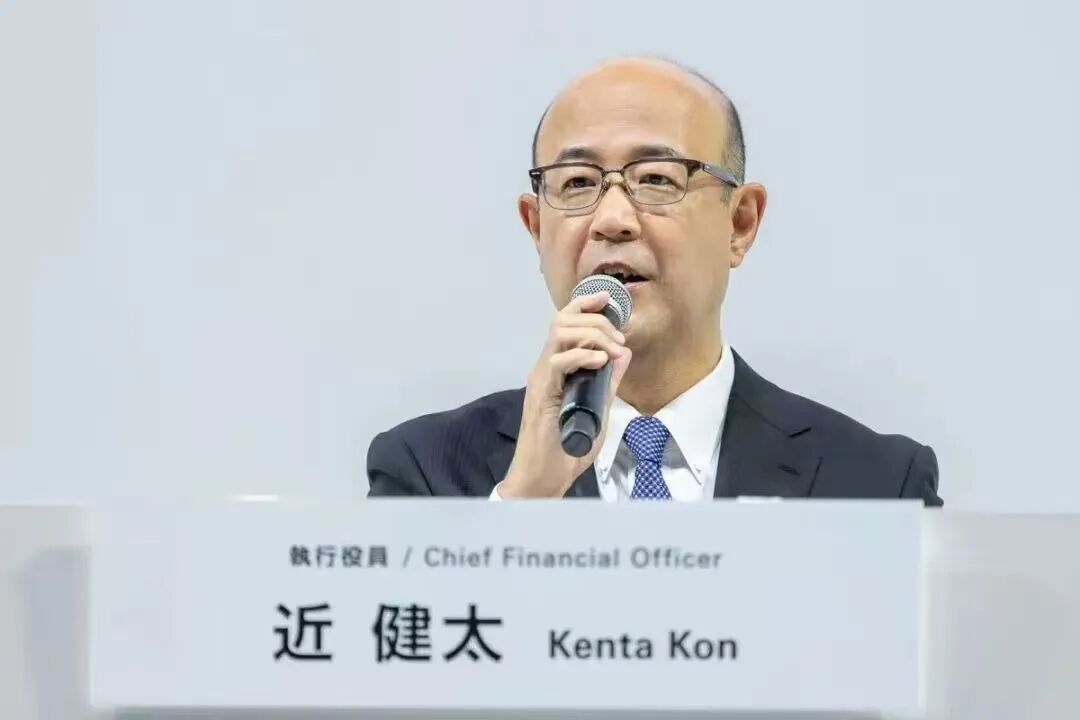
The decision to appoint Kenta Kon, with his financial background, to lead Toyota marks a significant strategic pivot for a company traditionally rooted in technology and manufacturing.
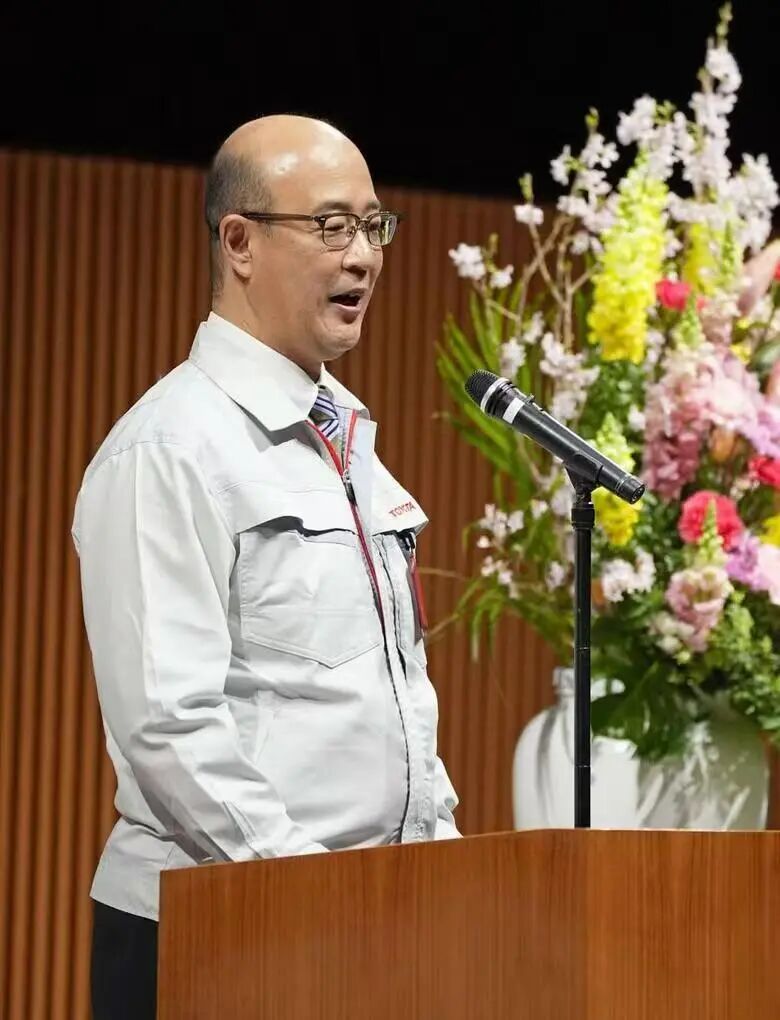
For Kon, who joined Toyota straight out of university and rose through the ranks from grassroots to become a senior assistant to Akio Toyoda, then to the core leader overseeing the company's finances, and now officially assuming the presidency, he is acutely aware of the immense responsibilities and gravity of his position.
01 'Without Change, There Is No Survival'
Just a week prior, Kon and Koji Sato jointly attended Toyota's Global Supplier Conference. Addressing over 700 representatives from 484 domestic and international suppliers, both presidents delivered keynote speeches outlining their perspectives on supplier relations and Toyota's future direction.
'Toyota is not invincible,' Kon declared as soon as he took the stage, addressing all supplier partners. He bluntly pointed out the reality: 'The business environment we operate in is becoming increasingly severe. Many see Toyota's financial reports and assume we are thriving, but that is far from the truth.'
He acknowledged that Toyota's competitive foundation had significantly weakened.
Kon recalled the 2008 Lehman crisis (the bankruptcy of Lehman Brothers), which led to Toyota's first-ever loss since its founding. This forced the company to halt numerous projects, withdraw from Formula 1, and close New United Motor Manufacturing, Inc. (NUMMI). Akio Toyoda, then president, faced painful decisions almost daily.
At that time, Kon served as Akio Toyoda's secretary, witnessing firsthand the company's struggles and the challenges Toyoda faced as a decision-maker. 'A company that has been growing rapidly can cause trouble for many stakeholders when it suddenly declines. In adversity, Toyota must hold its ground and support the entire supply chain,' he reflected.
'The only thing I must do now is one thing.'
At the supplier conference, Kon seemed to have pre-emptively declared his inauguration. He stated that Toyota now faces bottlenecks and crises similar to those during the Lehman crisis, and his core mission as president is to rebuild Toyota's competitive foundation and restore 'Toyota's strength.'
Like Kon, Koji Sato also conveyed the same message during his speech—Toyota must 'become strong again.' He warned the 484 suppliers present that Toyota and its supply chain partners had reached a critical stage of 'fighting for survival,' and without change, none would survive.
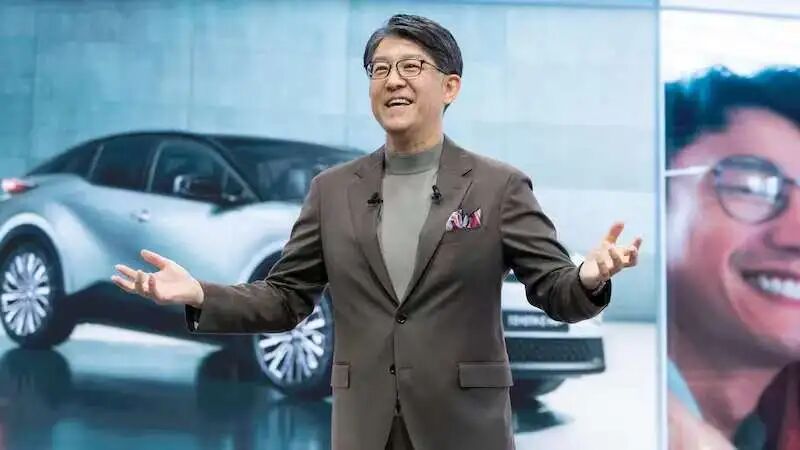
'Everyone must have a deep sense of crisis. The automotive industry is fighting for survival, and the battles ahead will be tougher than imagined. Even industry giants like Toyota face the risk of being eliminated by the times if they do not fundamentally transform,' Sato emphasized.
Firstly, competitors are moving faster than Toyota.
Sato highlighted China, where intense competition among Chinese automakers is rapidly enhancing product capabilities while also making price advantages more pronounced. These aggressive competitors are driving unprecedented technological acceleration globally.
Secondly, Toyota indeed needs to change.
Challenges such as tariff barriers triggered by geopolitics, the impact of electrification, and technology restructuring driven by 'software-defined vehicles' have left Toyota lagging in some areas. With competitors offering better cost-effectiveness, Toyota must re-examine its long-standing vehicle manufacturing logic and cost control systems.
02 How Will the New CEO Play His Cards?
'I will personally go to the frontlines, witness the efforts of every fighter, and listen to their voices; at the same time, I will drive transformation and re-examine work patterns and systems that cannot be changed by frontline efforts alone...'
'I will personally make the decision to 'stop this' and take action, all for the company's victory!'
At the end of his April 1 speech, Kon expressed his determination and resolve to reform Toyota. This statement was a solemn declaration not only to the over 3,000 new employees but also to all Toyota stakeholders.
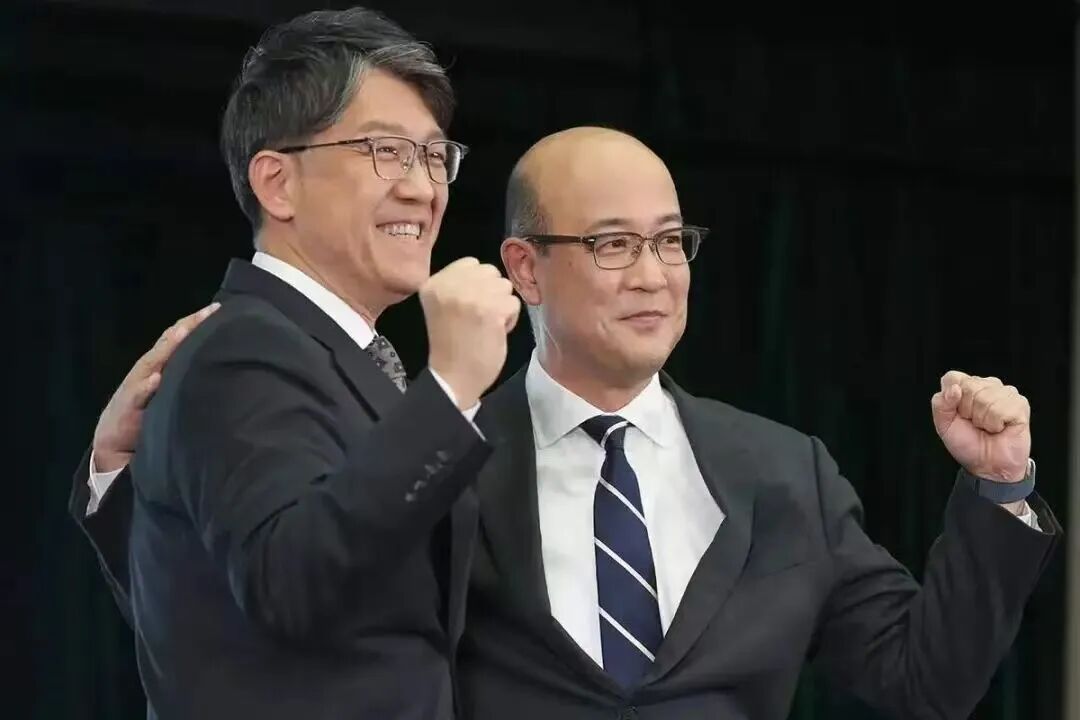
In reality, the management team led by Akio Toyoda had already clearly recognized that Toyota was about to face an extremely brutal 'battle for survival.' The fact that the company had changed its CEO twice in just three years was enough to show that this once highly profitable industry giant was now deeply mired in a strong sense of crisis. Sato's remark that 'without change, there is no survival' was no exaggeration.
In fact, Sato and Kon had already openly expressed anxiety about 'Toyota falling behind' on multiple occasions.
A month earlier, at the press conference announcing the new president, a Japanese journalist asked Kon how he viewed Toyota's progress in cutting-edge technologies such as autonomous driving and end-to-end solutions, as well as its competitive strength against rivals like Tesla.
Kon's response was candid. He admitted that automakers like Tesla had started research and development in areas such as artificial intelligence and embodied intelligence very early, with rapid technological iteration. Toyota did not lead in all aspects and had much to learn from competitors like Tesla.
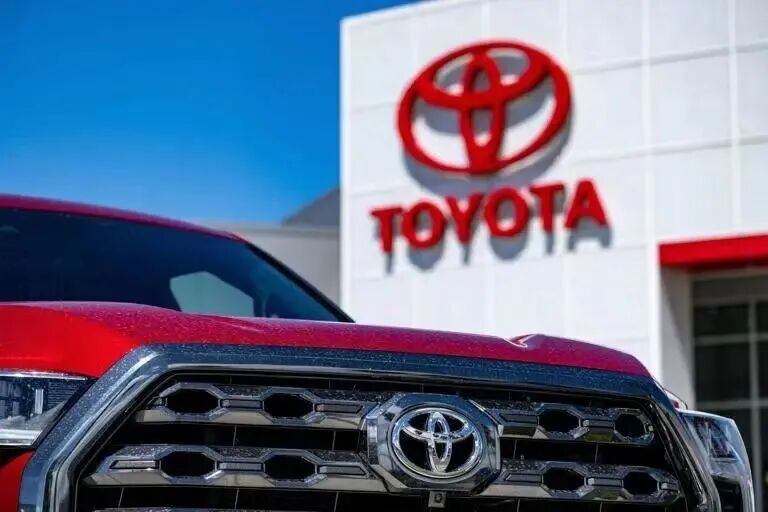
Sato's speech at the supplier conference emphasized the rapid progress of Chinese automakers, a judgment highly consistent with Kon's previous statement that 'claiming Toyota leads in all areas does not align with reality.' Indeed, both Tesla and various Chinese automotive brands offer much for Toyota to learn from.
Recognizing gaps and problems, adjusting promptly, and reforming oneself without hesitation—this is the business wisdom that has kept Toyota enduring and thriving.
Kon faces two core challenges.
Firstly, the pace of the 'new four modernizations' transformation.
During Sato's tenure, Toyota was widely seen as slow in transforming intelligentization fields such as autonomous driving, intelligent cockpits, and software-defined vehicles (SDVs), lagging behind the industry's top tier. Within Toyota, the strategic priority of intelligentization remained low, with resources dispersed across multiple paths and conservative value realization, widening the gap with competitors.
Secondly, how to improve profitability within the company.
Sato also mentioned in interviews that enhancing Toyota's profitability had entered a critical phase. So far, Toyota had spent two years consolidating its foundations. Given the current environment, the company needed to shift gears and enter a new phase focused on boosting productivity and manufacturing more cost-effective vehicles.
Starting from the first quarter of fiscal 2025, Toyota's gross profit growth had shown signs of fatigue, with net profit growth also fluctuating significantly. After setting a record operating profit of 5 trillion yen in fiscal 2023, Toyota's operating profit began to decline year by year, with the operating profit margin dropping from a peak of 11.9% to 7.6%.
In his previous speech, Kon spent a considerable amount of time recalling Toyota's origins, the aspirations of Kiichiro Toyoda to revitalize Japan's automotive industry, and the suppliers who had stood by Toyota in its early struggles.
After taking office, Kon will approach Toyota with an entrepreneurial mindset, focusing on strengthening its profitability foundation. By choosing to start anew, this president with a financial background has already taken a crucial first step in reforming Toyota.
Editor-in-Charge: Cao Jiadong Editor: He Zengrong
THE END
-
![]()
The Allure of 'Acquisition Spree': Li Shufu's Left Turn, Xu Jiayin's Right
-
![]()
Strategic Transformation Yields Results: Phoenix Optics Reports 10.9% YoY Rise in Core Net Profit for H1 2026
-
![]()
Three Key Growth Trajectories Synergize! Crystal-Optech Reports 3.478 Billion Yuan in Revenue for H1 2026
-
![]()
Semi-Annual Report Sparks XPENG Motors Buzz
-
![]()
1.6 Billion Big Order Secured! SeeYA Technology's Revenue Soars by 287.87% in the First Half of the Year
-
![]()
Baidu's Profits Plunge by 68%: Unraveling the Mystery Behind the Numbers
-
![]()
Baidu’s Profits Tumble by 68%! Where Has All the Money Gone?
-
![]()
Hynix’s Taobao Store Shuts Down Abruptly: What Should Customers Do About Warranty Services for Memory Modules?