Robotaxi Steadily Emerges from High-Expenditure Era: Are WeRide and Pony.ai Alleviating Financial Strain?
 04/03 2026
 626
626
Introduction | Lead
In March, WeRide and Pony.ai unveiled their 2025 financial results, with both intelligent driving firms highlighting "swift expansion in Robotaxi operations, reduced operational expenses, and diminishing losses" as key themes. Notably, as Robotaxi surpasses the "per-vehicle profitability" milestone, it signals a definitive shift away from the high-expenditure phase, marking its entry into the commercialization deep waters, transitioning from implementation to operational success.
Produced by | Heyan Yueche Studio
Written by | Cai Yan
Edited by | He Zi
Full text: 2,203 characters
Reading time: 4 minutes
As frontrunners in the autonomous driving industry, WeRide and Pony.ai are progressively enhancing their operational performance.
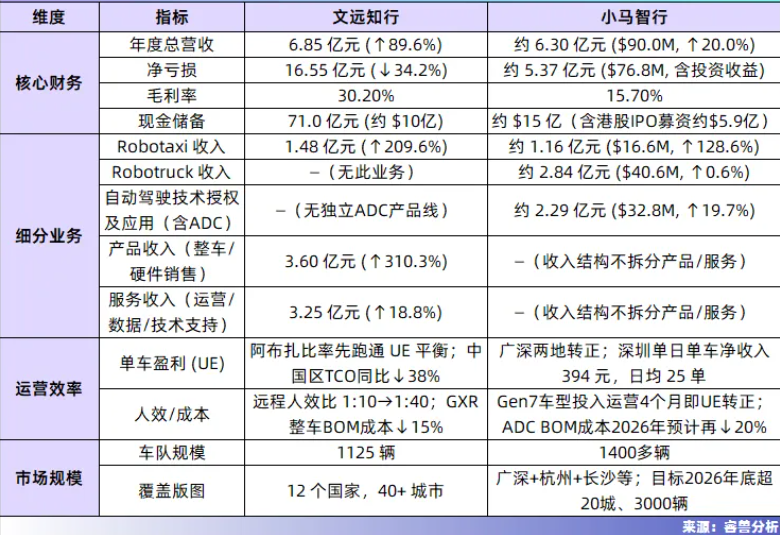
Financial reports indicate that WeRide's total revenue for 2025 reached RMB 685 million, an 89.6% year-on-year surge; net loss narrowed to RMB 1.7 billion, a 34.2% reduction from the previous year; gross margin slightly decreased by 0.4% but remained steady at 30%. WeRide excelled in its core Robotaxi segment, with revenue exceeding RMB 148 million, contributing 21.8% to total revenue and growing by over 209.6% year-on-year.
Pony.ai's total revenue for 2025 amounted to USD 90 million, a 20% year-on-year increase; gross margin improved from 15.2% to 15.7%, and net loss reduced to USD 76.8 million, a 72.1% year-on-year decrease. Robotaxi business revenue was USD 16.6 million, up 128.6% year-on-year, accounting for 18.5% of total revenue.
Behind the achievements of WeRide and Pony.ai, the broader narrative reveals "exceptional Robotaxi performance and diminishing losses" as a shared theme. However, a deeper examination of their business models and strategic directions reveals that this merely represents a temporary convergence for these two leading intelligent driving companies, with genuine market challenges just beginning to surface.
Core Strategies Remain Steadfast, Yet Paths Diverge
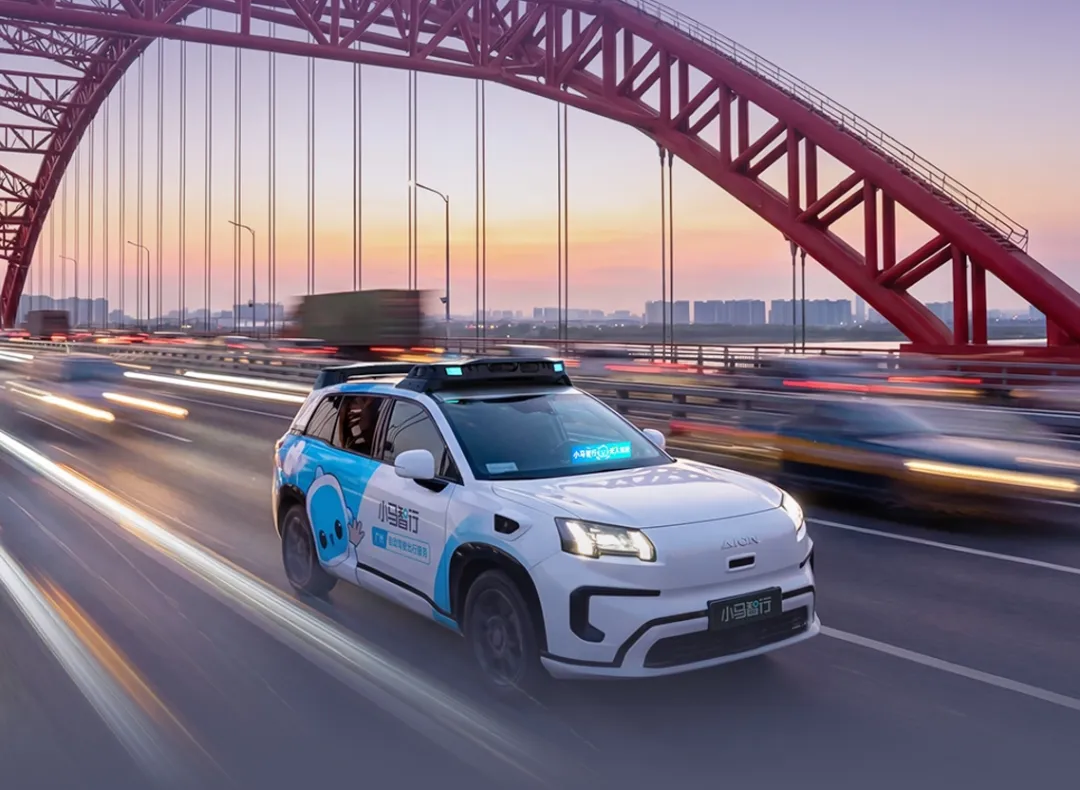
As the cornerstone of their operations, Robotaxi has seen WeRide lead the way in achieving per-vehicle profitability in Abu Dhabi in 2025 through its "platform-centric" and "global" strategies. In contrast, Pony.ai has carved out a niche in China's first-tier cities through deep collaborations with GAC Group and BAIC Group, setting a record of RMB 394 in average daily net revenue per vehicle in Shenzhen, achieving per-vehicle profitability in both Guangzhou and Shenzhen, and validating the commercial viability of Robotaxi through more efficient localized operations.
Beyond the shared rapid growth in Robotaxi, both WeRide and Pony.ai have fine-tuned their cost control measures.
In April 2025, Pony.ai introduced three seventh-generation Robotaxi models co-developed with Toyota, BAIC Group, and GAC Group. Pony.ai announced on its official website that the seventh-generation models achieved significant cost efficiency gains, with material costs for the autonomous driving suite dropping by 70% compared to the previous generation, and the cost of the autonomous driving computing unit (ADC) falling by 80%. Coupled with the general decline in LiDAR costs in 2025, hardware expenses were further reduced.
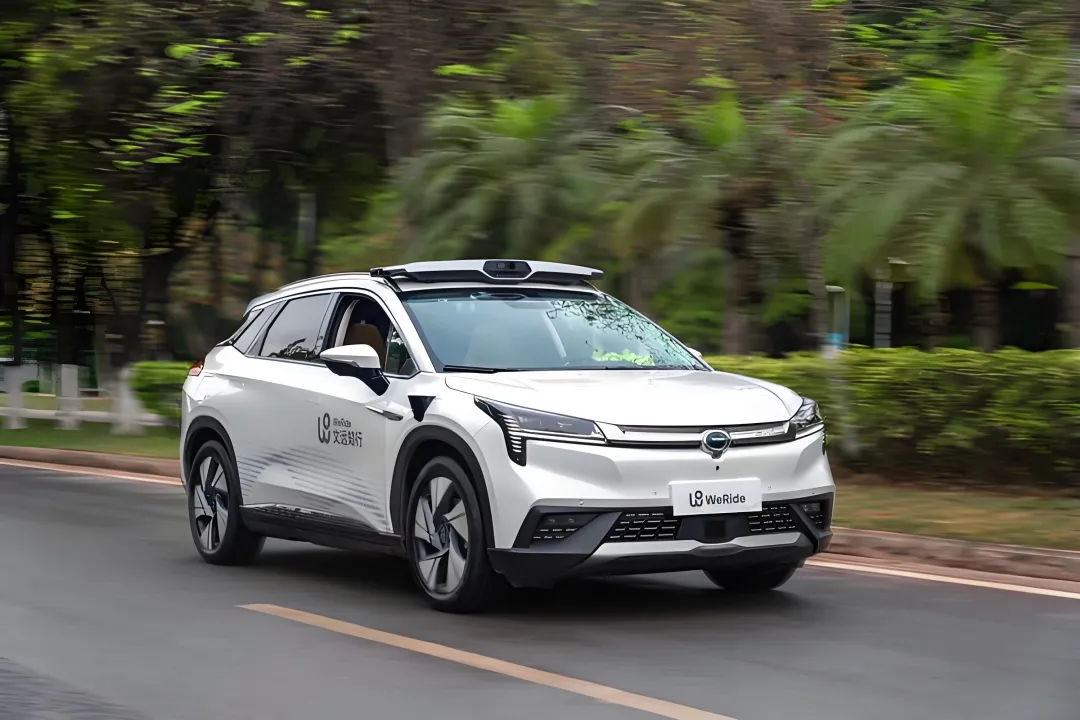
In July 2025, WeRide and Lenovo jointly developed the HPC 3.0 computing platform, powered by NVIDIA DRIVE Thor X chips, which was first integrated into the new Robotaxi GXR, driving down the cost of the GXR's autonomous driving suite by 50%. The total lifecycle cost of the platform decreased by 84% compared to the previous generation, and the new GXR's Bill of Materials (BOM) also dropped by 15%. These cost-saving initiatives by WeRide led to an increase in product gross margin from 18.2% in 2024 to around 29.5% in 2025.
WeRide and Pony.ai have demonstrated remarkable alignment in their listing, commercialization, and cost-reduction strategies. On a positive note, they share common ground; from a market competition standpoint, their deep understanding of each other fuels their unwavering commitment to their respective rhythms and goals.
If one were to pinpoint the most significant differences between WeRide and Pony.ai, they would lie in their "operational approach" and "revenue structure." Regarding the profitability strategy for Robotaxi, WeRide and Pony.ai have adopted entirely distinct paths. WeRide leans towards a "global" and "product-centric" high-profile model, while Pony.ai places greater emphasis on operational efficiency.
These differences are more pronounced at the product level. WeRide's autonomous driving products, including Robotaxi, Robobus (autonomous buses), and Robosweeper (autonomous street sweepers), are delivered as complete vehicles. This asset-heavy model necessitates possessing both autonomous driving technology and vehicles, with sales finalized upon vehicle delivery.
In contrast, although Pony.ai also ventures into unmanned delivery and unmanned street sweeper businesses, it solely provides autonomous driving technology (such as ADC domain controllers) and charges licensing fees and order commissions, without incurring vehicle purchase costs. The vehicles are procured by external partners (Toyota, GAC Group). Pony.ai's "asset-light" model not only minimizes its own cost investment but also facilitates rapid vehicle fleet expansion.
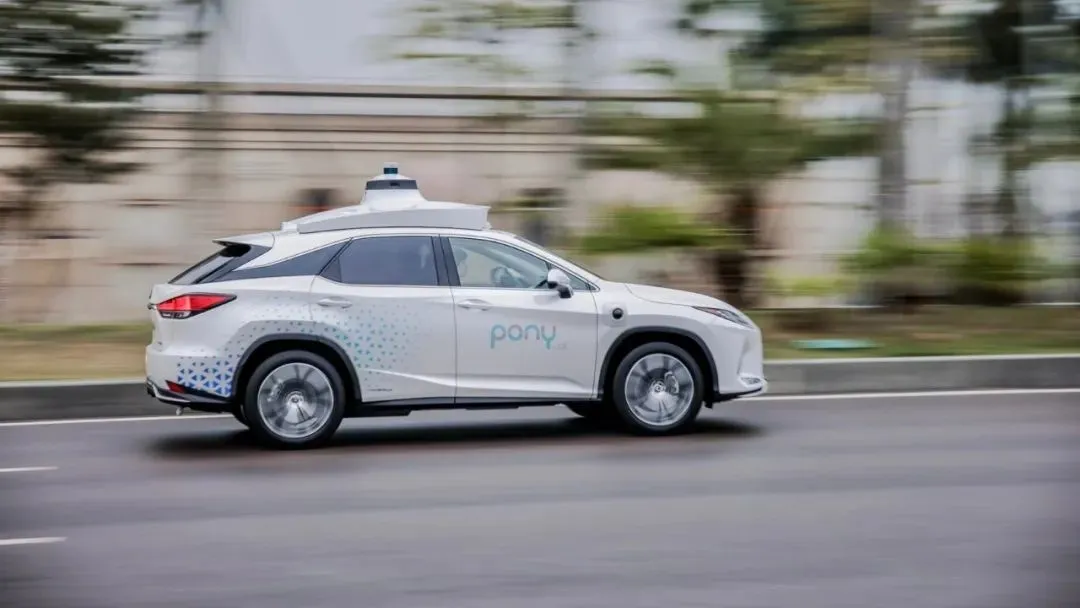
In the Robotaxi business, while both companies have a presence in China, WeRide has shifted its focus to overseas markets in recent years. To date, WeRide is the only company globally holding autonomous driving vehicle licenses in eight countries: Switzerland, China, the United Arab Emirates, Saudi Arabia, Singapore, France, Belgium, and the United States. WeRide plans to expand its global autonomous taxi fleet to 2,600 vehicles by the end of 2026.
Pony.ai, on the other hand, prioritizes establishing a strong foothold in the domestic market. Pony.ai's CFO, Wang Haojun, stated that nearly half of the new vehicles in 2026 will be deployed through "cooperation models," and combined with passenger fare revenue from self-operated vehicles, the company expects its Robotaxi revenue to triple in 2026 compared to 2025. Meanwhile, Pony.ai will further expand its business in China's first-tier cities, extending to more cities such as Hangzhou and Changsha.
Thus, WeRide's growth and revenue structure are more derived from "project-based and product-centric" revenue expansion, while Pony.ai's contributions stem more from "operational and mobility-based" revenue.
From a commercialization perspective, Pony.ai, which is more focused on the "mobility" transformation, is indeed closer to the industry's true inflection point than WeRide. In the autonomous driving race, we can even consider Pony.ai as China's version of 'Waymo.'
As for WeRide, although it is currently constructing a larger "stage," it seems to be proving its value by taking the more challenging path.
WeRide and Pony.ai Are Formidable, but So Are Their Rivals
From a market standpoint, examining the entire Chinese autonomous driving sector, both Pony.ai and WeRide are still in the loss-making phase. For these two L4 technology suppliers, they will face even more stringent survival tests in the future.
On one hand, leading autonomous driving players such as Huawei and Horizon Robotics have gradually found their footing in commercialization. On the other hand, with ride-hailing platforms like Didi and Uber holding massive orders and waiting on the sidelines, coupled with non-traditional automakers like Tesla and XPENG accelerating their progress in Robotaxi and algorithms, the variables in the autonomous driving race are multiplying.
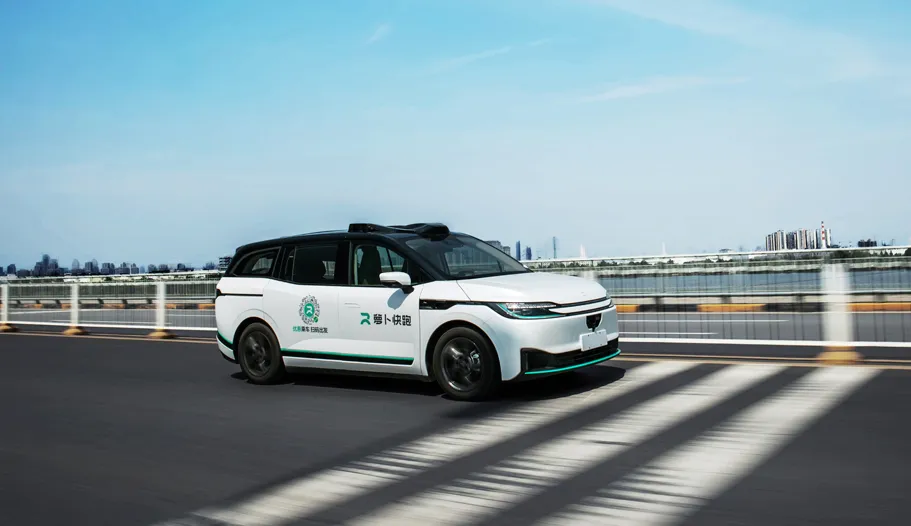
XPENG Motors plans to launch three Robotaxi models in 2026, equipped with four Turing chips, delivering 3000 TOPS of onboard computing power, and initiating passenger tests with safety operators in the second half of the year. Horizon Robotics also plans to test Robotaxi operations in 2026. As a full-stack player in "chips + algorithms," Horizon Robotics will inevitably have an advantage in cost control.
The competitive landscape in the autonomous driving race in 2026 is no longer solely determined by technological prowess, global presence, or the number of licenses and fleet size. Instead, it is a comprehensive competition involving talent, vehicles, algorithms, scale, and ecosystems.
Commentary
If one were to make a concise assessment of the current state of the autonomous driving race, it would be that technological implementation does not equate to commercial success. If 2025 was the experimental year for the Robotaxi sector to transition from "technological validation" to "commercial implementation," then 2026 marks the beginning of the shift from "commercial implementation" to "commercial closure." The autonomous driving race is about to witness a new round of eliminations.
(This article is original to Heyan Yueche and may not be reproduced without authorization.)
-
![]()
The Allure of 'Acquisition Spree': Li Shufu's Left Turn, Xu Jiayin's Right
-
![]()
Strategic Transformation Yields Results: Phoenix Optics Reports 10.9% YoY Rise in Core Net Profit for H1 2026
-
![]()
Three Key Growth Trajectories Synergize! Crystal-Optech Reports 3.478 Billion Yuan in Revenue for H1 2026
-
![]()
Semi-Annual Report Sparks XPENG Motors Buzz
-
![]()
1.6 Billion Big Order Secured! SeeYA Technology's Revenue Soars by 287.87% in the First Half of the Year
-
![]()
Baidu's Profits Plunge by 68%: Unraveling the Mystery Behind the Numbers
-
![]()
Baidu’s Profits Tumble by 68%! Where Has All the Money Gone?
-
![]()
Hynix’s Taobao Store Shuts Down Abruptly: What Should Customers Do About Warranty Services for Memory Modules?