【Weekly Auto Talk】Are Honda and Electric Vehicles Destined to Be Incompatible?
 04/03 2026
 646
646
Lead-in
Introduction
It appears that Honda, a company that has been facing challenges, is planning a comprehensive overhaul.
As a Honda enthusiast, witnessing the once-dominant Honda gradually lagging in the electric vehicle (EV) era, resulting in financial setbacks and a bleak outlook, leaves me uncertain. Should I feel let down by its failure to meet expectations? Or was this outcome something I had subconsciously foreseen all along?
In early March 2026, the Japanese automotive behemoth issued a profit warning, projecting its first annual net loss in 69 years since going public for the 2025 fiscal year, with losses potentially reaching up to ¥690 billion (approximately RMB 30 billion).
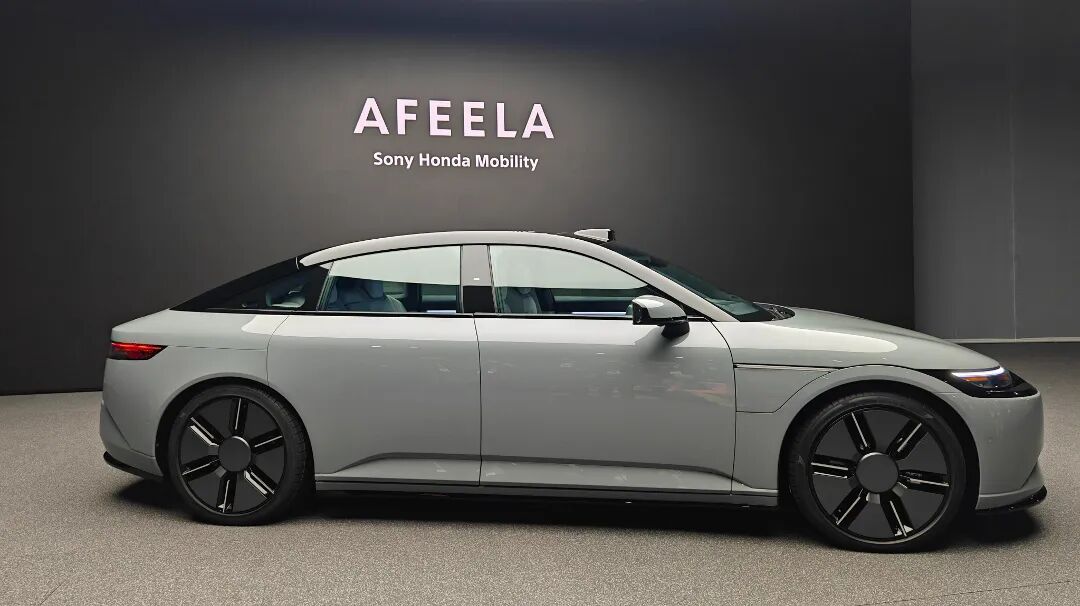
Just 13 days later, on March 25, Honda and Sony jointly announced the termination of the development and launch plans for the Afeela series of EVs under their joint venture, Sony Honda Mobility.
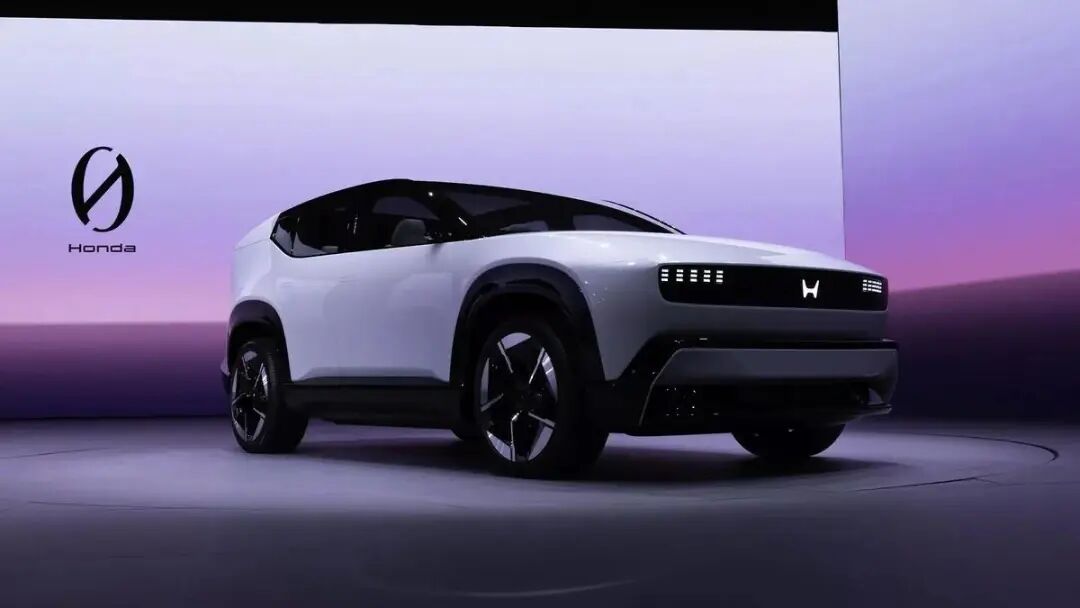
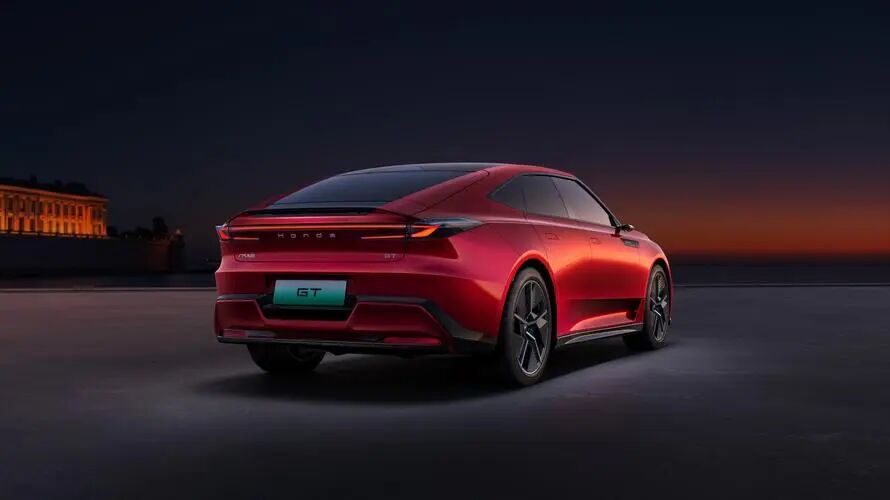
But the troubles didn't end there. Earlier, Honda halted the rollout of the all-electric coupe Ye GT in China and also scrapped plans to produce three all-electric models in North America—the Honda 0 SUV, Honda 0 Saloon, and Acura RSX EV.
Behind this flurry of actions lies Honda's comprehensive reassessment of its electrification strategy. In fact, this veteran automaker, once renowned for its "tech-savvy" image and global conquest of car enthusiasts with its engine technology during the internal combustion engine (ICE) era, is now grappling with unprecedented pain and confusion on the road to electrification transformation.
Believe it or not, Honda was once among the most proactive Japanese automakers in embracing electrification. In 2021, Honda announced plans to completely phase out ICE vehicles by 2040, focusing solely on all-electric and hydrogen fuel cell vehicles. In 2024, Honda launched its ambitious Series 0 plan, aiming to invest ¥10 trillion in EVs and software over the next decade.
However, before these bold declarations could be translated into concrete actions, the growth of the global EV market failed to meet Honda's expectations. The U.S. market terminated the 17-year federal EV tax credit policy in September 2025, eliminating the $7,500 subsidy. Consequently, U.S. demand for EVs plummeted to less than half of previous projections, with penetration rates dropping back to single digits. The European market also relaxed its emissions targets.
Although Honda CEO Toshihiro Mibe conceded, "Our judgment of global EV demand was overly optimistic, and we failed to respond flexibly to changes in the business environment," no amount of explanation can alter the fact that Honda is regressing.
Everyone knows Honda as a notorious "tech geek," with a popular saying: "Buying a Honda means buying an engine with a car thrown in for free." During the ICE era, this logic held true. Honda produced legendary engines like the B16, B18, K20, and K24, and even its more affordable L15 engine won over countless fans with its robust technology.
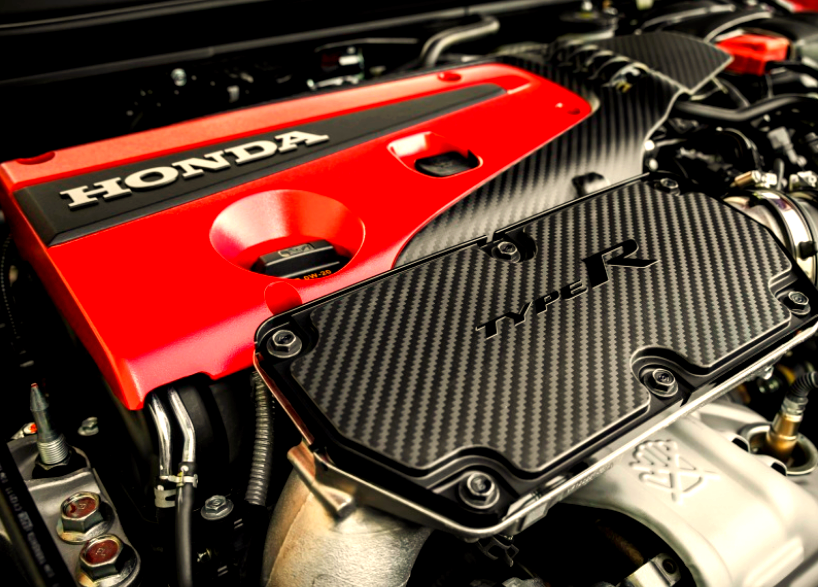
But as the market dynamics shifted, with electric motors virtually outperforming traditional engines, what was Honda's strategy? Regardless of its intentions, the terminal market's perception of Honda has taken a nosedive. After losing its engine advantage, Honda's shortcomings became glaring: overall low configuration, weak intelligent features, and a sluggish product rhythm.
Is this primarily due to the rigidity of Honda's R&D system, which is hampering its transformation speed? Perhaps.
Consider that in the past five years, as new energy development has surged, Chinese automakers have compressed their new vehicle development cycles to 18-24 months, while Honda still adheres to a traditional 5-year process. Falling behind at every turn, while Chinese automakers are competing over 8295 chips, advanced intelligent driving, and large screens, Honda seems stubbornly resistant to change.
Not only that, but Honda is accustomed to the ICE vehicle supply chain, with strict cost control. However, it struggles with the EV supply chain. Its all-electric models have high costs, making them unappealing at high prices and unprofitable at low prices. Honda is defenseless in price wars. This approach by Honda is akin to using an old map of ICE vehicles to navigate the new continent of EVs—getting lost is inevitable.
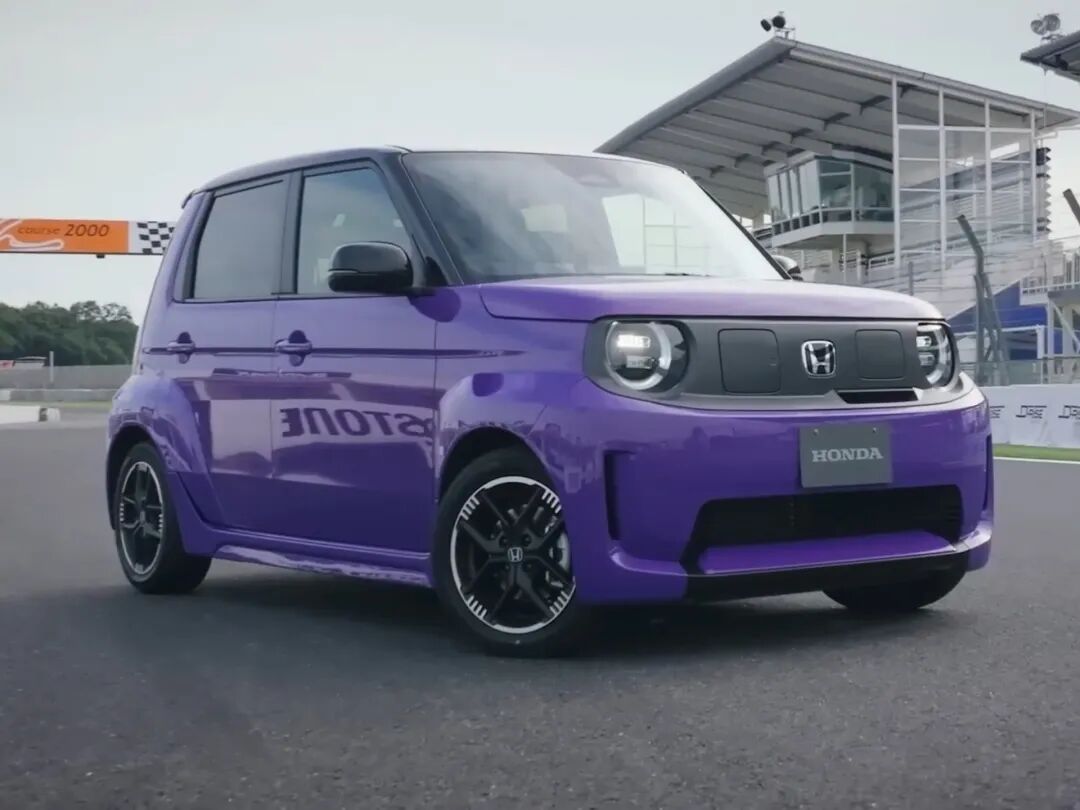
In the U.S., when General Motors chose to terminate its cooperation with Honda, its plan to reduce R&D costs by sharing the Ultium platform fell through. In China, Honda clung to the idea of converting ICE models to electric ones, launching one slow-selling product after another. In Japan and Europe, Honda's ONE model serves little more than as a mascot for electrification transformation.
Last year, unlike overseas, Honda launched two all-electric models, the S7 and P7, which showcased typical "Honda characteristics" at the product level: excellent driving texture, refined mechanical tuning, and reliable power systems. However, by 2025, Chinese EV consumers' mindsets had shifted: ultra-large space, top-tier intelligent cockpit experiences, high-level assisted driving capabilities, and more competitive pricing compared to similarly sized ICE vehicles had become essential factors in purchasing decisions.
Suddenly, Honda found itself at a disadvantage again. In contrast, fellow Japanese automakers Toyota and Nissan seemed to have a better grasp of surviving in China.
During the ICE era, the name "Honda" signified reliability, fuel efficiency, high resale value, and a certain sporty DNA. However, in the EV realm, these traditional advantages are being leveled. Consumers are more concerned with: Is your intelligent cockpit user-friendly? How much driving burden can your assisted driving reduce? On these new dimensions, Honda has yet to establish brand recognition advantages comparable to those in the ICE era.
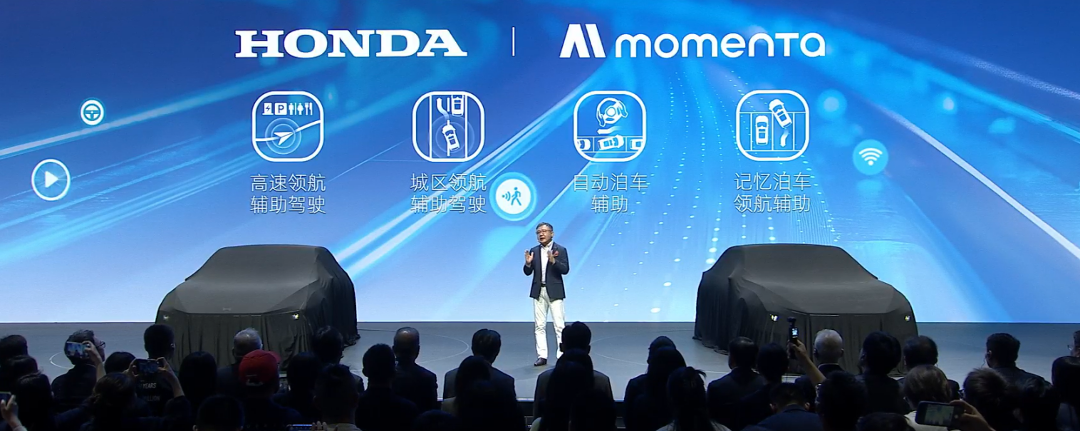
Particularly in terms of intelligent features, while Chinese automakers are rapidly iterating in intelligent driving and cockpit technologies, a generational gap exists between Honda and Chinese automakers. Although Honda has partnered with Momenta to develop a new generation of ADAS suitable for China's road environment and plans to equip it on all future new models, the market won't wait. Every step forward is filled with uncertainty.
Faced with huge losses and market pressure, Honda's strategic adjustment has taken a new direction today: shifting from an aggressive all-electric route to a more pragmatic hybrid approach. Under the new plan, Honda expects the global sales share of all-electric vehicles to be lower than the previously set 30% target by 2030.
Due to this change and relying on its existing product lineup, Honda still seems to have several cards to play. For example, in Japan, Honda has switched entry-level SUVs like the HR-V entirely to hybrid versions to achieve its phased goals for new energy transformation.
Ultimately, for Honda, electrification transformation is indeed a long journey. The cold reception of the S7/P7 trials and the delay of the Ye GT are inevitable pains and strategic recalibrations in the face of industry upheaval. The termination of the Afeela project and the cancellation of the three all-electric models in North America can be seen as part of timely damage control.
In this unprecedented transformation of the automotive industry, no one can remain unscathed. Honda's predicament is a challenge faced by all traditional automakers. The difference lies only in who can recognize reality faster, adjust strategies, and find a suitable transformation path.
In China, Honda's story continues. The question remains: Can this company, once known for innovation and technology, regain its rhythm in the electric era? Time will always provide the final answer. One thing is certain: In this century-long transformation of the automotive industry, there are no permanent kings, only continuous evolution. Hopefully, Honda's electric retreat will mark the beginning of its evolution.
Editor-in-Charge: Li Sijia Editor: He Zengrong
THE END
-
![]()
The Allure of 'Acquisition Spree': Li Shufu's Left Turn, Xu Jiayin's Right
-
![]()
Strategic Transformation Yields Results: Phoenix Optics Reports 10.9% YoY Rise in Core Net Profit for H1 2026
-
![]()
Three Key Growth Trajectories Synergize! Crystal-Optech Reports 3.478 Billion Yuan in Revenue for H1 2026
-
![]()
Semi-Annual Report Sparks XPENG Motors Buzz
-
![]()
1.6 Billion Big Order Secured! SeeYA Technology's Revenue Soars by 287.87% in the First Half of the Year
-
![]()
Baidu's Profits Plunge by 68%: Unraveling the Mystery Behind the Numbers
-
![]()
Baidu’s Profits Tumble by 68%! Where Has All the Money Gone?
-
![]()
Hynix’s Taobao Store Shuts Down Abruptly: What Should Customers Do About Warranty Services for Memory Modules?