Will Persisting with Extended-Range Models Lead to a Sales Slump in 2026?
 04/07 2026
 535
535
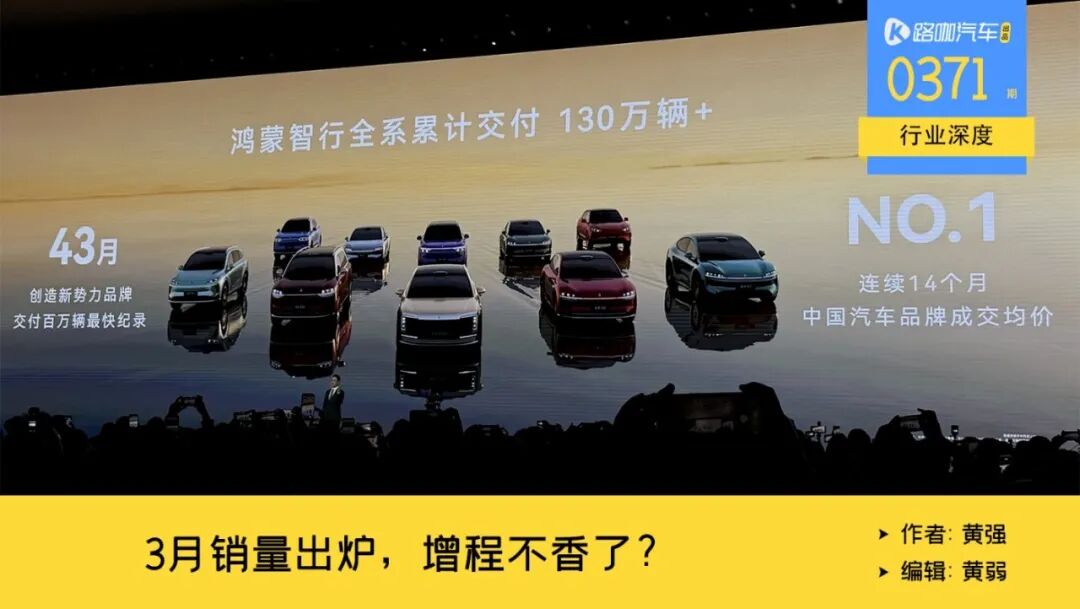
The sales strategy that seemed infallible in 2025 has taken on a new dimension at the dawn of this year.
"Sales of the battery electric versions of the AITO M8 and AITO M9 have outstripped those of the extended-range versions, with a current ratio of approximately 6:4," revealed frontline data we gathered in mid-March, corroborated by multiple dealerships. While the future trajectory remains uncertain, the current lead of BEVs over extended-range and plug-in hybrid models continues to grow.
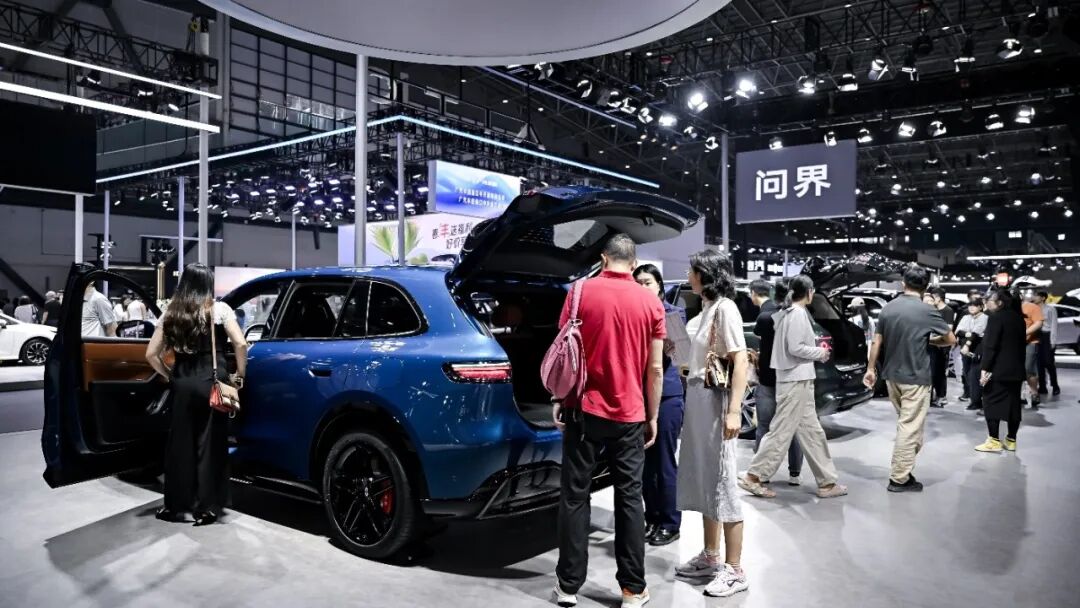
Hence, if the sales base for BEVs continues its rapid expansion, automakers that ventured into the extended-range market with heavyweight products in 2024 or 2025 will inevitably face heightened competitive pressures. After all, the competitive landscape is intensifying, and market demand is gradually being siphoned off.
March and Q1 Sales Paint a Consistent Picture
Sales figures for January and February of this year showed extended-range models holding an edge over BEVs. However, with consumption rebounding in March, BEVs regained the upper hand.
From January to February, BEV model sales approached 650,000 units, marking a year-on-year decline exceeding 30%. In contrast, extended-range model sales neared 130,000 units, with a synchronized decline of just over 6%.
The reason is straightforward: the policy of halving the purchase tax with a cap of RMB 15,000 prompted many to adopt a wait-and-see approach.
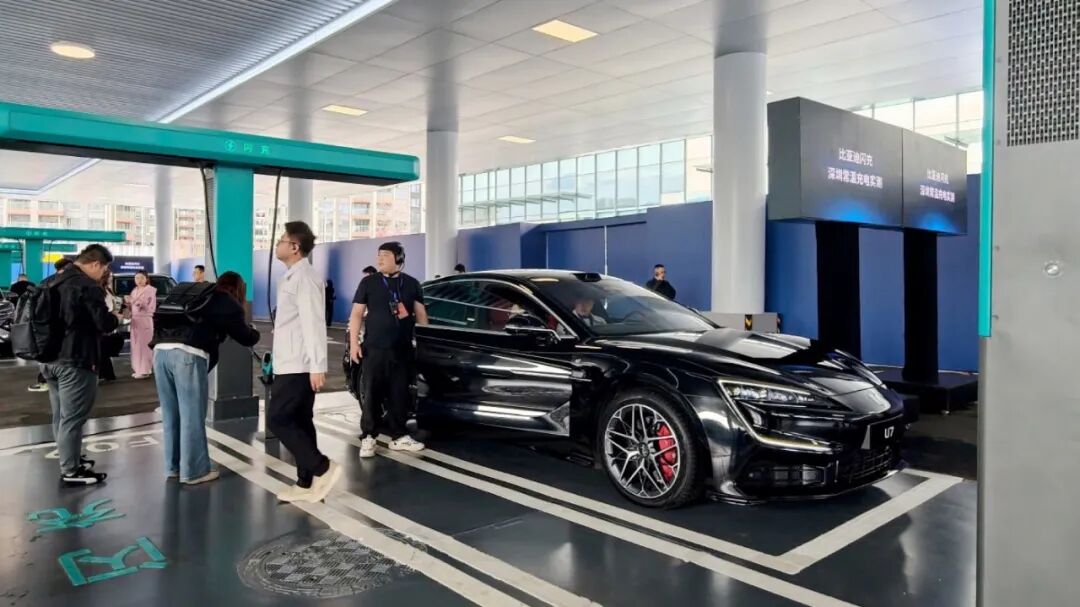
However, starting in March, BYD led the charge by introducing the second-generation Blade Battery, megawatt flash charging, and a complimentary charging policy for at least one year. The focus then shifted to BEV versions with the launch of the all-new Chery QQ3 EV, the Qijing jointly developed by Huawei and GAC Group, the Leapmotor A10 challenging Geely's Starry sales crown, Chery's Battery Night event, the unveiling of the all-new Xiaomi SU7, and the release of 10 models under the Harmony Intelligent Mobility Alliance (HIMA).
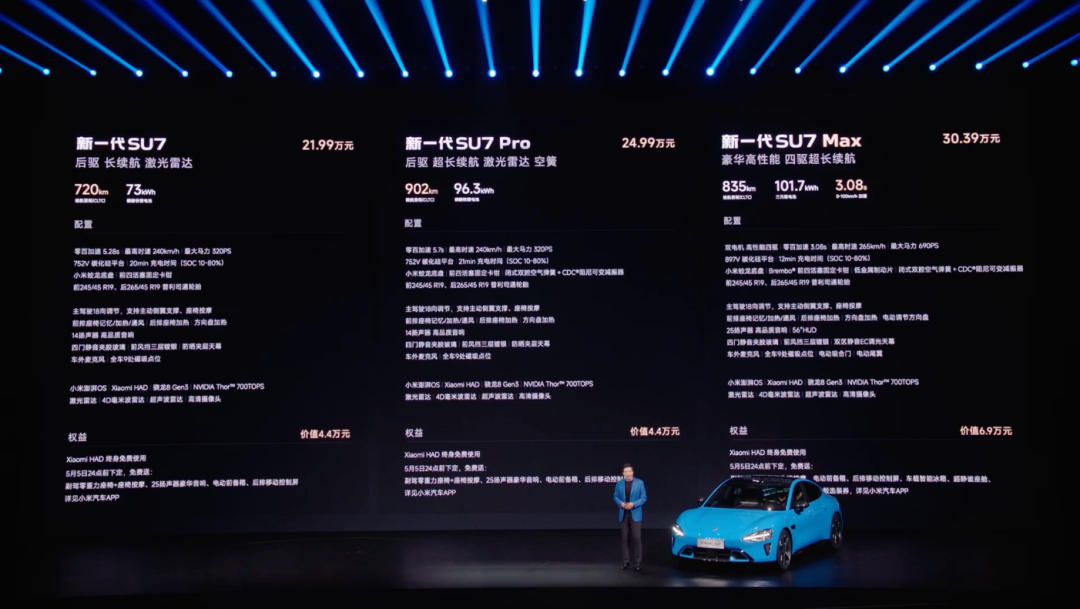
These factors collectively prompted many consumers to reassess their choices.
Examining the sales of new energy startups in March, the trend of BEVs outperforming extended-range models becomes clearer. Of course, there are also more significant shifts in consumer preferences beyond this.
According to automakers that have released their figures, the vast majority have experienced a recovery, with promising subsequent growth trends.

BYD has resumed its explosive growth trajectory starting in March each year, showing a significant recovery compared to January and February. It first reclaimed the top spot in monthly sales from Geely and then returned to a level of over 300,000 units per month. Reviewing the list of similar automakers experiencing a recovery, Geely Galaxy sold 82,700 units, GAC Aion sold 38,200 units, Deepal sold 31,700 units, Zeekr sold 29,300 units, Fangchengbao sold 25,900 units, IM sold 7,100 units, and Denza sold 7,100 units.
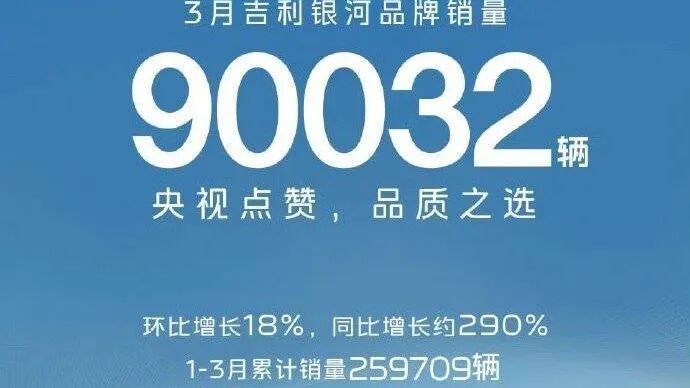
Therefore, although BYD, Geely, Great Wall, and other companies experienced year-on-year declines compared to March 2025, their recoveries are still noteworthy.
The performance of the new energy startup segment is even more impressive, with most experiencing significant recoveries and achieving year-on-year positive growth.
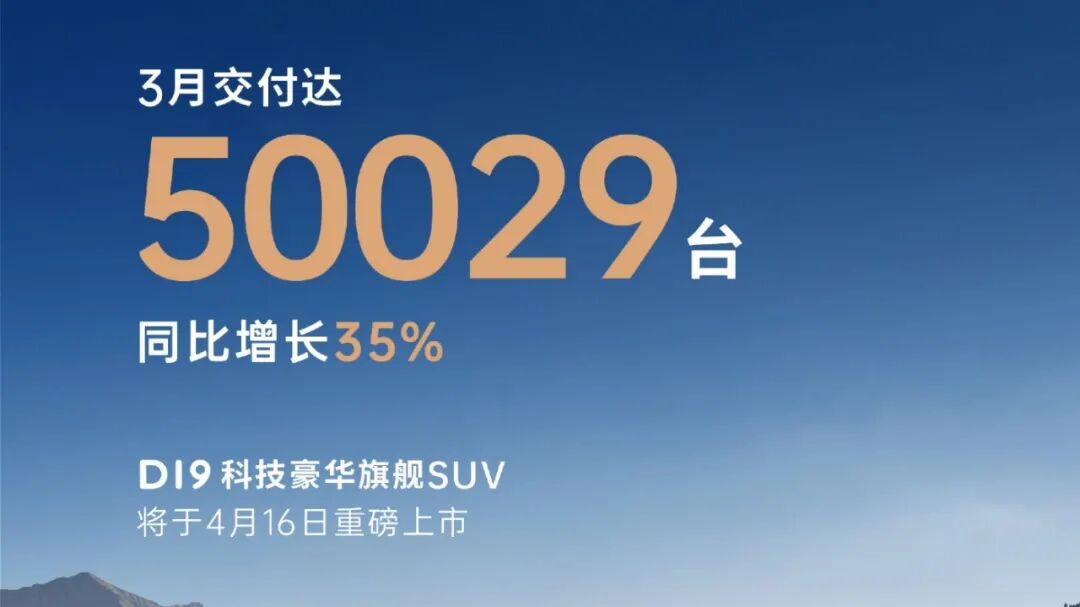
Leapmotor's monthly sales returned to 50,000 units, up 35% year-on-year. Li Auto, after facing skepticism for two months, rebounded strongly, with monthly sales returning to over 41,000 units, up 12% year-on-year.
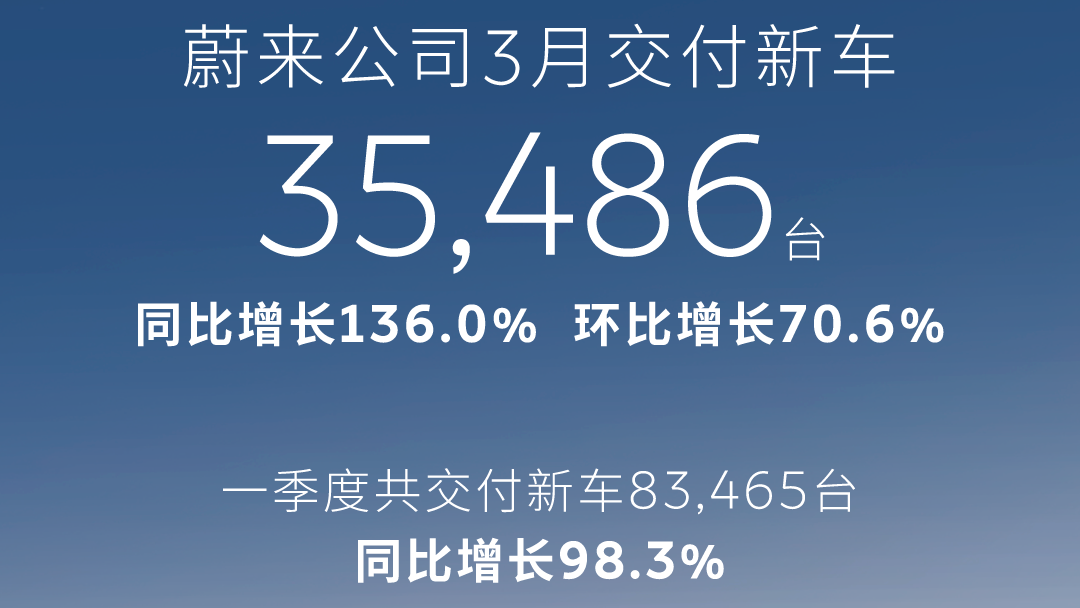
NIO returned to over 35,000 units, up 136% year-on-year. VOYAH sold 15,000 units, up 50% year-on-year. Additionally, Seres sold 22,700 units, up over 20% year-on-year.
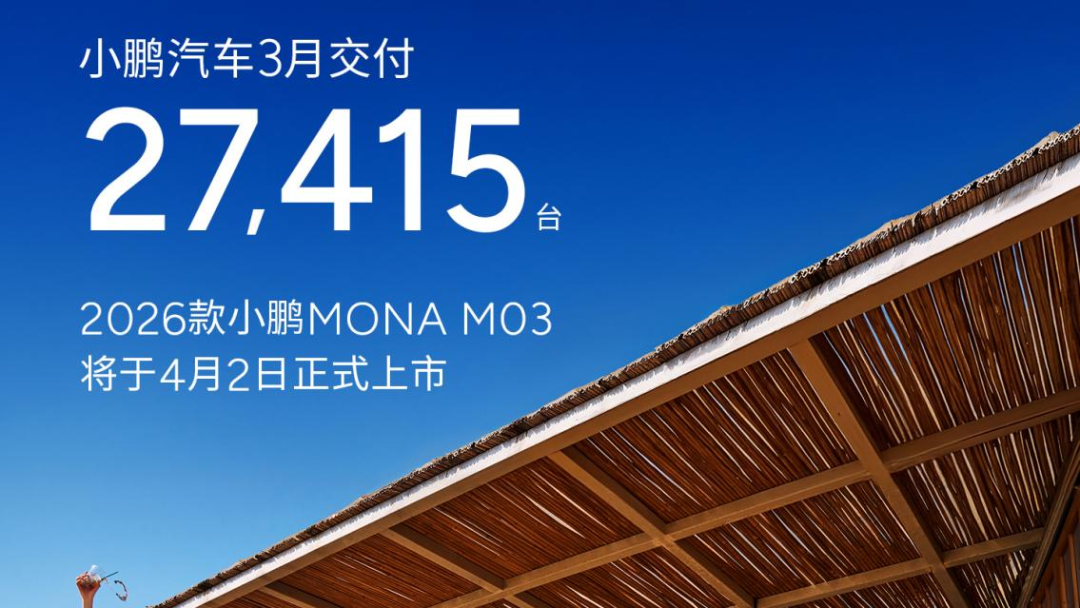
However, there are also declines among the new energy startups. For example, XPENG sold 27,400 units, down 17.4% year-on-year, and Xiaomi sold 28,000 units, down 31% year-on-year. Xiaomi's decline is easily understandable as it is transitioning between the old and new versions of the SU7. XPENG's decline is relatively surprising because, since the beginning of this year, it has launched a series of extended-range + BEV facelift models on a large scale and has also heavily promoted and advanced its second-generation Vehicle-Level Autonomous Driving (VLA) assistance technology.
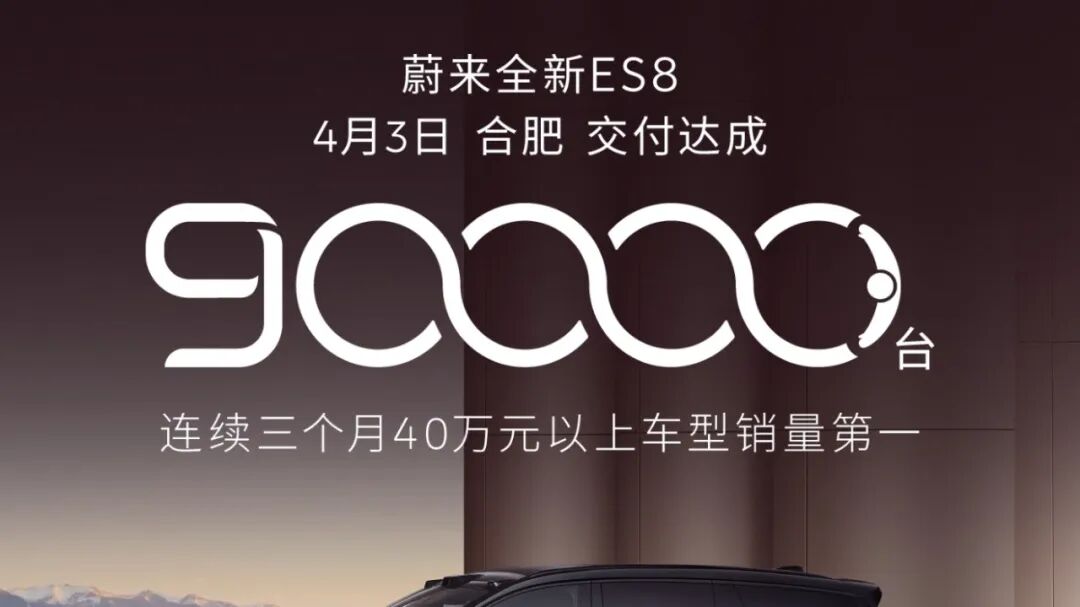
Each company operates on its own rhythm and strategy, so short-term fluctuations do not easily reveal the true nature of the changes. However, collective choices can indicate shifts in market trends. For example, Li Auto, which previously excelled in the extended-range segment, is now firmly and vigorously promoting its BEV segment. Additionally, within 195 days, deliveries of the NIO ES8 exceeded 90,000 units, setting a record for delivery speed in the over RMB 400,000 segment, which also proves the product's unique advantages.
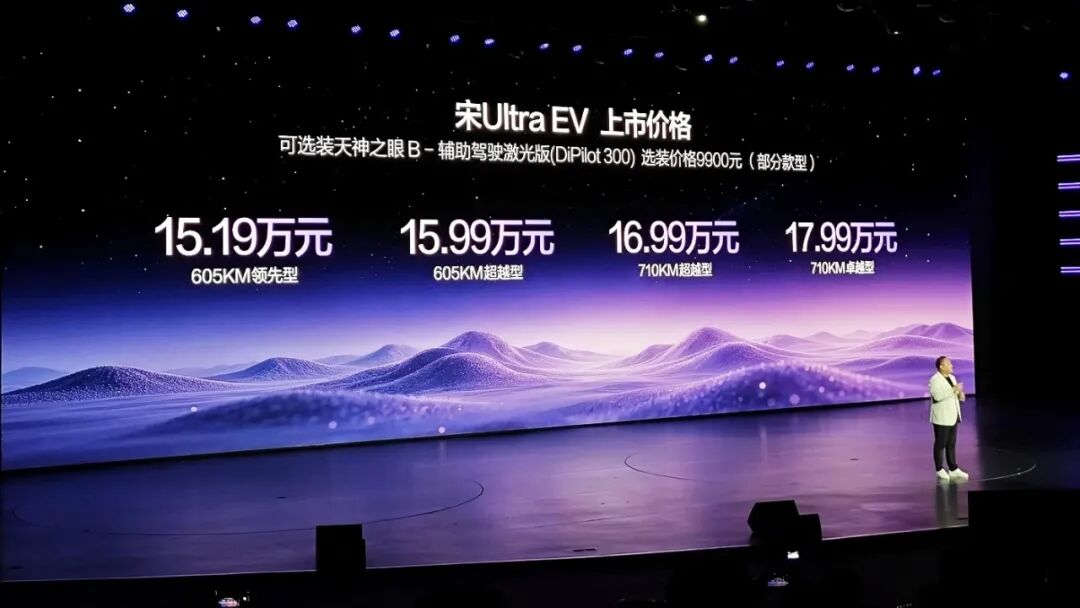
Essentially, based on the new models launched from February to April, the popularity of BEV versions is relatively higher than that of extended-range models, which is now a well-established fact. A series of popular or high-profile models can be listed among BEVs, including the all-new Xiaomi SU7, Shangjie Z7/Z7T, all-new QQ3 EV, Leapmotor A10, Song Ultra EV, and bZ4X.
However, when listing extended-range models, the list mostly includes only three: the AITO M6, SAIC Volkswagen ID. ERA 9X, and Boyue REV.
Will the Gap Widen Further Starting in April?
Of course, there is more information worth excavating in the March sales figures mentioned above. For example, the proportion of overseas market sales will determine the ranking of brands in the Chinese auto market.
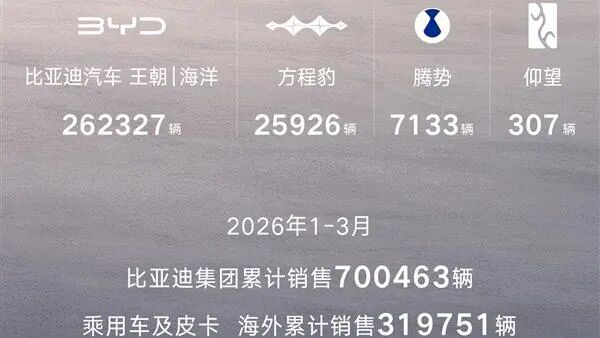
For example, BYD's sales in March exceeded 300,000 units, with overseas sales exceeding 120,000 units. Geely's sales of 233,000 units included overseas sales of over 81,000 units. In other words, the gap between BYD and Geely in the Chinese market is not around 70,000 units as the figures suggest, but rather 30,000 units.
Another pertinent question is why extended-range technology, which was highly anticipated and rapidly advanced by many automakers in 2025, did not achieve explosive results?
First, from a growth perspective, during the period from 2020 to 2025, when new energy vehicles took center stage, the year-on-year growth rates of extended-range technology models in the Chinese market were 218%, 130%, 54%, 78%, and 5.8%, respectively.
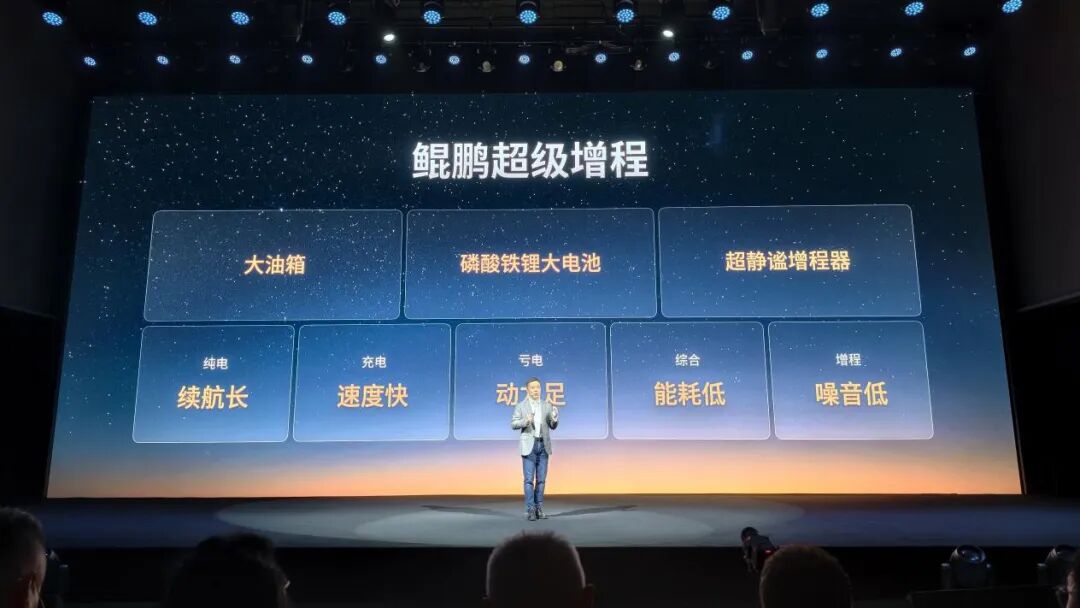
By 2025, there were already predictions of a sales glass ceiling. In fact, behind this trajectory were necessary reasons such as the rapid technological progress of BEV models and the increasing perfection of the charging network.
The initial popularity of extended-range models was due to the insufficient range of BEVs at the time, the inconvenience of charging, and the rise and leading effect of Li Auto and AITO.
By 2025, as more and more automakers entered the high-profit extended-range market in the RMB 200,000 to RMB 500,000 range, the rhetoric and thinking in product launches and marketing also significantly differed from previous years.
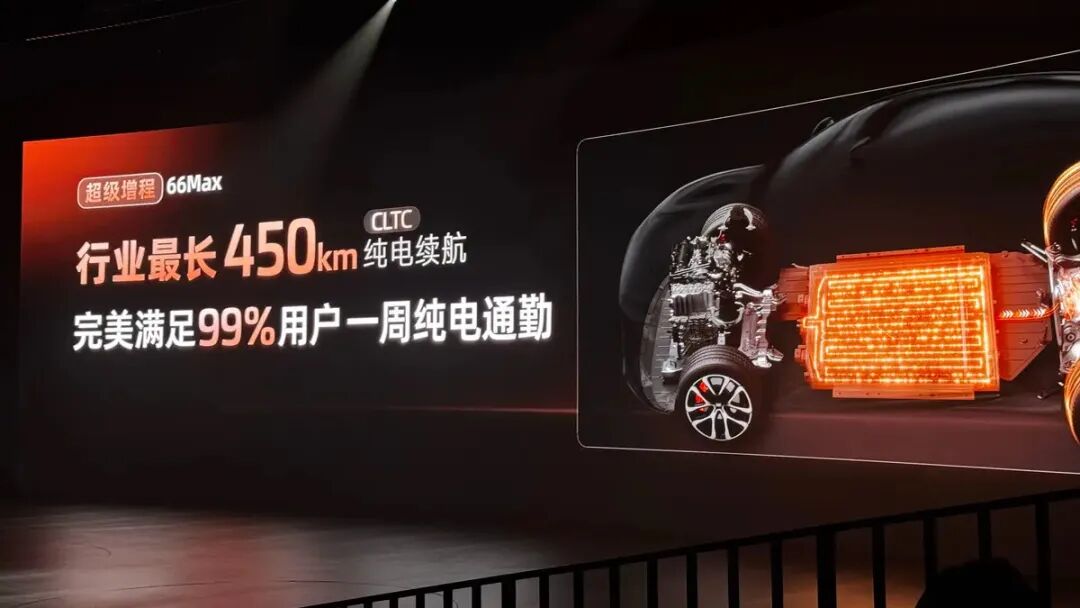
There was no longer frequent mention of range anxiety; instead, the focus shifted to addressing issues such as extended-range engine noise, power generation efficiency, and performance degradation after battery depletion. Additionally, as more automakers began emphasizing the concept of "BEV + power bank = extended-range" in their promotions, it indeed caused many people to ponder whether they should carry around a system they don't use daily. Of course, a more practical point is that for most people who purchased extended-range models in recent years, if charging conditions permit, they essentially treat them as BEVs.
When it comes time to replace or add another vehicle, this group of people directly turns to BEVs.
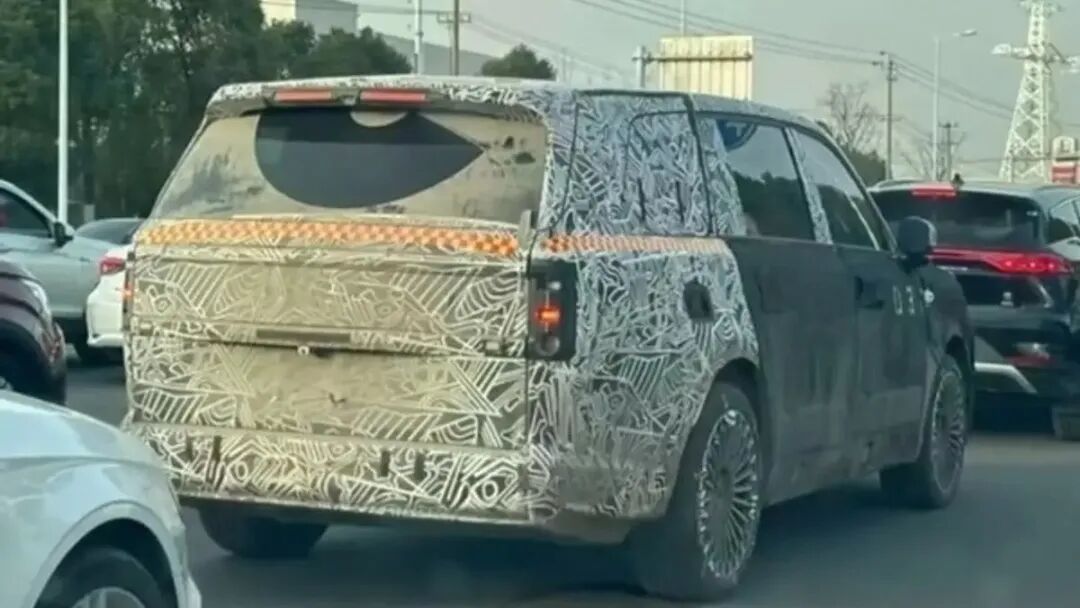
Currently, the extended-range technology models with the highest expectations for 2026 include Xiaomi's Kunlun (yet to be released), Li Auto, which has announced its intention to regain its advantage in extended-range technology, and SAIC Volkswagen, which is entering the extended-range market for the first time.
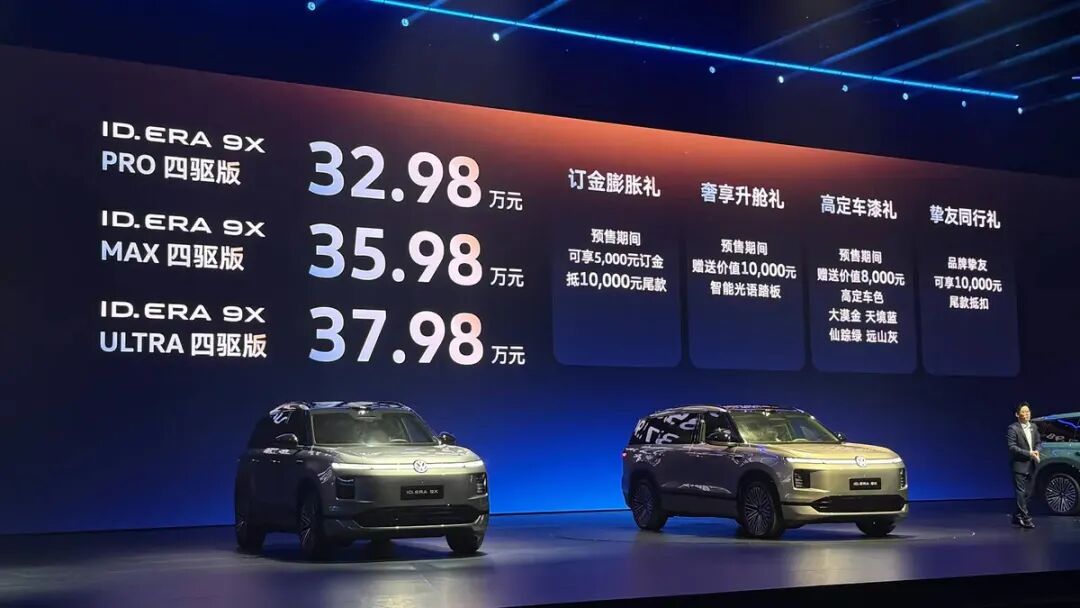
Of course, there is also the topic from another dimension that there are simply too many new extended-range models entering the market. Even if the overall market continues to grow slowly, it was previously divided among three brands, but now it is divided among more than ten. The share each company can obtain is naturally shrinking.
As for the expected more pronounced consumer changes after April, there are three reasons:
1. The Beijing Auto Show is about to begin, and the visible upgrades in extended-range technology are far less significant than those in BEV technology.
2. Many companies have moved their year-end bonus distribution from the end of each year to April, leading to stronger consumption willingness and a certain degree of departure from the concept of "making do" in consumer decision-making.
3. BYD's megawatt flash charging and second-generation Blade Battery are gradually being rolled out in the plug-in hybrid segment. It is currently unknown whether there will be a large-scale launch event for DM6.0, but factors such as faster charging, lower power consumption, and significantly improved overall vehicle configuration will also put pressure on existing extended-range models.
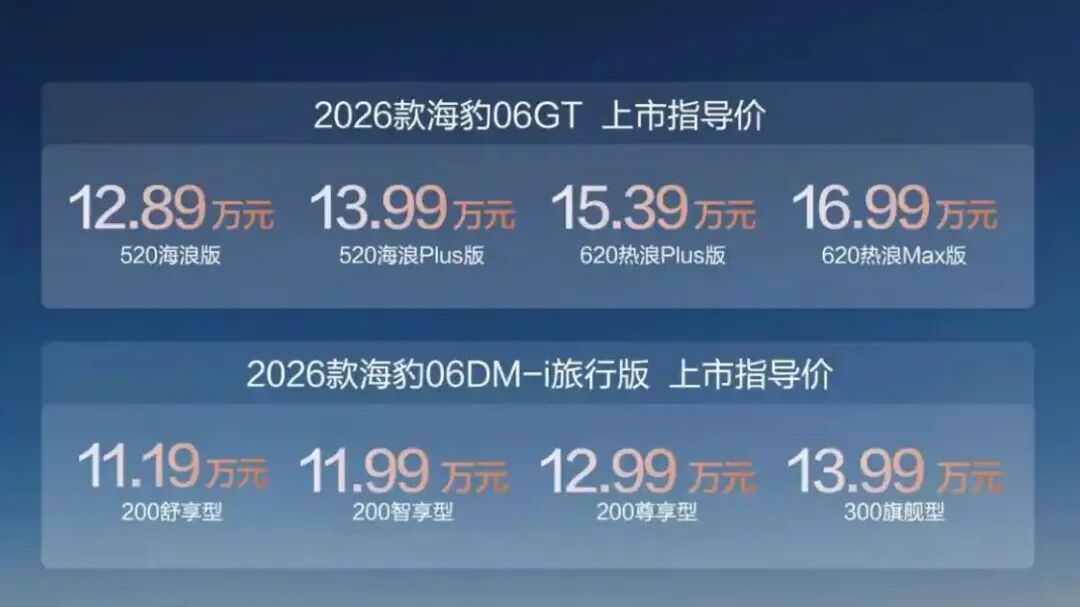
Of course, for those who have already purchased extended-range models or are planning to buy them, there is also a must-answer question: Will extended-range models become marginalized or even disappear?
The dichotomy does not really apply in the automotive industry. A few years ago, there was a lot of talk about the imminent demise of internal combustion engine vehicles, but since the second half of 2025, there has been a recovery in their sales. The same applies to extended-range models; those who can achieve excellence in various technical and quality aspects within their market segment will continue to develop.
The powertrain is just one of the influencing factors.
In Conclusion
Bringing the topic back to its origin, the rise of extended-range models in the Chinese auto market is more like a product of the times.
Given that the upper limit of internal combustion engine technology has long constrained automotive technological development for decades, the extended-range engine has also pretty much reached its glass ceiling, or if there is progress, it is only incremental.
Therefore, from the current market performance, the significance of continuing to bet on extended-range models, or using them as a magic bullet for sales growth, now presents all automakers with a crossroads of choice.
This is similar to the situation where Japanese cars had to decide whether to follow German cars in adopting small-displacement turbocharged engines back then. A wrong choice could mean falling behind by 3-5 years.
-
![]()
The Allure of 'Acquisition Spree': Li Shufu's Left Turn, Xu Jiayin's Right
-
![]()
Strategic Transformation Yields Results: Phoenix Optics Reports 10.9% YoY Rise in Core Net Profit for H1 2026
-
![]()
Three Key Growth Trajectories Synergize! Crystal-Optech Reports 3.478 Billion Yuan in Revenue for H1 2026
-
![]()
Semi-Annual Report Sparks XPENG Motors Buzz
-
![]()
1.6 Billion Big Order Secured! SeeYA Technology's Revenue Soars by 287.87% in the First Half of the Year
-
![]()
Baidu's Profits Plunge by 68%: Unraveling the Mystery Behind the Numbers
-
![]()
Baidu’s Profits Tumble by 68%! Where Has All the Money Gone?
-
![]()
Hynix’s Taobao Store Shuts Down Abruptly: What Should Customers Do About Warranty Services for Memory Modules?