Breaking: Huawei Unveils First HarmonyOS AI Phone — Netizens Say They Guessed Wrong as Price Exceeds Expectations
 11/23 2026
 482
This isn't Honor — it's another Huawei, at least judging by the pricing.
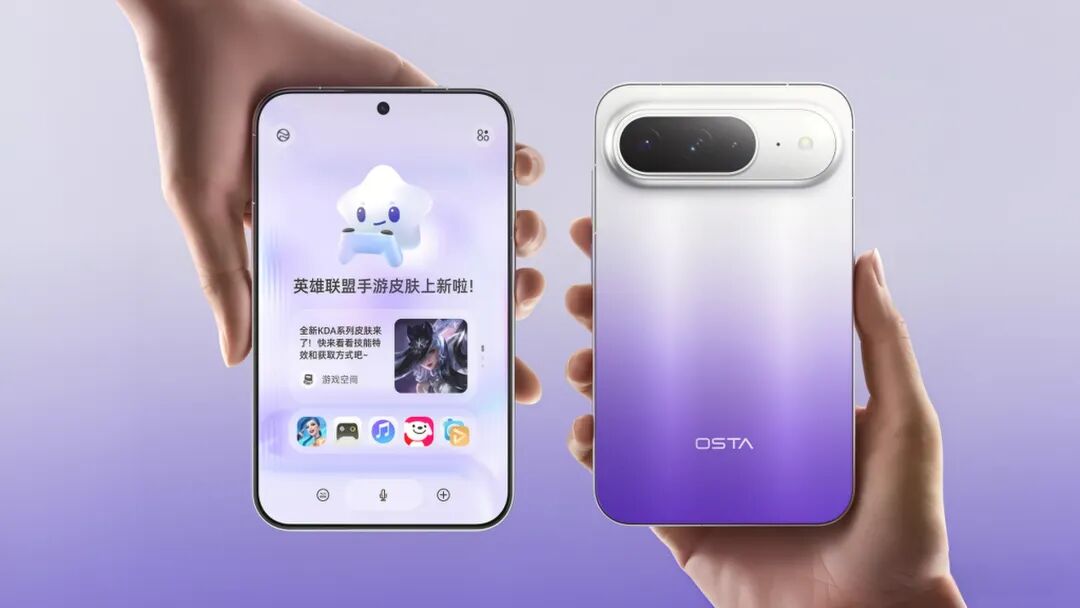
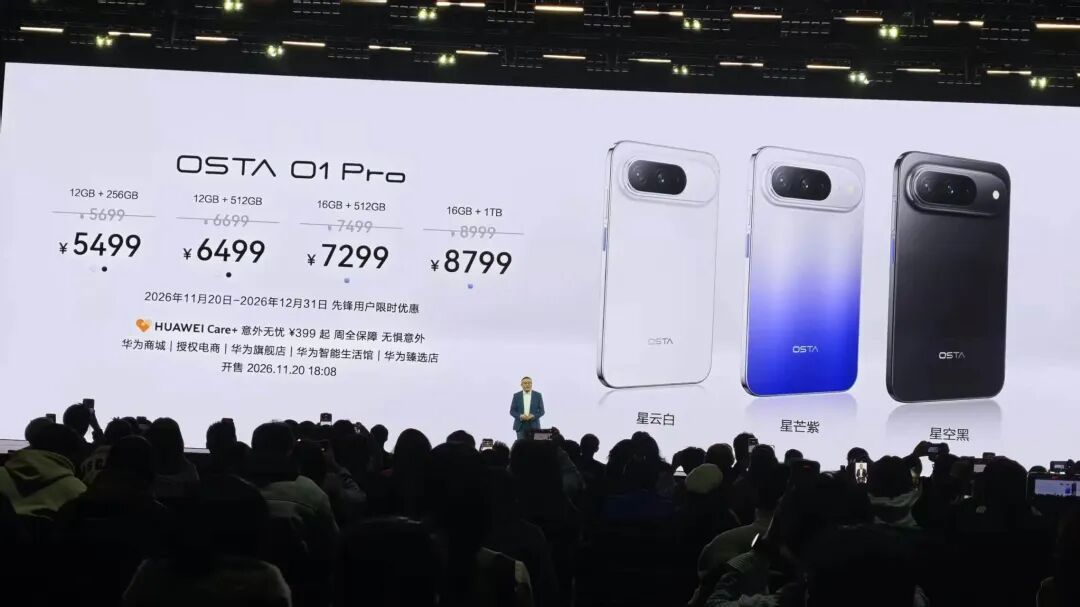
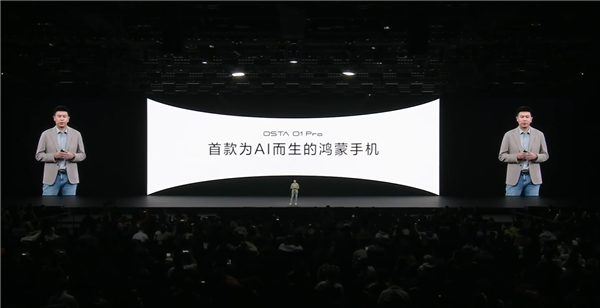
On the afternoon of November 20, Huawei's all-new sub-brand OSTA Xingmang made its official debut, with its first model, the OSTA O1 Pro, unveiled at the same time. Positioned as the "first HarmonyOS AI phone born for AI," the device prompted many netizens who had been waiting for the launch event to exclaim that they had guessed wrong the moment pricing was announced: the official price starts at 5,699 yuan, with a pioneer discount starting at 5,499 yuan — considerably higher than the widely expected market price of 4,499 yuan.
Many had assumed this was an independent sub-brand of Huawei pursuing a cost-effectiveness route — and that without the Huawei LOGO, it should lower the threshold. But the first-sale price of 5,499 yuan shattered that imagination outright: Huawei is building Xingmang not as a low-price sub-line, but as a high-end attempt betting on the AI phone track.
Note: The market price starts at 5,699 yuan, the first-sale discount price starts at 5,499 yuan, and Huawei did not mention the concept of a national subsidy price.
Price Announced: Starting at 5,699 Yuan, Exceeding Market Expectations
The OSTA O1 Pro comes in four versions in total, with guide prices and first-sale limited-time discount prices as follows:
Storage Version
Guide Price
Pioneer Limited-Time Discount Price
12GB+256GB
5,699 yuan
5,499 yuan
12GB+512GB
6,699 yuan
6,499 yuan
16GB+512GB
7,499 yuan
7,299 yuan
16GB+1TB
8,999 yuan
8,799 yuan
The pioneer discount lasts until December 31, 2026; the new phone goes on sale at 18:08 on November 20, covering channels such as Huawei Mall, authorized e-commerce, flagship stores, smart life stores, and selected stores.
A horizontal comparison with the Huawei Pura X View was the most discussed topic after the launch event. For the same storage version, the Xingmang O1 Pro is overall 500 yuan cheaper than the Pura X View; the key difference is that the Pura X View only has 12GB RAM across the entire lineup, while the Xingmang O1 Pro adds a 16GB version, offering up to 16GB+1TB. But the top-end 16+1TB is instead 300 yuan more expensive than the Pura X View's 12+1TB.
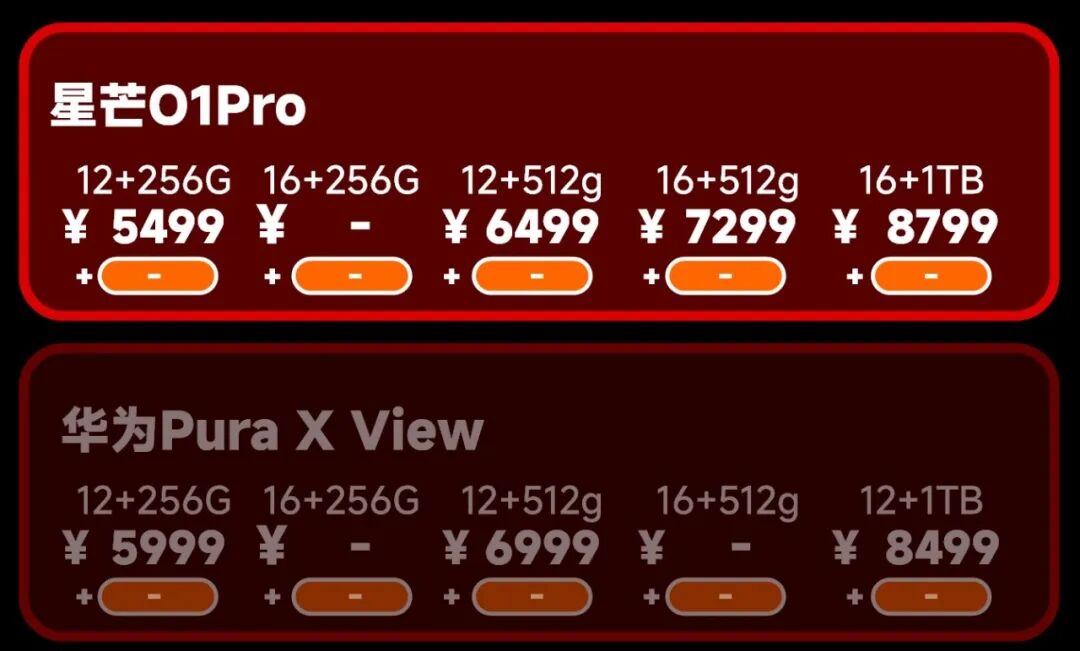
Same-Origin Comparison: Where It Differs from the Pura X View
From the hardware foundation, the two machines are highly homologous: both are 6.39-inch 1.5K wide flat panels, 16:9.5 ratio, 1.05mm four-sided equal bezels, 96.1% screen-to-body ratio; 6.68mm thick, about 200g in weight; the same Kirin 9030S, 7000mAh battery, 200-megapixel Red Maple main camera plus 50-megapixel periscope telephoto, and side fingerprint, Kunlun Glass, and IP68 and IP69 dust and water resistance are also completely identical.
The three configurations cut from the Xingmang O1 Pro have also become the focus of online debate: BeiDou satellite communication, LTPO variable refresh rate screen, and 8-megapixel ultra-wide-angle lens; at the same time, the retail box no longer includes a charger, only a data cable.
The views of many tech bloggers are very direct: looking purely at hardware, the 500 yuan price difference buys 16GB of large RAM, and the cut ultra-wide angle and satellite messaging are niche needs, so for most ordinary users, the hardware is worth this price. But the controversy has never been only about specs.
AI and Appearance: Born for HarmonyOS AI
It cannot simply be understood as a rebodied and rebranded model. The core positioning of the Xingmang O1 Pro is the first HarmonyOS AI phone, debuting HarmonyOS 7 AI Pioneer Edition, which is the most essential route difference between it and the Pura X View.
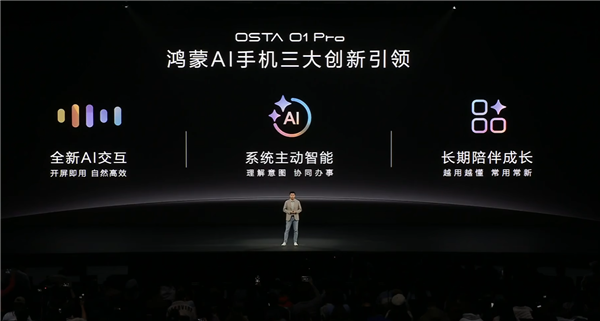
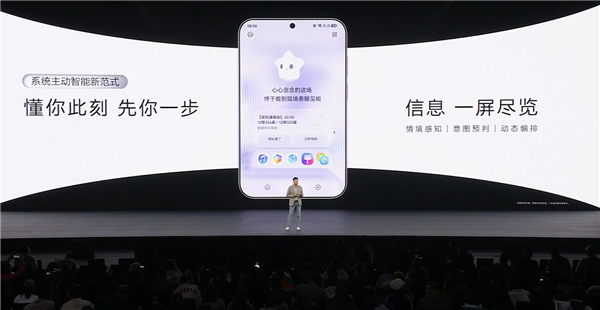
Around the AI experience, the new phone brings three major innovations: a brand-new AI interaction, ready to use as soon as the screen is on; proactive system intelligence that understands user intent and coordinates tasks; and long-term companionship and growth, understanding users better the more it is used.
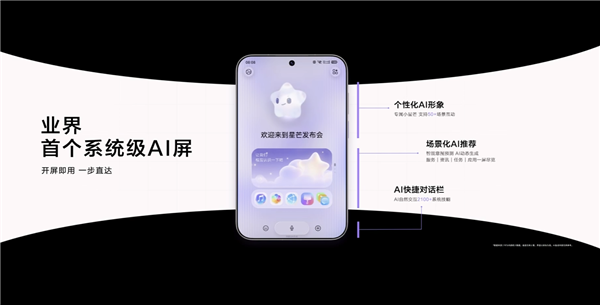
The system places AI interaction in a more direct position, bringing a system-level AI screen with a built-in AI persona "Little Xingmang," paired with scenario-based recommendations and a quick conversation bar, so users can use related functions as soon as they turn on the screen. According to the launch introduction, this system can understand user intent, coordinate task processing, and gradually become familiar with user habits as usage accumulates.
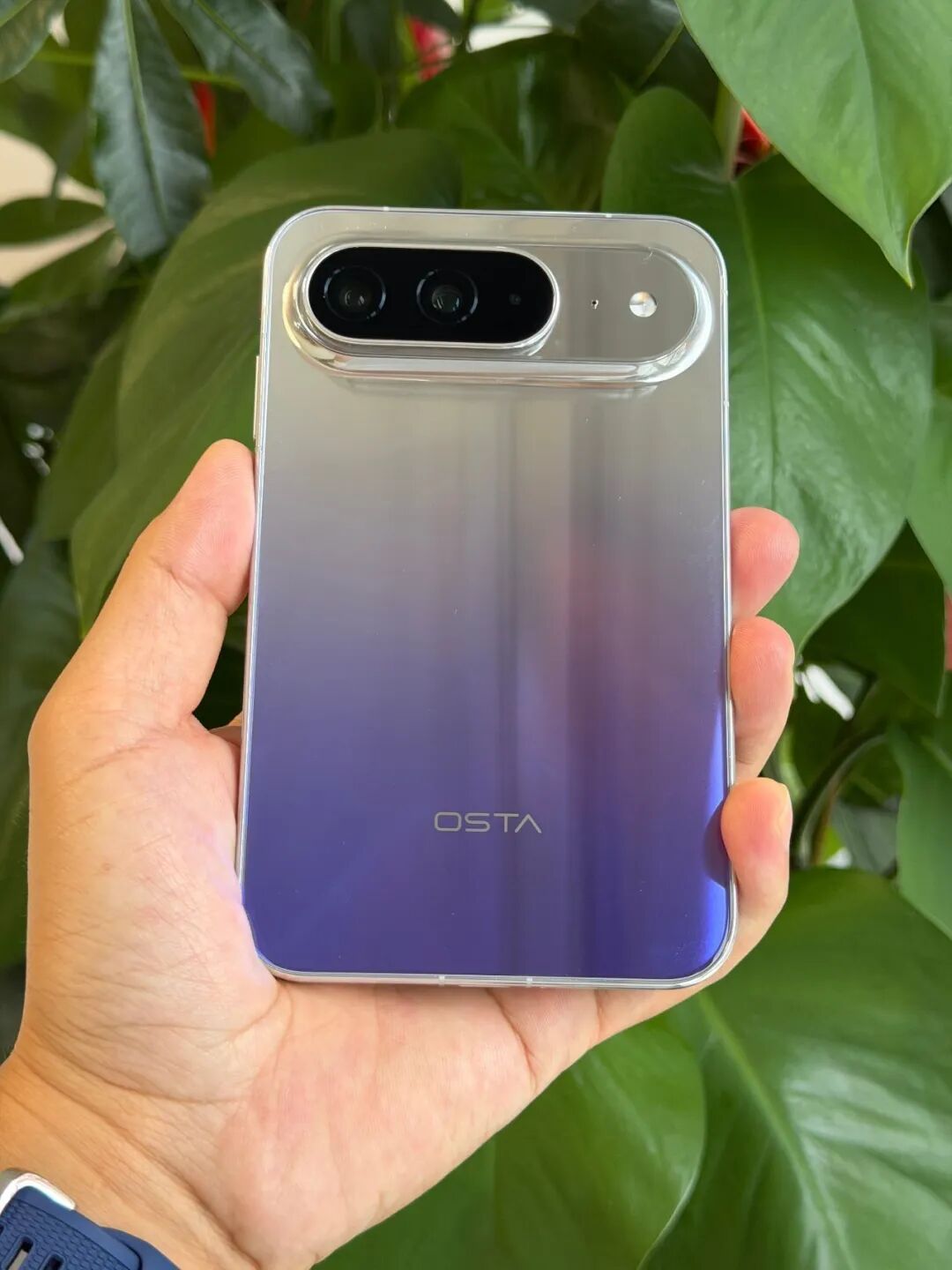
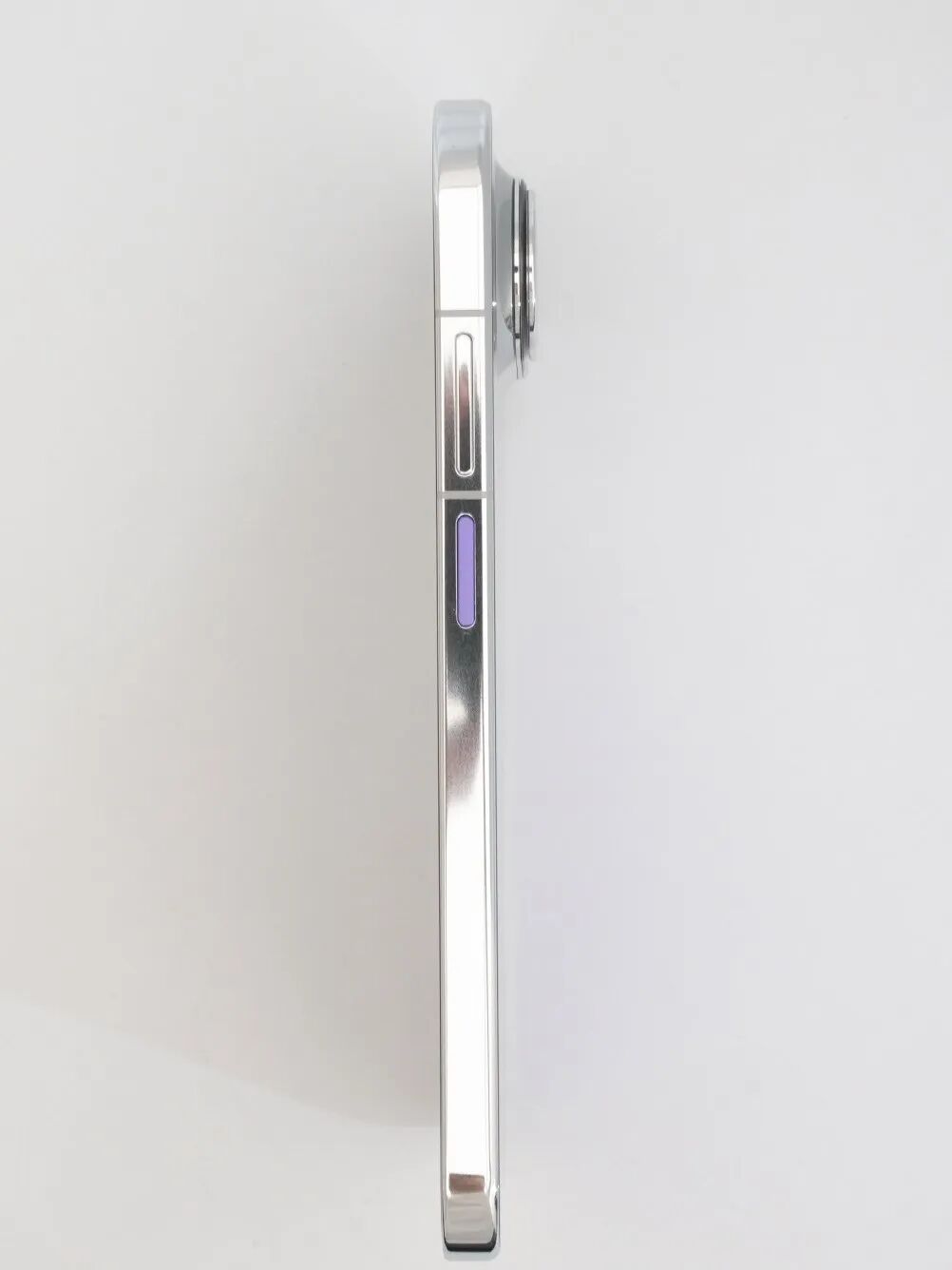
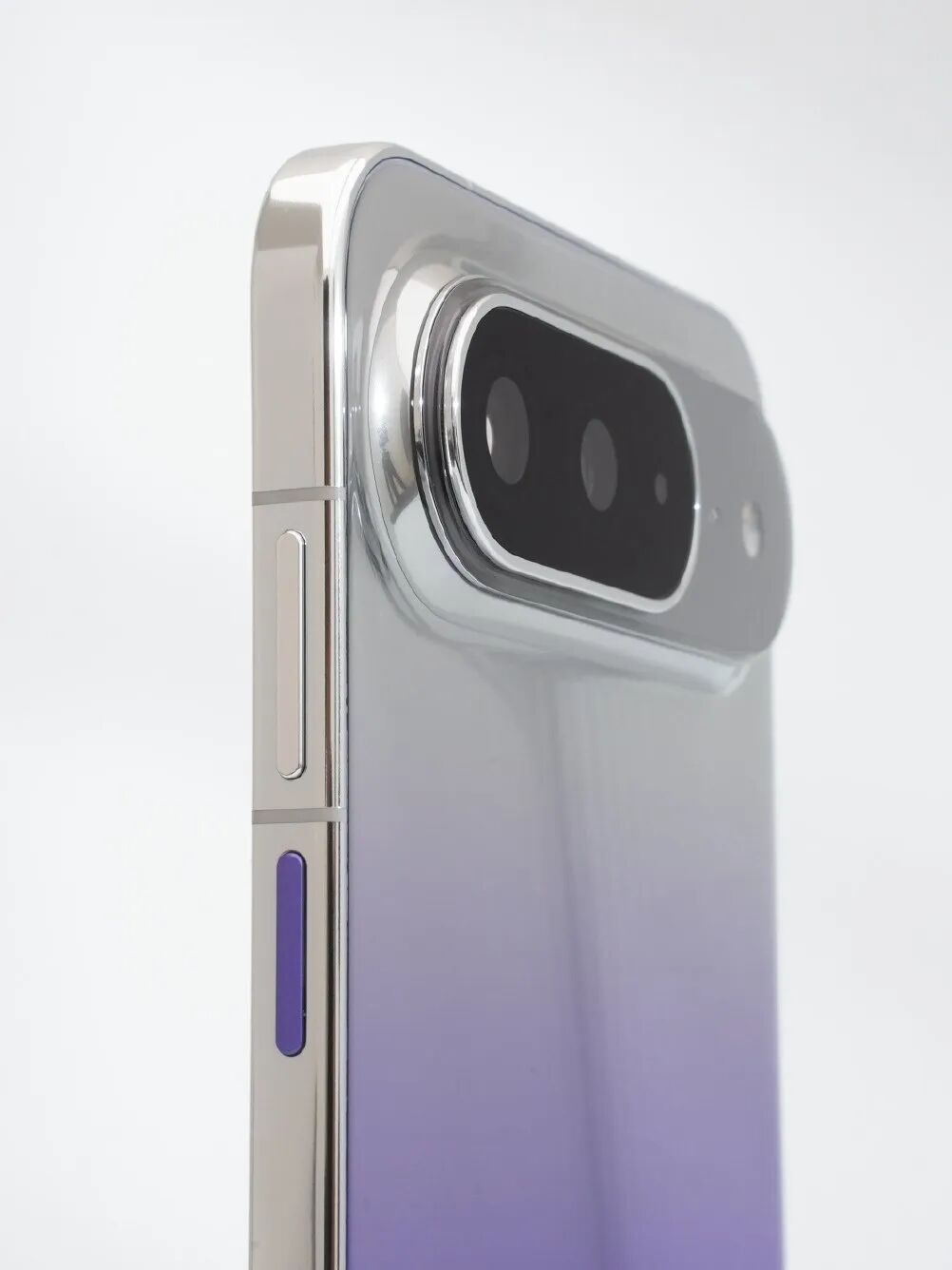
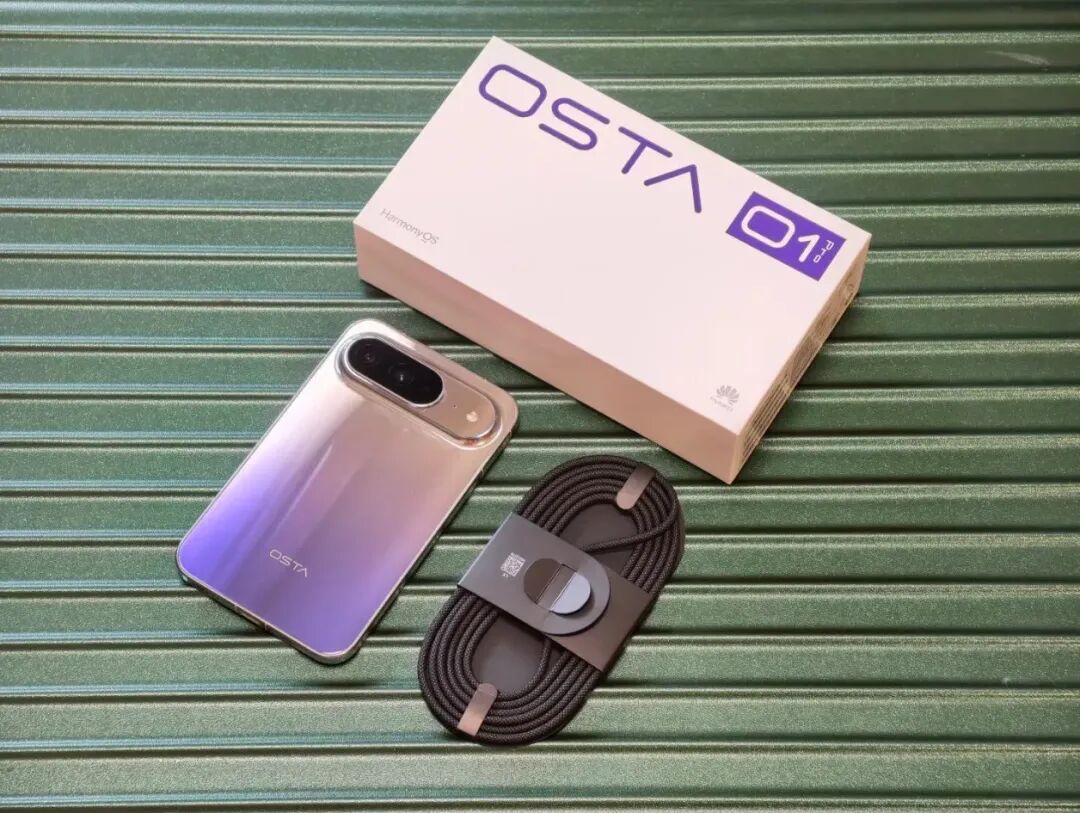
The appearance is the most memorable part of this phone. It features a 6.39-inch 1.5K LTPS flat screen with a 16:9.5 ratio, wider than common elongated flat phones; the four-side bezels are 1.05mm, with a 96.1% screen-to-body ratio, making the front look fairly neat. The body is 6.68mm thick and about 200g in weight, offering three colors: Nebula White, Xingmang Purple, and Starry Black. Among them, Xingmang Purple uses a gradient effect, and the two high-end 16GB memory versions are exclusive to this color.
In terms of hardware, the OSTA O1 Pro is equipped with the Kirin 9030S, a rear 200-megapixel Red Maple main camera and a 50-megapixel periscope telephoto, covering daily shooting and long-distance framing; for battery life it has a 7000mAh battery, and the body uses Kunlun Glass and supports IP68 and IP69 dust and water resistance. Judging from the first product, Xingmang has put together the wide-screen form factor, Kirin chip, large battery, and system AI.
Focus of Controversy: A High-End Experiment Without the Huawei LOGO
The biggest hidden downgrade is the absence of the Huawei LOGO. This is also the core of the divided comments section.
The wide flat panel, Kirin chip, and HarmonyOS system—these three combined were originally the core selling points that established the Pura X View in the high-end market. Users willing to spend five or six thousand on a wide flat screen are not just buying a wide screen and an imaging system, but also the brand premium, after-sales trust, and emergency capabilities such as satellite communication brought by the Huawei main brand. Xingmang is a sub-brand incubated by Huawei, sharing the HarmonyOS and Kirin foundation, but with an independent brand and no Huawei logo, its brand value in the high-end market must be accumulated anew.
Some netizens complained in the comments section:
"I originally thought it was a cheaper alternative, but the pricing directly charged into the 5,000 range, and it sells so expensive without the logo—I really didn't expect it."
"I don't usually use the ultra-wide angle or satellite messaging; I just want 16G of memory to run more apps, and this version hits the spot for me."
"I'm already spending more than five thousand, so why wouldn't I just go for the Pura X View and buy a Huawei logo for more peace of mind?"
Looking at the entire industry, Huawei's launch of Xingmang itself is not following the traditional cost-effectiveness playbook. AI phones are still in an exploratory period, and the industry has no mature standards. Huawei has separately spun off an independent sub-brand, OSTA Xingmang, to serve as a testing ground for AI interaction and new forms, operating independently, sharing Huawei's chip and HarmonyOS technology foundation, and not being bound by the main brand's positioning. Its target audience is not old users who cling to the Huawei LOGO and need satellite communication, but pioneer users willing to pay for a native AI experience, value large RAM, and like wide flat screens, but do not need satellite messaging and ultra-wide angle.
But the market's doubts are equally real: without the endorsement of the Huawei logo, at a price above 5,000 yuan, are consumers willing to pay for a new brand and an AI system? There are many competitors at the same price: those who want brand and complete functions can choose the Pura X View; those who want a lower price have other brands' flagships. The deciding factor for the Xingmang O1 Pro ultimately comes down to the actual experience of HarmonyOS 7 AI Pioneer Edition—whether AI can truly save users trouble, rather than becoming a gimmicky add-on feature.
The internet has already split into two camps: one recognizes hardware cost-effectiveness and thinks 16G of large RAM is great, with the cut configurations irrelevant; the other insists that with the same budget, the Huawei main brand should be the priority, as brand backing and complete functions are more reliable. A very realistic multiple-choice question is placed before everyone: with the same budget, are you willing to give up the Huawei LOGO, satellite communication, and ultra-wide angle for 16GB of large RAM plus native HarmonyOS AI interaction; or would you choose the fully featured Huawei Pura X View?
The debut of the Xingmang O1 Pro also throws a question to the industry: should the premium of AI phones be determined by hardware, or by the intelligent experience of the system? The market performance of this new HarmonyOS AI phone, priced beyond expectations, will give the answer in the coming months.
Interactive Topic: If it were you, starting at 5,499 yuan, would you choose the Xingmang O1 Pro without the Huawei logo, or spend more for the Pura X View? Welcome to share your views in the comments section.
Disclaimer: This article is only a big-tech financial commentary and does not constitute any investment advice. The corporate data and regulatory events mentioned in the article all come from public information and are for reference only; the specific details are subject to official releases. Image sources are from the internet; if there is any copyright issue, please contact us for deletion.
-
![]()
What Is Leapmotor Really After? Q3 Revenue of 31.7 Billion Yuan, Yet Only 40 Million Yuan in Profit!
-
![]()
Himile Technology: Tire Mold Leader with Steady Revenue Growth and Over 2 Billion Yuan in Cumulative R&D Investment Over Five Years
-
![]()
WeRide's Q3 2026: Revenue up nearly 90%, gross margin 43%—Is Spring Finally Coming for L4 Companies?
-
![]()
From 89.6% Digitalization to AI Empowerment: Unveiling the "Nerve Center" of the Modern Industrial System
-
The AI Hardware Bull Market Is Over
-
![]()
Guangdong Leads by a Landslide, Shanghai Dominates Finance, Beijing's Giants Set the Pace
-
![]()
Breaking: Huawei Unveils First HarmonyOS AI Phone — Netizens Say They Guessed Wrong as Price Exceeds Expectations
-
![]()
Anthropic Prospectus Insights: How Compute Power, Jobs, and Organizations Will Change