Lei Jun Has Really Had It Rough: Xiaomi Paid 6 Billion Yuan in "Memory Tax" in Just Three Quarters
 11/27 2026
 376
The memory price surge in 2026 has dealt a heavy blow to phone, PC, and car manufacturers alike.
Xiaomi is a prime example. In the first three quarters of 2026 alone, by rough calculation, it paid at least 6 billion yuan in memory tax. Without this burden, Xiaomi's profit would have been at least 6 billion yuan higher.
Which Xiaomi products use memory?
The first major category is smartphones, the second is cars, and then there are PCs, large and small home appliances, AIoT devices, and other products—all of which use memory to varying degrees. We only need to crunch the numbers for phones and cars to get a basically clear picture.
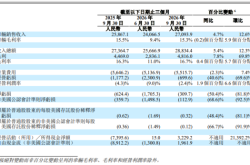
First, phones. In the first three quarters of this year, Xiaomi sold a total of 95.7 million phones, compared with 127.5 million in the first three quarters of 2026—a decrease of 31.8 million units, down 24.9%.
We will not factor in the impact of that decline, and will simply assume that if memory prices had remained unchanged, Xiaomi's phone gross margin would have stayed the same. We will calculate Xiaomi's phone gross profit for the three quarters of this year based on the phone gross margin in the second quarter of last year.
In the second quarter of last year, Xiaomi's phone gross margin was 11.5%. In the three quarters of this year, it was 10.1%, 8.5%, and 9.2%—clearly lower than a year earlier. From this, we can calculate that total gross profit for the three quarters was 2.93 billion yuan less.
Needless to say, this is the most basic "memory tax"—paid by Xiaomi to memory chip manufacturers such as Samsung, SK Hynix, and ChangXin.
Now let's look at the car segment. In cars, Xiaomi's gross margin has also continued to decline, but because many new models were launched this year, gross margin cannot be used as the basis for calculation.
Previous media analysis showed that this year the memory cost of a car with advanced intelligent driving increased by between 10,000 and 14,000 yuan compared with the first half of last year. Let us take 10,000 yuan—the low estimate. Xiaomi delivered 286,000 cars in the first three quarters, which amounts to 2.86 billion yuan in memory tax.
Phones plus cars already come to about 5.8 billion yuan.
Then there are Xiaomi's computers, tablets, TVs, TV boxes, and so on—all of which require memory. There is no need to analyze the specific numbers in detail; exceeding 6 billion yuan is easy, and the true figure may well be even higher.
Previously, some people online used a so-called analytical method: if Xiaomi had calculated this year's revenue according to its overall gross margin in the second quarter of the first half of last year, then this year's gross profit would be about 5.9 billion yuan less than last year's—which basically corresponds with the calculation above.
So Lei Jun has really had a very tough year. On memory alone, Xiaomi paid 6 billion yuan more. Had memory not become so much more expensive, it would have earned at least 6 billion yuan more. Moreover, if memory had not been so costly, phone sales might have been higher—and it would have earned even more.
-
![]()
Why Is There No "Pinduoduo Narrative" in the AI Era?
-
![]()
Wall Street's "Big Short" Investor Suddenly Boosts Chinese Holdings -
![]()
Memory Price Hikes, Spec Cuts, and Incremental Upgrades: The Smartphone Spec War Hits a Memory Wall
-
AI Is Rewriting the Pricing Logic of Office Software — Kingsoft Software's Bid for the Enterprise Productivity Entry Point
-
![]()
Priced from Over 300,000 Yuan with L3 Architecture: Is the Xiangjie V8 Gunning for the Tengshi D9's Lunch?
-
![]()
How Will Automakers Fight the Final Battle in a Tough 2026?
-
![]()
Automakers Burdened by Collective Debt Double Down on AI Investment
-
![]()
Li Auto to Launch Only 1–2 New Models in 2027