Priced from Over 300,000 Yuan with L3 Architecture: Is the Xiangjie V8 Gunning for the Tengshi D9's Lunch?
 11/27 2026
 535
Introduction | Lead
When HarmonyOS Intelligent Mobility set the starting price of its first family MPV at 319,800 yuan and made L3 architecture the technical hallmark of its higher trims, the 300,000–400,000 yuan MPV heartland long occupied by the Tengshi D9 and Voyah Dreamer welcomed its first competitor armed with a complete intelligent system.
Produced by | Heyan Yueche Studio
Written by | Cai Yan
Edited by | He Zi
Full text: 1,948 words
Reading time: about 3 minutes
On November 20, the HarmonyOS Intelligent Mobility Xiangjie V8 was officially launched, priced from 319,800 to 429,800 yuan, offering both extended-range and pure electric powertrains. The Ultra and Ultra+ versions are designed around an L3 autonomous driving architecture, equipped with a four-lidar solution that includes an 896-line dual-optical-path image-grade lidar, and have taken the lead in launching the country's first 120 km/h L3 cross-city highway road test. The pure electric version delivers a maximum CLTC range of 830 kilometers, while the extended-range version achieves a maximum combined range of 1,465 kilometers.
The L3 architecture of the Xiangjie V8 is currently in a state of "hardware ready, functions not enabled." Huawei Executive Director, Chairman of the Product Investment Review Committee, and Terminal BG Chairman Yu Chengdong specifically walked back the claim that "you can sleep while driving" after the launch event, clarifying that L3 capabilities have not yet been commercially opened. But this is precisely what makes it most worth pondering: it is not selling an already delivered L3 function, but selling a ticket to L3.
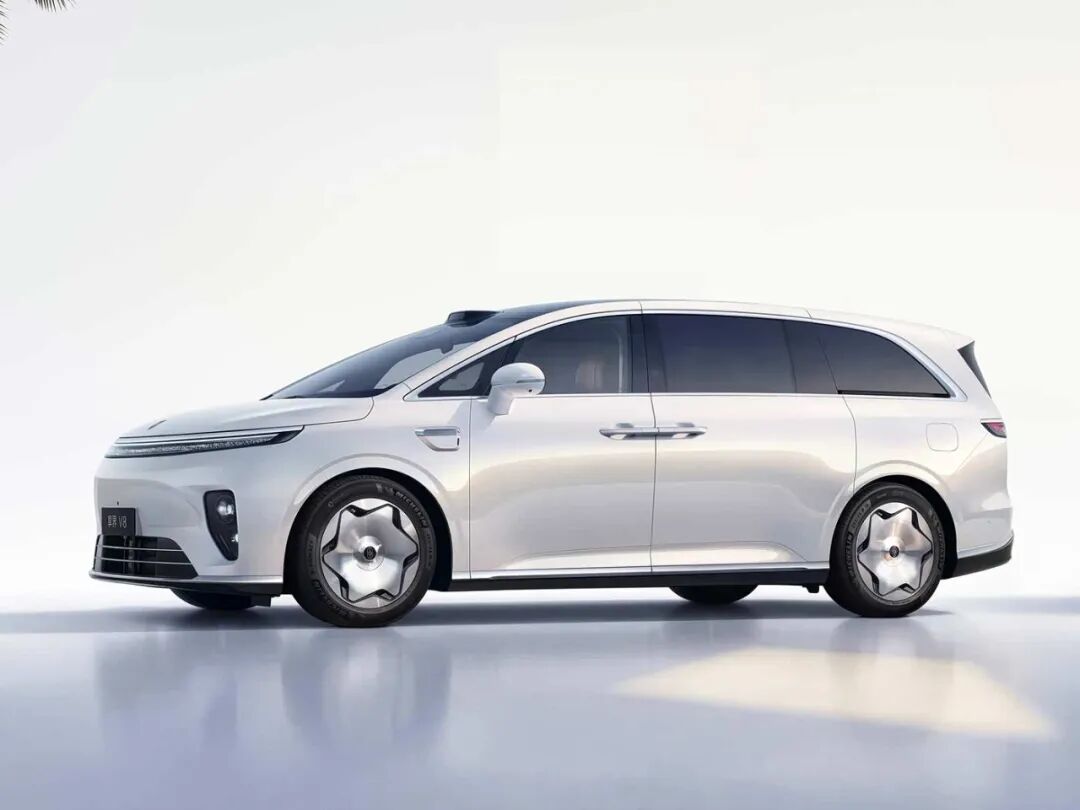
△The Xiangjie V8 is a ticket to L3
L3 Is the Label; Family Use Is the Blade
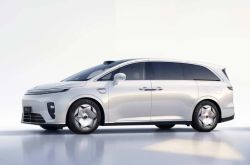
The product definition of the Xiangjie V8 needs to be viewed within the HarmonyOS Intelligent Mobility MPV matrix. The Zunjie V800 focuses on million-level ultra-luxury executive use, the Zhijie V9 sits in the overlapping zone of business and family use with resources heavily tilted toward the second row, and the Xiangjie V8 is anchored to pure family use. This positioning determines that its competitive logic is not to seize the Tengshi D9's base of business reception, but to carve out a rapidly expanding family travel market whose supply has not yet been fully satisfied. The 5,335 mm vehicle length and 3,250 mm wheelbase provide 674 L of sunken trunk space, which can still accommodate multiple suitcases when fully loaded with seven people; the ±12° rear-wheel steering reduces the minimum turning radius of a 5.3-meter MPV to 5.09 meters, significantly lowering the experience threshold for U-turns on narrow roads and parking in underground garages. These configurations all point to the same scenario: family users driving and using it themselves, rather than a driver driving and a boss sitting.
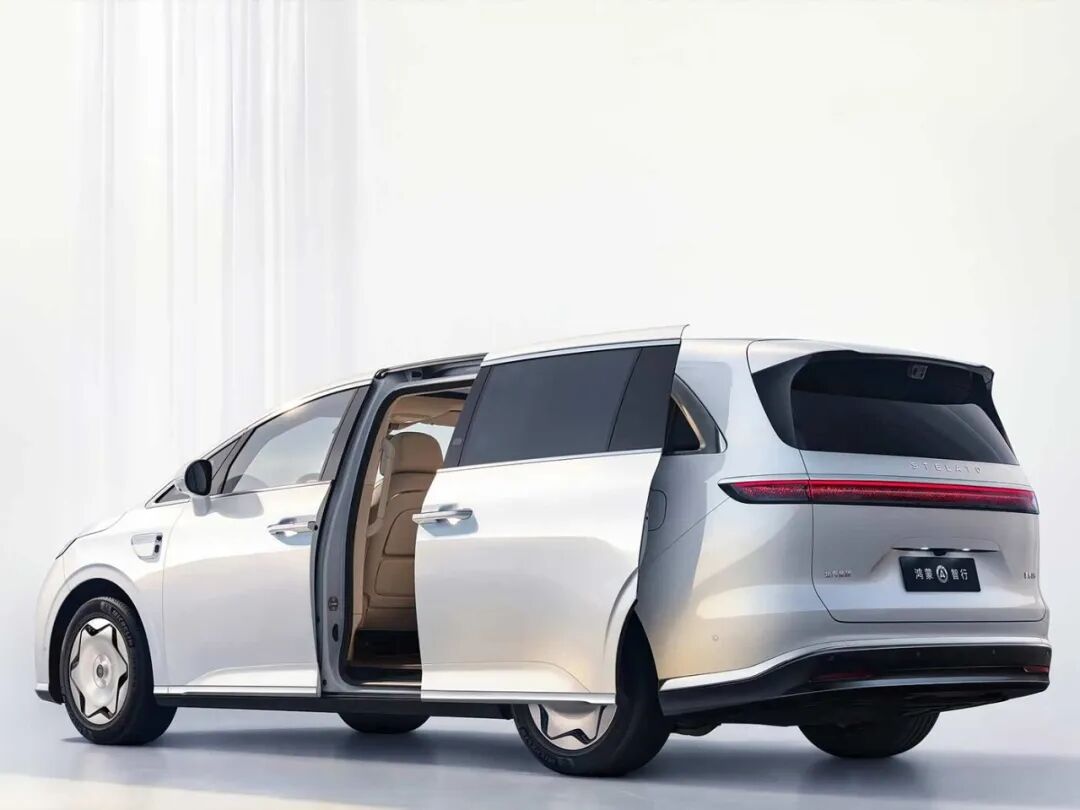
△The Zunjie V800 focuses on million-level ultra-luxury executive use
In this context, the role of the L3 architecture is an anchor of technical trust, not a functional selling point. The Ultra and above versions max out hardware redundancy with four lidars and 38 sensors. The significance of the 120 km/h cross-city highway road test is to convey a signal to family users: the intelligent driving foundation of this car is designed to a higher safety standard than current L2 assisted driving. In the 300,000-yuan MPV market, the intelligent driving capability of the Tengshi D9 is built around practicality and sufficiency. Although the 2026 model has been upgraded with God's Eye 5.0, there is still a generational gap in hardware specifications compared with the L3 architecture; although the Voyah Dreamer 9 has already deployed a full-domain L3 architecture, its starting price of 429,900 yuan is misaligned with the main price band of the Xiangjie V8. The approach of the Xiangjie V8 is to directly bring the highest-specification perception hardware in Huawei's Qiankun system down to the MPV category, establishing differentiation through "hardware ahead of regulations."
The Xiangjie V8 received 2,216 firm orders within 2 hours of launch. This is not explosive in the MPV category, but considering the starting price of 319,800 yuan and the broad audience of the family-use positioning, this start shows that some family users are willing to pay a premium for the combination of "Huawei intelligent driving + MPV."
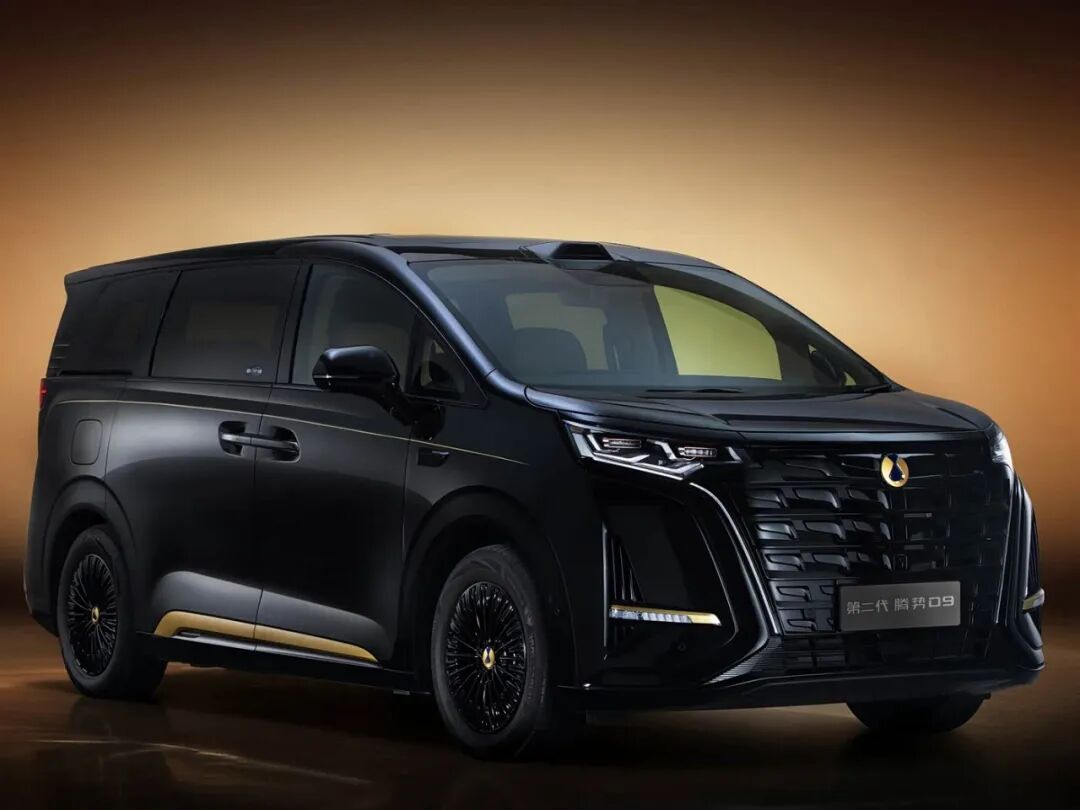
△The 2026 Tengshi D9 is upgraded with God's Eye 5.0
The Tengshi D9's Position, the Voyah Dreamer's Wall
The situation of the Tengshi D9 is a key coordinate for understanding this competition. In October 2026, the Tengshi D9 had retail sales of 3,801 units, ranking sixth after the Wey Gaoshan, Toyota Sienna, Voyah Dreamer, Buick GL8 New Energy, and Li Auto MEGA. This number would have been unimaginable two years ago—the Tengshi D9 was once the undisputed definer of the MPV market above 300,000 yuan. Its decline is not because the product suddenly became worse, but because the supply structure of this segment has undergone fundamental changes: the Wey Gaoshan used new energy + four-wheel drive + more aggressive pricing to capture price-sensitive family-use incremental demand, while the Voyah Dreamer held the demand for quality upgrades with the position of the top-selling high-end MPV above 400,000 yuan. The Tengshi D9 is caught in the middle, lacking both the price sharpness of the Gaoshan and the continued strengthening of high-end mindshare of the Dreamer.
The entry of the Xiangjie V8 is another push at this already loosened position—using the labels of Huawei intelligent driving and L3 architecture, it directly targets the part of the Tengshi D9's family replacement and additional purchase users who have clear expectations for intelligence. The defense line of the Voyah Dreamer is relatively more stable. With 5,177 units in October and the position of the top-selling MPV above 400,000 yuan, it shows that it has established its own rhythm in the interval that balances high-end family use and business use. For the Xiangjie V8 to pry away the Dreamer's base, the L3 architecture label alone is not enough. It also needs to prove after delivery that the driving and riding quality of Huawei's Tuling platform on an MPV, the actual effect of Motion Sickness Relief 3.0, and the reliability of third-row safety protection can match or even exceed the balanced experience already established by the Dreamer. MPV users are far more sensitive to "balance" than to "a certain extreme parameter," and this is the threshold the Xiangjie V8 must cross.
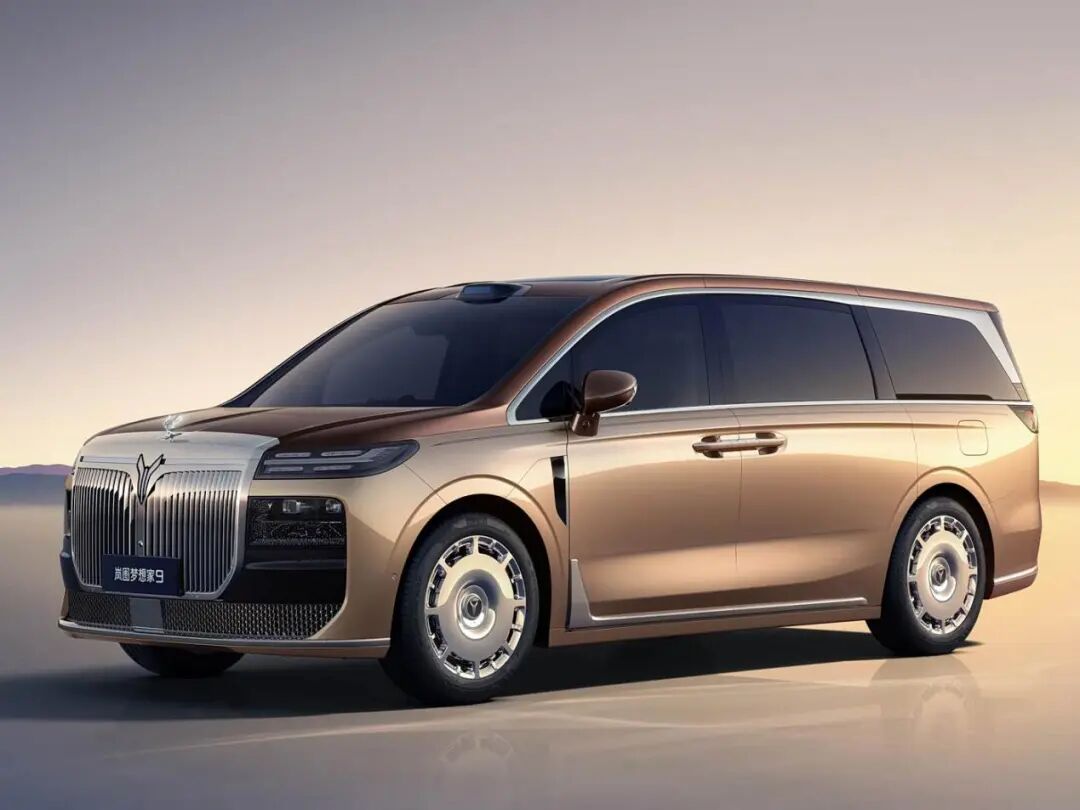
△The Voyah Dreamer balances the two attributes of high-end family use and business use
The real test of the Xiangjie V8 is not in its competitors, but in its own hands. Between the extended-range version at 319,800 yuan and the pure electric version at 349,800 yuan, the main selling price is likely to fall around 350,000 yuan. This price band must face both the actual transaction price of the Tengshi D9 after terminal discounts and the brand momentum established by the Voyah Dreamer above 400,000 yuan. The channel and service system of HarmonyOS Intelligent Mobility have already been verified on sedans and SUVs, but MPV users have higher requirements for after-sales response, door-to-door service, and long-distance travel support. The hardware redundancy of the L3 architecture increases costs. If sales cannot ramp up quickly to amortize them, the profitability of the Xiangjie V8 will come under pressure.
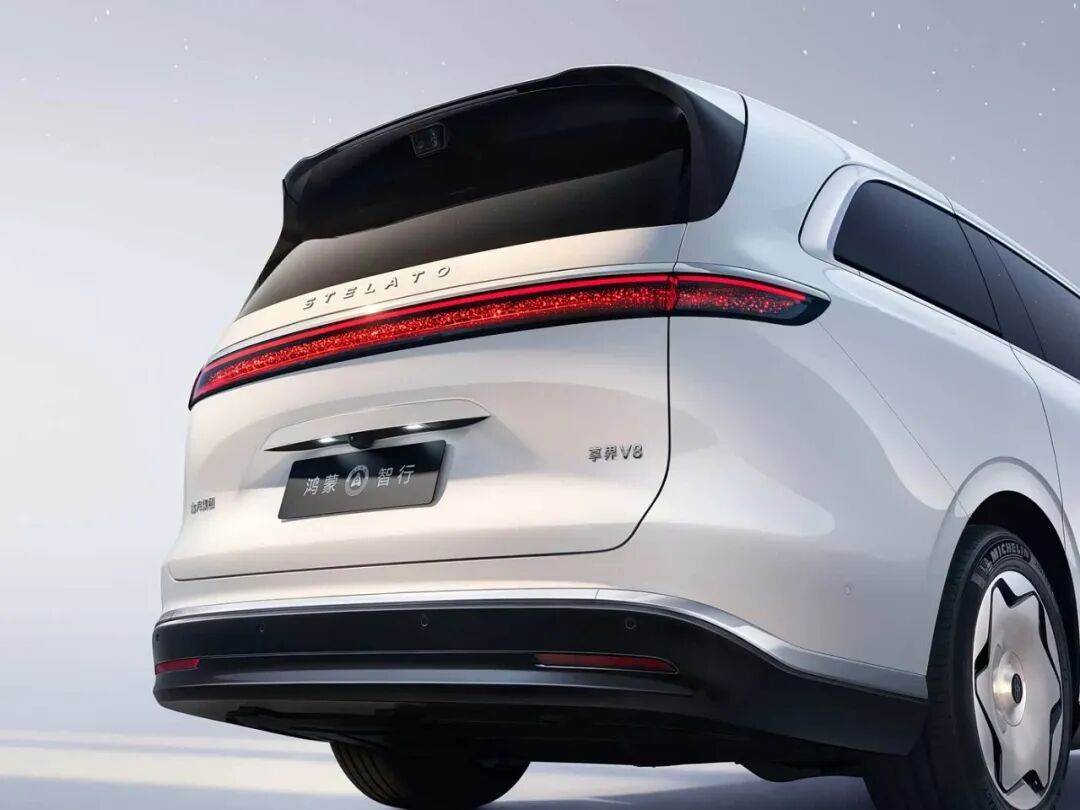
△The real test of the Xiangjie V8 has just arrived
Commentary
At the current stage, the L3 architecture of the Xiangjie V8 is a "hardware check," and the date of redemption depends on the pace of regulations, but it has already changed the competitive grammar of the 300,000-yuan MPV market. The decline of the Tengshi D9 and the rise of the Gaoshan show that there is no permanent position in this market, and the entry of the Xiangjie V8 has shifted the battlefield from price and space to the underlying capabilities of the intelligent driving system. The balanced barrier of the Voyah Dreamer is difficult to shake in the short term, but what the Xiangjie V8 truly needs to prove is whether Huawei's intelligent strengths can make up for MPV users' conservative expectation that "the whole family can sit comfortably and drive with peace of mind." There is no L3 shortcut for this question, only every kilometer after delivery.
(This article is original by Heyan Yueche and may not be reproduced without authorization.)
-
![]()
Why Is There No "Pinduoduo Narrative" in the AI Era?
-
![]()
Wall Street's "Big Short" Investor Suddenly Boosts Chinese Holdings -
![]()
Memory Price Hikes, Spec Cuts, and Incremental Upgrades: The Smartphone Spec War Hits a Memory Wall
-
AI Is Rewriting the Pricing Logic of Office Software — Kingsoft Software's Bid for the Enterprise Productivity Entry Point
-
![]()
Priced from Over 300,000 Yuan with L3 Architecture: Is the Xiangjie V8 Gunning for the Tengshi D9's Lunch?
-
![]()
How Will Automakers Fight the Final Battle in a Tough 2026?
-
![]()
Automakers Burdened by Collective Debt Double Down on AI Investment
-
![]()
Li Auto to Launch Only 1–2 New Models in 2027