Competing on Assets, Not Just Price: 10 Key Insights from NIO and Geely's Battery Swap Integration
 09/29 2026
 367
367
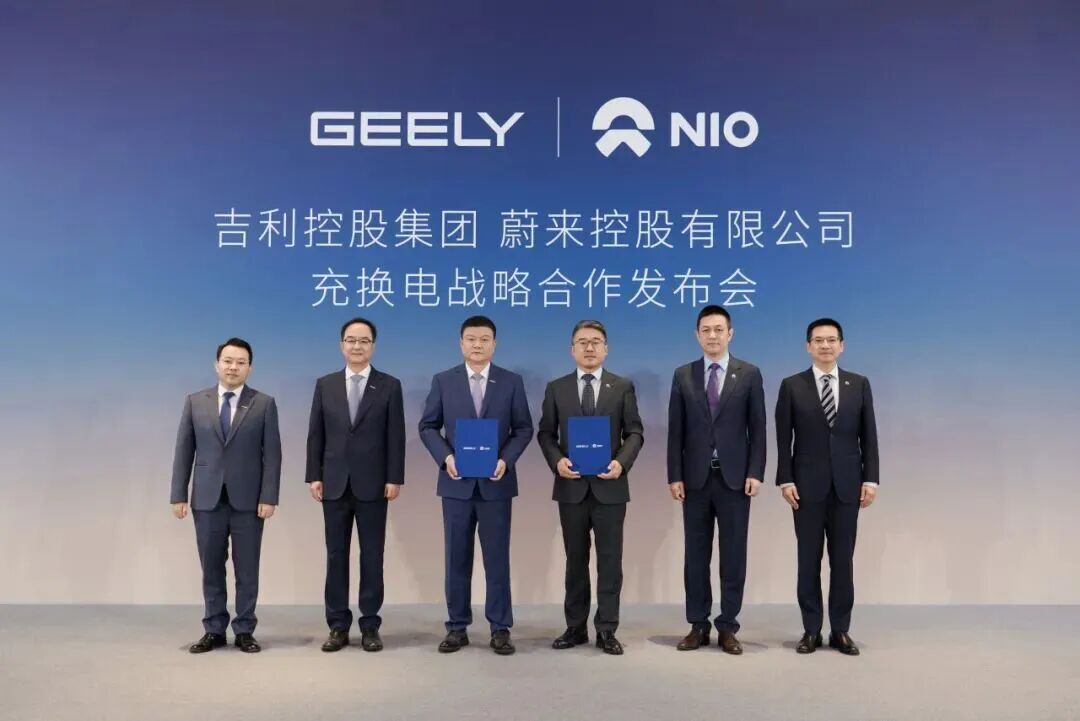
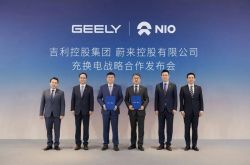
On September 28, NIO and Geely officially announced a comprehensive strategic collaboration in the charging and battery swap sector. Many recognize that this collaboration is not just a routine framework agreement, but a deep integration of capital, assets, standards, and operational networks. Geely invested in NIO Power with a 100% stake in YiYi Interconnect (Yiyi) plus RMB 640 million in cash, acquiring a 30% stake; NIO, in turn, acquired a 10% stake in Geely's Haohan Energy. Yiyi's operational battery swap business for commercial vehicles was fully integrated into NIO Power. Both parties will jointly establish a unified battery swap standard for consumer (C-end) markets. Geely's subsequent C-end battery swap models will have access to NIO's battery swap network, with full interoperability of charging resources.
However, public opinion remains largely focused on the superficial news of 'two major automakers joining forces in battery swapping,' leading many to speculate on 'who benefits more or less, who wins or loses.' This misses the point, as the true business logic behind the collaboration is far more complex than what a single agreement can capture. Especially in today's context, where Chinese automakers are primarily 'divesting,' such integration is not only significant but also exceptionally rare.
Therefore, to understand this integration, we must look beyond equity ratios and valuation figures and place it within the broader context of China's automotive energy replenishment competition. Only then can we grasp why NIO and Geely must transition from 'building separate networks' to 'co-building and sharing,' as well as how China's new energy vehicle (NEV) energy replenishment ecosystem will evolve as a result.
1. Energy Replenishment Achieves First-Ever 'Asset Securitization' Rehearsal in History
Battery swapping has long been questioned by the market as a 'money-burning black hole' in the automotive industry. Through equity design, NIO and Geely's transaction marks the first time the industry has transformed heavy-asset energy replenishment networks from 'liabilities on automakers' books' into securitized 'independent assets' that can be priced, traded, and circulated.
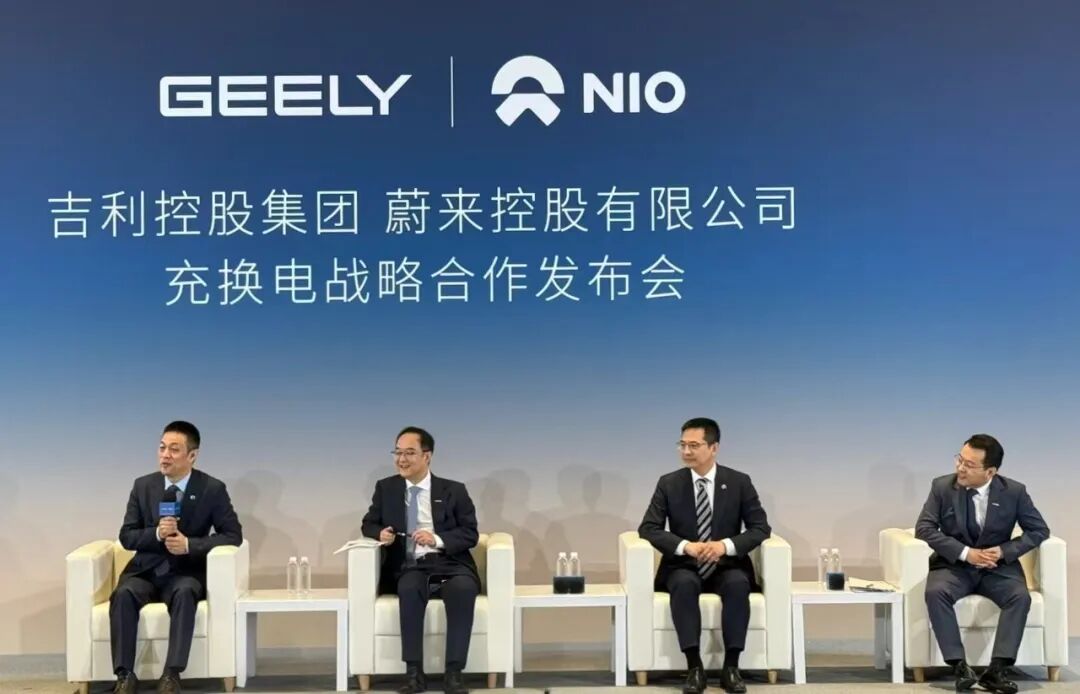
The core logic of asset securitization lies not in issuance but in granting assets financial attributes such as pricing, tradability, and liquidity. With the validity of NIO and Geely's transaction logic, China's battery swap networks could soon become viable infrastructure investment targets, much like logistics real estate and data centers.For instance, NIO Power's post-investment valuation of RMB 16 billion was anchored by Geely's tangible investment, and Yiyi's assets were similarly valued and incorporated. This transaction essentially places battery swap replenishment on capital's 'counter' for the first time, achieving fair pricing through equity trading. Under the agreement, Geely's 30% stake is tied to operational milestones, adjustable down to 20% if expectations are unmet, with an option to increase to 34%. This dynamic equity arrangement exhibits classic structured financial characteristics.
We must recognize that once energy replenishment gains capital market support, leading players will have 'ammunition for mergers and acquisitions,' suggesting more Geely-NIO-like deals may follow. For example, small and medium-sized battery swap operators could sell their assets to platform owners while continuing operations or exiting. The competitive landscape of the entire energy replenishment sector may shift from 'fragmented fiefdoms' to 'platform consolidation.'
2. Geely and NIO Achieve a 'Re-division of Assets and Liabilities'
Geely and NIO's collaboration is essentially a 'division of balance sheets'—shifting heavy assets off their books while incorporating others' assets. Both are pursuing the same goal: lightening their balance sheets and using each other's networks as entry points. Geely contributed a 100% stake in Yiyi plus RMB 640 million in cash for a 30% stake in NIO Power; NIO contributed some charging assets for a 10% stake in Haohan Energy. Yiyi's operational battery swap business was integrated into NIO Power, while Haohan Energy focuses on C-end AI-powered smart charging.
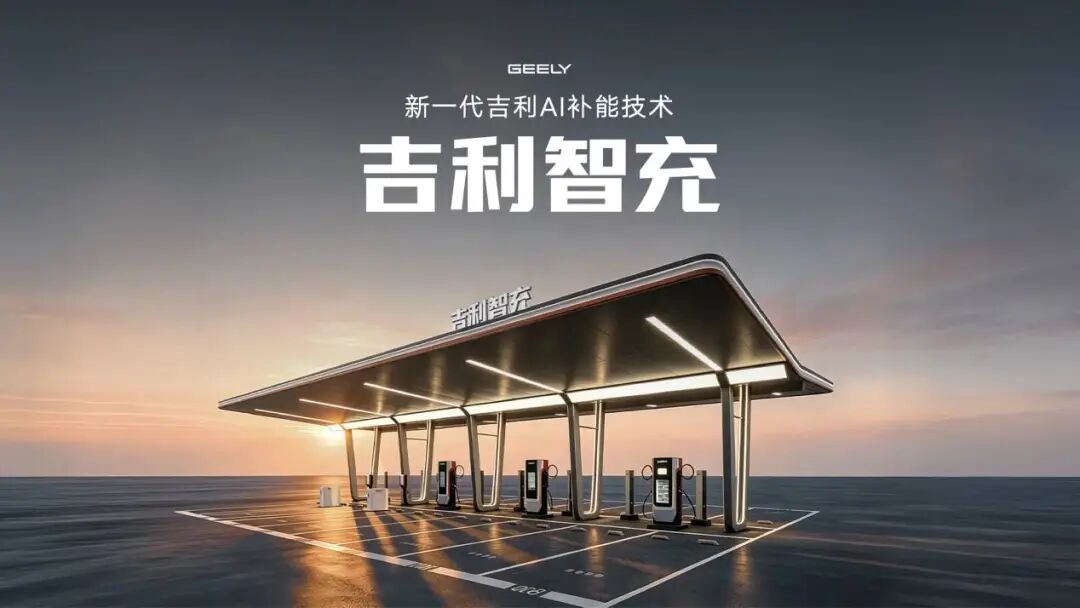
For Geely, scaling B-end battery swapping on a larger platform allows it to concentrate resources on strengthening its charging capabilities. For NIO, it inherits Yiyi's operational expertise and industry resources, addressing gaps in commercial mobility battery swapping. Both sides have streamlined their internal operations through this collaboration.Five days before the announcement, Geely unveiled its next-generation AI smart charging technology, aiming to establish over 22,000 charging stations and 100,000 charging guns by the end of 2027, achieving full coverage in county-level cities. NIO gains access to a charging network—NIO owners can use Haohan Energy's charging stations, expanding network coverage while retaining control and operational rights over its battery swap network.The result is lighter balance sheets for both companies. Geely sheds Yiyi's battery swap station assets and ongoing investments, gaining a 30% stake in NIO Power. NIO reduces heavy assets in some charging stations, acquiring a 10% stake in Haohan Energy. Geely users can soon swap batteries at NIO stations, while NIO users can charge at Geely's Haohan stations. Assets are repositioned, and entry points are mutually opened.
3. Merging the 'Invisible Battlefield' of Operations: Shifting Battery Swap from Heavy to Light Asset Model
Battery swapping for commercial vehicles has long operated independently of C-end narratives. For NIO, C-end battery swapping enhances user experience, while commercial fleet battery swapping focuses on 'monetizing replenishment time.' With Yiyi's integration into NIO Power, this latent demand becomes fully visible and asset-backed. Qin Lihong's calculations are straightforward: battery swapping saves up to 90 minutes daily, boosting revenue by 15-20%. Combined with the Battery as a Service (BaaS) model, which addresses residual value concerns from mismatched vehicle and battery lifespans, lifecycle costs can drop by up to 40%. For individual ride-hailing drivers, this translates to monthly earnings increases of RMB 1,000-2,000. For operators, it means higher swap frequency per vehicle and stable cash flow, far exceeding private car usage.
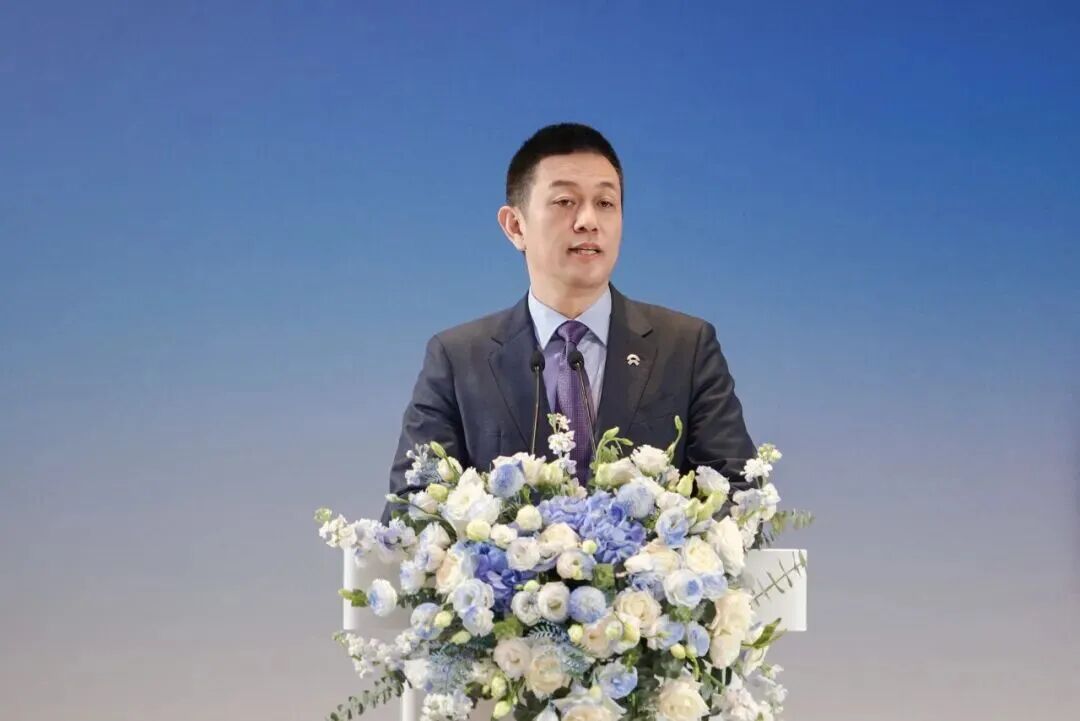
In capital markets, battery swapping has long been viewed as a heavy-asset sector, primarily due to its consideration under sales models. After all, C-end battery swap frequency is low and sporadic. However, the true path to profitability lies in station utilization rates. Compared to private cars, commercial vehicles operate on high-frequency, fixed routes. When both demands converge within a single network, utilization of power infrastructure, battery assets, and station personnel significantly improves. Li Bin explicitly stated that post-transaction, NIO will operate two networks: one for C-end users and another, based on Yiyi, serving Cao Cao Mobility and future Robotaxi services. Shared power infrastructure and supply chains mean commercial battery swapping no longer requires building B-end networks from scratch, while NIO avoids reinventing commercial vehicle operations. By merging this 'invisible battlefield,' both sides aim to achieve B-end profitability to sustain C-end growth, transforming battery swapping from a cost-heavy to a light-asset model.
4. Redrawing 'Competitive Boundaries' for Automakers
In the traditional automotive era, automakers' moats lay in engines, platforms, and model lineups, with competition primarily focused on products. In the NEV era, competition has shifted to full-stack capabilities: vehicles, energy replenishment, software, and services. This holistic competition has led automakers to overextend, driving up costs and reducing efficiency.
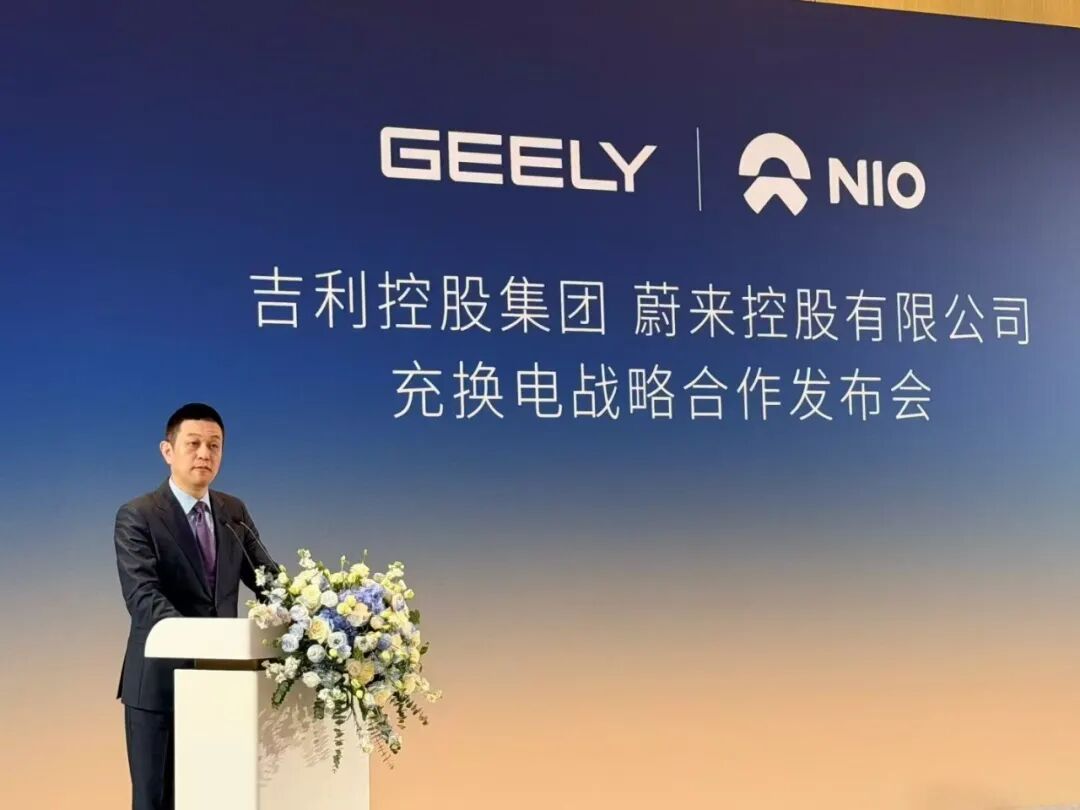
NIO and Geely's deal essentially acknowledges that while vehicle manufacturing may remain competitive, energy replenishment infrastructure should be co-built and shared. Geely's 30% stake in NIO Power and NIO's conditional 10% stake in Haohan Energy ensure mutual interests in each other's energy businesses. This 'competitive vehicle manufacturing, collaborative energy replenishment' dual structure invalidates the traditional 'us versus them' logic among automakers. Future competition will shift from 'who has the most complete full-stack capabilities' to 'who occupies an irreplaceable position in the value chain through open collaboration.'Especially with hybrid models like 'battery swap + ultra-fast charging' emerging, individual automakers will struggle to win through full-stack self-construction alone. All industry participants will face a choice: join a network or be outpaced by economies of scale. Thus, Geely and NIO's collaboration is not merely a partnership but an industry-level response to 'what should be competed on and what should be collaborated on' in the new energy sector.
5. Elevating 'Battery Swap Standards' from Technical to Capital Issues
At the 2025 National People's Congress, delegate Yin Qilong highlighted the lack of standards in the battery swap industry, citing incompatible designs like clamp-type, bolt-type, and electromagnetic lock-type systems. However, engineering standards have long been codified in national guidelines. As early as 2020, the National Energy Administration released battery swap industry standards, with a complete framework of national, industrial, and group standards now available on China's Standard Information Platform.
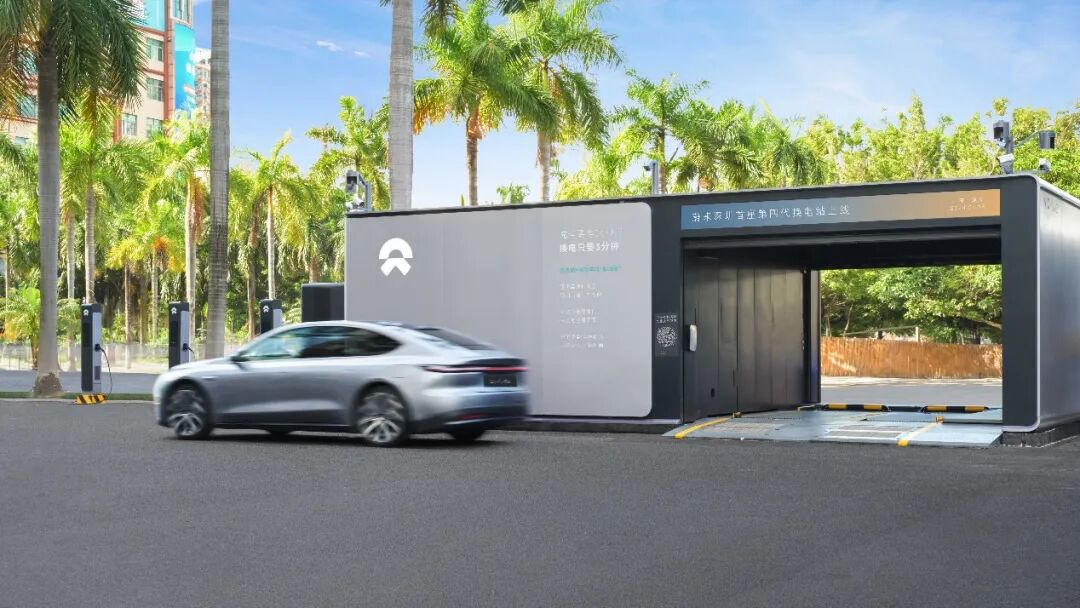
NIO has been a proactive promoter of standardization, with seven automakers joining its battery swap alliance since 2023. Yet, after three years, no alliance member besides NIO has launched mass-produced battery swap models. The barrier to standardization is not technical but financial. Developing battery swap-compatible vehicles requires chassis redesigns and production line modifications, increasing per-unit costs by approximately RMB 12,000. At annual sales of 100,000 units, this amounts to RMB 1.2 billion in sunk costs—a staggering figure for any automaker. Geely's tangible investment for a 30% stake in NIO Power essentially provides capital backing for battery swap technical standards, transforming them from 'NIO's proprietary vision' into 'joint assets of two companies.' By securing Geely's participation, NIO gains endorsement from a mature automaker, lending significant weight to its battery swap standards.
6. Public Confirmation of 'Strategic Restraint' by Geely and NIO
NIO is a known leader in battery swapping, while Geely has quietly built expertise through Yiyi, which has operated in the commercial vehicle battery swap market for six years, covering over 30 cities with 300+ stations and natural B-end demand via Cao Cao Mobility. Given Geely's scale, it could have expanded independently. Instead, it chose to place Yiyi's 100% stake and RMB 640 million in cash on the negotiating table for a 30% stake in NIO Power. This decision reflects mutual recognition: in battery swapping, network scale trumps brand independence.
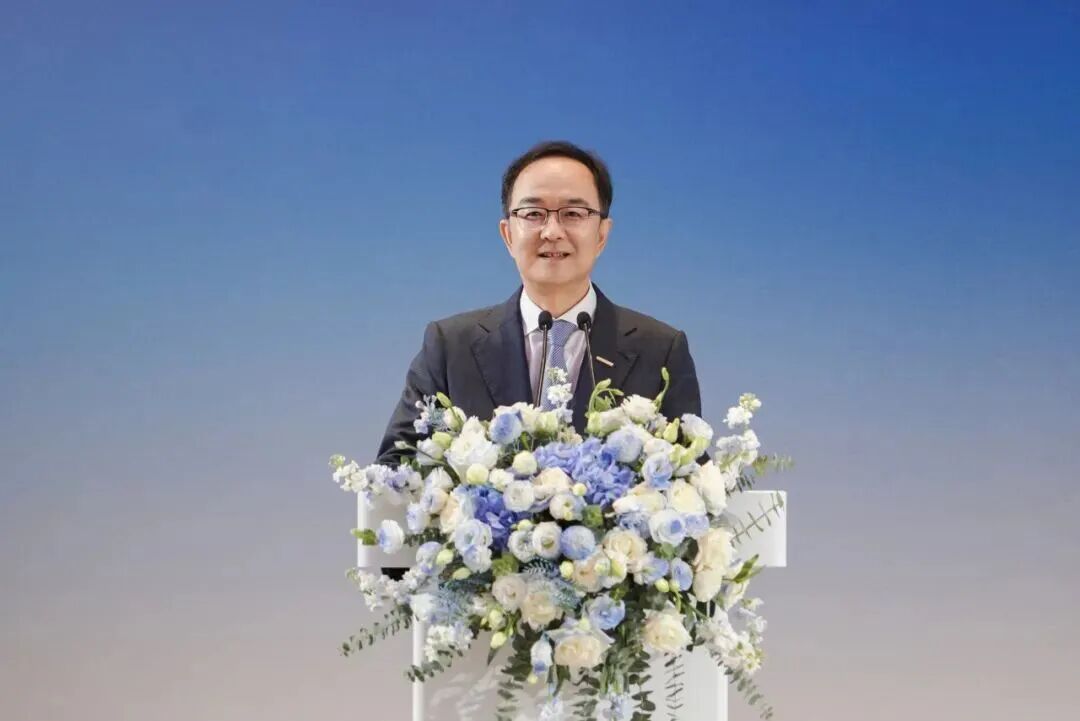
Li Bin stated, 'Reducing redundant investment and waste while improving operational efficiency is a critical challenge for every Chinese automaker.' An Conghui added, 'Energy storage networks are public infrastructure for society and should be co-built and shared.' Both statements convey the same message: energy replenishment infrastructure is no longer a stage where 'more construction equals a stronger moat.' If automakers continue to operate in silos, they will merely duplicate industry-wide costs. Thus, Geely and NIO's collaboration is not about profit or loss, nor about submission, but about two founders—each leading in their respective domains—simultaneously applying the brakes. Geely no longer insists that 'battery swapping must belong to Geely,' and NIO no longer needs to prove that 'its battery swapping serves only NIO.' The rationale for collaboration is simple: instead of mutually consuming fixed costs by maintaining separate networks, merging them into one—where traffic and operational efficiency determine leadership—is far more sustainable.
7. Providing a Benchmark for State-Owned and Local Industrial Funds
Previously, local state-owned investments in battery swapping faced valuation ambiguities. How much is a battery swap station worth? Based on construction costs or future cash flows? Local funds often ended up with 'paper assets,' hesitant to double down or exit. NIO Power's post-investment valuation of RMB 16 billion, anchored by Geely's tangible investment, places battery swap assets on capital's 'counter' for the first time, establishing a transparent, referenceable transaction price.
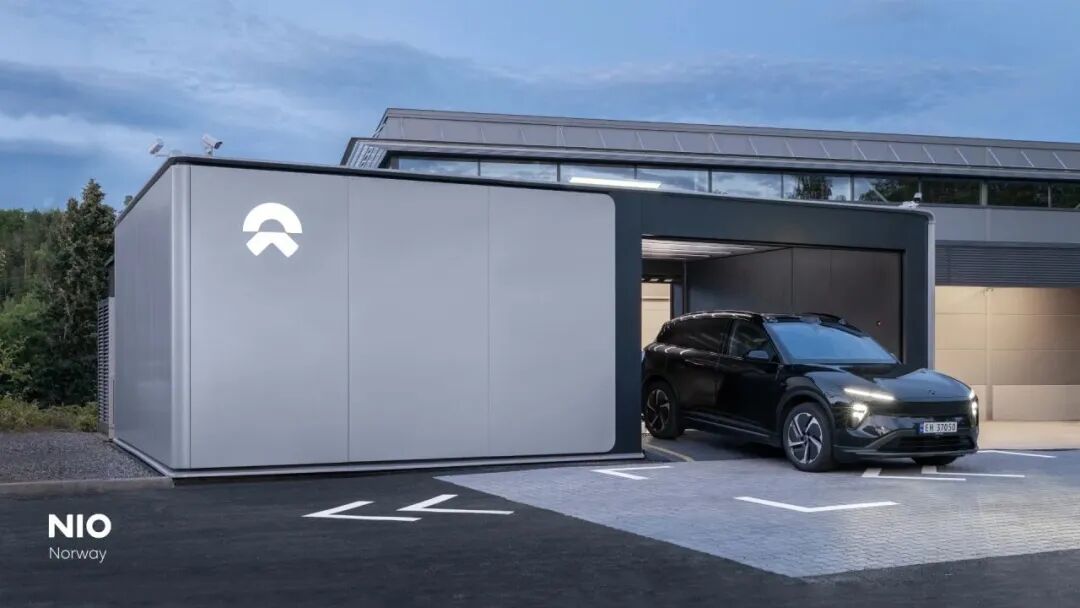
The option to adjust Geely's stake down to 20% if milestones are unmet, with a pathway to increase to 34%, exemplifies structured financial arrangements. This allows battery swap assets to be priced in stages, adjusted conditionally, and exited through defined channels. Future local industrial funds can replicate this logic: initial equity participation, milestone-based stake adjustments, and exits if targets are unmet. This transforms battery swap assets from 'static holdings' to 'dynamic, adjustable investments.' It aligns precisely with what local industrial funds need today: not necessarily long-term ownership, but rhythmically flexible entry and exit strategies grounded in logic.
8 Secure an Early Position Around 'Robotaxi Infrastructure'
For Robotaxi to achieve large-scale and highly commercialized operations, a key prerequisite is that it no longer needs to drive itself to charging stations like ride-hailing vehicles. Robotaxi must continuously accept orders during operational hours, and its energy replenishment process must not occupy operational time or rely on human intervention. Therefore, Robotaxi imposes three core requirements for energy replenishment: high frequency, automation, and predictability.
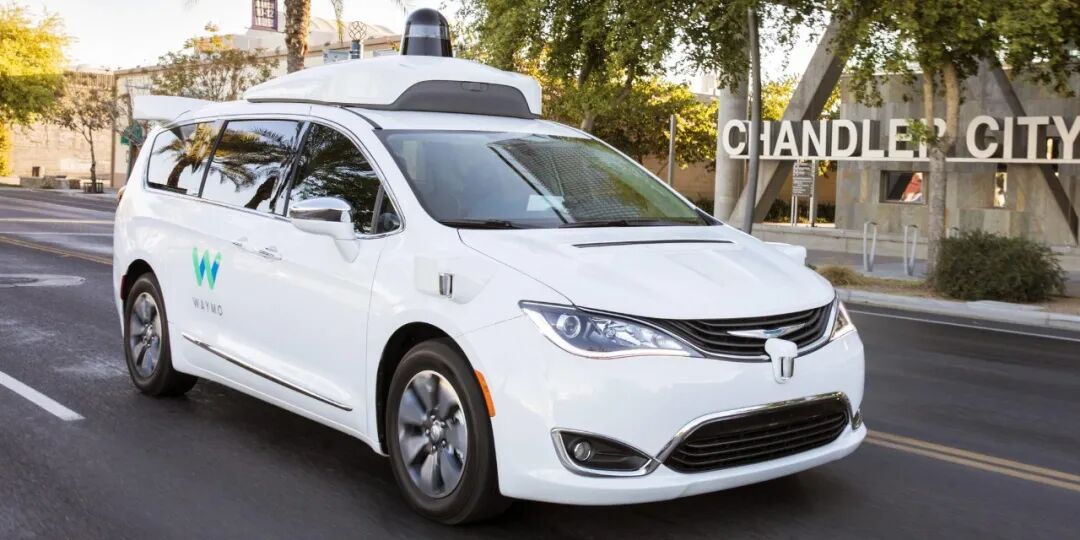
With this collaboration, Yiyi Interconnect has officially merged into NIO Power, significantly fulfilling these three requirements to a certain extent. First, a structured carrier for B-end battery swap networks is now in place. Yiyi Interconnect already provides battery swap services for commercial vehicles, and its station scheduling, battery turnover, and fleet coordination serve as a ready-made foundation for Robotaxi operations. Second, Cao Cao Mobility has fully adopted the battery swap model, and its Robotaxi models under development will also utilize battery swap solutions, with plans for rapid implementation. This means Yiyi Interconnect's network will be designed from the outset to align with Robotaxi's energy replenishment rhythm, rather than requiring retrofitting later. Third, Geely and NIO have deeply integrated 'vehicles' and 'stations' into a unified decision-making framework. Geely will produce Robotaxi models (with Cao Cao Mobility deeply involved in the Eva Cab program, set for mass production in 2027), while NIO will provide the battery swap network and operational capabilities, with both sides united by capital ties.
With this collaboration, NIO and Geely have preemptively bound the operational rights of the energy replenishment network with demand-side needs before the large-scale deployment of Robotaxi. Moving forward, the two sides will jointly lay the groundwork for the Robotaxi competition expected in three years.
9 The Commercial and Strategic Value of 'Virtual Power Plants' is Being Revalued
As of September this year, NIO has built 4,090 battery swap stations, with 860 of them participating in grid dispatch response and peak shaving/frequency regulation across 14 provinces and cities through virtual power plants. Since each battery swap station stores multiple battery packs internally, it essentially functions as a distributed energy storage node—charging during off-peak hours and discharging or reducing power during peak hours to participate in grid ancillary services and generate revenue. This means the revenue model for battery swap stations has upgraded from 'solely earning battery swap service fees' to a dual-channel model of 'service revenue + power trading revenue.'
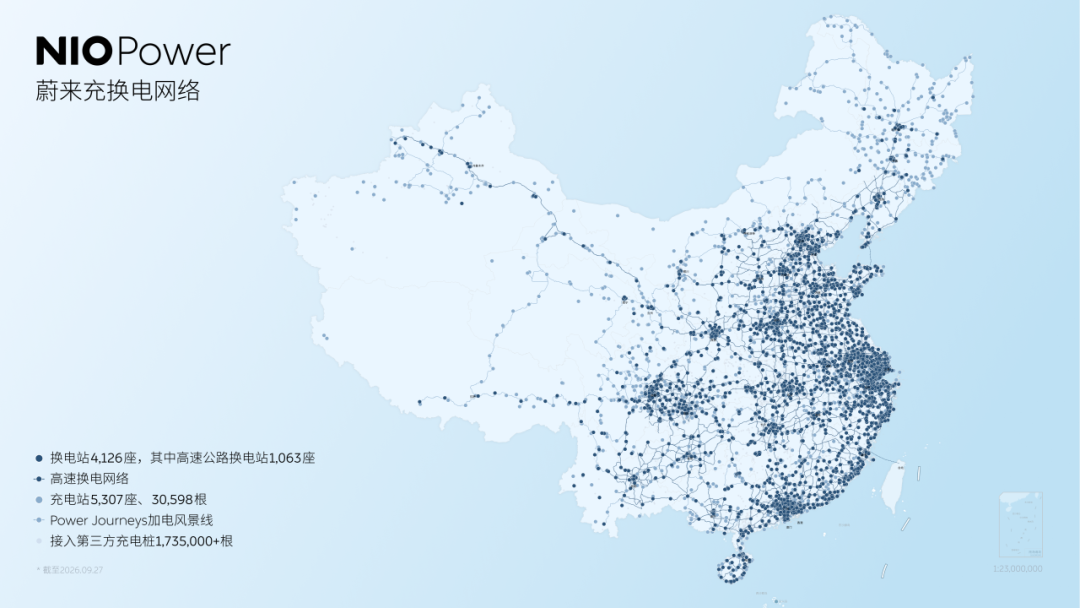
NIO Power predicts that by 2030, the annual power demand of its battery swap network will exceed 10 billion kWh. This means battery swap stations will no longer be just energy replenishment facilities but a distributed energy storage network. Geely's involvement precisely fills the gap NIO lacks on this path—operational experience in virtual power plants and eligibility to participate in power markets. Currently, Haohan Energy has been recognized as an outstanding virtual power plant operator in Shenzhen for 2025, aggregating 46.7 MW of adjustable resources across charging stations and smart buildings in Shenzhen, completing multiple dispatch tasks in coordination with China Southern Power Grid throughout the year.
More critically, Haohan Energy's 'cloud-edge-end' dispatch architecture and AI scheduling algorithms, when combined with the energy storage attributes of NIO's battery swap network, can form a replicable energy trading system for power procurement, peak-valley arbitrage, and ancillary services. The commercial potential in this area may be even greater than simply selling electricity. Therefore, by investing in NIO Power, Geely is likely eyeing far more than just the battery swap service business itself.
10 China's Auto Industry Finally Achieves a Collaborative Innovation Model to Combat 'Involution'
Regulatory efforts to combat 'involution' in the auto industry have been underway for over a year, with repeated tripartite departmental symposiums, payment term commitments, price monitoring, and cost investigations forming a dense Combination Fist (combined strategy). Previous 'anti-involution' statements among automakers largely remained at the passive level of commitments like 'not engaging in price wars' or 'not disparaging competitors.' NIO and Geely have taken the initiative to place their core assets on the negotiating table, merging two energy replenishment networks into one through cross-shareholding.
Now, Geely and NIO explicitly state in their cooperation announcement that this is 'a practical action by the two companies to actively respond to the '15th Five-Year Plan for the Development of the Intelligent Connected New Energy Vehicle Industry,' practice 'anti-involution,' and improve industrial resource allocation efficiency.' NIO founder William Li put it more directly: 'This is an important exploration and innovative attempt by Chinese auto companies to break free from involution, build an open, collaborative, and mutually beneficial industrial ecosystem, and pursue high-quality development.'
In reality, what China's auto industry lacks most is not technology but the wisdom to 'not destroy each other.' NIO and Geely's collaboration publicly demonstrates: competition is competition, but some things can be done together. If this logic spreads to areas like ultra-fast charging, energy storage, battery recycling, and intelligent driving data sharing, it will inevitably mean stronger collective global competitiveness for China's new energy sector. The signaling value of this move may even surpass the transactional value of the collaboration itself.
End
With Knowledge and Style, 'Whoosh'~ Let's Go...
-
![]()
Office Agent Showdown: Kingsoft, SenseTime, iFLYTEK, Youdao - Who Makes the Cut, Who's Just Along for the Ride?
-
![]()
Starting at 118,800 yuan with standard LiDAR, the new Lynk & Co 20 is all business this time around.
-
COSTAR Auto Optoelectronic Display Branch Passes Supplier Admittance Review by a Leading Headlamp Enterprise!
-
![]()
Domestic Memory Behemoth Unveils Plan to Invest 34.9 Billion Yuan in Production Scale-Up
-
![]()
Why Is Luxshare Precision Covering the Costs for Chenling Optics, Despite Harson’s Aborted Acquisition?
-
![]()
Dialogue with Phoenix Optics: Riding the 'Optics + AI' Wave with Six Decades of Expertise
-
![]()
Competing on Assets, Not Just Price: 10 Key Insights from NIO and Geely's Battery Swap Integration
-
![]()
Fliggy is Becoming More and More Like a Plugin