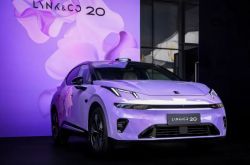
Starting at 118,800 yuan with standard LiDAR, the new Lynk & Co 20 is all business this time around.
 09/29 2026
 504
504
For years, competition in the 150,000-yuan pure electric SUV market has been fierce, and consumers have long reached a consensus: at this price point, some compromises in vehicle configuration are inevitable. Opt for 800V fast charging, and you'll often find that intelligent driving features are only available in the basic version. Choose LiDAR, and you'll have to make do with a compromised chassis and reduced range. The phrase "standard across all trims" on the configuration sheet may sound appealing, but it often loses its shine when you delve into the specifics of each version.
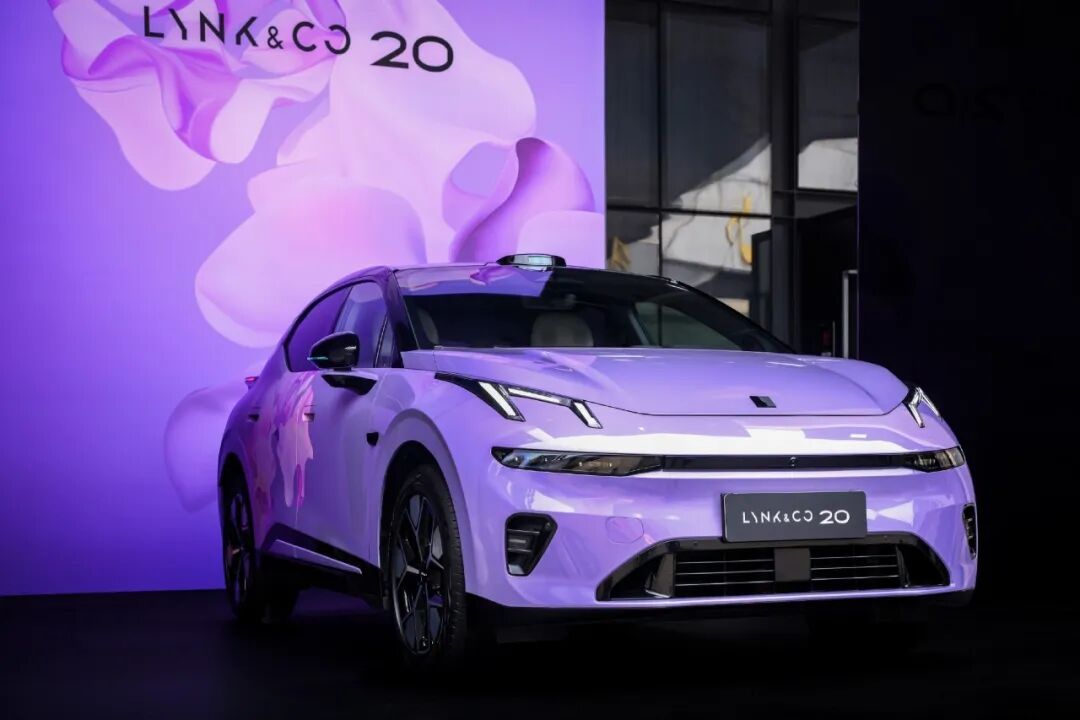
The new Lynk & Co 20, launched on September 28, breaks this mold. With a limited-time exclusive price starting at just 118,800 yuan, the official core configuration list is quite remarkable: standard LiDAR and Horizon H5 advanced driver-assistance system, along with a standard 800V high-voltage platform and 6C ultra-fast charging. The five available versions range from 118,800 yuan to 158,800 yuan, covering a 40,000-yuan span, yet the core technical configurations are nearly identical across all trims.
Such a decentralized configuration would have been unthinkable two years ago. Even today, it warrants a closer look: Is this a genuine gesture of technological inclusivity, or a new strategy driven by cost control?
Standard 800V platform and LiDAR across all trims
Let's first examine a set of core parameters. The new Lynk & Co 20 is built on the SEA vast (Horizon) pure electric architecture, featuring a single-motor rear-wheel-drive setup with a peak power of 245kW and a 0-100km/h acceleration time of 6.4 seconds. The battery comes in two capacities: 61.52kWh for a CLTC range of 545km and 70.01kWh for 630km. According to official data, the maximum DC fast charging power is 460kW, with a 10% to 80% charging time of just 12 minutes.
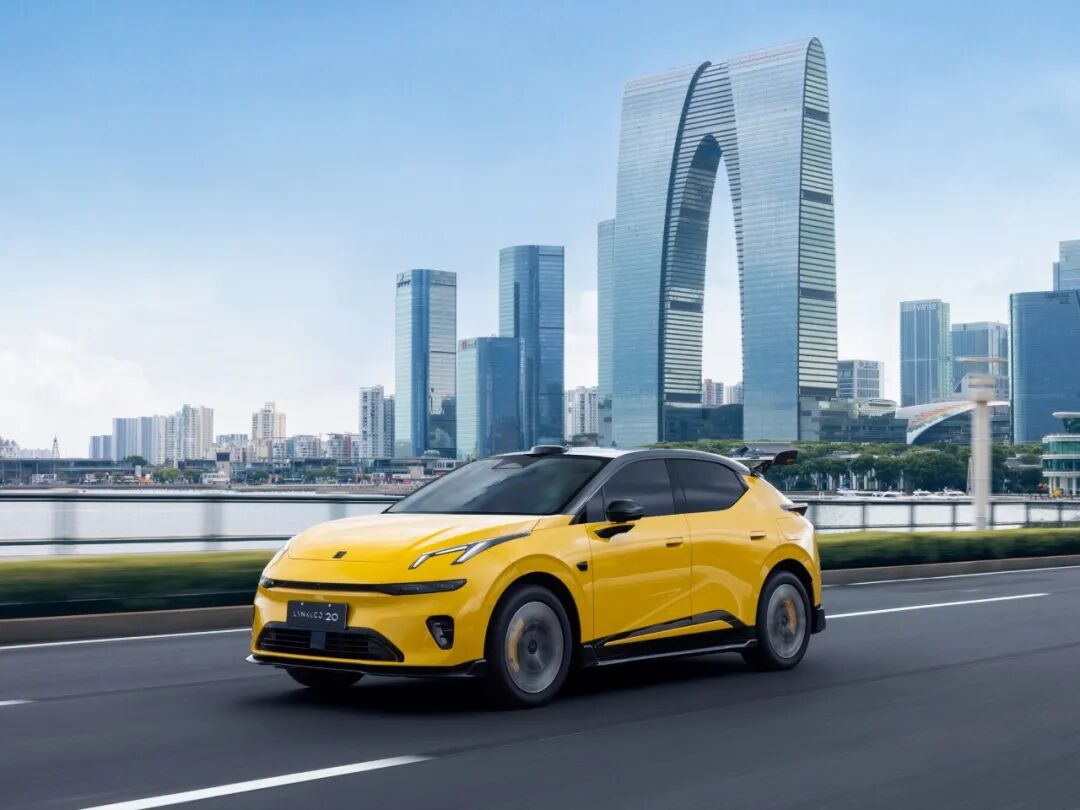
These figures are impressive for the 150,000-yuan market segment. However, what truly stands out is the commitment to making "standard across all trims" a reality. The 800V high-voltage platform, previously reserved for models priced above 200,000 yuan, is now a basic feature even in the entry-level trim. Paired with 28 sensing units and the Horizon Journey 6M chip, the LiDAR system supports urban NOA, highway NOA, and D2D (door-to-door) navigation, with all trims offering these features, as revealed at the launch event.
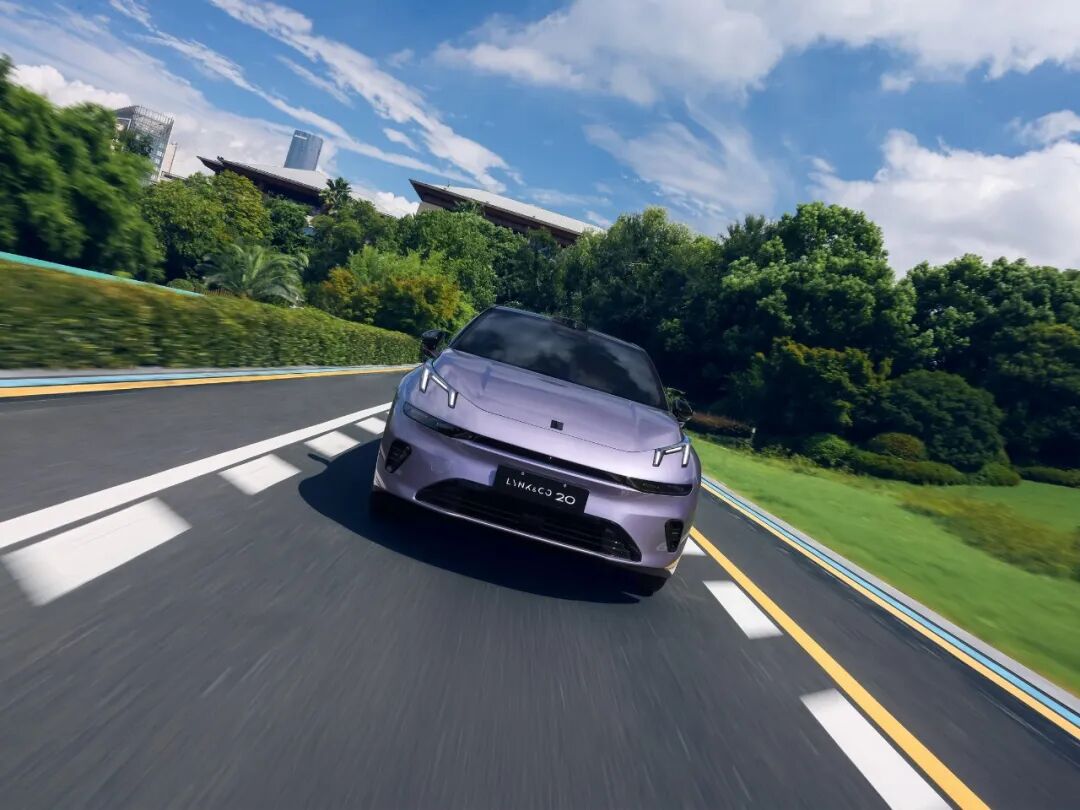
Of course, there's a difference between standard hardware and a standard experience, which hinges on software calibration. Is the point cloud algorithm mature enough with the LiDAR installed? How well does the urban NOA perform in terms of coverage and intervention frequency? These questions cannot be answered simply by glancing at the configuration sheet. Lynk & Co claims "it can be driven anywhere there's a road," but industry experience suggests that the real-world performance of high-level intelligent driving often becomes apparent only after a certain number of vehicles have been delivered. This aspect requires time to validate.
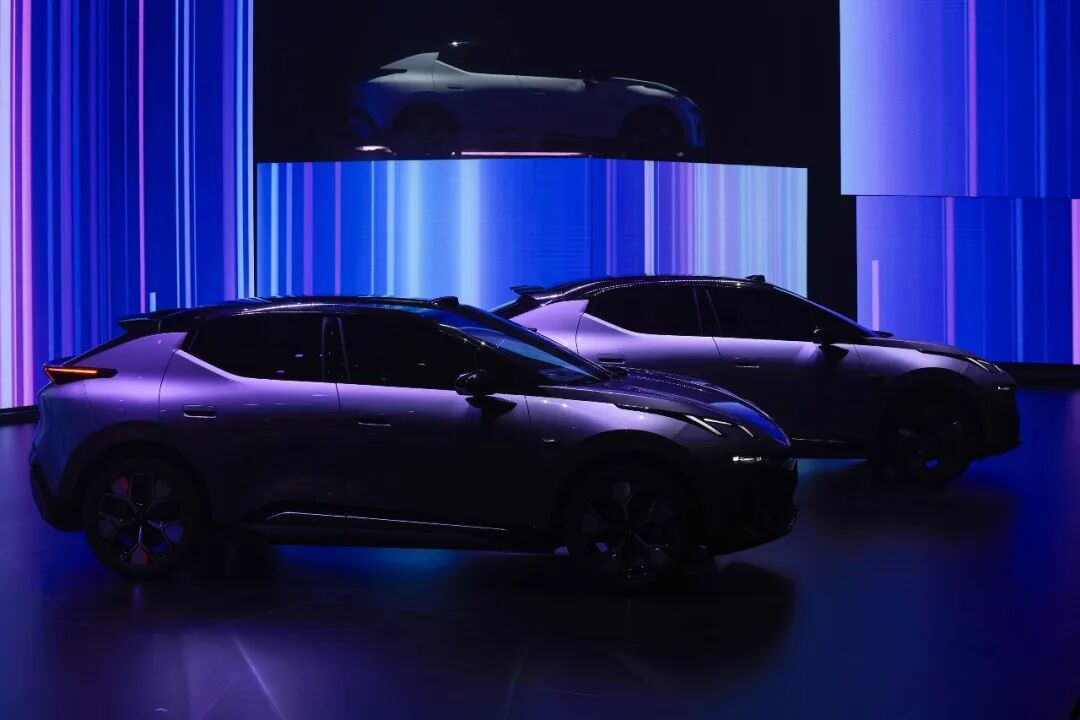
The chassis has always been a traditional strength for Lynk & Co. With a front MacPherson strut and rear five-link independent suspension, full-frame front and rear subframes, and a CCD continuously variable damping system, it truly stands out in this price segment. The seven years and nine championships of TCR racing experience are reflected in aspects such as steering feel, body followability, and cornering support, with Lynk & Co's tuning expertise consistently evident. However, it's important to note that the center of gravity distribution of a pure electric platform differs from that of a fuel vehicle. While the battery's placement on the floor lowers the center of gravity, changes in unsprung mass also require re-matching. The ultimate chassis quality will need to be verified through real-world driving experiences.
How to choose the most cost-effective option starting at 118,800 yuan
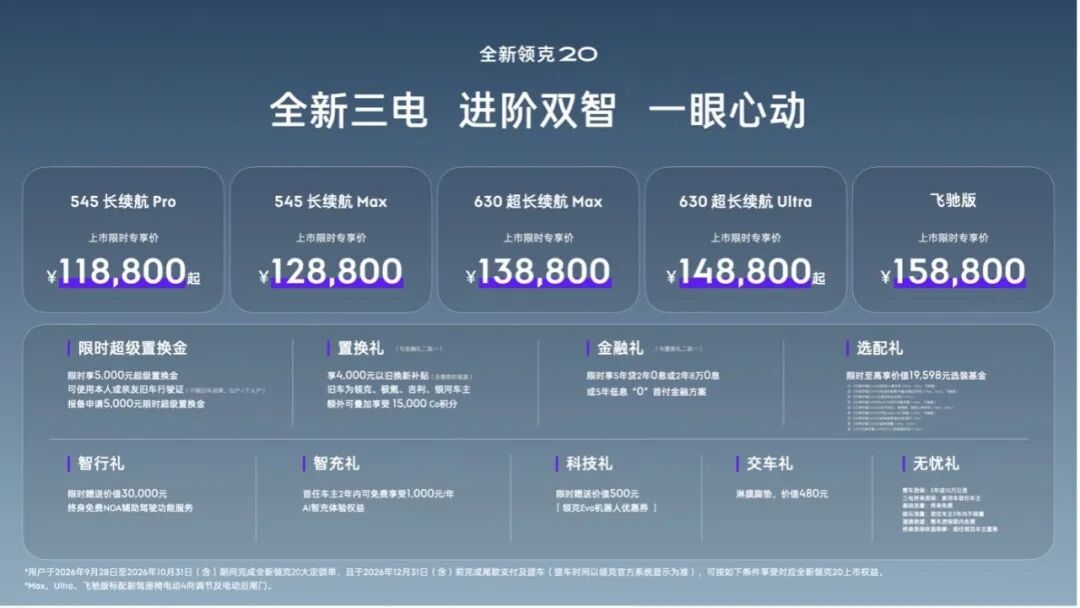
When it comes to pricing, clarity is key. The new Lynk & Co 20 has a guide price range of 123,800 yuan to 163,800 yuan. After deducting the 5,000-yuan super trade-in bonus for the limited-time exclusive price, it becomes 118,800 yuan to 158,800 yuan. It's important to note that this limited-time price comes with conditions: an old vehicle is required, which can be owned by the buyer or their relatives/friends, regardless of whether it's a company or private vehicle. Simply register with the vehicle registration certificate to apply. Without an old vehicle, the actual transaction price will be 5,000 yuan higher.
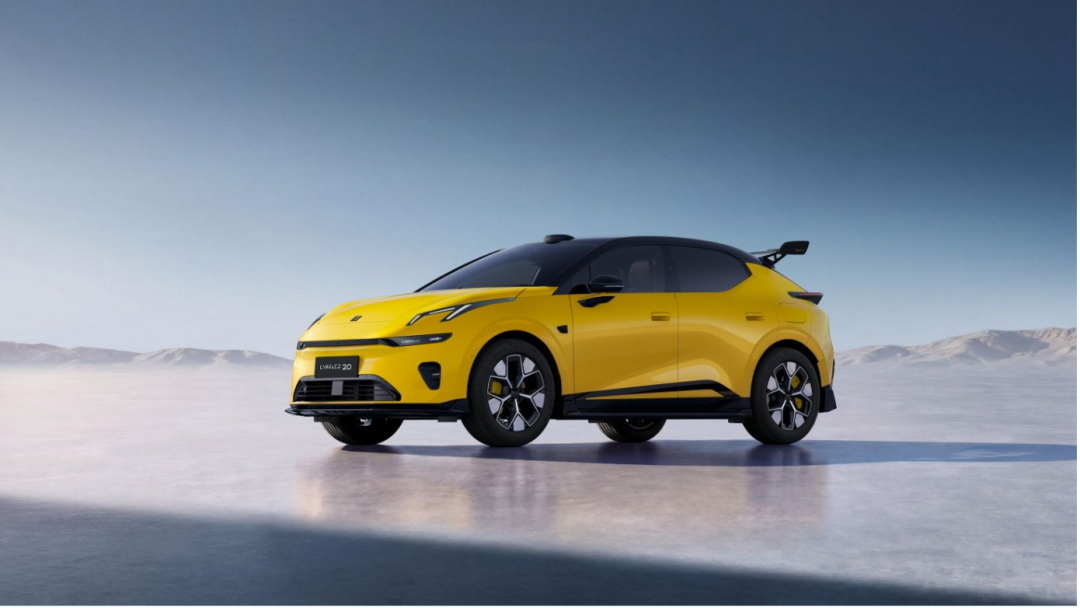
The pricing gradient of the five versions is clear: the 545 Long Range Pro starts at 118,800 yuan, the 545 Long Range Max is 138,800 yuan, the 630 Ultra Long Range Max starts at 148,800 yuan, and both the 630 Ultra Long Range Ultra and Performance versions are 158,800 yuan. The price differences mainly lie in battery capacity, seat functionality, sound system, and cockpit chip. Notably, intelligent driving and 800V technologies are standard across all trims, from the base to the top version.

The essence of this pricing strategy is to decentralize technological configurations that were previously exclusive to top trims, prioritizing the popularization of core technologies over profits. While some in the industry have adopted similar approaches, they often compensate for costs by cutting corners elsewhere, such as simplifying interior materials, reducing suspension specifications, or compromising sound insulation. Based on the currently disclosed information, the Lynk & Co 20 offers a robust chassis specification and interior details like crystal knobs and a 23-speaker sound system, combined with favorable policies, all demonstrating Lynk & Co's sincerity towards consumers.
Targeting urban elite user groups
Lynk & Co positions this vehicle as the "top choice for urban elites," targeting young first-time buyers and quality family upgraders, primarily those with a bachelor's degree or higher, who value intelligent experiences, design distinctiveness, and travel safety. In short, it's for those who don't want to follow the crowd, have certain requirements for their vehicle, but have a budget that's not overly generous.
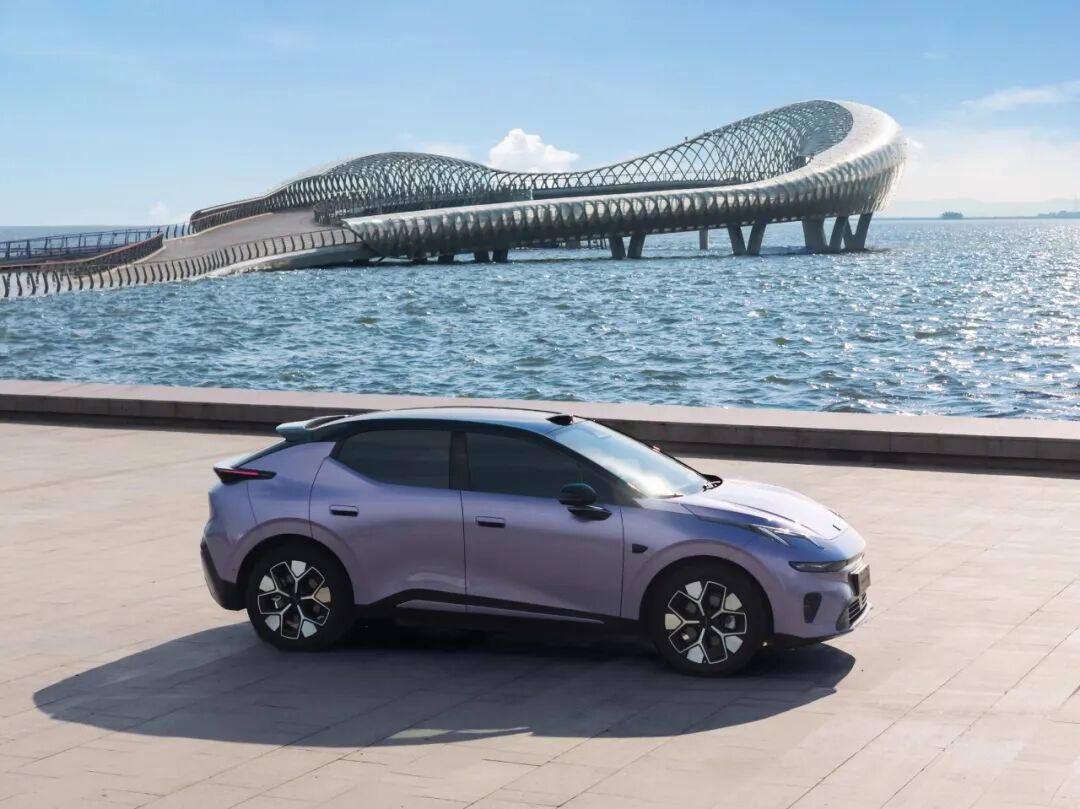
From a product perspective, the Lynk & Co 20 indeed focuses on "urban appeal." With a length of under 4.5 meters and a turning radius of 5.35 meters, it's easy to drive and park. Available in six exterior colors and three interior themes, its exterior design follows a trendy and cool route, rather than a conservative family car style. Features like an exterior cooler, in-car fridge, 23-speaker sound system, and 36 storage spaces are all geared towards a "refined lifestyle," rather than a utilitarian approach.
However, it's important to acknowledge that the 150,000-yuan pure electric SUV market is highly competitive. Price-reduced older models from new forces offer strong cost-effectiveness, while electrified products from traditional automakers, though weaker in intelligent driving, may not necessarily lose out in terms of space and comfort. The differentiation of the Lynk & Co 20 ultimately boils down to three things: 800V fast charging, standard intelligent driving across all trims, and a chassis that offers driving pleasure. Whether these three points can truly resonate depends on the target users' perception of these features.

If your daily commute is just a dozen kilometers within the city and charging is convenient, the perception of 800V may indeed be weak. However, if you frequently drive on highways or live in an area with average charging conditions, the significance of replenishing energy to 80% in 12 minutes is different. The same goes for intelligent driving: those who commute on elevated roads daily will have a high dependency on NOA, while those who mainly drive short distances in the city may find automatic parking sufficient.
Therefore, whether this vehicle is good or not cannot be simply summarized as "high cost-effectiveness" or "fully loaded configuration." It's more like a clear statement: you're paying for technological inclusivity, driving pleasure, and a non-conformist attitude. Whether it's worth it varies from person to person, as everyone has their own criteria.
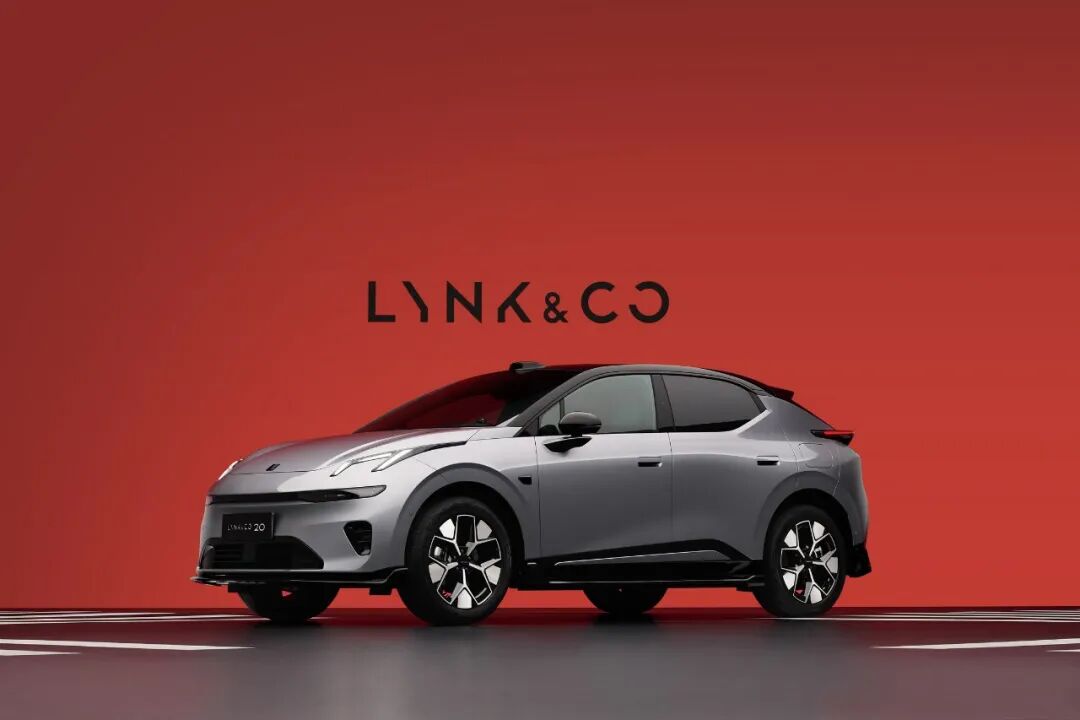
The launch of the new Lynk & Co 20 may seem like a small-scale pricing strategy for a new vehicle, but on a larger scale, it represents a revaluation of the 150,000-yuan pure electric market. In the past, consumers had to make trade-offs between configuration, technology, and experience at this price point, but now Lynk & Co is attempting to eliminate these trade-offs. Whether it succeeds depends on market acceptance and whether the real-world reputation after delivery can live up to the promises made at the launch event.
At least for now, Lynk & Co has delivered the real deal this time, not relying on marketing concepts to prop up the scene. Whether these real offerings can translate into sales and withstand long-term scrutiny will be answered by the market.
-
![]()
Office Agent Showdown: Kingsoft, SenseTime, iFLYTEK, Youdao - Who Makes the Cut, Who's Just Along for the Ride?
-
![]()
Starting at 118,800 yuan with standard LiDAR, the new Lynk & Co 20 is all business this time around.
-
COSTAR Auto Optoelectronic Display Branch Passes Supplier Admittance Review by a Leading Headlamp Enterprise!
-
![]()
Domestic Memory Behemoth Unveils Plan to Invest 34.9 Billion Yuan in Production Scale-Up
-
![]()
Why Is Luxshare Precision Covering the Costs for Chenling Optics, Despite Harson’s Aborted Acquisition?
-
![]()
Dialogue with Phoenix Optics: Riding the 'Optics + AI' Wave with Six Decades of Expertise
-
![]()
Competing on Assets, Not Just Price: 10 Key Insights from NIO and Geely's Battery Swap Integration
-
![]()
Fliggy is Becoming More and More Like a Plugin