Why Does Water Still Penetrate Despite IP68 Waterproofing?
 10/26 2026
 475
Promotional materials often tout IP68 dust and water resistance. Yet, you might take your phone into the pool or bring it into the bathroom during a steamy shower, only to find a few days later that the screen starts flickering, Face ID fails, and when you send it for repair, the after-sales staff glances at the water damage indicator and declares: 'Human-induced damage, not covered under warranty.'
IP68 certification is genuine, but the water it guards against isn't the same as the water you encounter daily.
01
The '8' in IP68: Protection Against Water in the Lab
The '6' in IP68 denotes complete dust resistance, while the '8' signifies the ability to withstand continuous immersion under specific conditions. However, the term 'specific conditions' is pivotal.
The industry-standard IP68 test is typically performed in still, non-flowing freshwater at a depth of approximately 1.5 meters for 30 minutes, with a temperature difference of no more than 5°C between the water and the phone.
Some brands conduct enhanced tests with greater depths or longer durations, but the fundamental conditions of stillness, freshwater, and moderate temperature remain unchanged.
Almost every type of water you come across daily falls outside these test parameters.
Seawater contains salt, which can corrode sealing gaskets; pool water contains chlorine, which accelerates rubber aging; steam from hot showers isn't liquid water but can penetrate waterproof structures; and the dynamic pressure from flowing water (such as rinsing under a faucet) far exceeds that of static immersion.
Certification tests never claim to handle these scenarios.
02
What About the Waterproof Vent Valve?
For a phone to achieve IP68 certification, its interior cannot be entirely sealed.
Changes in air pressure (such as when you fly or climb a mountain) can create a pressure differential between the inside and outside of the phone. If not balanced, the screen may be crushed, and buttons may malfunction.
Therefore, waterproof phones are equipped with a waterproof vent valve that blocks liquid water but allows gas to pass through. 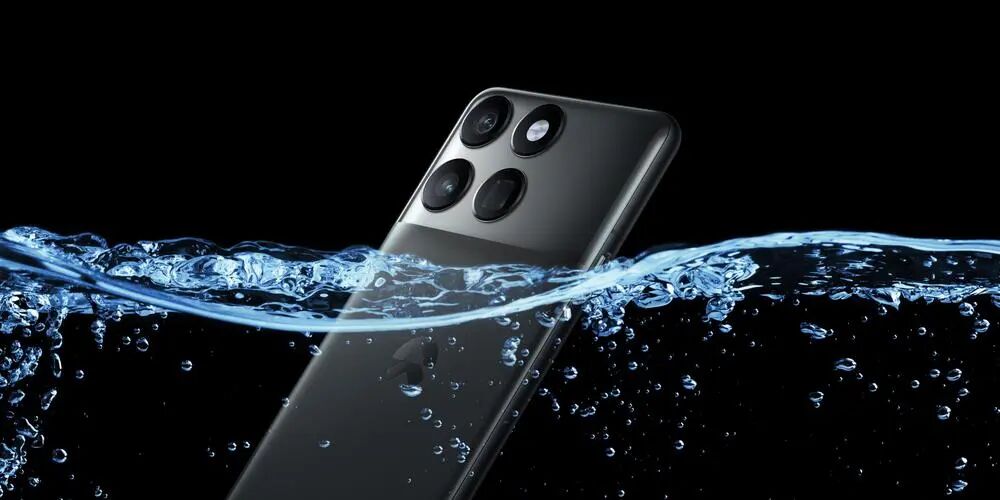
Image source: Internet
Water vapor is a gas.
Steam from hot showers or humidity in saunas can freely pass through this valve into the phone's interior, where it condenses into liquid water when the temperature drops.
Huawei's Vice President of Product Line, Li Xiaolong, once stated that IP68 phones can be used occasionally in hot and humid environments for short periods but are not suitable for prolonged exposure to steam-intensive areas.
This is how steam infiltrates the waterproof phone you take into the bathroom.
03
Seals Age, But IP68 Doesn't Come with an Expiration Date
IP68 is a laboratory metric measured under factory conditions.
A phone's waterproofing relies on silicone gaskets, sealants, and adhesives, all of which degrade over time.
iFixit's disassembly engineers have observed that after a year or two of use, a phone may have lost a significant portion of its waterproofing capability.
Google's promotional materials for the Pixel 10 Pro Fold also explicitly state that IP68 is not permanently effective and that water and dust resistance may gradually weaken or disappear due to daily wear, repair, or damage.
A single accidental drop, even if no visible cracks appear, can cause microscopic deformations in the sealing structure.
An unofficial disassembly or repair almost certainly cannot restore the phone to its original factory-sealed state. IP68 protects new phones that have never been dropped or disassembled, not phones that are two years old and have been dropped twice. 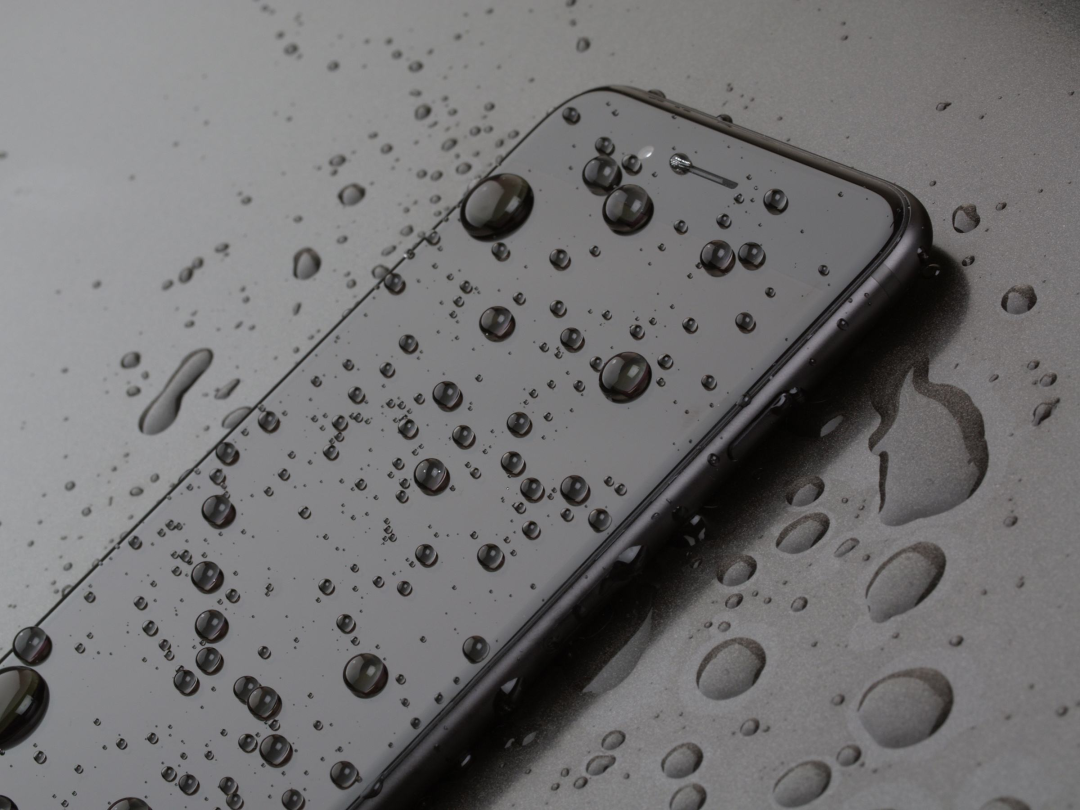
Image source: Internet
Almost all mainstream brands exclude liquid damage from their warranty coverage.
Even if the detected cause of water ingress is clearly natural aging of the seals, all the after-sales staff sees is the fact of water ingress, which is generally classified as human-induced damage in the manufacturer's determination logic.
Google has also proactively reminded users in its promotional materials that water damage is not covered under warranty.
Manufacturers understand better than consumers what this rating can and cannot promise.
04
So What Is IP68 Good For?
Its role is actually as a safeguard against accidents, not as a license for use.
Brief exposure to splashes when taking the phone out of your pocket on a rainy day, picking it up with wet hands, or accidentally spilling a cup of water on it—these short, freshwater, non-pressurized contacts are what IP68 is designed to handle.
However, it does not promise that you can swim, shower, or shoot underwater videos with your phone, nor does it guarantee that a two-year-old phone will remain as water-resistant as when it was new.
If you want to minimize the risk of water damage to a phone that has been in use for some time, a few habits are more practical than relying on IP68. 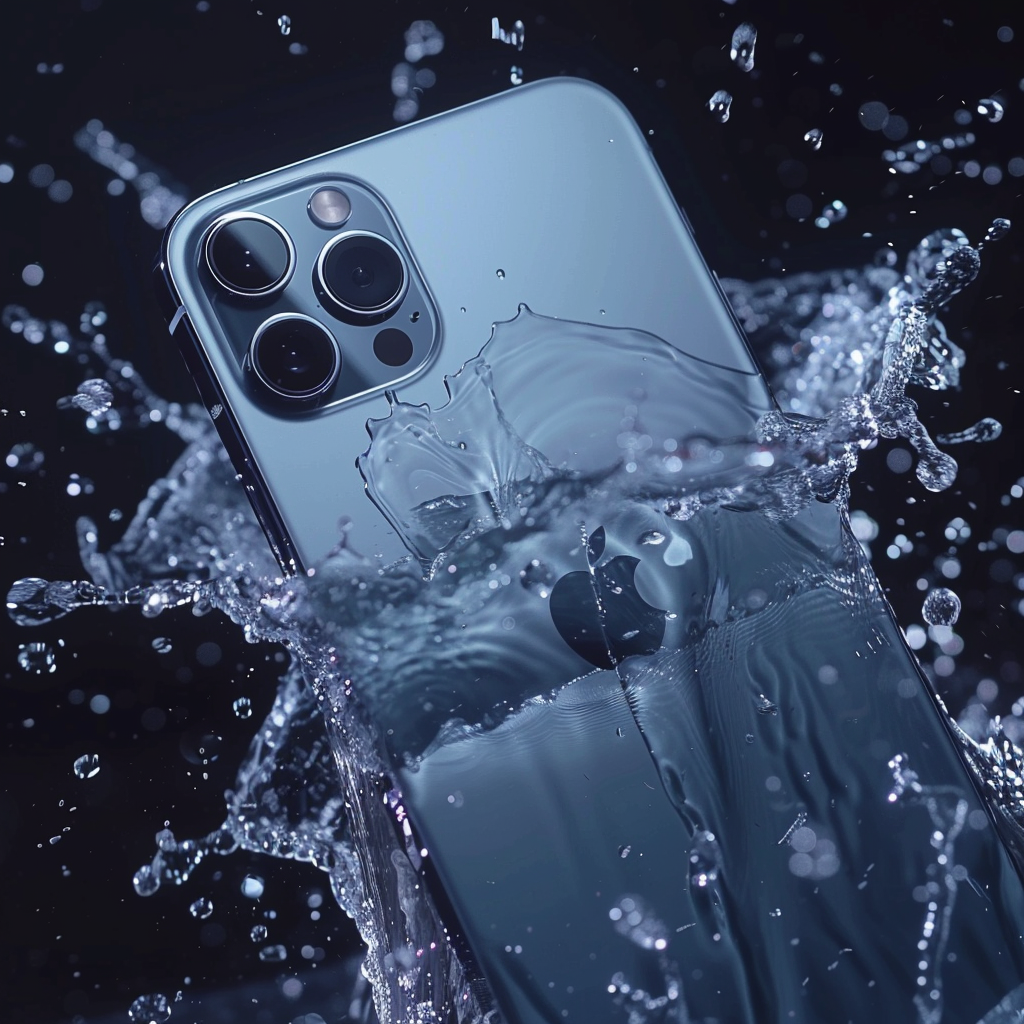
Image source: Internet
One is to avoid taking it into the bathroom or sauna, as steam is harder to defend against than liquid water. Another is to rinse it with freshwater and dry it promptly after exposure to seawater or pool water to prevent salt and chlorine from lingering in the crevices. If the phone has been dropped or repaired, treat it as an ordinary phone without IP68 certification.
IP68 is a one-time insurance policy valid at the time of factory release, not a lifelong commitment.
It protects against 'what ifs,' not recklessness. #IP68Waterproof
-
![]()
Alibaba Cloud and Volcano Engine Compete in Automotive Cloud Market
-
![]()
“After Testing K3.1 Pro Overnight, It Seems Kimi Is Truly Advancing Towards Embodied AI”, “K3.1 Pro, Speed, Task Execution, Allowance, Embodied AI”
-
![]()
BYD Registers Decline in Six Models, Xiaomi Undergoes Leadership Shuffle! Comprehensive Review of BEV Sales Rankings from January to September
-
![]()
DeepSeek’s Product Department Entrusted to a Quantitative Trader
-
![]()
After Two Decades of Anticipation, Wuhan and YMTC Face a Cooling A-Share Market
-
![]()
Why Are Automakers Pivoting to Battery Swapping Amid Rapid Advances in Ultra-Fast Charging?
-
![]()
From Lucent to NVIDIA: When History Echoes
-
![]()
Thermal Effects on Femtosecond Filamentation and Supercontinuum Generation in YAG Crystals: Insights from Ultrafast Nonlinear Optics Study No. 105