Why Does Apple Opt for Aluminum in Its Phone Cases? Beyond Lightness and Heat Dissipation
 10/09 2026
 516
516
When Apple unveiled the iPhone 17 Pro, it made a choice that left many perplexed: after two generations of using titanium, it reverted to an aluminum alloy frame.
Titanium, renowned for its robust strength, luxurious feel, and inherent high-end appeal, had been a heavily marketed selling point for the iPhone 15 Pro.
Aluminum alloy, in contrast, is often perceived as a cheaper, scratch-prone material, making the switch seem like a step backward.
However, in response to queries (zhì yí, meaning 'doubts' or 'questions') regarding this material regression, John Ternus, Apple's head of hardware engineering, emphasized that aluminum alloy offers undeniable benefits in terms of heat dissipation and weight management.
He explicitly clarified that opting for aluminum alloy is not a regression.
01 Heat Dissipation: Custom Aluminum Alloy Outperforms Titanium by 20 Times
The primary driver behind this decision is heat dissipation.
Flagship phones in 2026 will boast increasingly powerful chips, with on-device large models, AI inference, and high-frame-rate games continuously pushing the boundaries of thermal management.
The iPhone 17 Pro, equipped with the A19 Pro chip and a VC (Vapor Chamber) heat sink, is designed to tackle heat generation under heavy loads.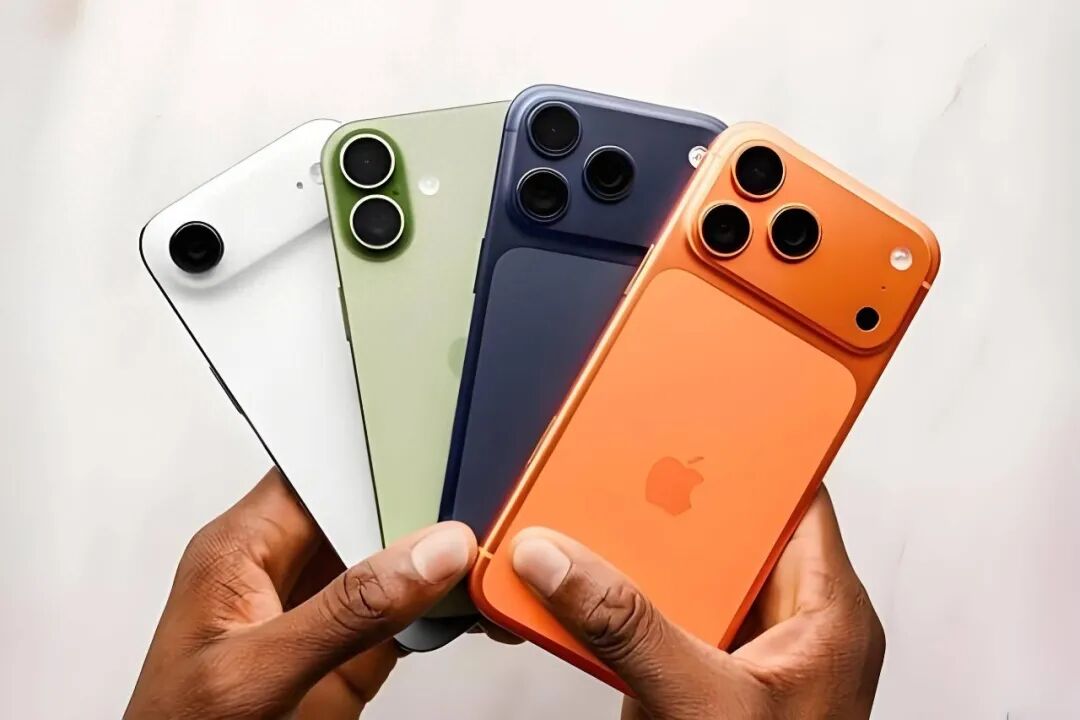
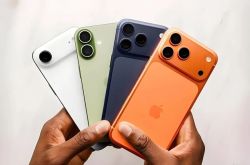
Image Source: Internet
However, if the frame itself lacks sufficient thermal conductivity, the heat exported by the VC heat sink becomes trapped at the device's edges, failing to dissipate effectively.
Apple employs a custom aluminum alloy with thermal conductivity 20 times greater than that of titanium. This means that for the same amount of heat, an aluminum frame can distribute it more rapidly across the device's surface and release it into the air.
While titanium is strong, its poor thermal conductivity renders it akin to a thermal barrier.
Overheating issues reported by iPhone 15 Pro and 16 Pro users can be partly attributed to this limitation.
Apple is well aware of titanium's thermal shortcomings.
The iPhone Air continues to utilize titanium precisely because of its slim profile. The ultra-thin body necessitates higher material strength to prevent bending, and heat dissipation challenges are addressed through alternative means.
By selecting aluminum for the iPhone 17 Pro, Apple prioritizes heat dissipation efficiency.
02 Weight: Titanium is Approximately 60% Heavier Than Aluminum
The second consideration is weight.
Titanium has a density of approximately 4.5g/cm³, whereas pure aluminum has a density of about 2.7g/cm³, making titanium roughly 67% heavier.
Even accounting for the slightly higher density of the aluminum alloy frame used, titanium remains about 60% heavier than aluminum.
For frames of identical volume, the titanium version is noticeably heavier.
Apple has received complaints from iPhone 16 Pro Max users regarding the device's heft.
After switching to aluminum, the iPhone 17 Pro achieves a significant weight reduction in a similar form factor.
The weight saved is repurposed by Apple for a larger battery.
The iPhone 17 Pro Max weighs 231 grams. Had titanium been used, it would have approached the weight of a half-jin (250-gram) device.
This is Apple's strategic trade-off: rather than having users lug around a heavier yet higher-quality metal, it's preferable to make the phone lighter and extend battery life by two hours.
03 Cost and Mass Production: Titanium's Yield Rate Bottleneck
Titanium also presents a challenge that Apple is hesitant to discuss openly: it is difficult to process.
Titanium is complex to machine, slow to produce, and results in significant material waste.
According to Aibang Polymer data, the overall yield rate for titanium alloy phone frames is around 30%-40%, significantly lower than the 80% for aluminum alloy frames.
This implies that for every 100 titanium frames produced, 60 to 70 are defective, directly doubling costs.
In contrast, the mature processing of aluminum can reduce production costs by 40%. For Apple, which ships 200 million devices annually, every percentage point difference in yield rate translates to substantial financial losses.
Aluminum's advantage in large-scale automated production is something titanium cannot match in the near term.
04 Environmental Protection: Aluminum's Carbon Footprint is One-Third of Titanium's
Apple has pledged to achieve carbon neutrality across its entire value chain, including supply chains and the full product lifecycle, by 2030.
Aluminum's carbon footprint is merely one-third that of titanium, and its recycling system is far more mature.
On the newly released iPhone 18 Pro, Apple utilizes 85% recycled aluminum, with recycled materials accounting for 40% of the entire device.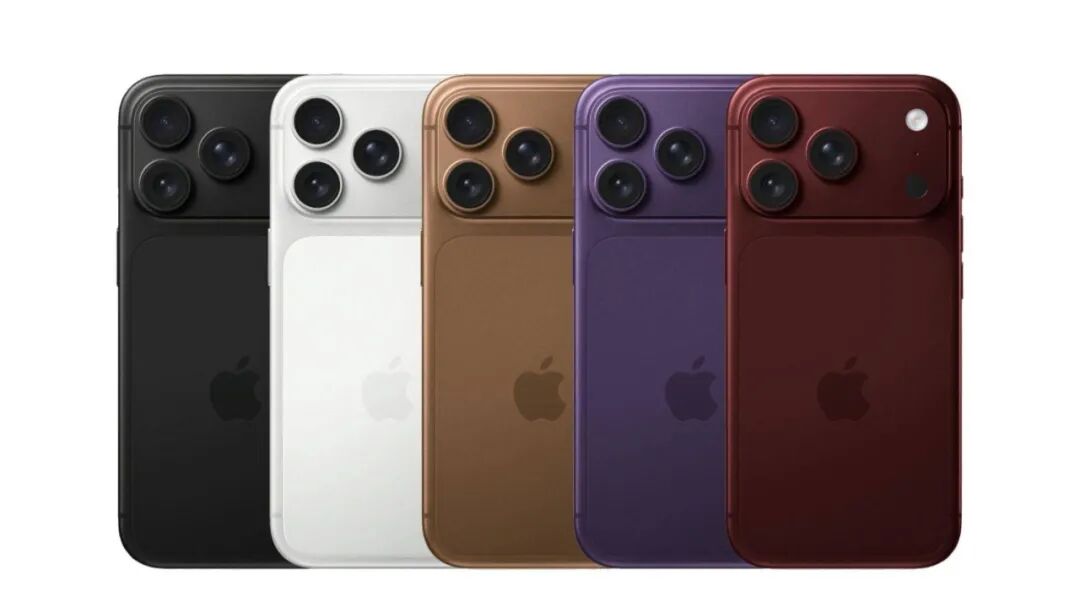
Image Source: Internet
This recycled aluminum is sourced from old iPhone bodies recycled by Apple's own disassembly robot, Daisy, creating a closed-loop system.
Titanium's recycling system is nowhere near as developed, and recycling waste requires more energy.
Apple is also developing a low-temperature aluminum recycling process that can purify aluminum from scrap at temperatures as low as 125°C, far below the high temperatures required by traditional smelting.
If this technology is implemented, aluminum's environmental advantages will become even more pronounced.
05 The Drawback of Aluminum: Scratches and Paint Chipping
Aluminum is not without its drawbacks.
The most apparent issue is its low hardness.
Aluminum has a Mohs hardness of about 2.75, significantly lower than titanium's 6.0. In daily use, keys, sand, and table debris can easily scratch the frame.
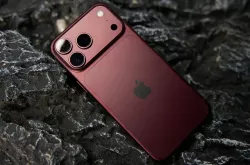
According to multiple media reports, after the iPhone 17 Pro's release, the Star Orange color option exhibited significant paint chipping, primarily concentrated on the aluminum frame.
Some users reported that after about a month of normal use with a protective case and no exposure to sunlight, the orange color on the aluminum frame and camera area gradually faded to pink.
Apple's response has been to employ anodizing processes and color optimization.
The advantages of aluminum in anodizing treatment have enabled the iPhone 17 Pro to introduce new colors like deep blue and bright orange, whereas titanium's process limitations restrict its color vibrancy.
06 Is This a Step Backward?
Apple's material choices have never been about which is more premium but rather which is more suitable.
The iPhone 15 Pro utilized titanium because chip power consumption was manageable, and heat dissipation pressure was not as high. Titanium's feel and strength were better selling points at the time.
The iPhone 17 Pro reverts to aluminum because AI computing power and high-load scenarios have made heat dissipation the top priority, and aluminum's thermal conductivity advantages have become irreplaceable.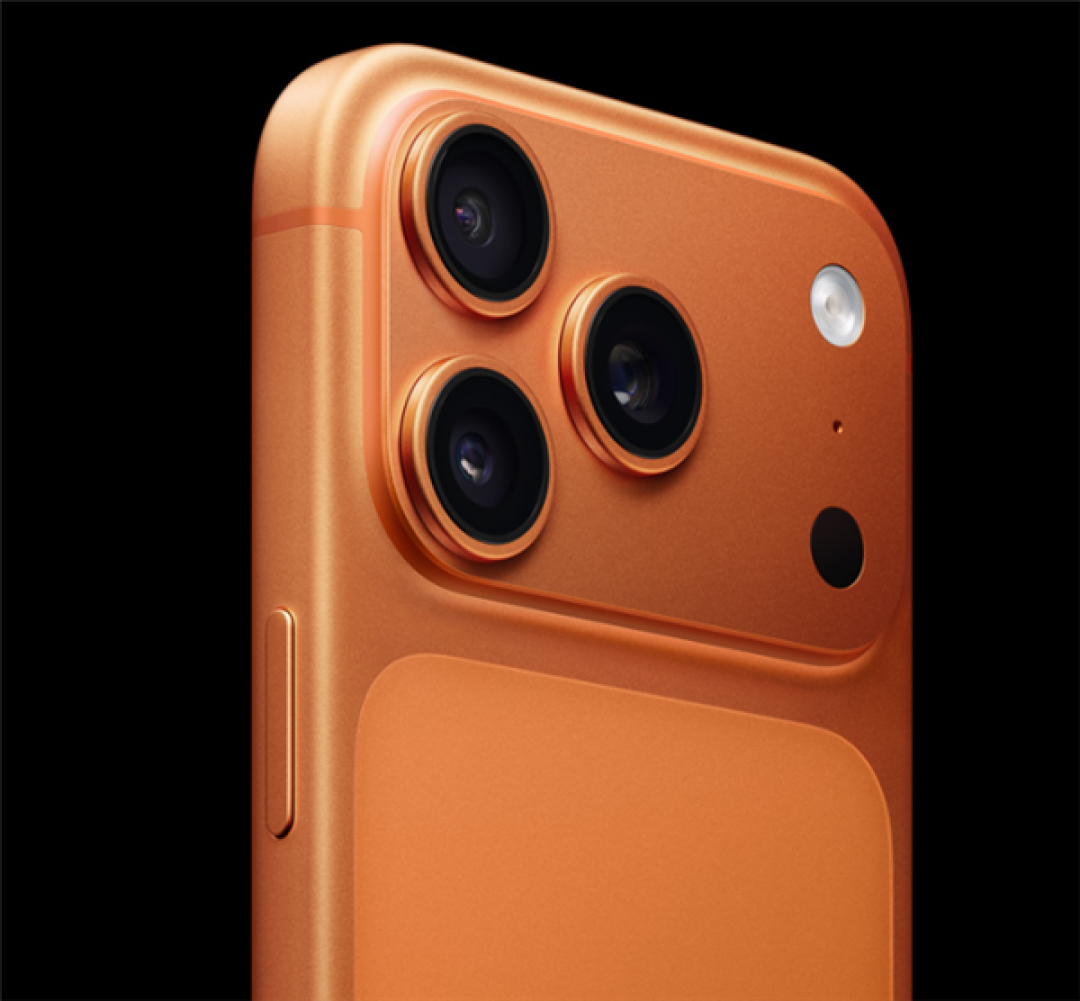
Image Source: Internet
Apple has not abandoned titanium.
The iPhone Air and the first foldable iPhone Duo continue to use titanium because the ultra-thin and foldable form factors necessitate material strength far more than heat dissipation.
According to leaks, Apple is also developing improved titanium alloys and liquid metals, aiming to address titanium's poor thermal conductivity while preserving its strength advantages.
Once that material matures, the Pro series may revert to titanium.
There is no single 'best' material—only the 'optimal' one for the given context.
Apple opts for aluminum because, within the framework of its 2026 product definitions, heat dissipation and weight take precedence over feel. #ApplePhone #AluminumCase
-
![]()
Why Did Axisystems Only Earn 29.09 Million Yuan After Selling 420,000 Automotive Chips in Six Months?
-
![]()
Chery’s Globalization 3.0: What Exactly Does It Entail?
-
![]()
Why Does Apple Opt for Aluminum in Its Phone Cases? Beyond Lightness and Heat Dissipation
-
![]()
Why Is the Time Allotted for Driver Takeover More Critical When the Intelligent Driving System Disengages?
-
![]()
Capturing the Victoria Harbour Fireworks with iPhone 18 Pro Max: A Glimpse into Apple's New Imaging Philosophy
-
![]()
Final Ruling: Domestic Auto Market Fails to Capitalize on Traditional 'Golden September' as Sluggishness Persists
-
![]()
Globalization 3.0: Zhang Guibing Faces His Ultimate Challenge
-
![]()
ChatGPT Teaches Me Mahjong! OpenAI’s Smart UI Test: Revolutionizing AI Interaction