Globalization 3.0: Zhang Guibing Faces His Ultimate Challenge
 10/09 2026
 322
322
On October 7th, Chery released a statement, appending a series of titles after Zhang Guibing's name.
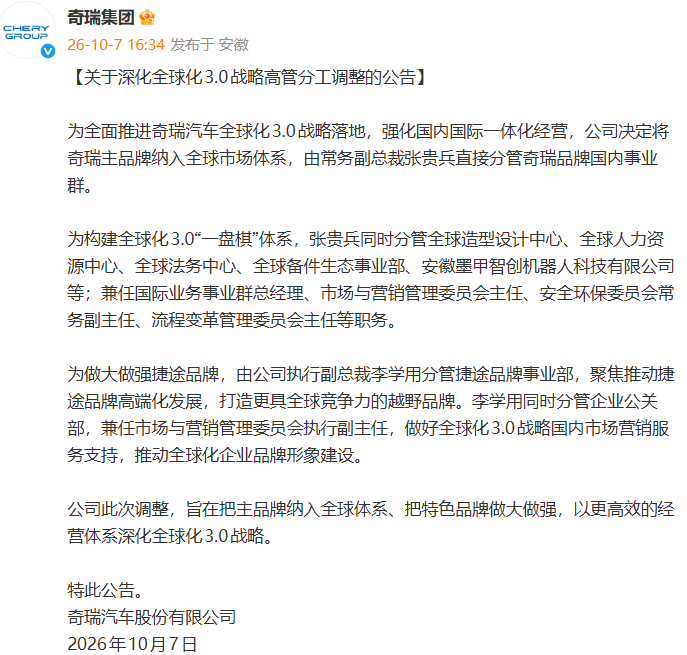
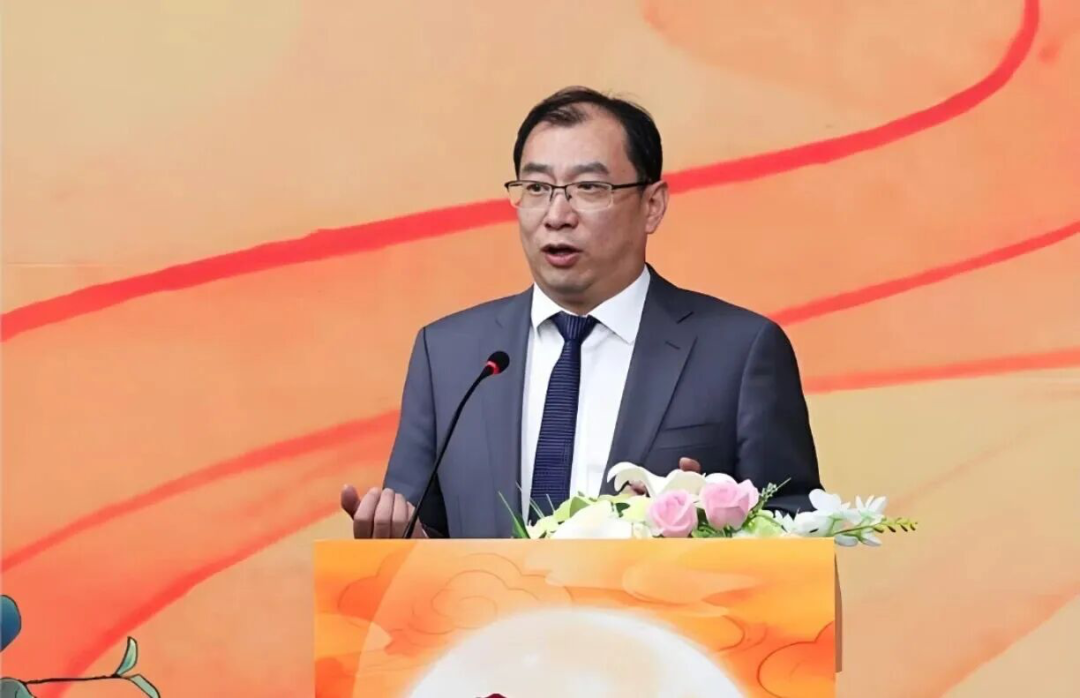
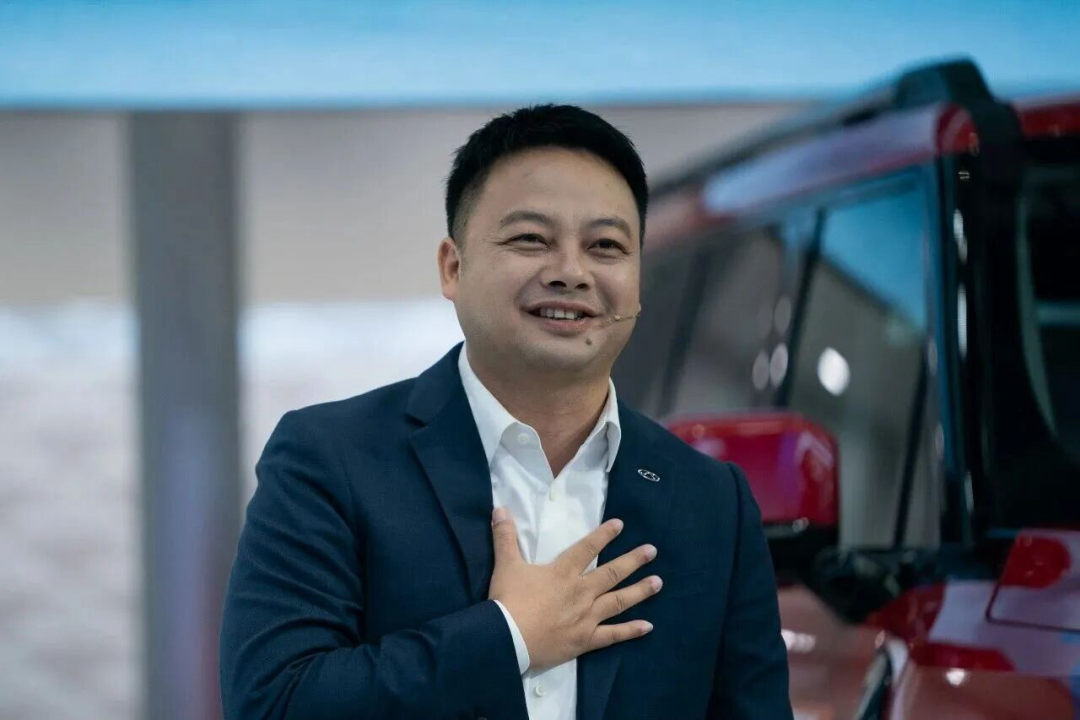
Two names, two sets of titles, yet they convey a unified message: Chery is staking its future on a singular strategy for both domestic and international markets. Why Zhang Guibing?
The answer lies in the figures.
In August 2026, Chery exported 196,984 vehicles, marking a year-on-year surge of 52.1%. By the end of August, Chery's cumulative exports had soared to 7.18 million vehicles, establishing it as the first Chinese automaker to breach this milestone. Overseas revenue for the first half of the year stood at RMB 98.968 billion, constituting 69.1% of total revenue.
These overseas achievements are truly remarkable, and Zhang Guibing was the driving force behind them.
However, when we shift our focus to the domestic market, the narrative changes dramatically.
Exceed Auto's cumulative sales from January to July 2026 were 41,600 vehicles, representing a year-on-year decline of 39.2%. Monthly sales in July were a mere 8,376 vehicles. As Chery's premium brand, this performance lags far behind mainstream competitors in the same price range.
iCAR's monthly sales have just breached the 10,000 mark, while Seres, with Huawei's backing, is stuck at 8,000 vehicles. None of Chery's new energy brand lineups can be considered a runaway success.
When we juxtapose these two sets of results, a pressing question arises: Can Zhang Guibing replicate his overseas success in the domestic market using the same strategies? In a May interview with Kyodo News, Zhang remarked, "There's no need to emulate stronger Japanese automakers; instead, we should target less competitive areas."
This statement unveils Chery's true overseas strategy: avoid strong competitors, identify untapped markets, and capitalize on cost-effectiveness to open them up.
This approach has paid dividends overseas for over a decade, achieving scale in the Middle East, Russia, and Southeast Asia. However, Chery's presence in mainstream European markets remains limited.
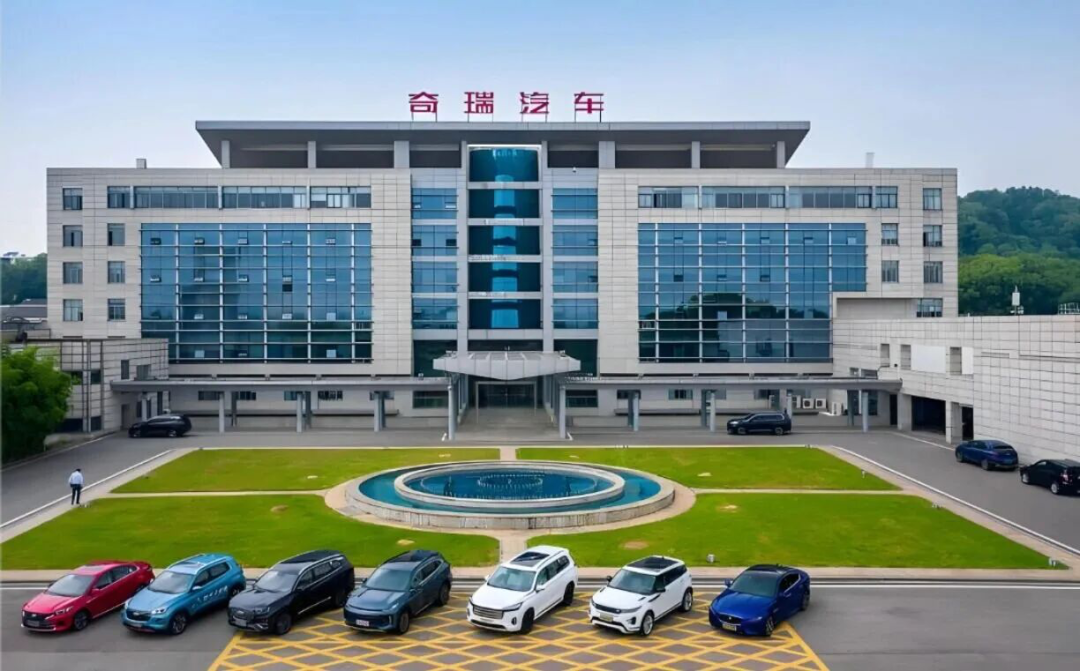
The competitive landscape in the domestic market is vastly different.
After 2023, the domestic new energy market entered an era of intelligent competition. BYD sells 460,000 vehicles monthly, NIO has built formidable barriers through battery swapping and services, Li Auto continues to make strides with its family-oriented positioning, and XPENG stands out with its intelligent driving capabilities. The market is no longer just about price; it's about the intelligent driving experience, brand identity, and user ecosystem.
Chery has yet to secure a foothold in this competition. Monthly sales of the Fengyun T9 are in the low thousands, widening the gap with BYD, Geely, and Changan's extensive new energy product lineups. In a March interview with Xinhua Net, Yin Tongyue observed, "Chinese automakers have ventured into 'uncharted territory' with no established paths to follow."
This statement reflects the fact that China's new energy vehicle penetration rate has surpassed 50%, and the industry has entered a knockout phase with no precedents to guide it.
Yin Tongyue also suggested that future efforts should focus more on new technologies, emphasizing quality over quantity and striving to create blockbuster products.
Together, these two statements encapsulate Yin Tongyue's vision for Chery: streamline, focus, and create hits.
But what Zhang Guibing inherited was an expansion.
He oversees both domestic and international operations, encompassing design, human resources, legal affairs, and even robotics. This means the scope of resource allocation is broadening, with the premise that the domestic business can thrive in the intelligent competition. Exceed Auto's seven consecutive months of year-on-year decline is the most glaring red flag.
Chery's solution: On September 23rd, Zhang Guibing took over the vehicle business from Zhang Guozhong; on October 7th, Li Xueyong officially assumed leadership of Jetour, expanding Zhang Guibing's oversight to encompass all core functions domestically and internationally.
From an organizational standpoint, this is clear: domestic brands operate independently, with Zhang Guibing coordinating the overall efforts.
However, the real challenge lies in the fact that the competitive dynamics of the domestic market and Zhang Guibing's areas of expertise in overseas markets are not aligned.
When Yin Tongyue mentioned "uncharted territory," he was referring to the lack of answers for the entire industry. Zhang Guibing's uncharted territory is even more complex: the methodologies he established overseas cannot be directly transplanted to the domestic market. And the window of opportunity for him to turn things around is closing rapidly.

Feel free to share, like, and leave comments.
The copyright of this work belongs to Xin Zuojia or related copyright holders. Any third party must not reprint it without authorization; otherwise, it constitutes infringement.
"Respect originality, respect attitude."
China's New Mainstream Auto New Media
-
![]()
Chery’s Globalization 3.0: What Exactly Does It Entail?
-
![]()
Why Does Apple Opt for Aluminum in Its Phone Cases? Beyond Lightness and Heat Dissipation
-
![]()
Why Is the Time Allotted for Driver Takeover More Critical When the Intelligent Driving System Disengages?
-
![]()
Capturing the Victoria Harbour Fireworks with iPhone 18 Pro Max: A Glimpse into Apple's New Imaging Philosophy
-
![]()
Final Ruling: Domestic Auto Market Fails to Capitalize on Traditional 'Golden September' as Sluggishness Persists
-
![]()
Globalization 3.0: Zhang Guibing Faces His Ultimate Challenge
-
![]()
ChatGPT Teaches Me Mahjong! OpenAI’s Smart UI Test: Revolutionizing AI Interaction
-
![]()
Doubao Powers Up! Seres Unveils New AIVA Car—Is the RMB200,000 Market Set for a Shake-Up?