He Gang, Yu Chengdong's 'Trusted Partner,' Promoted to Huawei Director: A Pivotal Phone Call 13 Years Ago Altered His Career Path
 10/26 2026
 404
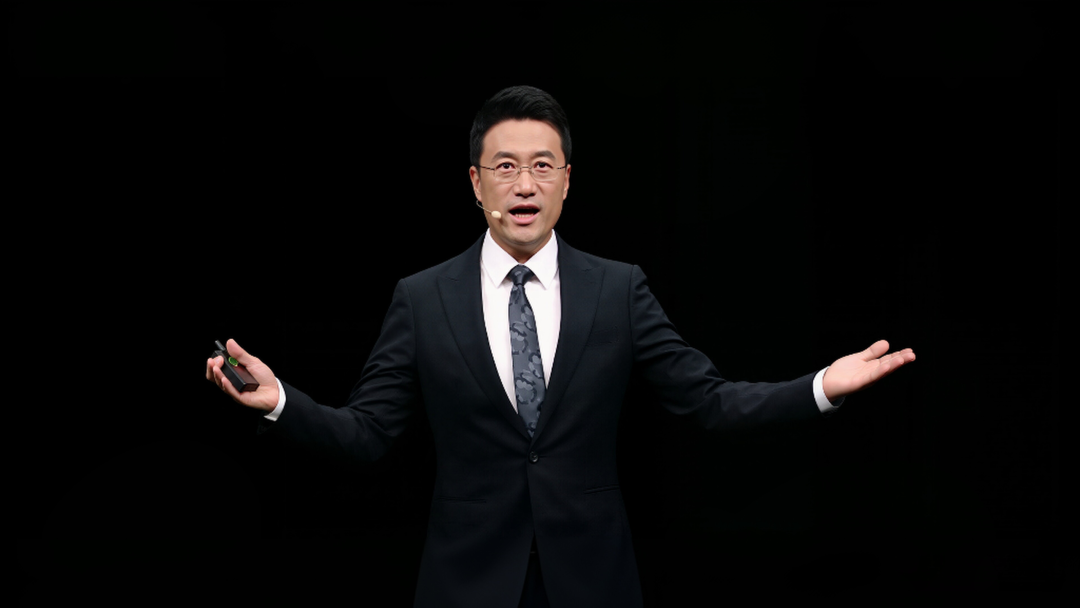
On October 23, Huawei's official website announced changes to its management team.
He Gang, CEO of the Terminal Business Group (BG), transitioned from being an 'alternate director' to a full-fledged 'director,' with his Weibo profile updated concurrently to reflect his new title as 'Huawei Director, Terminal BG CEO.' On the same day, Peng Bo, previously a director and president of the Global Procurement Certification Management Department, was removed from the list.
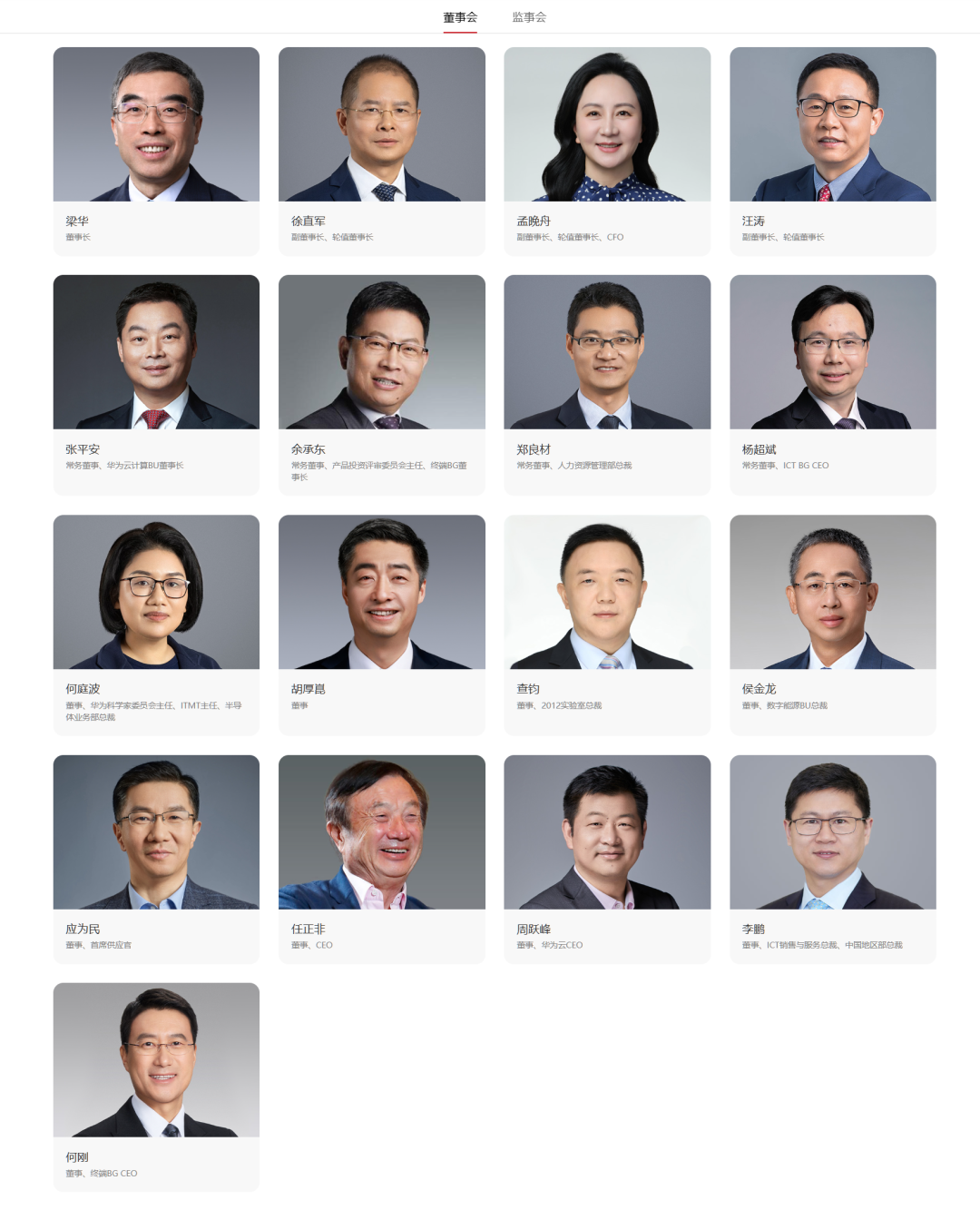
Image Source: Huawei Official Website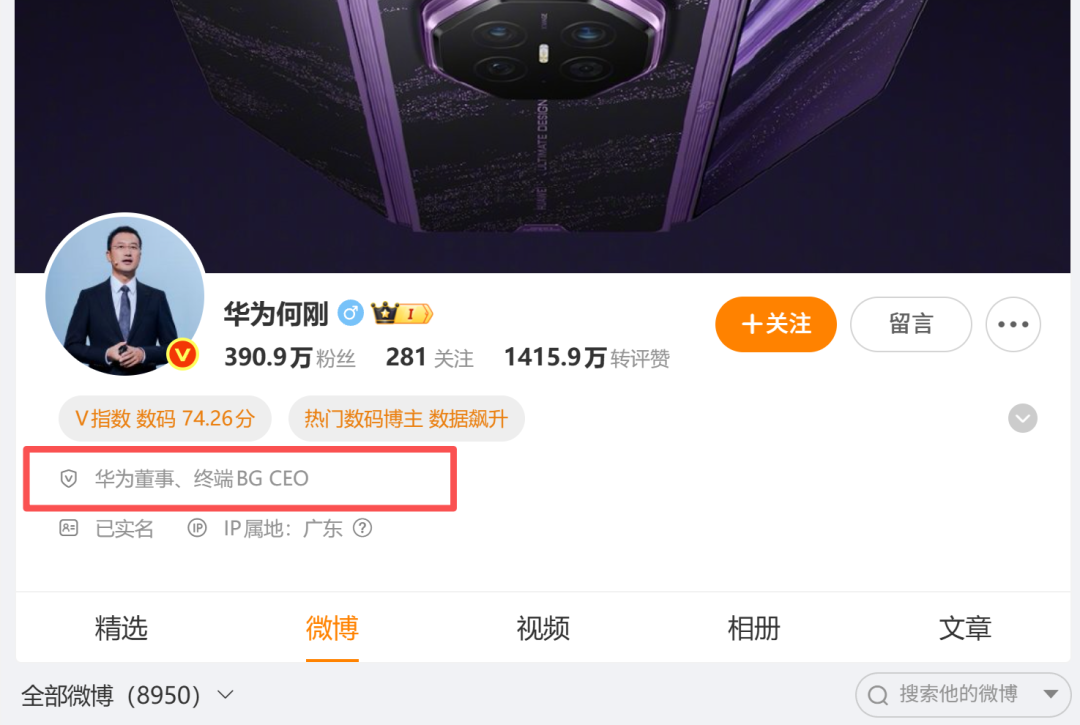
Image Source: Weibo
This quiet reshuffle, devoid of fanfare or leaks, initially appeared as a routine internal adjustment. However, a closer look reveals its deeper significance: He Gang becomes Huawei's 17th director and the second individual from the terminal business line, following Yu Chengdong, to join the company's highest decision-making body.
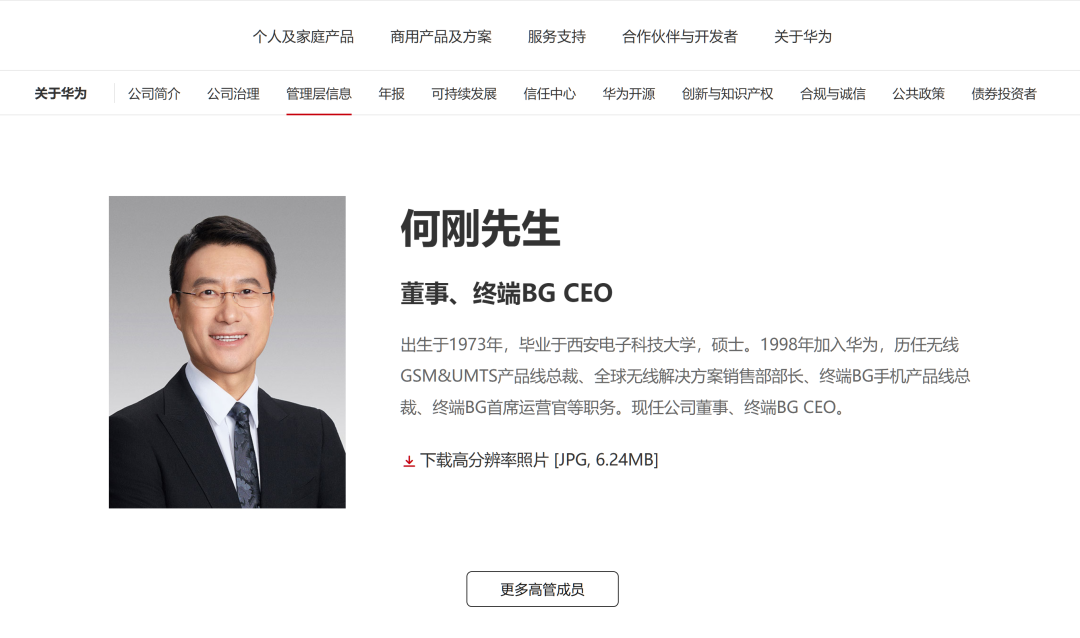
Image Source: Huawei Official Website
Having two directors from the same business line is noteworthy. Huawei's board structure includes a sequence of alternate directors, with vacancies filled in order. He Gang's promotion from alternate to full director positions the terminal business alongside cloud as one of the few lines with a 'Chairman + CEO' dual-director setup.
Every position on this list is earned through merit. He Gang's journey traces back 13 years to a pivotal phone call in Shenzhen.
A Phone Call That Shifted a Wireless Expert into the Smartphone Realm
Late 2011, Shenzhen.
He Gang was at the helm of Huawei's wireless global sales, having risen to the presidency of GSM and UMTS product lines—a linchpin in the wireless division. Born in 1973 and armed with a master's degree from Xidian University, he joined Huawei in 1998 and had dedicated 13 years to the company. At that time, wireless was Huawei's bedrock, while the terminal business was a nascent sideline, barely ranking internally—more of an 'untested hypothesis.'
One day, the phone rang. It was Yu Chengdong, delivering a message as direct as an order—or a gamble: 'He Gang, come make phones.'
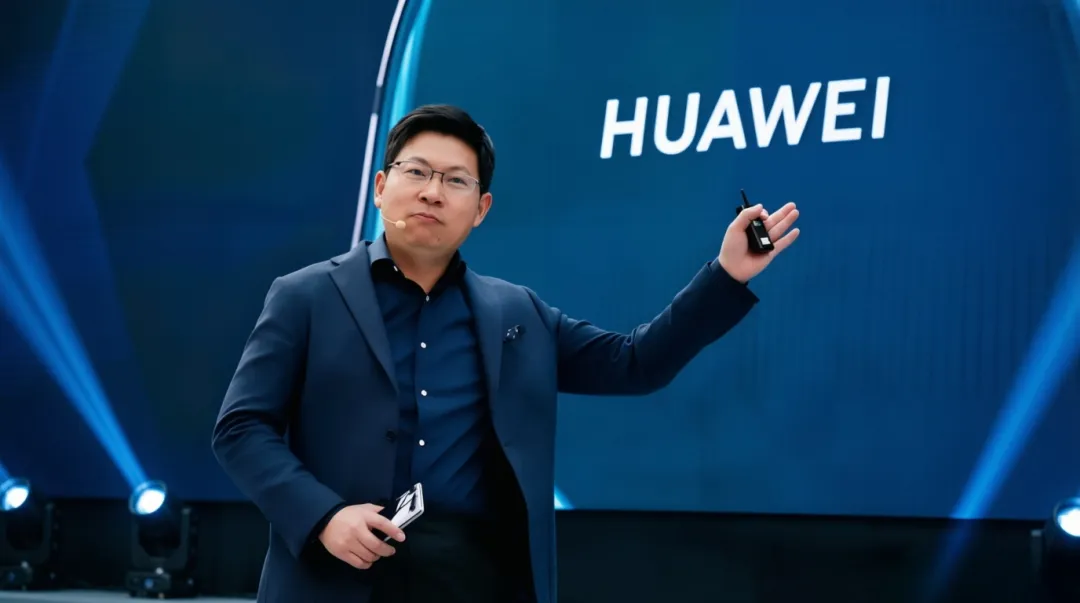 Image Source: Xiaohongshu
No preamble, no mobilization—just that sentence. Years later, He Gang would recount this moment repeatedly, noting how Yu Chengdong 'pulled' him from wireless into terminal. At 38, he shifted from communication base stations for operators to smartphones for billions of consumers—a stark contrast in logic: B2B telecom equipment, focused on contracts and delivery, versus B2C high-frequency consumer electronics, centered on experience and reputation, with entirely different customers, strategies, and pacing.
That call reshaped both their professional relationship and Huawei's terminal trajectory.
In 2012, He Gang assumed the presidency of the Consumer BG's smartphone product line. Over the next decade, he served as COO of Terminal BG, deeply involved in full-scenario planning for phones, tablets, and wearables, guiding Huawei's terminal business through its peak, lows, and recovery. Yu Chengdong set the direction and spoke publicly, while He Gang executed, bringing products to life. One was the frontline commander; the other, the supporting general. Their tacit understanding was honed through product launches and iterations.
Dual Director Seats: Two Spots for One Business Line
In April 2024, Huawei's terminal business underwent a pivotal transition. Yu Chengdong stepped down as Terminal BG CEO to become Terminal BG Chairman; He Gang took over as CEO, overseeing daily operations of smartphones, tablets, PCs, wearables, and the HarmonyOS ecosystem. This created a division of labor where 'Yu Chengdong shapes strategy, He Gang handles execution'—a framework now formalized at the board level.
In Huawei's governance, the board is the apex decision-making body, determining major strategies and resource allocation. Seats here symbolize influence. Yu Chengdong, as executive director and Terminal BG Chairman, sits alongside He Gang, the new director and Terminal BG CEO. This 'Chairman + CEO' dual-director model isn't unique to terminals—Huawei Cloud's current Chairman Zhang Ping'an (executive director) and CEO Zhou Yuefeng (director) share board seats. For terminals, this arrangement reflects both heightened business influence and official recognition of He Gang's two-decade contributions and cross-domain management skills.
The financial weight of this is clear. Terminals are Huawei's second-largest revenue pillar, generating RMB 344.473 billion in 2025, nearly 39% of total group revenue. It's not just about selling phones and tablets—it's the core carrier for HarmonyOS, on-device AI, full-scenario intelligence, and Smart Selection vehicle connectivity.
He Gang's promotion to director came at a delicate time—the coldest period for the smartphone industry.
Counter-Trend Ascent: HarmonyOS Crosses the Survival Threshold
In Q3 2026, China's smartphone market was mired in gloom. Rising memory chip costs and industry-wide price hikes led to a shrinking market. IDC data showed ~57.9 million units shipped domestically in Q3, down 15.4% YoY; Omdia's figures marked the lowest Q3 since 2013.
Amid this gloom, Huawei defied the trend. While estimates varied slightly across agencies, the consensus was clear: Huawei held ~21% domestic market share in Q3, leading the market and the only top brand with double-digit YoY growth.
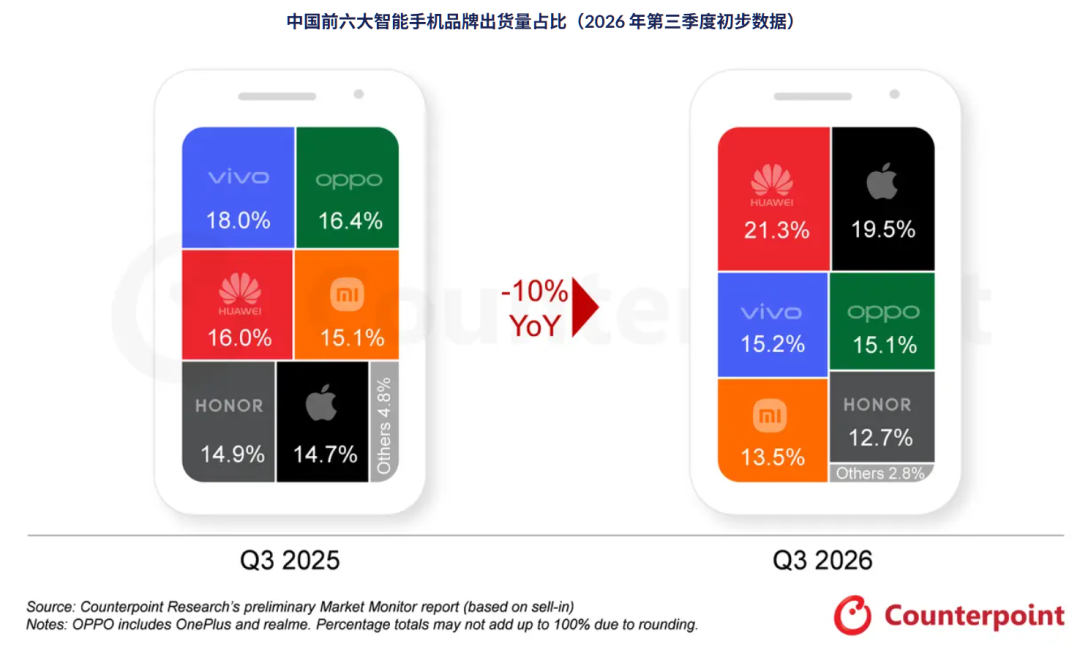
Image Source: Counterpoint Research
Counterpoint put it at 21.3%, Omdia at 21%, IDC at 21.1%. The Enjoy 90 Pro Max anchored the entry segment, Nova 16 held the mid-range, and Mate 80 led the flagship line, stabilizing the portfolio. Foldables and expanded screens drove demand, with Huawei and Apple combining for over 40% domestic share.
More significant than market share was the ecosystem. By October 23, HarmonyOS installations surpassed 100 million units. Huawei's rotating chairman Xu Zhijun had said 100 million is the critical threshold for OS ecosystems—crossing it means HarmonyOS moves from introduction to growth, a life-or-death milestone.
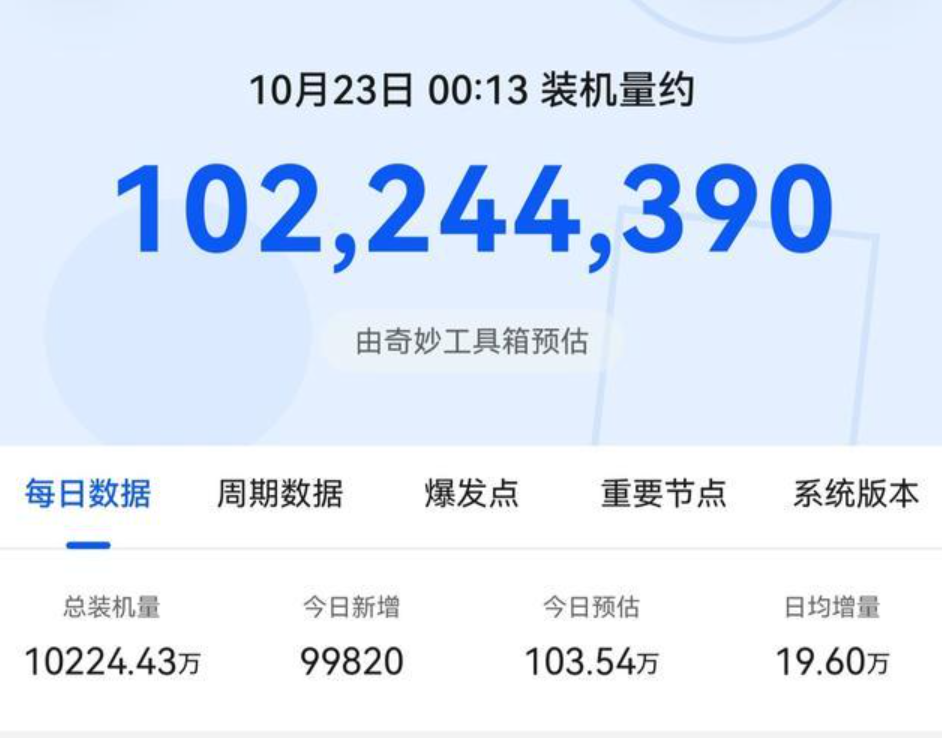
Image Source: Qimiaogongjuxiang
This milestone was He Gang's core focus. In May, he vowed to reach 100 million units; by August, he revealed Huawei had invested billions in HarmonyOS development, with terminal devices at 80 million. At the Developer Conference, he likened HarmonyOS to a tree: top apps are the trunk, while growth depends on countless small developers. Beyond the threshold, developer returns, on-device AI monetization, and hardware retention efficiency will dominate his board-level agenda.
The Bigger Game
Bright growth belies real pressure.
Huawei's 2026 H1 financials showed revenue of RMB 467.819 billion, up 9.55% YoY (a record high for the period), but net profit fell 36.77% YoY to RMB 23.428 billion. Profit pressure stemmed from R&D—H1 R&D spending hit RMB 121.382 billion, up 25.2% YoY (25.94% of revenue)—and rising memory costs squeezing hardware margins, prompting Huawei to announce price hikes in September.
Counterpoint warned that post-hike sales could suffer, leaving terminal profitability uncertain. Meanwhile, rumors swirled about HarmonyOS's sub-brand 'Xingmang,' targeting mid-range value segments with products beyond phones, including HarmonyOS smart small appliances and wearables—though plans remain unconfirmed.
Many wonder if He Gang's board role will shift terminal strategy. Signals suggest no. His focus remains Terminal BG CEO, with product lines, HarmonyOS, and Smart Selection partnerships progressing as before.
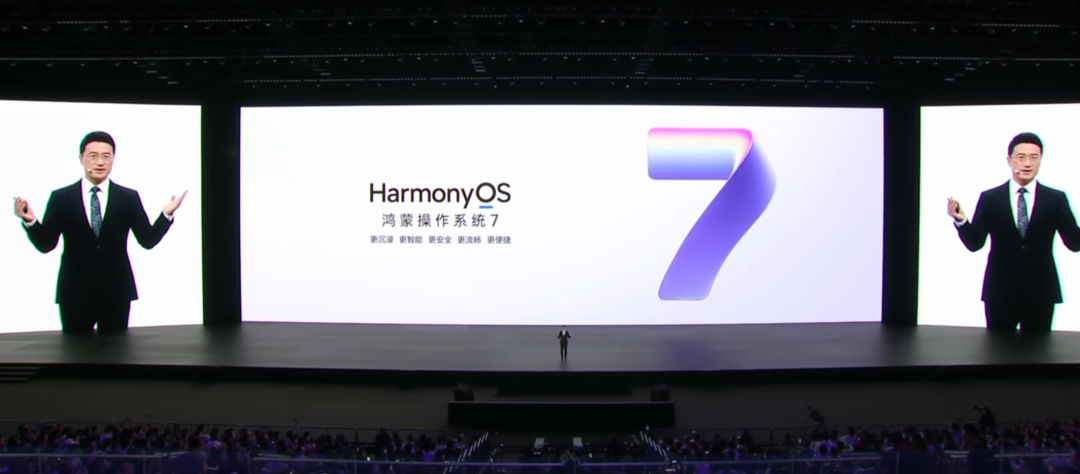
Image Source: Huawei Launch Event
Roles are clear: Yu Chengdong promotes the Mate XT 2 foldable and Mate 90 series, while He Gang oversees HarmonyOS, tablets, and wearables. At September's autumn launch, He Gang introduced HarmonyOS 7 and wearables; in October, Yu Chengdong headlined the Mate 90 series event—a testament to their division of labor.
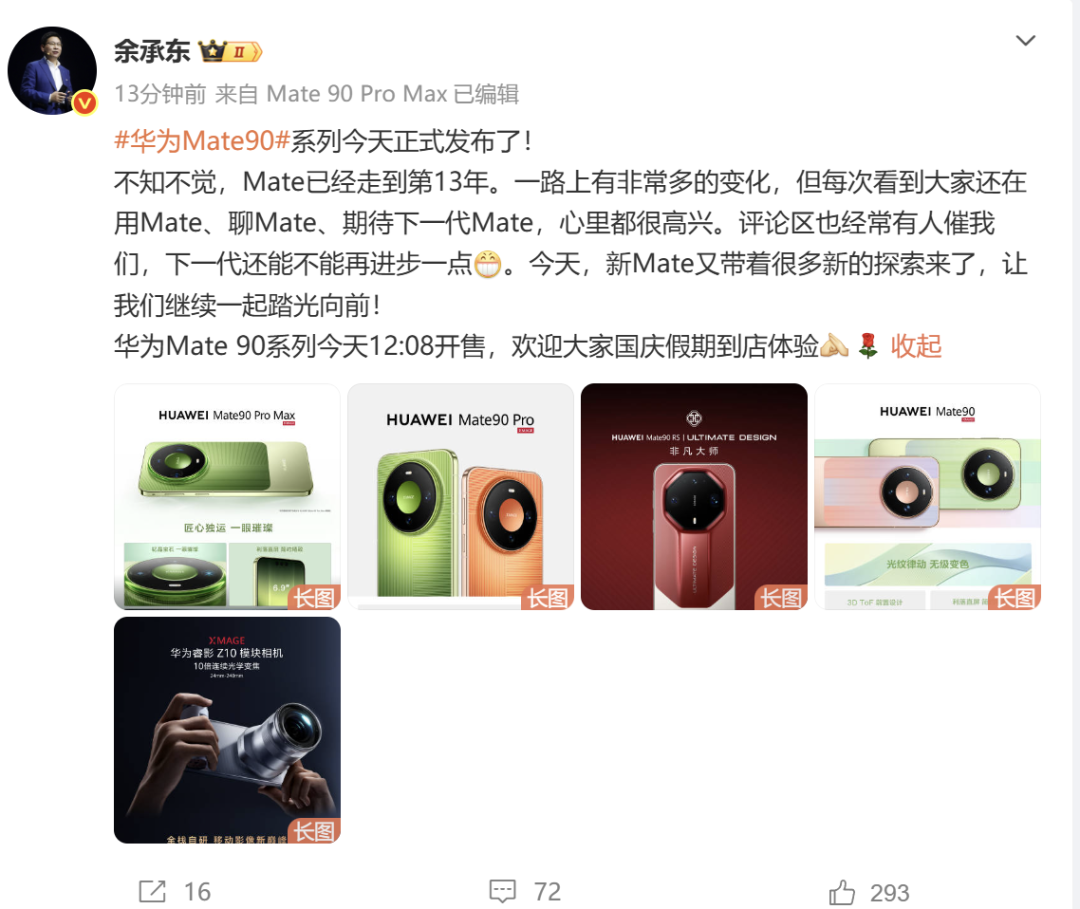
Image Source: Weibo
This personnel shift reflects Huawei's normal cadre turnover. The board's alternate director mechanism ensures smooth transitions. Peng Bo's exit and He Gang's promotion exemplify Huawei's 'performance-driven, merit-based' culture and stable organizational evolution.
Over 28 years, He Gang evolved from a wireless veteran to Yu Chengdong's core partner, then to leader of a RMB 100+ billion consumer business and now a board director. In his new role, he must secure resources at the group level, balance investments, stabilize hardware fundamentals, and drive HarmonyOS toward commercial viability—a far tougher challenge than selling phones.
Thirteen years ago, Yu Chengdong's call brought a partner to terminals; today, the new director seat entrusts them with a grander game.
Interactive Topic: After HarmonyOS surpasses 100 million installations, what's its next biggest challenge? Share your thoughts in the comments.
Disclaimer: This article is a financial commentary on major companies and does not constitute investment advice. All corporate data and regulatory events cited are from public information and for reference only; official announcements prevail. Images sourced from the internet; contact us for copyright removal if needed.
-
![]()
Alibaba Cloud and Volcano Engine Compete in Automotive Cloud Market
-
![]()
“After Testing K3.1 Pro Overnight, It Seems Kimi Is Truly Advancing Towards Embodied AI”, “K3.1 Pro, Speed, Task Execution, Allowance, Embodied AI”
-
![]()
BYD Registers Decline in Six Models, Xiaomi Undergoes Leadership Shuffle! Comprehensive Review of BEV Sales Rankings from January to September
-
![]()
DeepSeek’s Product Department Entrusted to a Quantitative Trader
-
![]()
After Two Decades of Anticipation, Wuhan and YMTC Face a Cooling A-Share Market
-
![]()
Why Are Automakers Pivoting to Battery Swapping Amid Rapid Advances in Ultra-Fast Charging?
-
![]()
From Lucent to NVIDIA: When History Echoes
-
![]()
Thermal Effects on Femtosecond Filamentation and Supercontinuum Generation in YAG Crystals: Insights from Ultrafast Nonlinear Optics Study No. 105