When Buying a Car, Look at the Supplier First: Consumers Say Goodbye to Brand Worship
 04/15 2026
 682
682
"Who Defines a Good Car?"
Author | Gong Chenyan Editor | Li Guozheng Produced by | Bangning Studio (gbngzs)
The past two years have seen car launches cease to be solo performances dominated by automotive executives.
Under the spotlight, standing center stage and speaking eloquently, in addition to automotive executives, are also relevant leaders from top supply chain companies. They move from one new car launch to another, discussing everything from battery safety and energy density to intelligent driving algorithms and LiDAR layouts, with a level of expertise and influence that sometimes even overshadows the automotive executives beside them—even though those executives are their clients.
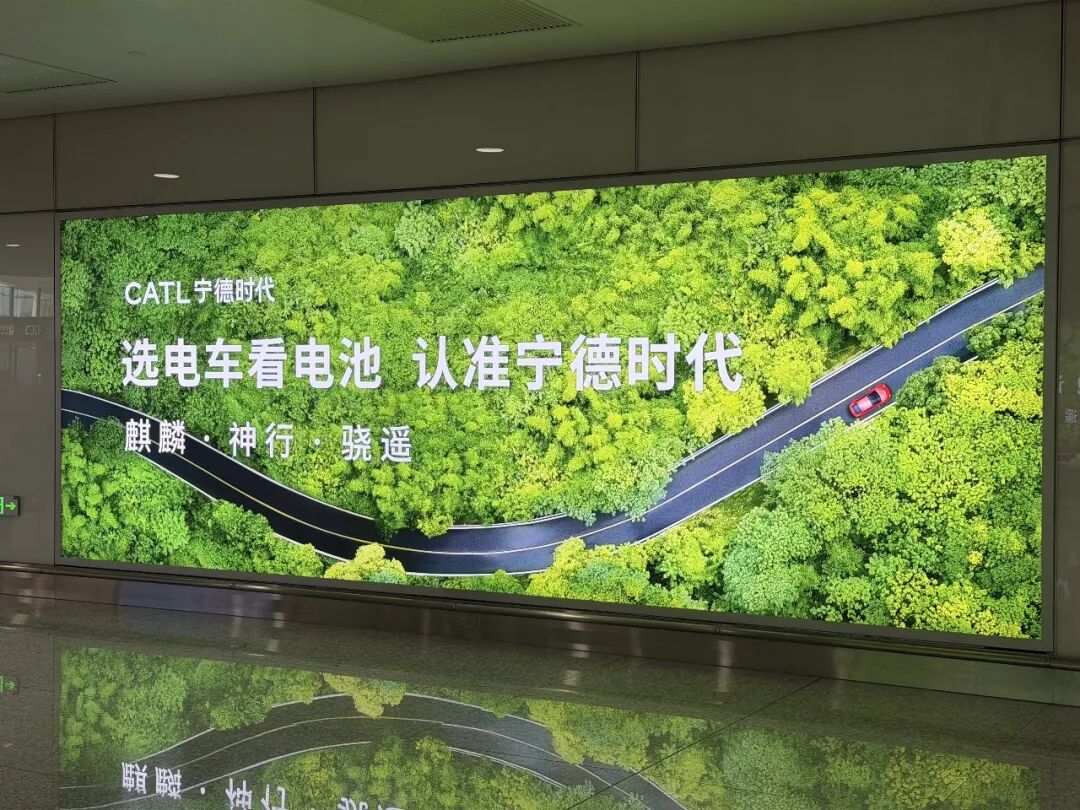
Billboard advertisements on airport highways and in urban commercial districts also convey the same message. At the arrival level of Chongqing Jiangbei Airport, after passengers step off the escalator, they are greeted by the advertisement slogan: "For electric vehicles, choose CATL batteries."
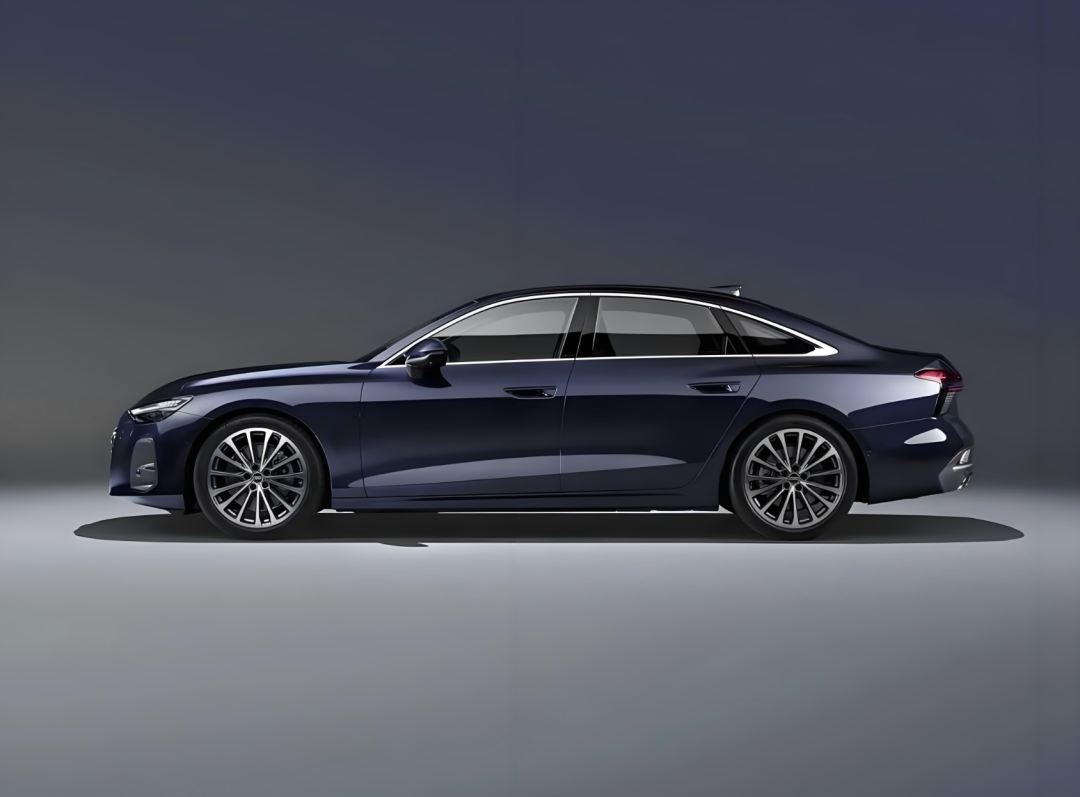
At Beijing Capital Airport, FAW-Audi A5L has placed a large print advertisement, but the phrases "Huawei ADS" and the Huawei logo are significantly enlarged and bolded, occupying nearly half of the visual space. The advertisement slogan is simply: "The world's first luxury fuel-powered sedan equipped with Huawei ADS technology."
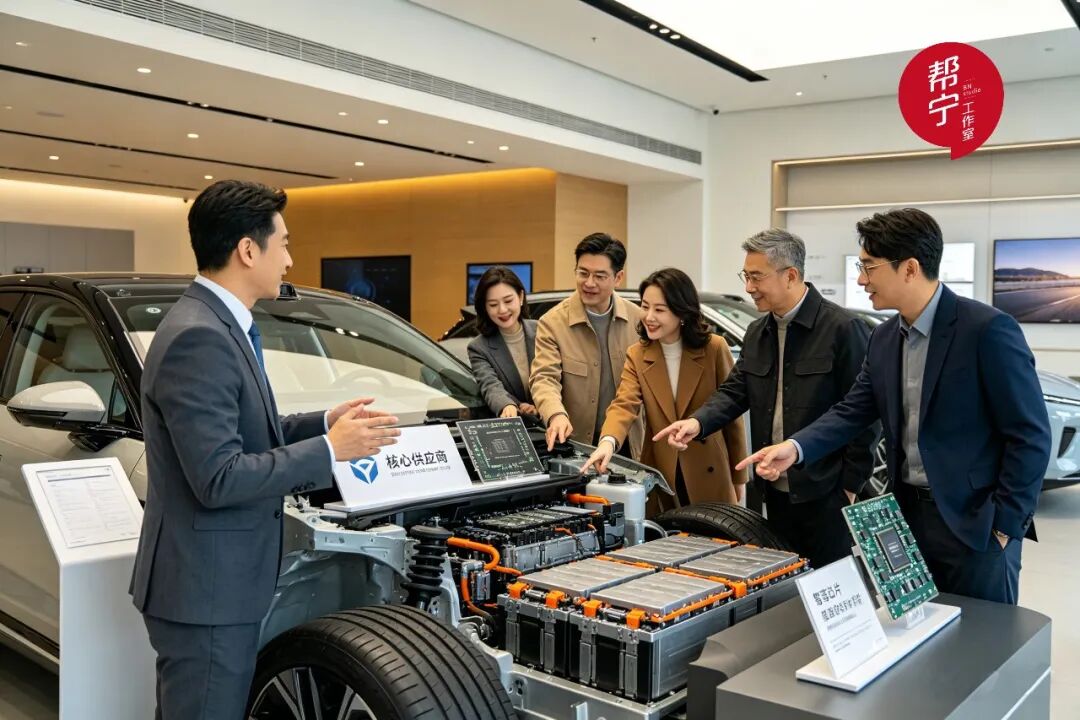
Bangning Studio recently visited several 4S stores and commercial showrooms and heard sales staff greet customers by saying, "This is a new model from X brand," followed immediately by, "We use XX batteries, XX intelligent driving systems, and XX chips."
The premium pricing and reputation of new cars, once determined solely by the automotive brand, are now being dissected and weighted by individual high-tech suppliers. When consumers buy a car today, do they look at the car's brand or the component suppliers? How much of the brand appeal, built up by automakers over decades or even a century, remains today?
▍01 Suppliers Step into the Consumer Spotlight
Bangning Studio's market visits in Beijing revealed that as the Beijing Auto Show approaches, automakers are one after another (this word is left as pinyin since it seems to be used to convey the ongoing action of "successively" unveiling their ace cards for 2026) unveiling their ace cards for 2026, and some auto dealerships are experiencing their first wave of increased foot traffic this year. Sales consultants greet customers more enthusiastically and with highly consistent scripts—when introducing new cars, they all emphasize the supplier's products before delving into the model's story.
At an SAIC Volkswagen 4S store on the East Fifth Ring Road, the ID.ERA 9X occupies the center of the showroom. As soon as a visitor stops by the car, a sales consultant quickly steps forward to begin the introduction. After covering the specifications, configuration, and price, he says with a touch of pride, "This car is equipped with CATL batteries and is the first mass-produced model to feature the Momenta R7 intelligent driving system."
Whether in joint-venture or domestic brand stores, whether looking at SUVs or sedans, whether for family use or commuting, visitors commonly ask three main questions: Who supplies the battery for the range? Whose intelligent driving solution is it? What are the purchase incentives? Few people start by asking about the vehicle's residual value or brand reputation.
A gentleman who brought his family to a BYD Dynasty 4S store to look at cars said, "When buying an electric vehicle, we first look at the battery. If the battery isn't safe, nothing else matters. No matter how big the brand is, if the battery is no good, I won't consider it." His wife added, "Intelligent driving is also very important. It can make the commute to and from work a bit easier."
This supplier-first mindset among consumers is the result of long-term education by the automotive industry.
In the past two years, most new car launches have followed a nearly fixed process (left as pinyin to convey the idea of a "process" or "procedure"): First, an automotive executive takes the stage, followed by leaders from battery, intelligent driving, cabin, and other suppliers who explain the core technological highlights, hardware configurations, and performance advantages. After they finish, the automotive executives then take the stage again to discuss other core technologies adopted in the new car, as well as design, space, comfort features, and so on.
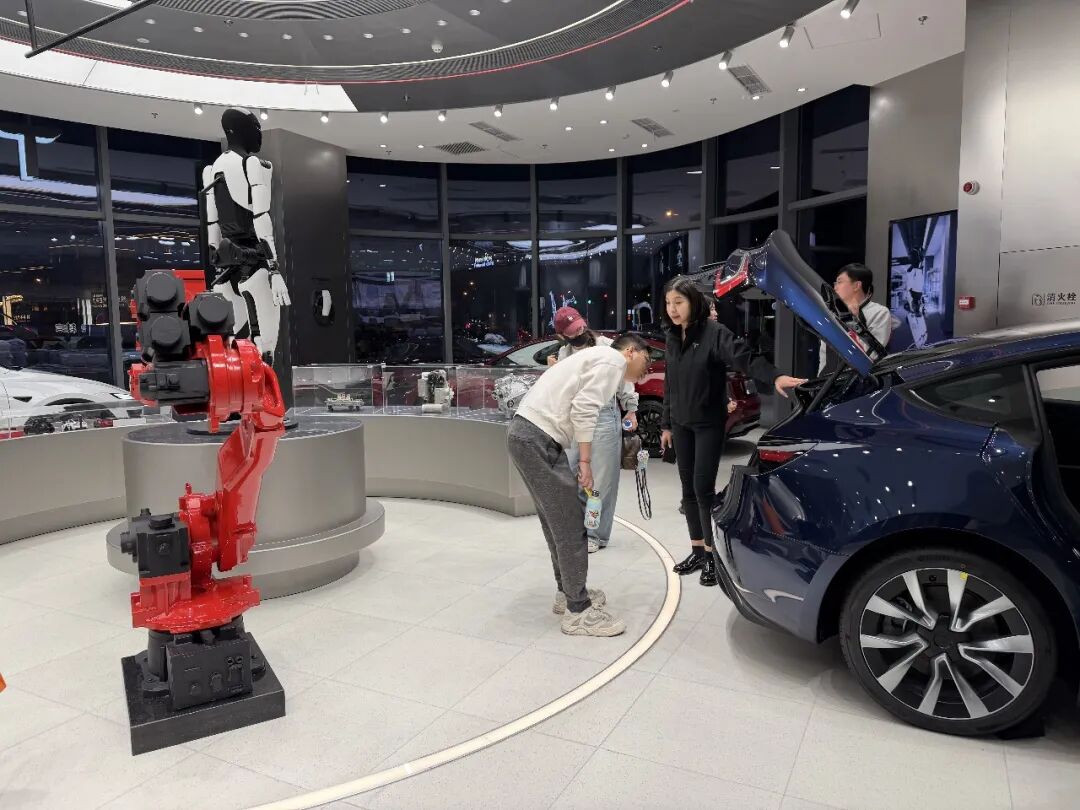
The suppliers' move from behind the scenes to the forefront represents a fundamental shift in communication strategy, from B2B industry promotion to B2C consumer education.
A representative from a battery supplier noted that CATL's success in becoming a top-tier battery brand in consumers' minds is largely due to its early focus on B2C communication, directly telling the public, "For electric vehicles, choose CATL batteries."
In contrast, mid- and lower-tier battery manufacturers have long focused on the B2B market and rarely speak directly to ordinary users. Even if their quality is not inferior, they struggle to gain favor with average consumers.
From a communication perspective, power battery companies can be divided into two categories. One is represented by supply chain giants like CATL, which directly build their brand among consumers and turn battery suppliers into independent IPs. The other includes leading automakers like BYD and Geely, which launch batteries under their own names, such as BYD's second-generation Blade Battery and Geely's Shendun Golden Brick Battery, with some of the cells sourced from external suppliers.
Not all battery suppliers are qualified to stand center stage; instead, automakers deliberately keep their distance from non-top-tier battery suppliers, maintaining silence in their communications unless necessary.
This is particularly evident among joint-venture automakers. For example, a recently launched joint-venture model is equipped with batteries from CALB and Zhengli Xinneng, which are not in the industry's top tier by installed capacity. As a result, the automaker did not proactively disclose supplier information during the launch event and only admitted it later under consumer scrutiny.
The same rules apply in the intelligent driving and cabin domains. Huawei ADS, HarmonyOS Cockpit, and Momenta's intelligent driving solutions are frequent guests at automaker launches and serve as "gold-lettered signboards" in the words of 4S store sales consultants. Components from second- and third-tier suppliers are mostly mentioned only in passing on the configuration sheet and are rarely actively promoted by automakers.
As a result, consumers have naturally formed a clear cognition (left as pinyin to convey "cognition" or "perception"): When buying a car, first look at the core components. Leading suppliers like Huawei, CATL, and Momenta equal reliability, advancement, and peace of mind, while the car logo at the front takes a backseat.
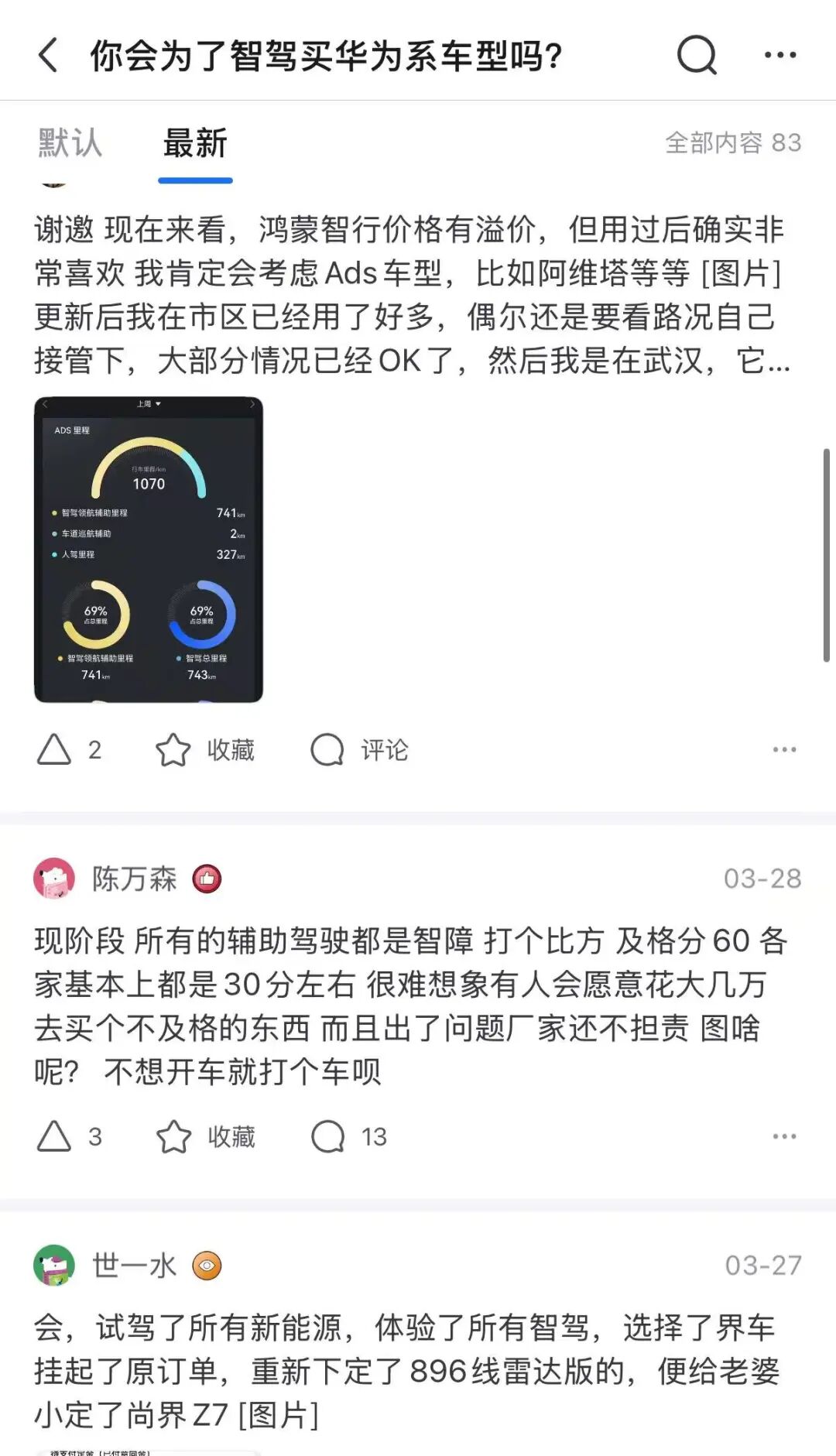
A user with over a decade of driving experience told Bangning Studio that he prioritizes intelligent driving when choosing a car. He has compared solutions from XPeng, NIO, Huawei, Xiaomi, Momenta, and others, and most highly regards Huawei ADS for its high traffic efficiency and decisive decision-making.
In his view, the experience differences brought by automotive brands are far less noticeable than those in intelligent driving.
On Zhihu, someone initiated a question: "Would you buy a Huawei-series model just for its intelligent driving?" It has received 83 answers so far. Many are resolute: "Yes, after test-driving all mainstream new energy vehicles, I'd choose a certain brand just for its intelligent driving." "Commuting 70 kilometers daily, intelligent driving is a must-have," said another. Some mentioned giving up BBA (Mercedes-Benz, BMW, Audi) and Porsche for a smoother driving experience.
This perhaps indicates that from launches to dealerships, from advertisements to user word-of-mouth, suppliers have fully entered the consumer spotlight. They are no longer just supporting players for automakers but key factors determining a new car's appeal and even influencing purchase decisions.
▍02 Reconstructing Consumer Decision-Making
The automotive consumption model is quietly being restructured.
In the past, people bought cars based first on brand: BBA represented luxury and prestige, Toyota and Volkswagen represented reliability and resale value, and domestic brands represented cost-effectiveness. Brand was once the first criterion for car purchases and the biggest support for premium pricing.
Today, this logic is losing its effectiveness.
Ms. Wei from Tianjin said that due to rising fuel prices and her gasoline car having been in use for nine years, she plans to switch to a new energy vehicle recently, with a budget of 150,000 to 250,000 yuan. She values vehicle reliability the most and hopes to buy an extended-range or plug-in hybrid car that can last 5 to 8 years. "I can't have the battery or motor malfunction after just two or three years, right? Repairing such major components is a headache," she said.
After comprehensive consideration, she prioritizes batteries and motors from well-known brands before considering the vehicle brand based on build quality. Ms. Wei did not focus on a single automotive brand but instead compared products horizontally, prioritizing safety-related aspects like the battery, intelligent driving, and quality control over brand.
This is not an isolated case. According to the 2026 China New Energy Vehicle Initial Quality Study released by J.D. Power on April 2, post-95s already account for 41% of car buyers, becoming the largest main force (left as pinyin to convey "main force") group; post-00s make up 9%, with their purchasing power tripling in three years. They have sufficient budgets, are unwilling to compromise, and are more willing to pay for experience and technology.
This group of consumers is accustomed to screening information online and values memorable points in exterior and interior design but places even greater importance on hard values like power, charging capabilities, intelligent driving, and space, demanding a well-rounded experience without shortcomings. They reject low prices for low experiences and refuse to accept experiences defined by price tiers, insisting only on user-defined experiences. For them, an automotive brand cannot sustain them; whether the battery is safe, the intelligent driving is responsive, and the cabin operates smoothly are the truly perceptible factors.
At a FAW-Audi store on Beijing's East Fifth Ring Road, a consumer who came specifically to test-drive the new A6L said he had driven Audis for over a decade and was a typical loyal user of luxury brands. However, this time, he came not for the Audi logo but for Huawei ADS. After carefully comparing the positions of LiDAR sensors, repair costs, highway performance, parking capabilities, and even conducting a detailed comparison of multiple intelligent driving solutions, he ultimately decided to trade in his old car for the new A6L.
Consumers are paying increasingly detailed attention to suppliers, going beyond the three electric systems (battery, motor, electronic control), intelligent driving, and cabin solutions and configurations to ask about motion sickness, charging speed, and more. When introducing models equipped with components from well-known suppliers, sales consultants specially (left as pinyin to convey "deliberately" or "specifically") highlight "no motion sickness" as an important indicator. These details are far removed from the traditional car-buying approach of prioritizing brand.
Of course, automotive brands have not completely lost their relevance; they still represent overall vehicle assembly, after-sales networks, and long-term reliability. However, many brands have shifted from being core decision factors for users to serving as auxiliary verification factors. These users are first attracted to stores by suppliers' technologies and only use the automaker's quality control as the final checkpoint—the automotive brand has transformed from a stepping stone (left as pinyin to convey " stepping stone " or "stepping stone") into a passing grade.
Behind this transformation is a fundamental change in the nature of automotive products.
In the era of gasoline cars, the engine, transmission, and chassis were the core components, mostly controlled autonomously by automakers, and brand equated to technology. In the electric vehicle era, batteries, intelligent driving, motors, and cabins are highly dependent on the supply chain, with automakers ceding partial control over core technologies to leading suppliers.
Several sayings circulate in the industry: "Selling cars today is half about the product and half about the supply chain network. If your network includes top-tier suppliers, your model gains heat (left as pinyin to convey "popularity" or "buzz"); without top-tier partners, even the biggest brands have to work hard to promote themselves."
For consumers, this is more rational—they no longer pay for face, i.e., the automotive brand, but only for safe, comfortable, and user-friendly experiences.",
-
![]()
The Allure of 'Acquisition Spree': Li Shufu's Left Turn, Xu Jiayin's Right
-
![]()
Strategic Transformation Yields Results: Phoenix Optics Reports 10.9% YoY Rise in Core Net Profit for H1 2026
-
![]()
Three Key Growth Trajectories Synergize! Crystal-Optech Reports 3.478 Billion Yuan in Revenue for H1 2026
-
![]()
Semi-Annual Report Sparks XPENG Motors Buzz
-
![]()
1.6 Billion Big Order Secured! SeeYA Technology's Revenue Soars by 287.87% in the First Half of the Year
-
![]()
Baidu's Profits Plunge by 68%: Unraveling the Mystery Behind the Numbers
-
![]()
Baidu’s Profits Tumble by 68%! Where Has All the Money Gone?
-
![]()
Hynix’s Taobao Store Shuts Down Abruptly: What Should Customers Do About Warranty Services for Memory Modules?