From 'Transitional Technology' to Highly Sought-After: Why Are Geely, Changan, and Chery All-In on HEV?
 04/15 2026
 560
560
This 'last uncharted territory' is also a key gap for the globalization of Chinese autonomous brands.
In the race for new energy vehicles, the battle between battery electric vehicles (BEVs) and plug-in hybrid electric vehicles (PHEVs) is intensifying, but a quiet yet powerful undercurrent is emerging. In 2026, Chinese autonomous brands such as Geely, Changan, and Great Wall seem to have reached a silent agreement, turning their attention to the HEV sector, once considered a 'transitional technology.'
In late March, Changan unveiled its Blue Whale Super Engine hybrid system, developed over six years and incorporating 163 core technologies. This system completely overturns the traditional hybrid logic of 'oil-dominant, electric-assisted,' directly pulling HEV fuel consumption into the '2L era.' Changan has filed applications for four HEV models, including the UNI-V HEV and Eado HEV, covering both sedan and SUV main markets. The company boldly declared, 'The Blue Whale Super Engine is not a supplement—it's a complete replacement.'
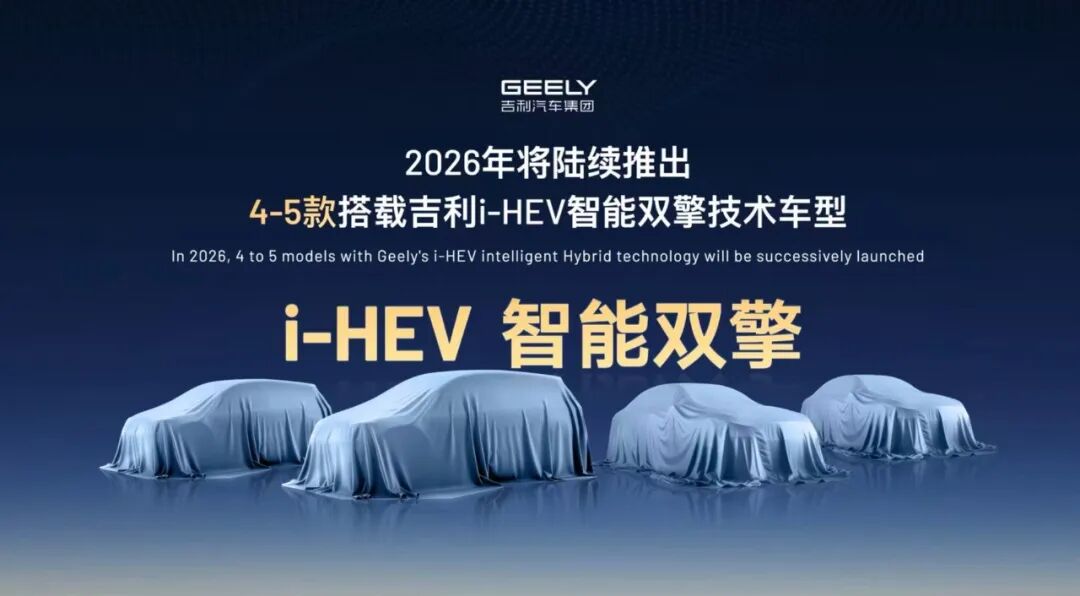
On April 13, Geely officially debuted its i-HEV Smart Hybrid Technology in Hangzhou, announcing a combined fuel consumption of 2.22L per 100 kilometers, breaking the Guinness World Record for the lowest fuel consumption in a mass-produced vehicle. Geely not only achieved breakthroughs in core technologies but also issued a 'mandatory order' for 'full HEV conversion of fuel vehicles,' planning to launch 4-5 new HEV models by 2026, covering compact to mid-size markets. The company even coined the slogan 'same price for oil and hybrid,' directly targeting the price range of joint-venture hybrid models.
Chery and Great Wall are not far behind.
Chery has taken a unique approach with its 'large-battery hybrid' strategy, equipping HEVs with a 5 kWh Rhino battery, reducing fuel consumption to as low as 2.68L per 100 kilometers, and achieving a combined range exceeding 2,000 kilometers. As China's leading HEV exporter, Chery plans to further expand its overseas markets with this pragmatic solution. Great Wall, leveraging its Guiyuan platform, has developed a versatile architecture compatible with HEV, PHEV, BEV, and other powertrains. Its upcoming Ora 5 HEV is seen as the 'first shot' in the counterattack by fuel vehicles.
The shift from 'rejection' to collective pivot by Chinese automakers is not a sudden whim but the result of a convergence of policy, market, and technological factors.
Is HEV the Key to Profitability for Chinese Automakers?
The changing policy landscape remains a significant driver of HEV's resurgence.
Starting January 1, 2026, adjustments to new energy vehicle purchase tax incentives will see BEVs and PHEVs move from 'full exemption' to '50% reduction,' with significantly higher technical thresholds for PHEVs. The pure electric range requirement will increase from 43 kilometers to over 100 kilometers, and fuel consumption during battery depletion must be less than 70% of comparable fuel vehicles.
This excludes many PHEV models with insufficient technological reserves from policy benefits, while HEVs, classified as fuel vehicles, enjoy stable policies without concerns over range thresholds, highlighting their cost-effectiveness.
Diverging market demands provide fertile ground for HEV growth.
Data shows that domestic fuel vehicle sales reached 17.91 million units in 2025, accounting for 52.1% of total sales. In lower-tier markets, HEV penetration has surpassed 48% and continues to rise. This indicates that over half of consumers still prefer low fuel consumption without altering their 'refuel and go' habits or being constrained by charging infrastructure.
A representative from GAC Group, which is also entering the HEV market, stated, 'Consumers in third- and fourth-tier cities value vehicle stability and convenience. HEVs, with their 'refuel and go' nature, fuel efficiency, and smooth performance, perfectly meet their needs. Compared to BEVs, HEVs eliminate charging wait times and range anxiety; compared to traditional fuel vehicles, they reduce fuel consumption by 30%-50%, making them a 'painless choice' for fuel vehicle users transitioning to new energy.'
Amid rising fuel prices, HEVs' economic advantages become even more pronounced.
Since 2026, global gasoline prices have risen by an average of 11.6%, with domestic 92-octane gasoline exceeding 8 yuan per liter, significantly increasing operating costs for high-fuel-consumption vehicle owners. Against this backdrop, HEVs' economic advantages stand out.
Take a compact sedan as an example: a traditional fuel vehicle consumes about 7L per 100 kilometers, while an HEV consumes only around 4L. Based on 20,000 kilometers annually, an HEV can save approximately 4,800 yuan in fuel costs per year. For cost-conscious daily commuters, the math is clear.
Geely explicitly stated during the i-HEV Smart Hybrid Technology launch that its target demographic is 'consumers who prioritize daily commuting costs and travel convenience.'
It's worth noting that since the second half of 2025, raw battery material prices have continued to rise. Although lithium carbonate prices have retreated from historical highs, they remain elevated. Cui Dongshu, Secretary-General of the China Passenger Car Association, straightforward (bluntly stated), 'China's automotive industry is facing severe profit distribution imbalances, with automakers' profits heavily squeezed by battery companies.'
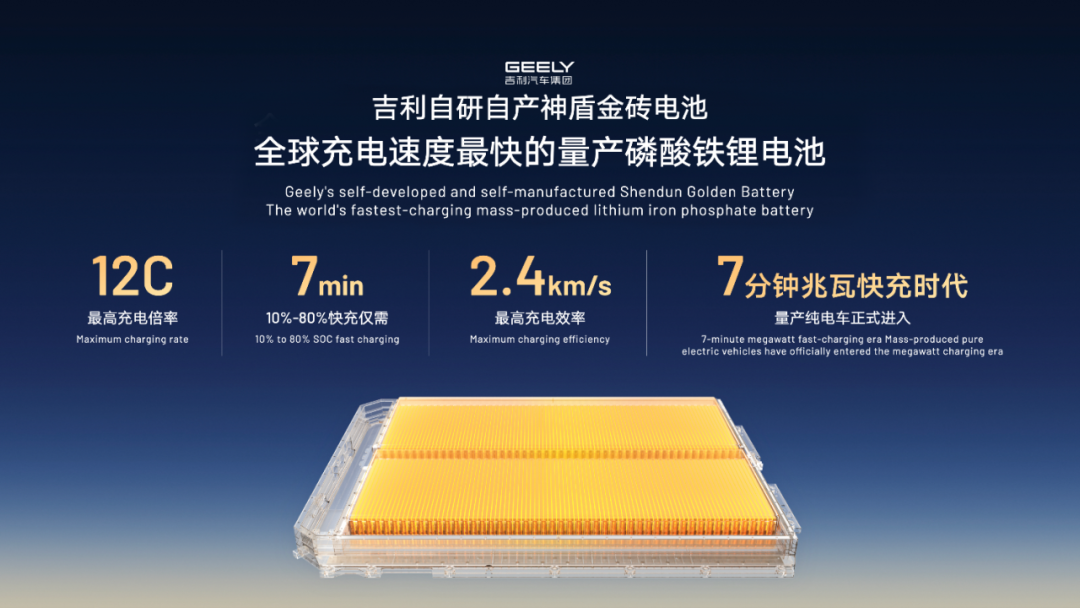
For instance, media reports indicate that in 2025, a domestic battery manufacturer's net profit exceeded the combined profits of 13 A-share listed automakers.
Against this backdrop, HEVs' battery configuration advantages become evident.
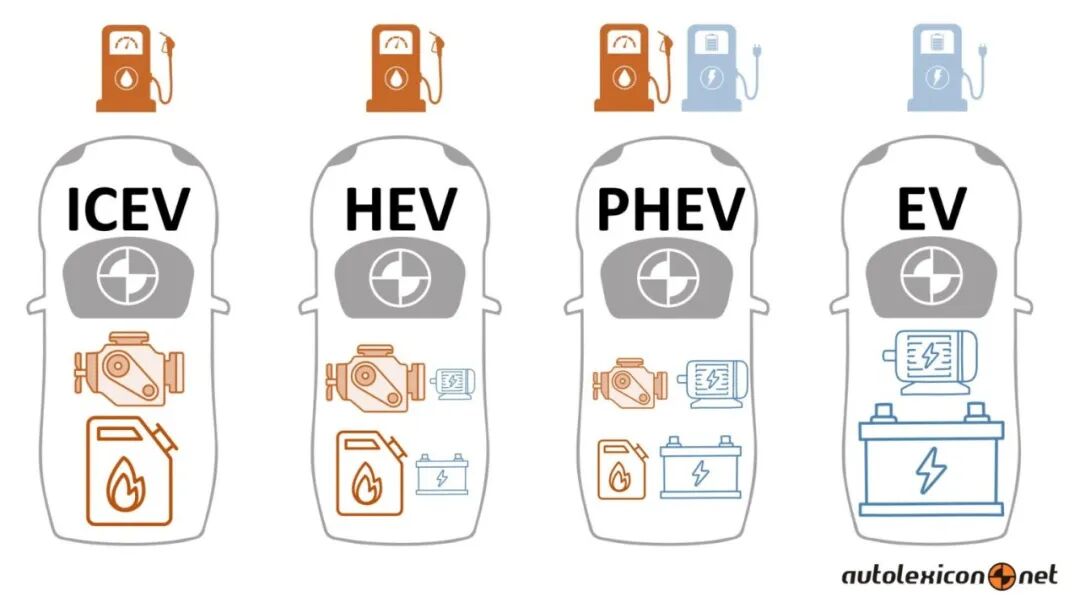
HEVs require only small-capacity batteries (1-5 kWh), with costs far lower than PHEVs (10-20 kWh) and BEVs (over 50 kWh). This allows HEVs to avoid the cost pressures of large batteries while retaining the production system advantages of fuel vehicles, without the burden of charging infrastructure construction.
Faced with the dual pressures of 'rising battery costs' and 'declining vehicle prices,' HEVs preserve healthier profit margins for enterprises.
HEV Is Not a 'Transitional Technology'
Just five years ago, Chinese brands were still seen as 'technology followers' in the HEV sector. For over two decades, the global HEV market's technological path has been dominated by Japanese brands, forming a fixed logic of 'oil-dominant, electric-assisted.'
Toyota's THS system, centered around planetary gearsets, established a technical logic of 'oil-dominant, electric-assisted,' capturing over 90% of the global HEV market share with its mature reliability and stable fuel consumption. For a long time, consumers equated 'hybrid' with 'Toyota,' leaving Chinese brands struggling to explore within technological constraints.
In 2021, a technical executive from a Chinese autonomous brand admitted at an industry forum, 'We tried to imitate Japanese routes but found core technologies were already locked behind patent barriers. Even with massive investments, we could only achieve 'similar form, not essence.'' This technological dilemma made Chinese brands realize that following Japanese routes would never lead to transcend (surpassing); they must forge their own technological path.
Currently, Chinese brands have chosen a distinct technological route: series-parallel architectures paired with multi-gear DHTs, with a core logic of 'electric-driven priority,' keeping engines operating in efficient (efficient) intervals—essentially functioning as 'non-plug-in PHEVs.'
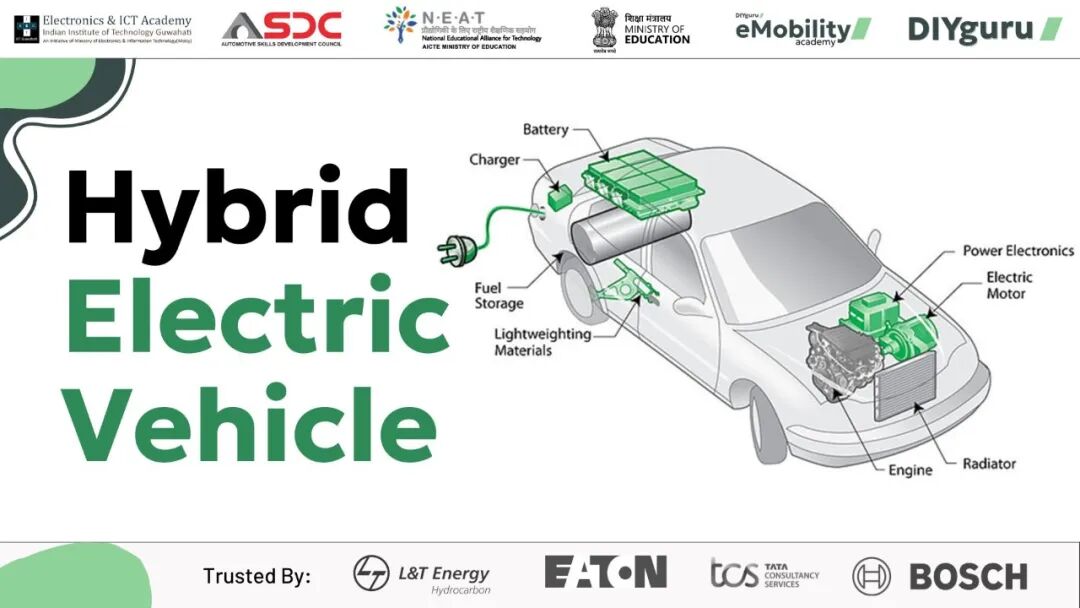
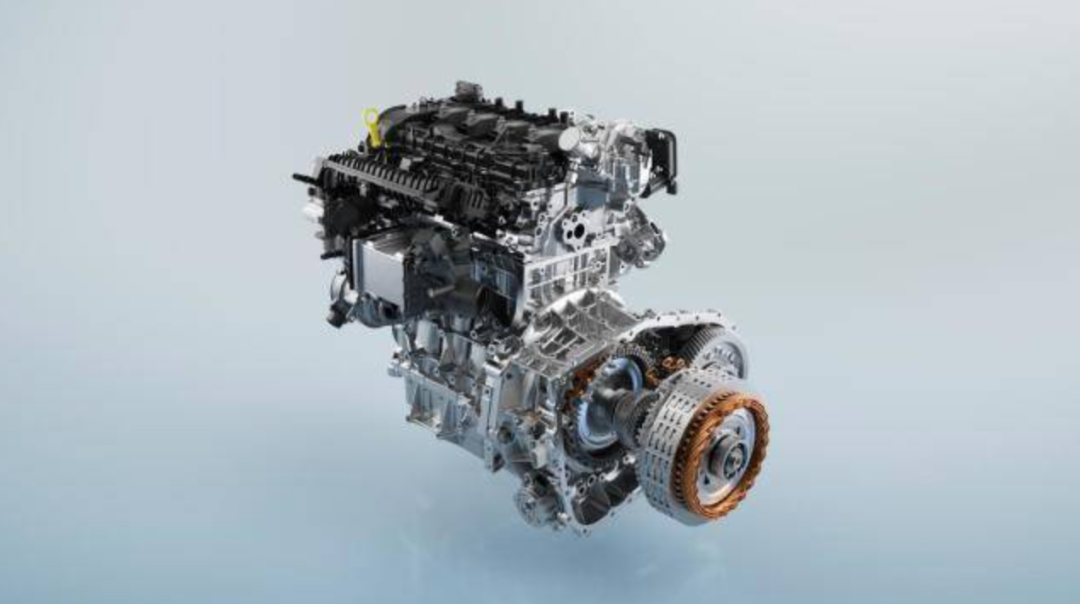
Take Changan's Blue Whale Super Engine HEV as an example: it adopts a P1+P3 motor architecture with a three-shaft six-gear electromechanical coupling unit, enabling multiple operating modes—low-speed pure electric, mid-speed series, high-speed direct drive, and rapid acceleration parallel drive. This not only reduces fuel consumption but also enhances power responsiveness.
Geely's AI Cloud Power System, leveraging the Xingrui Intelligent Computing Center's 23.5E FLOPS computational power and integrating 20 billion kilometers of driving data, can perceive road conditions and driving habits in real-time, switching oil-electric strategies within milliseconds, elevating hybrid system intelligence to new heights.
However, HEV models still face some technological weaknesses. Traditional HEVs typically have battery capacities of only 1-2 kWh, with frequent charge-discharge cycles posing severe (severe) tests to battery lifespan. To address this, automakers like GAC and Chery have adopted 'large-battery' solutions (around 5 kWh), enhancing pure electric range and supporting intelligent features.
From current trends, Chinese brands are addressing HEVs' inherent weaknesses through technological innovation. With the proliferation of 'electric-driven priority' architectures and 'large-battery' strategies, HEVs' driving texture (refinement) and intelligence levels are approaching those of BEVs.
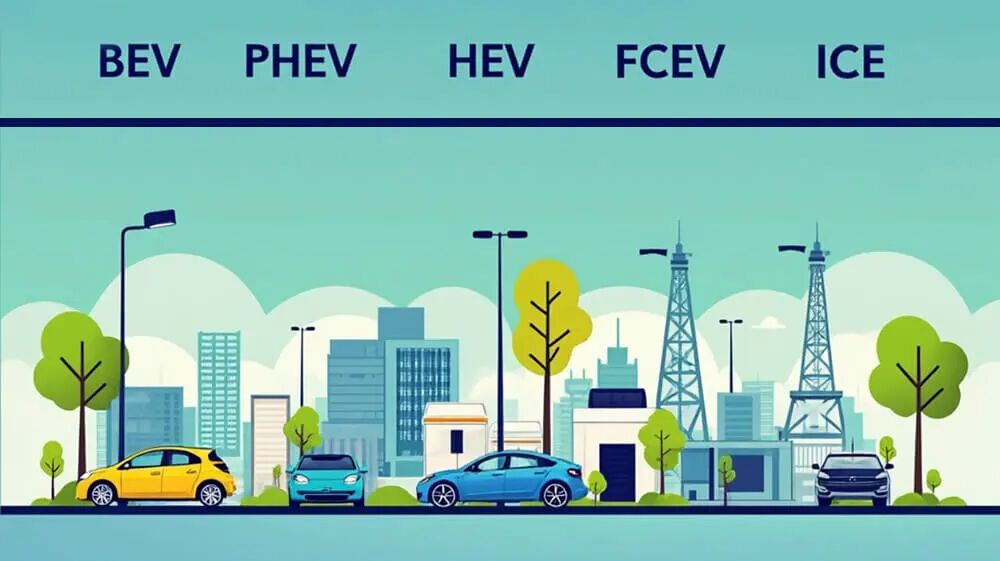
As technological iteration accelerates in the domestic market, Chinese brands are simultaneously setting their sights on the broader global stage. Amid the global electrification wave, regional differences in energy structures and infrastructure provide unique opportunities for HEVs' global expansion.
Globally, HEV potential is equally immense.
Due to vast differences in world energy structures and infrastructure, some regions lack perfect (complete) power and charging facilities, making single pure electric powertrains insufficient for all scenarios. HEVs, requiring no additional infrastructure and maintaining fuel vehicle usage habits, have become the preferred choice for global fuel vehicle users upgrading or repurchasing.
Data shows that in 2025, HEVs surged in major global markets: the EU market grew by 122%, reaching a 35% market share and surpassing gasoline vehicles for the first time; U.S. sales hit 2 million units, up 26.6% year-on-year, the only category gaining share. Meanwhile, China's HEV exports soared by 94.1% year-on-year.
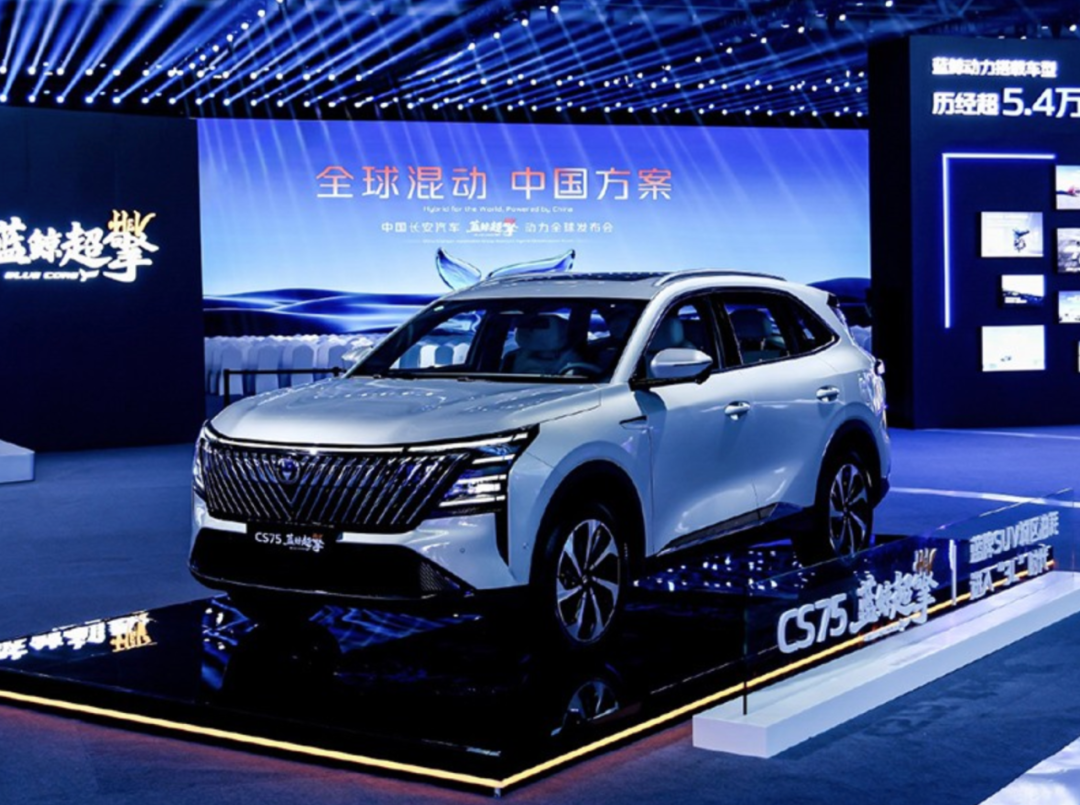
Although the global HEV market is still dominated by foreign brands like Toyota and Honda, with Chinese brands holding only about 17% market share, this 'last uncharted territory' represents a critical gap for Chinese brands' globalization.
Of course, HEV development faces challenges, such as further cost reduction for broader consumer acceptance, addressing battery lifespan issues from frequent small-battery charge-discharge cycles, and sustaining technological innovation to maintain competitiveness. However, undeniably, with collective efforts from Chinese automakers, HEVs have entered their best development phase.
Amid the opportunities and challenges of HEVs, Cui Dongshu offers clearer guidance: 'The industry often discusses electrification's endgame, but true technological trends never involve single-route replacement. Instead, BEVs, PHEVs, and HEVs will coexist long-term.'
As he said, amid the electrification transition, HEVs are not a 'transitional technology' but a crucial technological route coexisting with BEVs and PHEVs. For Chinese brands, deploying HEVs is not just a response to market demand changes but a strategic choice to enhance profitability and achieve globalization.
Note: Images sourced from the internet. Contact us for removal if infringement occurs. -END-
-
![]()
The Allure of 'Acquisition Spree': Li Shufu's Left Turn, Xu Jiayin's Right
-
![]()
Strategic Transformation Yields Results: Phoenix Optics Reports 10.9% YoY Rise in Core Net Profit for H1 2026
-
![]()
Three Key Growth Trajectories Synergize! Crystal-Optech Reports 3.478 Billion Yuan in Revenue for H1 2026
-
![]()
Semi-Annual Report Sparks XPENG Motors Buzz
-
![]()
1.6 Billion Big Order Secured! SeeYA Technology's Revenue Soars by 287.87% in the First Half of the Year
-
![]()
Baidu's Profits Plunge by 68%: Unraveling the Mystery Behind the Numbers
-
![]()
Baidu’s Profits Tumble by 68%! Where Has All the Money Gone?
-
![]()
Hynix’s Taobao Store Shuts Down Abruptly: What Should Customers Do About Warranty Services for Memory Modules?